Embroidery lifts a simple garment into something personal without shouting for attention — which is why it’s perfect for women who love vintage-inspired style with a practical, everyday sensibility. This guide walks through concrete outfit pairings, what to look for when shopping, and how small embroidered details function in a wardrobe or boutique assortment. Wherever you start, remember the sewn care label is your first reference for cleaning and care; garment construction and fiber content affect how embroidery behaves in wear and wash.
Choose the right scale of embroidery for daily wear
The size and density of embroidery determine how casual or dressy a piece reads. Small, scattered motifs—tiny flowers on a collar, a single embroidered pocket, tone-on-tone monograms—read as everyday, versatile details. Large, bold panels or all-over needlework create a statement that changes where and how you wear the item.
Outfit example: pair a blouse with a narrow embroidered trim at the cuffs and hem with high-rise jeans and loafers for coffee runs or errands. Trade-offs: small-scale embroidery is easy to mix into work or weekend outfits but can be overlooked; larger motifs are memorable but limit layering options.
If you’re buying wholesale, include both scales in your mix: stock several neutral, small-detail pieces for impulse purchases and a few eye-catching embroidered tops as destination items.
Balance embroidered textures with simple bases
Embroidered fabrics often feature raised stitches and mixed textures. Pair them with smooth surfaces—denim, wool, or crisp cotton—to keep the outfit readable. A heavily stitched blouse looks elegant with a clean-cut skirt; conversely, an embroidered skirt feels modern with a plain knit top.
Outfit example: tuck an embroidered blouse into a mid-length A-line skirt and finish with ankle boots. For a relaxed look, let the blouse hang over straight-legged jeans and add a structured crossbody bag.
Trade-offs: combining textures can make an outfit richer but also busier; simplify jewelry and accessories to avoid visual overload.
Select color contrasts that suit your lifestyle
Contrast in thread color changes how obvious embroidery appears. High-contrast stitching—white on navy, black on cream—reads more graphic. Low-contrast, tonal stitching feels subtle and versatile for everyday wear.
Outfit example: a low-contrast embroidered shirt can be part of a work capsule with tailored trousers and a single-breasted blazer. If you want one piece to carry the look, choose a high-contrast embroidered top and keep bottoms neutral.
For boutiques, offer both approaches: tonal pieces for customers seeking quiet detail and contrast pieces for shoppers looking to make a simple statement.
Use embroidery as a focal point, not the whole outfit
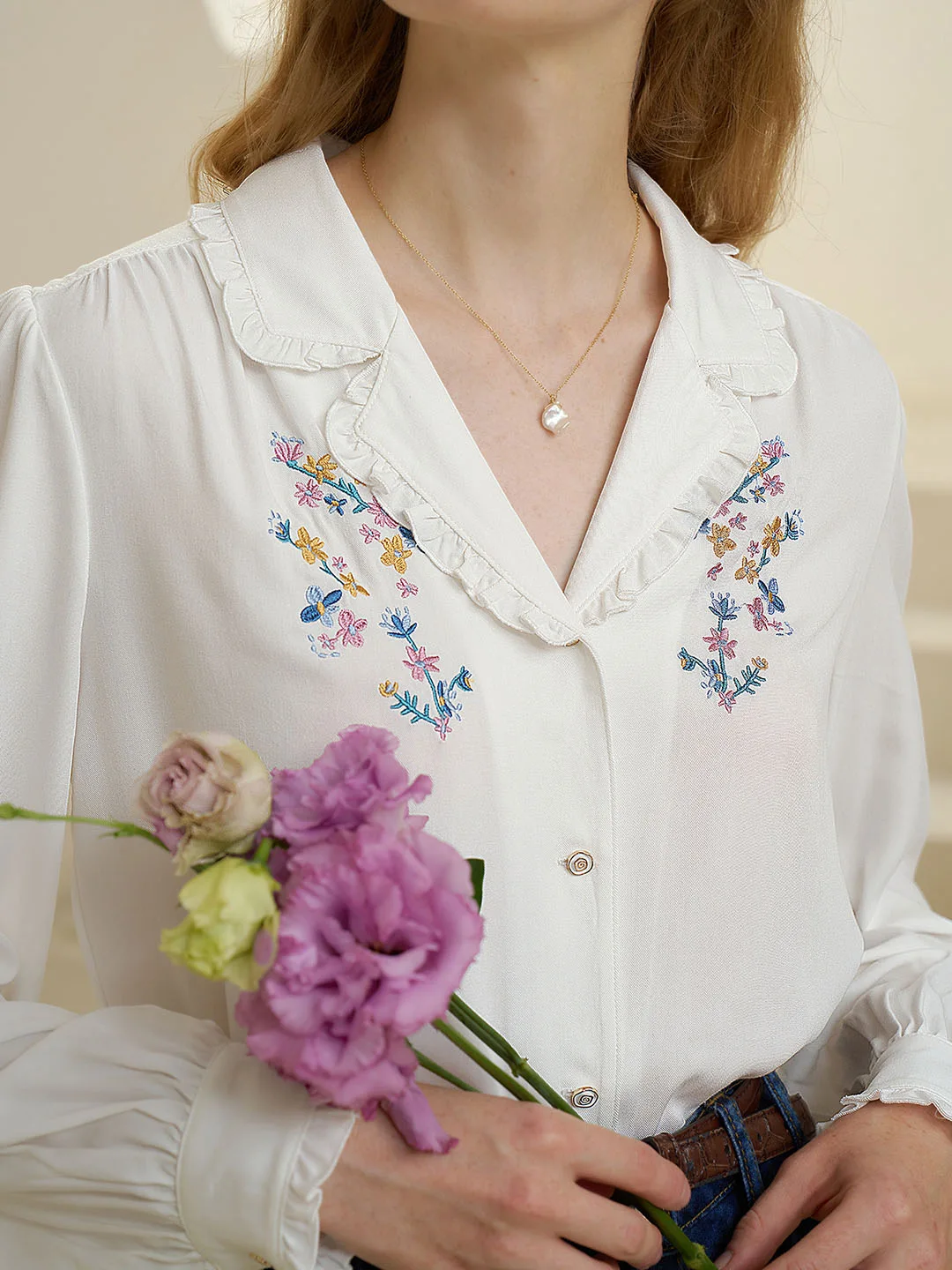
Treat embroidered elements as focal accessories. If a top has floral embroidery across the chest, let it draw attention by keeping other elements minimal. If you’re wearing embroidered jeans or a skirt, keep the top solid.
Outfit example: wear a subtly embroidered shirt with a plain knit vest and straight-leg trousers for a layered, vintage-inspired look. Or, style an embroidered midi skirt with a tucked-in tee and a cropped cardigan for weekend market days.
Trade-offs: relying on embroidery as the focal point simplifies outfit planning but limits how much layering and pattern mixing you can comfortably use.
Embroidered collars, cuffs and pockets: small details with big impact
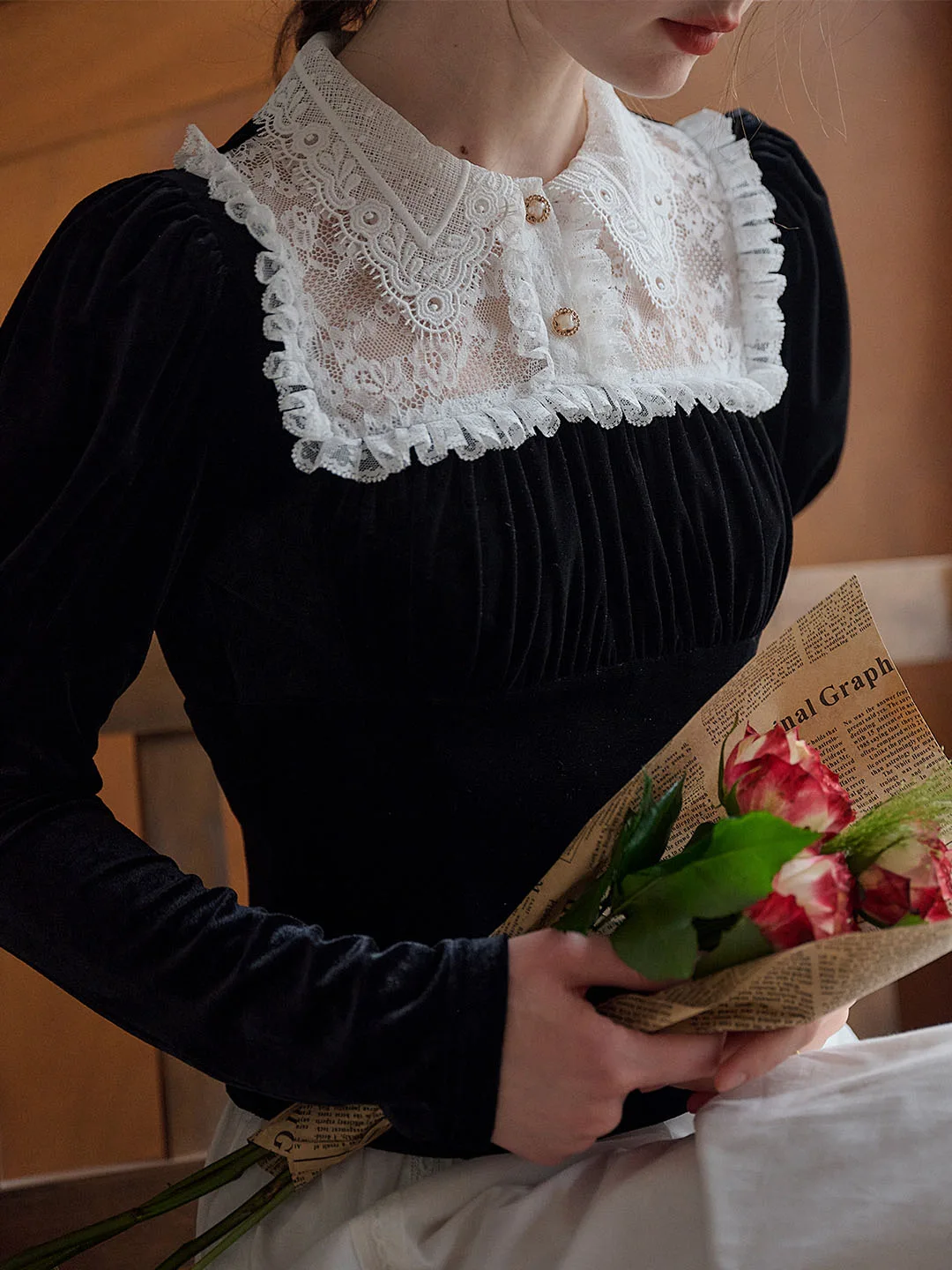
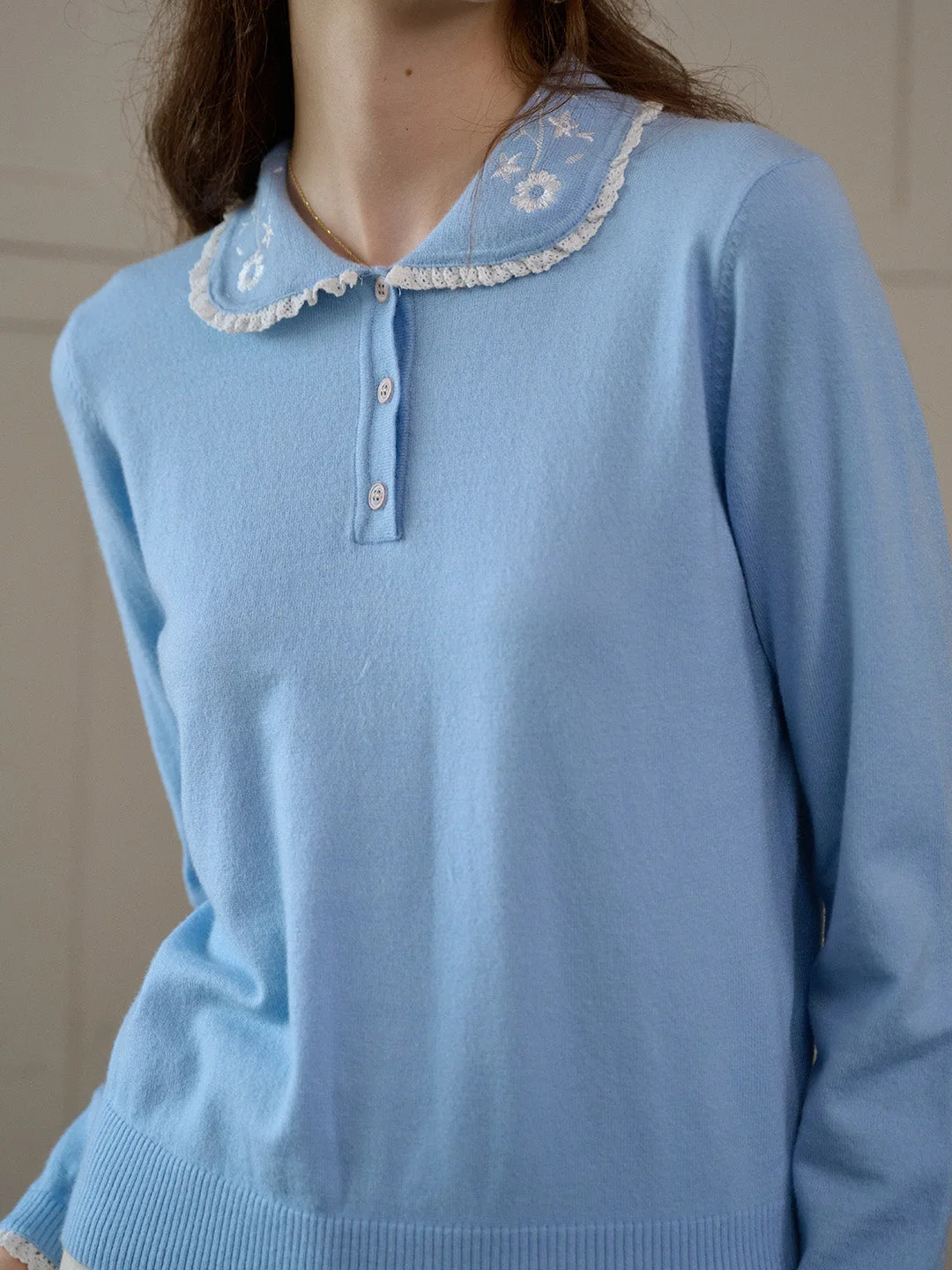
Focus on small, wearable locations for embroidery that read as everyday: collars, cuffs, pockets and yokes. These details add personality without changing a garment’s silhouette. A contrast-cuff velveteen shirt, for example, can look vintage but remains approachable and wearable with jeans or a denim skirt.
Concrete pieces: try the Oakley Square Neck Embroidery 100% Cotton Blouse or the same style in retro red as anchors for fall and winter outfits. Pair with cropped trousers and loafers for a boutique-friendly day look.
Trade-offs: these small embroidered touches are easy to translate into wardrobes and remain practical for laundering and repair, but depending on stitching density they may require more careful cleaning—follow the sewn care label.
Layering with embroidered pieces for cooler days
Embroidered garments work well under and over layers. A thin embroidered blouse can peek out under a sweater; an embroidered vest or lightweight jacket makes a graceful outer layer. When layering, place the embroidered piece where it will be visible—cuffs, collar, hem or an open-front overlay.
Outfit example: place the embellished collar of a blouse under a crewneck sweater so only the stitched edge shows, or wear the Elianna Peter Pan Collar 100% Cotton Blouse over a long-sleeve embroidered tee for a textural contrast.
Business note for buyers: include pieces designed for layering to lengthen their selling season. Offer simple styling cards showing how the item looks under sweaters, jackets and vests.
Mix embroidery with vintage silhouettes
Vintage silhouettes—puff sleeves, high waists, prairie blouses—pair organically with embroidery because of their historical association. Match the scale and motif of the stitching to the era you’re channeling: delicate lace-like stitchwork for Edwardian-inspired blouses, bolder folk motifs for 1970s-inspired shirts and dresses.
Concrete outfit: wear the Kylee Contrast Floral Embroidered Lapel Lace Panel Shirt with a high-waisted midi skirt and leather ankle boots for a soft, day-to-night look. Trade-offs: period shapes can require different fits—some customers prefer modern silhouettes—so offer at least one modern-cut option alongside vintage styles.
Care and longevity for embroidered garments
Always check the sewn care label first; fiber content, backing, and thread type determine the safest cleaning method. Because embroidery can snag or distort, avoid rough mechanical contact and abrasive detergents without presuming one universal wash method. If a label permits machine washing, turn the garment inside out and use a gentle cycle in a mesh bag. For pieces with delicate handwork, spot cleaning or professional care may be recommended—again, follow the label.
Practical store advice: include care notes on hang tags and the product page indicating that customers should consult the sewn care label and offering repair services or sewing guidance if you provide them. This transparency reduces returns and keeps embroidered pieces wearable longer.
Wholesale and buying tips for independent boutiques
If you buy embroidery wholesale, request swatches and ask about stitch density, thread types and common care instructions before committing. Wholesale orders and pricing information are provided on inquiry; confirm availability, shipping and payment terms by email in writing—web orders are processed through email requests, not instant paid checkout. That written confirmation prevents misunderstandings about lead times and returns.
Merchandising tip: group embroidered items by motif and color story. Place small-detail, wearable pieces near basics and reserve display space for a few statement embroidered garments that can draw foot traffic. Consider seasonal assortments: offer lighter embroidered tops for spring and richer velveteen or wool pieces for cooler months.
Accessorize around embroidered details
Jewelry and accessories should complement, not compete with, embroidery. Choose simple metals and clean shapes if stitchwork is dense. If embroidery is minimal, use accessories to echo motif colors or shapes—like a handbag in a thread color or a scarf with a similar floral print.
Outfit example: a blouse with embroidered cuffs can be paired with a slim bangle and a leather satchel; an embroidered skirt pairs cleanly with a plain belt and classic pumps.
Practical styling for different ages and lifestyles
Embroidery translates across age groups when the silhouette and color palette are considered. Younger shoppers might prefer brighter threadwork on modern cuts; older customers often choose subtle, tonal embroidery on well-fitting classics. For active lifestyles, look for embroidered details placed where they won’t be rubbed by backpacks or seat belts; for office dressing, place embroidery in collar and cuff areas that peek out from under jackets.
Retail tip: photograph outfits on a range of models and include simple styling notes on the product page so customers can see how embroidery works in real life.
Conclusion: make embroidery part of everyday rotation
Embroidery is a flexible design language—used sparingly, it adds personality to any outfit; used boldly, it defines a look. Focus on scale, placement, and color when choosing pieces for daily wear. For boutiques, balance small wearable details with a few standout embroidered items and communicate care instructions and ordering terms clearly by email. With careful pairing and thoughtful merchandising, embroidered garments can become reliable, beloved parts of a vintage-inspired everyday wardrobe.
Explore embroidered tops and related pieces in our collections: tops, our broader collections, wholesale information at wholesale, sizing help at size guide, and contact us for orders or questions at contact.
Explore the pieces behind the ideas
Browse our blouses & tops for full product photographs and listed specifications. Ask our team for fit and availability, or visit wholesale partnerships if you’re buying for a boutique.