Linen is a fabric that lives comfortably between casual and refined. It breathes, softens with wear, and carries a lived-in look that pairs easily with vintage-inspired silhouettes. Whether you’re a US woman building a small everyday wardrobe or an independent boutique buyer assembling a focused collection, constructing a functional capsule around linen separates gives you versatility with a deliberate aesthetic. Below are concrete steps, outfit ideas, sourcing guidance, and business-minded trade-offs to help you plan a linen separates wardrobe that serves everyday life.
Start with a compact color palette
A small, functional wardrobe begins with color restraint. Choose three to five base colors that mix well: a neutral (natural linen, oatmeal, or cream), a dark anchor (navy, charcoal, or deep olive), and one or two accents (muted rust, dusty blue, or soft sage). This approach reduces outfit friction and makes each piece more wearable.
Example: Pair a natural-linen button blouse with navy cropped trousers and a rusty-brown belt for a comfortable daytime look. If you prefer a lighter mood, swap the navy for soft sage linen shorts and add the same blouse for continuity.
Trade-offs: Sticking to a compact palette slightly limits trend-driven experimentation, but it exponentially increases outfit combinations with fewer pieces—valuable when you want a small wardrobe that actually covers your week.
Choose the right linen separates to anchor your closet
Focus on separable pieces—shirts, trousers, skirts, and light jackets—that can be recombined. For a functional small wardrobe, aim for five to nine linen separates that cover multiple activities: work, errands, leisure, and small gatherings.
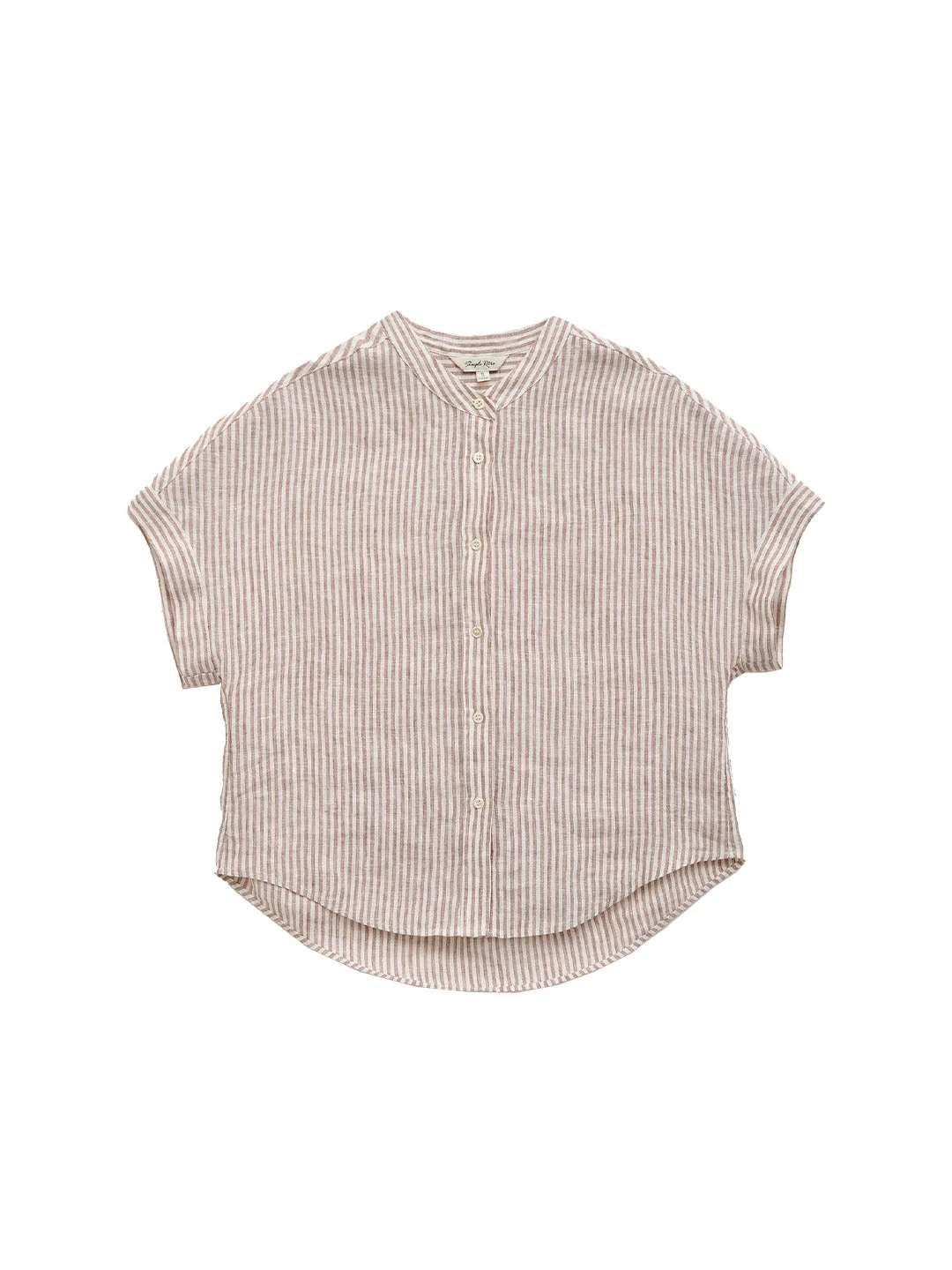
- One button-front shirt (classic button-up or soft camp collar).
- One relaxed blazer or lightweight linen jacket for structure.
- One high-rise wide-leg pant and one cropped straight-leg or tailored short.
- One midi skirt with an elastic or partial elastic waist for comfort.
- One sleeveless top and one long-sleeve blouse for layering.
Outfit example: A linen blazer over a sleeveless linen top, worn with wide-leg pants and loafers. Switch to sandals and roll the sleeves for a casual weekend look.
Trade-offs: Linen blazers give great shape but crease more readily; choose your blazer based on how polished you need to appear and how much time you’ll have for steaming or wearing the naturally rumpled look.
Balance weight and weave for seasonality
Not all linen is the same. Thicker, slubbed linen holds shape better and suits cooler months when layered; lighter, gauzy linen works in heat. Plan your separates so you can adapt across seasons without doubling up pieces.
Practical mix: Keep one medium-weight linen jacket and two lighter tops. In spring and fall, combine the jacket with the tops; in summer, use the lighter tops alone with linen shorts or a skirt.
Trade-offs: Heavier linen can limit airflow in high heat, while very lightweight linen may feel too delicate in wind or on breezier days. If you live in variable climates, prioritize medium weight that still breathes but offers more structure.
Layering and proportion play
Linen’s natural structure makes it ideal for proportion experiments. Pair a boxy linen shirt with high-waisted wide-leg trousers, or tuck a slightly oversized linen blouse into a midi skirt to emphasize the waist.
- Pro tip: Use a lightweight knit or cotton tee beneath open linen shirts to extend wearability in cooler mornings.
- Proportion trick: If wearing a voluminous linen skirt, counterbalance with a more fitted top or a cropped jacket to avoid overwhelming your silhouette.
Outfit example: Tuck a long-sleeve linen blouse into a mid-calf gathered linen skirt and add a slim belt; finish with ankle boots for a vintage-inspired everyday look.
Mix linen with complementary fabrics
Pairing linen with other natural fabrics keeps outfits interesting and functional. Think cotton poplin shirts layered under linen jackets, wool knits for cool weather, and denim for casual contrast.
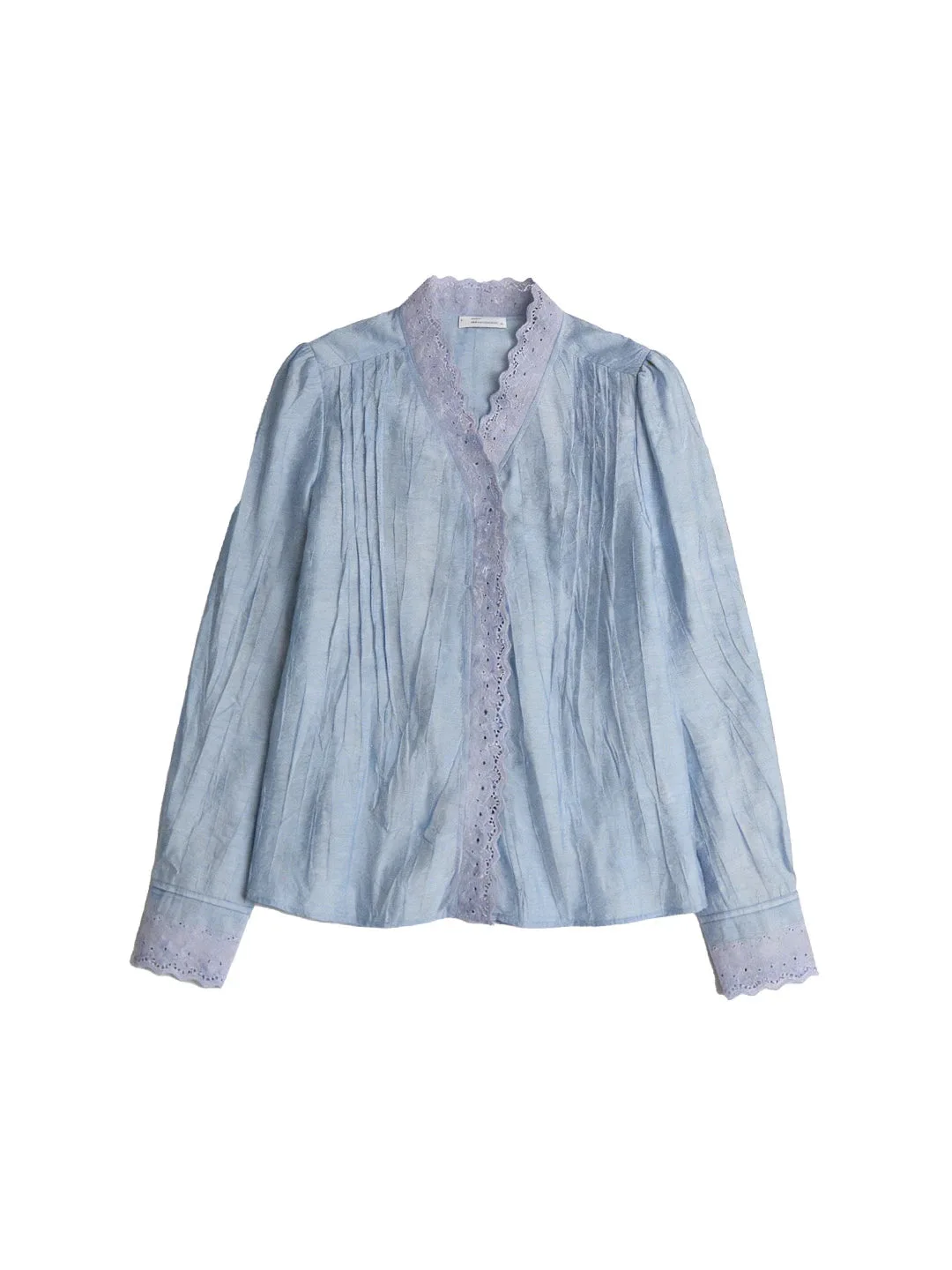
Concrete combos: a linen top with a cotton twill skirt, or linen trousers with a lightweight wool cardigan like our Laylah Peter Pan Collar Embroidered Blouse for a transitional outfit that reads deliberate rather than forced.
Trade-offs: Different fibers age differently—wool pills, cotton softens, linen slubs. When mixing, expect each piece to develop its own character and plan replacements accordingly if uniform aging is desired.
Care, maintenance, and realistic expectations
Check the sewn care label first—laundering instructions and fiber blends vary even when a garment is labeled “linen.” The most practical approach for a small linen wardrobe is to follow each piece’s care label, treat stains promptly, and store linen folded in breathable cotton bags if you’re keeping it long-term.
Specific advice: For shirts and blouses that can be machine washed on a gentle cycle per label instructions, turn them inside out and use a mild detergent. For jackets or structured pieces that recommend dry cleaning, consider professional services when you want to preserve shape. Avoid universal washing rules; always verify the sewn care label before cleaning.
Trade-offs: Air-drying reduces shrinkage but can leave creases—iron or steam when you need a neater finish. If low-maintenance is a priority, limit your collection to items labeled for easy home laundering.
Accessories and footwear that complement linen
Accessories anchor outfits. Leather sandals, canvas sneakers, woven belts, and brass jewelry pair especially well with linen’s organic texture. Choose shoes that match your day—flat sandals for errands, low-heeled mules for a polished quick meeting, or ankle boots for cooler days.
Outfit ideas: A linen button-front shirt with rolled sleeves, cropped trousers, and leather slides for a clean errand outfit; switch to loafers and a small leather bag for a more put-together look.
Trade-offs: Light-colored leather shows wear and scuffs faster, which pairs well with linen’s lived-in aesthetic, but it requires more upkeep if you prefer a pristine look.
Buying for a boutique: assorting linen separates
If you’re a boutique buyer, curate a small, cohesive assortment that reflects your shop’s personality. Offer a balanced range of sizes, a mix of weights, and a clear pairing guide so customers can easily imagine combinations from a limited inventory.
Practical wholesale tips: List product groupings—sets of two to three pieces that photograph well together—and provide styling notes for shop staff. Confirm wholesale prices, minimums, and lead times by inquiry, and communicate order availability, shipping, and payment terms in writing. Website orders should be treated as email requests with availability/shipping/payment terms confirmed in writing rather than instant paid checkout.
Visual merchandising suggestion: Build three on-floor outfits using one anchor linen jacket, one pair of trousers, and one blouse to show customers how separated pieces recombine. Include signage about care and fabric weight to set expectations.
Trade-offs: Offering too many colorways fragments sales; restrict colorways initially and expand popular tones later based on sell-through.
Fit and size considerations for varied customers
Linen can be less forgiving in strict fits because of its lack of stretch. Offer silhouettes that work with body movement—high waists with a bit of give, relaxed shoulders, and skirts with partial elastic waists. Provide a clear size guide on the product page or in-shop measurement charts so customers can pick the correct fit with confidence.
Retail practice: Include a short fit note—“fits generous through the hip” or “true to size with minimal ease”—and offer measurements for chest, waist, and hip. Link to your size guide for standardized metrics.
Trade-offs: Tighter-fitting linen pieces often require more precise sizing and can produce higher return rates; if you want fewer returns, stock relaxed silhouettes that accommodate a broader range of bodies.
Sourcing and product examples to consider
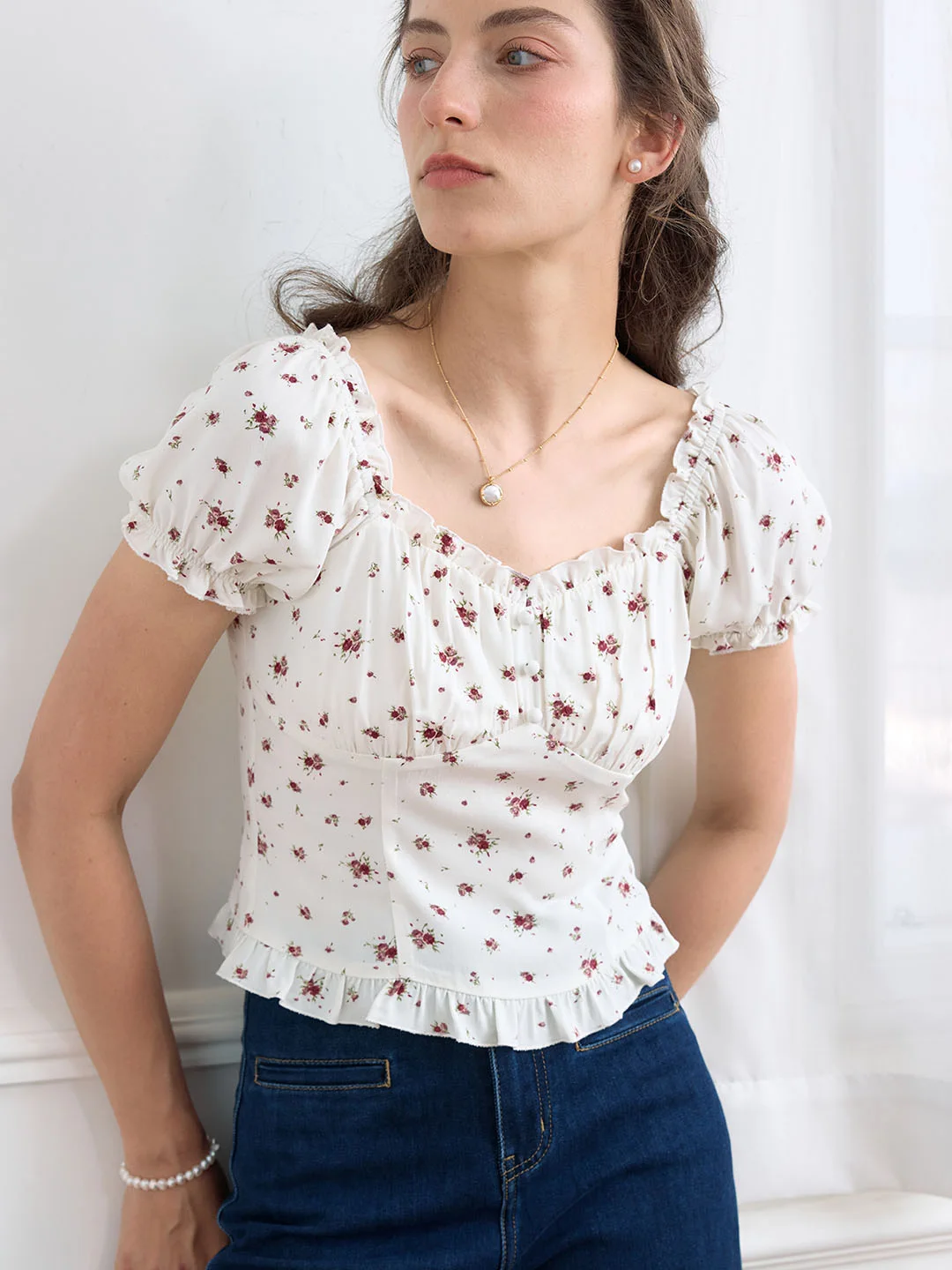
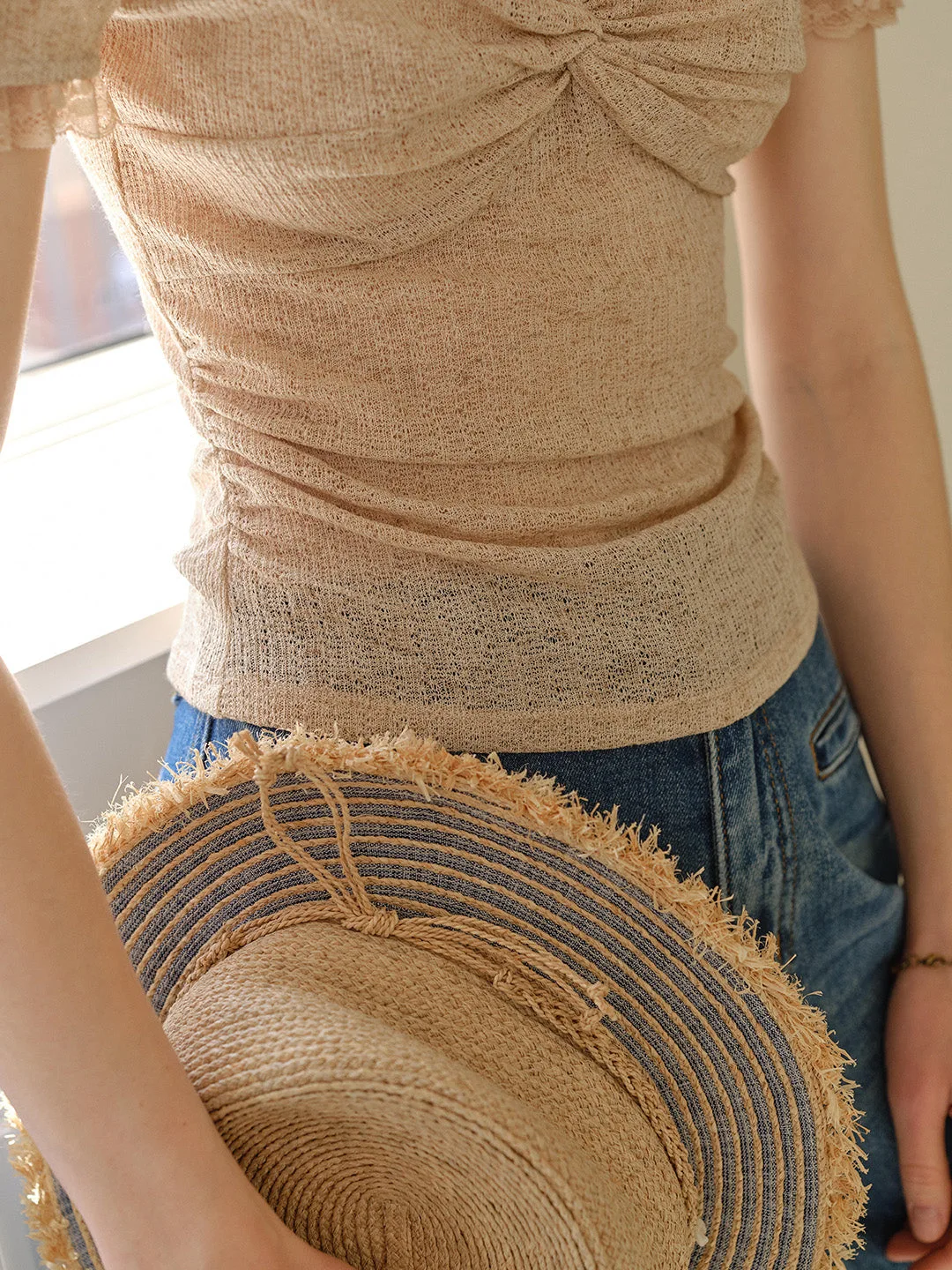
When selecting styles, prioritize a combination of functional staples and one or two statement pieces to keep the wardrobe interesting. For complementary non-linen items you might pair with linen separates, consider cotton tops and structured wool layers—like the Hesper shirts available in different colors—that add variety to the mix: Carla Lace Collar Linen Shirt and Carla Lace Collar Linen Shirt. For lace or puff-sleeve accents that play well under a linen jacket, see the Mallory V-Neck Knotted Linen Blouse.
Wholesale buyers: promote mix-and-match bundles and clearly note that wholesale prices, minimums, and lead times are available on inquiry through your wholesale page. For retail shoppers, remind customers that website orders are email requests and availability and shipping/payment terms will be confirmed in writing—direct them to contact for specifics.
Conclusion: build slowly, choose pieces that multiply
A small wardrobe centered on linen separates rewards thoughtful selection. Limit your color palette, invest in five to nine well-fitting separates with a range of weights, and plan for layering and mixed-fiber pairings. For boutique buyers, present simple assortments with clear styling and care guidance, and handle orders through written confirmation and wholesale inquiry. With these steps, you’ll create a flexible, vintage-inspired everyday wardrobe—or a focused shop collection—that feels lived-in, useful, and unmistakably personal.
Explore the pieces behind the ideas
Browse our blouses & tops for full product photographs and listed specifications. Ask our team for fit and availability, or visit wholesale partnerships if you’re buying for a boutique.