The midi skirt sits in a uniquely flattering and sometimes tricky spot: long enough to feel modest and vintage, short enough to show ankle and shoe choices. For women shopping for everyday vintage-inspired clothing and for boutique buyers considering wholesale lines, understanding midi skirt proportions is less about rules and more about deliberate trade-offs. This article breaks down how to balance waist height, skirt volume, hem placement, and footwear so the silhouette reads intentional, comfortable, and wearable for multiple body types and wardrobe needs.
Start with the waist: high, mid, or low?
The first decision when styling a midi skirt is where it sits on the torso. High-waist midis cinch the smallest part of the waist and create a longer leg line, which often makes the skirt feel more classic and structured. They work especially well with tucked-in blouses, short cardigans, or fitted knit tops. Trade-off: a high waist can feel restrictive for long days of sitting if the waistband is stiff, so look for elasticized or partially elastic waists for comfort.
Mid-rise skirts fall at the natural waist or just below it and are the most forgiving everyday option. They pair easily with blouses worn untucked or half-tucked. If you sell wholesale, consider offering one or two mid-rise styles in multiple fabrics to cover customers who prefer less waist compression.
Low-rise midis are less common but can create a relaxed, bohemian feeling. They balance well with cropped jackets or tucked-in tees. The trade-off here is that low-rise lengths reduce perceived leg length, so you’ll want to pair them with shoes that elongate the ankle line.
Consider skirt volume: pencil, A-line, and full skirts
Volume is the second major factor. A pencil or straight midi hugs the body and emphasizes vertical lines. It’s a strong choice for office-leaning vintage looks or for shoppers who prefer streamlined shapes. These work well with heels or sleek ankle boots that keep the silhouette unbroken. Trade-off: less mobility and a narrower range of footwear — bulky boots or heavy sneakers can look unbalanced.
A-line midis flare gently from the waist and are the most versatile. They balance with structured tops or soft blouses and are forgiving across different heights and hip sizes. For everyday wear, A-line midis in cotton or lightweight wool are comfortable and adaptable.
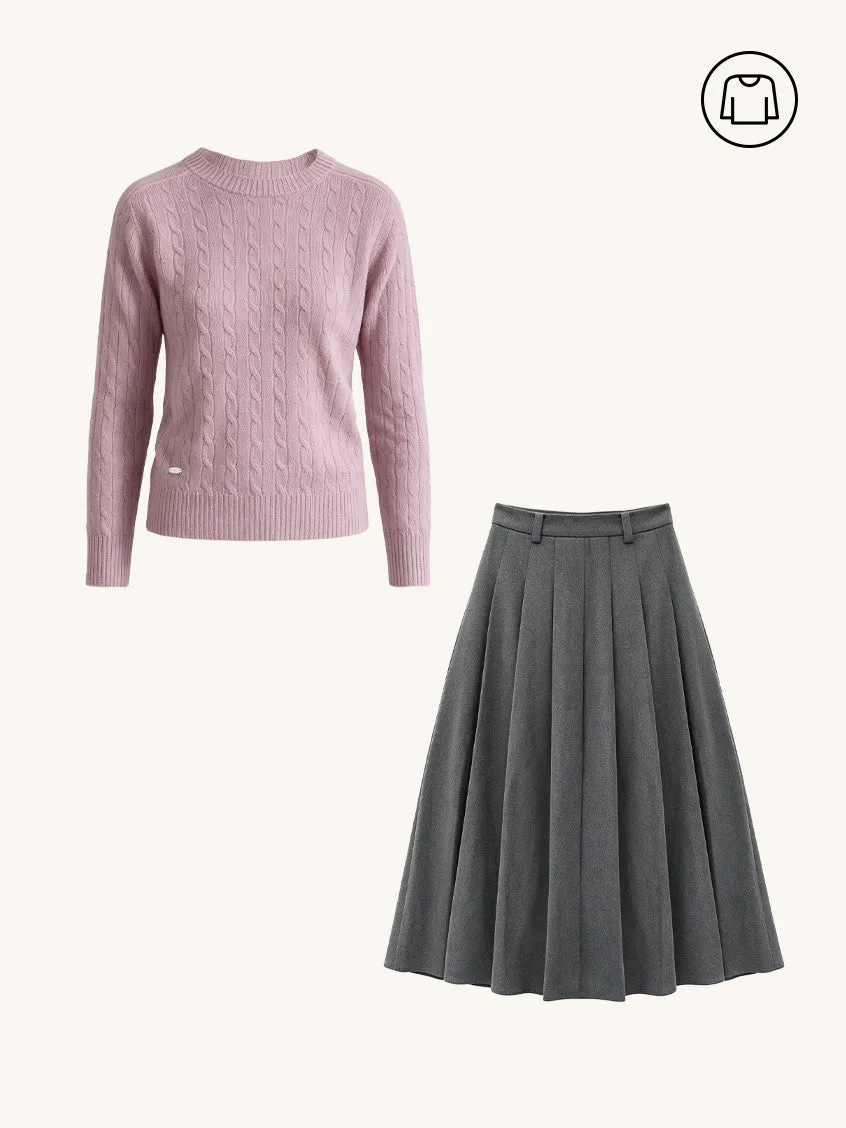
Full, gathered, or pleated midis channel a true vintage sensibility. These skirts need careful proportioning: keep tops fitted or cropped to avoid overwhelming the frame. Pairing a full midi with a boxy coat can work, but that’s a deliberate volume-on-volume look and not for everyone.
Hem placement: where the midi should hit
Midi skirts typically land somewhere between mid-calf and just above the ankle. The most flattering hem point is the narrowest part of the lower leg — usually just below mid-calf. For petite shoppers, a skirt that hits too low can shorten the leg line; a hem that sits slightly higher on the calf usually reads better. Taller women have more flexibility and can often wear longer hems without losing proportion.
Trade-offs: a mid-calf hem emphasizes vintage charm but requires attention to footwear and socks. Ankle-skimming hems feel contemporary and work well with boots. When merchandising wholesale, include photos of the same skirt on models of different heights so buyers can imagine how hem placement translates.
Shoe choices that elongate or ground the look
Footwear dramatically changes how a midi reads. Heels and wedges elongate the leg and are a safe bet for pencil or A-line midis. Mid-calf or ankle boots can anchor a skirt for cooler months, but be mindful of shaft height: boots that cut across the calf at its widest point can make the leg look shorter. Trade-off: boots add warmth and practicality but can visually shorten the leg if paired with a longer midi.
Flats and loafers suit a relaxed vintage vibe. If you choose flats, keep the bottom hem slightly higher so the ankle is visible; otherwise, the combination can appear frumpy. For a modern twist, sneakers can work with a midi but aim for slimmer sneakers or low-profile styles to keep the balance.
Top lengths and layering strategies
The top’s length is as important as the skirt’s. Tucked-in blouses or shirts instantly define the waist and keep proportions flattering with any skirt volume. Short jackets and boleros sit at the natural waist and preserve a long-leg silhouette. Long coats that fall below the midi hem require deliberate styling to avoid a boxy effect — add a belt or keep the coat open to show the skirt line.
For full midis, cropped sweaters or fitted tees reduce bulk. For pencil midis, boxier tops can create an interesting contrast, but balance through footwear and accessories. If layering with cardigans, consider one that hits between the waist and hip so it doesn’t add length under the skirt’s waistband.
Prints, stripes, and pattern scale
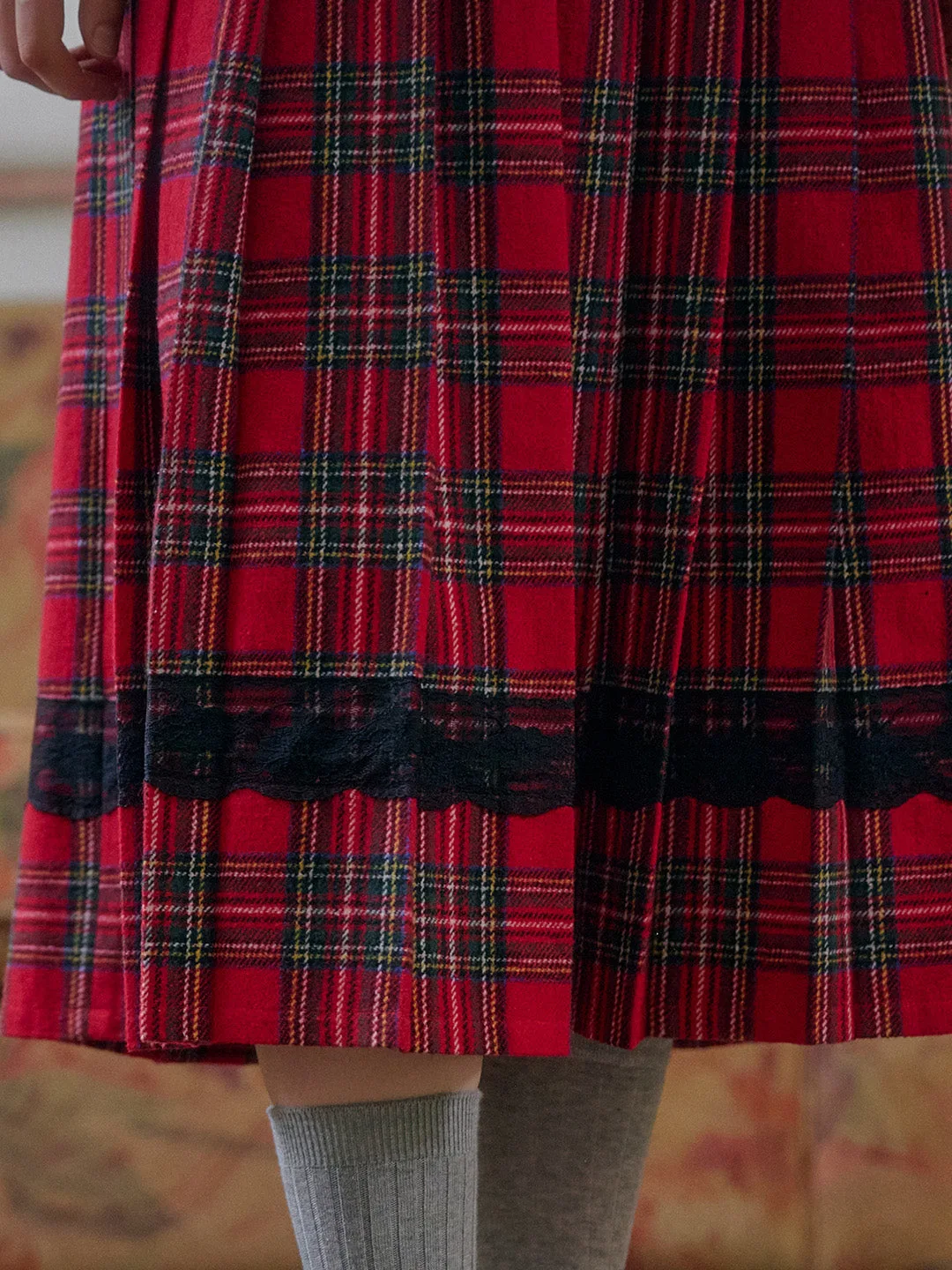
Pattern scale affects how the silhouette reads. Larger florals and bold checks emphasize the skirt’s presence; small ditsy prints read softer. Vertical stripes can lengthen the leg, while horizontal bands or very dense checks can visually widen the lower half. When pairing patterned midis with patterned tops, keep one pattern dominant and the other subdued to avoid visual clutter.
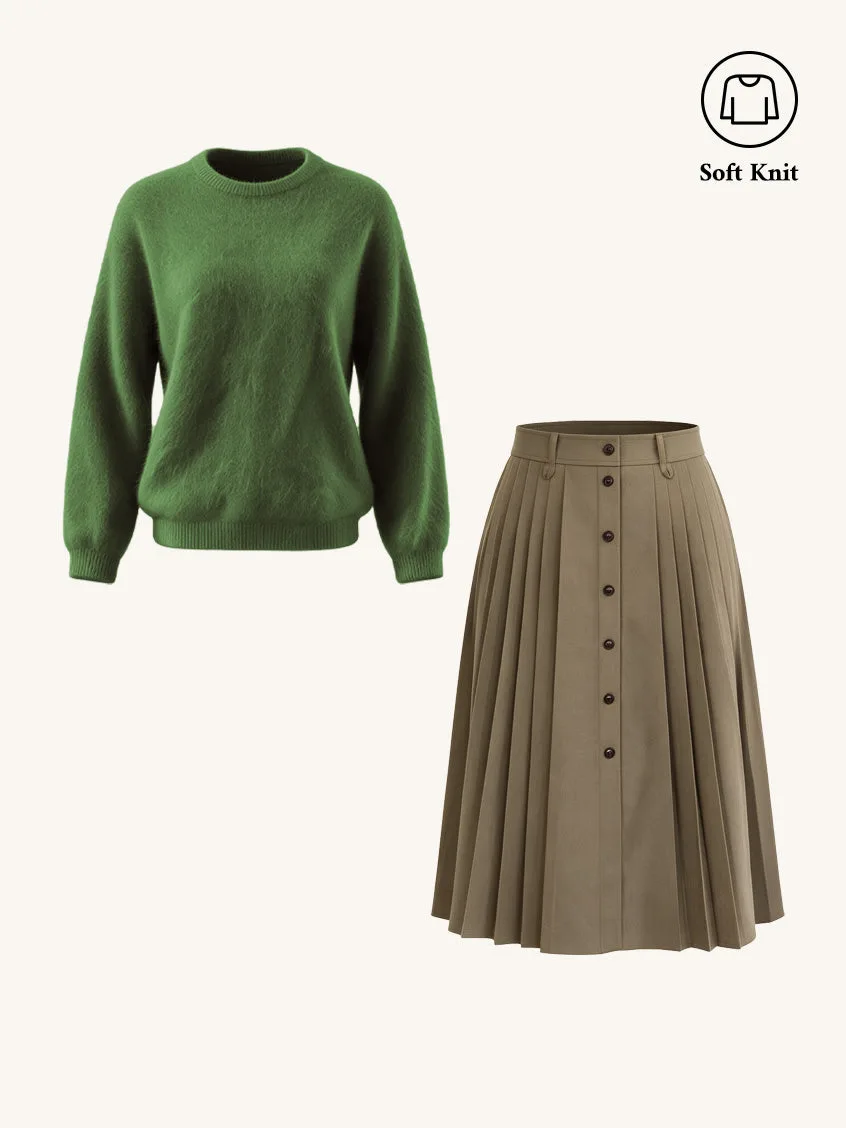
Example outfit: a 2Pcs Set Zosia 100% Cotton Dual-Pocket ShirtΖ Pocket Button Front-Slit A-Line Midi Skirt looks polished with a solid fitted sweater and ankle boots. If you offer this skirt wholesale, suggest coordinating solid knit tops in complementary shades to simplify customer choices and reduce returns due to busy mixing.
Fabric weight and drape matters
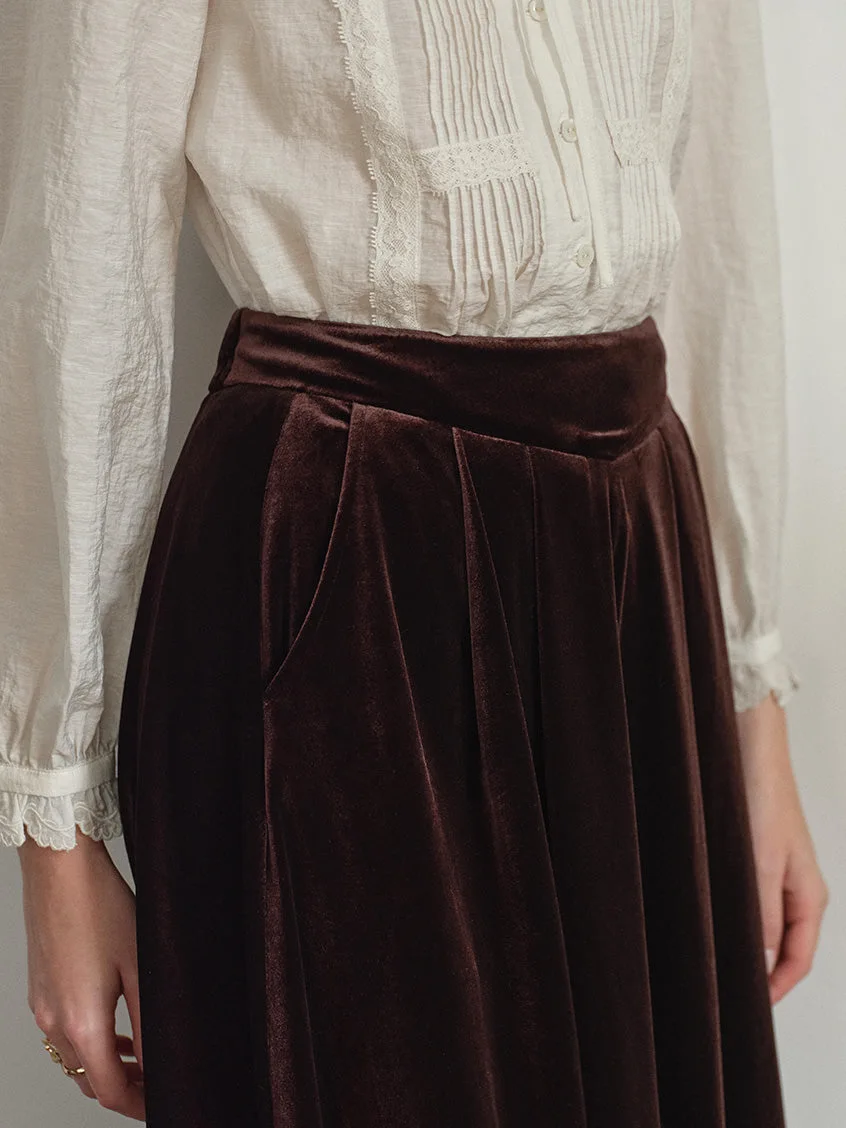
Stiff fabrics like corduroy or velveteen hold shape and suit A-line or full midis; they read vintage and structure well. Lightweight fabrics like rayon and silk create soft movement and suit pleated or gathered midis. Trade-off: heavy fabrics are warmer and more structured but can feel heavy for long periods, while light fabrics can cling and require more undergarments for smooth lines.
Practical note for buyers and customers: always check the sewn care label first for fabric care recommendations. For example, some velveteen or wool blends may require gentle cleaning methods specific to the item. Website orders and wholesale inquiries require written confirmation of availability, shipping, and payment terms — these are handled by email rather than instant checkout.
Accessories and belts to fine-tune proportions
A narrow belt at the natural or high waist can create an hourglass silhouette on straighter frames. Wide belts add emphasis and can read vintage, but they shorten the torso, so balance them against skirt length. Suspenders or decorative buttons at the waistband can also direct the eye and create focal points that change how the skirt’s length is perceived.
For retailers, offering optional matching belts or belt loops as add-ons increases styling flexibility for customers. This can be highlighted on product pages and in wholesale pack suggestions to help independent boutiques sell complete looks.
Styling for different body types with concrete examples
- Petite: Choose high-waist, slim pencil or A-line midis that hit just below mid-calf. Pair with low-ankle boots or heels to extend the leg line. Example: pair a high-waist plaid midi with a tucked lightweight tee and slingback flats.
- Hourglass: Embrace defined waists and pencil midis that skim the hips. Keep tops fitted or proportionate to avoid excess volume. Example: a fitted rib knit tucked into a mid-rise midi with a narrow belt.
- Apple: Aim for structured A-line midis with elasticized waists and tops that skim the body. Avoid clingy fabrics near the midsection. Example: A textured A-line midi with a longline cardigan worn open.
- Rectangle: Create curves with full or pleated midis and cinch at the waist with a belt. Pair with cropped jackets for added shape. Example: pleated midi, cropped denim jacket, and low boots.
Wholesale considerations for boutique buyers
If you’re an independent buyer, think about offering three core midi silhouettes — pencil, A-line, and full — across 2–3 rise options and a limited palette of prints and solids. This approach covers multiple customer needs without overcomplicating inventory. Trade-offs include higher SKUs if you try to cover all combinations, so prioritize best-selling fabrics and versatile colors.
Remember that wholesale pricing, minimums, and lead times are supplied on inquiry. Orders placed through the website are processed via email requests for availability, shipping, and payment terms and are not an instant paid checkout. Use product pairings in your shop displays to demonstrate proportion solutions (for instance, display a 2Pcs Set Zosia 100% Cotton Dual-Pocket ShirtΖ Pocket Button Front-Slit A-Line Midi Skirt with a cropped sweater and ankle boots).
Practical finishing tips and a few outfit ideas
When sewing or tailoring midis, small adjustments can make big differences: raising the hem by an inch or moving a waistband can change how the skirt balances with footwear. For everyday outfits, try these concrete combinations:
- Structured A-line midi + fitted mock-neck sweater + heeled ankle boots — smart for client meetings or weekend brunch.
- Pleated midi + tucked long-sleeve tee + loafers + narrow belt — comfortable, put-together, and office-friendly.
- Velveteen midi with simple blouse + cropped cardigan + Mary Janes — vintage-inspired and cozy for colder weather (see 2Pcs Set Zosia 100% Cotton Dual-Pocket ShirtΖ Pocket Button Front-Slit A-Line Midi Skirt in blue or brown for trouser alternatives that keep proportion balance in mind).
- High-waist plaid midi + fitted tee + blazer + pumps — a polished mix of modern and vintage (see 2Pcs Set Zosia 100% Cotton Dual-Pocket ShirtΖ Pocket Button Front-Slit A-Line Midi Skirt for reference).
For alternative bottoms, suggest wide-leg trousers to customers who like longer coverage but want a different proportion; see 2Pcs Set Janina Draped Collar Slim-Fit Ruched Top&Varvara 100% Cotton Irregular-Hem Plaid Midi Skirt. A velveteen pant like the 2Pcs Set Zosia 100% Cotton Dual-Pocket ShirtΖ Pocket Button Front-Slit A-Line Midi Skirt in blue or brown offers warmth and a structured line when skirts feel impractical for a season.
Conclusion: deliberate choices over rigid rules
Balancing midi skirt proportions comes down to making deliberate choices about waist height, volume, hem placement, shoes, and accessories. Each decision has trade-offs — comfort versus form, warmth versus drape, versatility versus specificity. For shoppers, try a few core silhouettes to see what feels best day-to-day. For boutique buyers, curate a small set of complementary midis and provide styling suggestions to help customers visualize proportion solutions. For product questions, wholesale inquiries, or to place an order, contact us by email so availability, shipping, and payment terms can be confirmed in writing.
Related pages and recommended items:
- Explore bottoms
- Full collection
- Wholesale information
- Size guide
- Contact us
- 2Pcs Set Zosia 100% Cotton Dual-Pocket ShirtΖ Pocket Button Front-Slit A-Line Midi Skirt (blue)
- 2Pcs Set Zosia 100% Cotton Dual-Pocket ShirtΖ Pocket Button Front-Slit A-Line Midi Skirt (brown)
- 2Pcs Set Janina Draped Collar Slim-Fit Ruched Top&Varvara 100% Cotton Irregular-Hem Plaid Midi Skirt
- 2Pcs Set Zosia 100% Cotton Dual-Pocket ShirtΖ Pocket Button Front-Slit A-Line Midi Skirt
Explore the pieces behind the ideas
Browse our skirts & bottoms for full product photographs and listed specifications. Ask our team for fit and availability, or visit wholesale partnerships if you’re buying for a boutique.