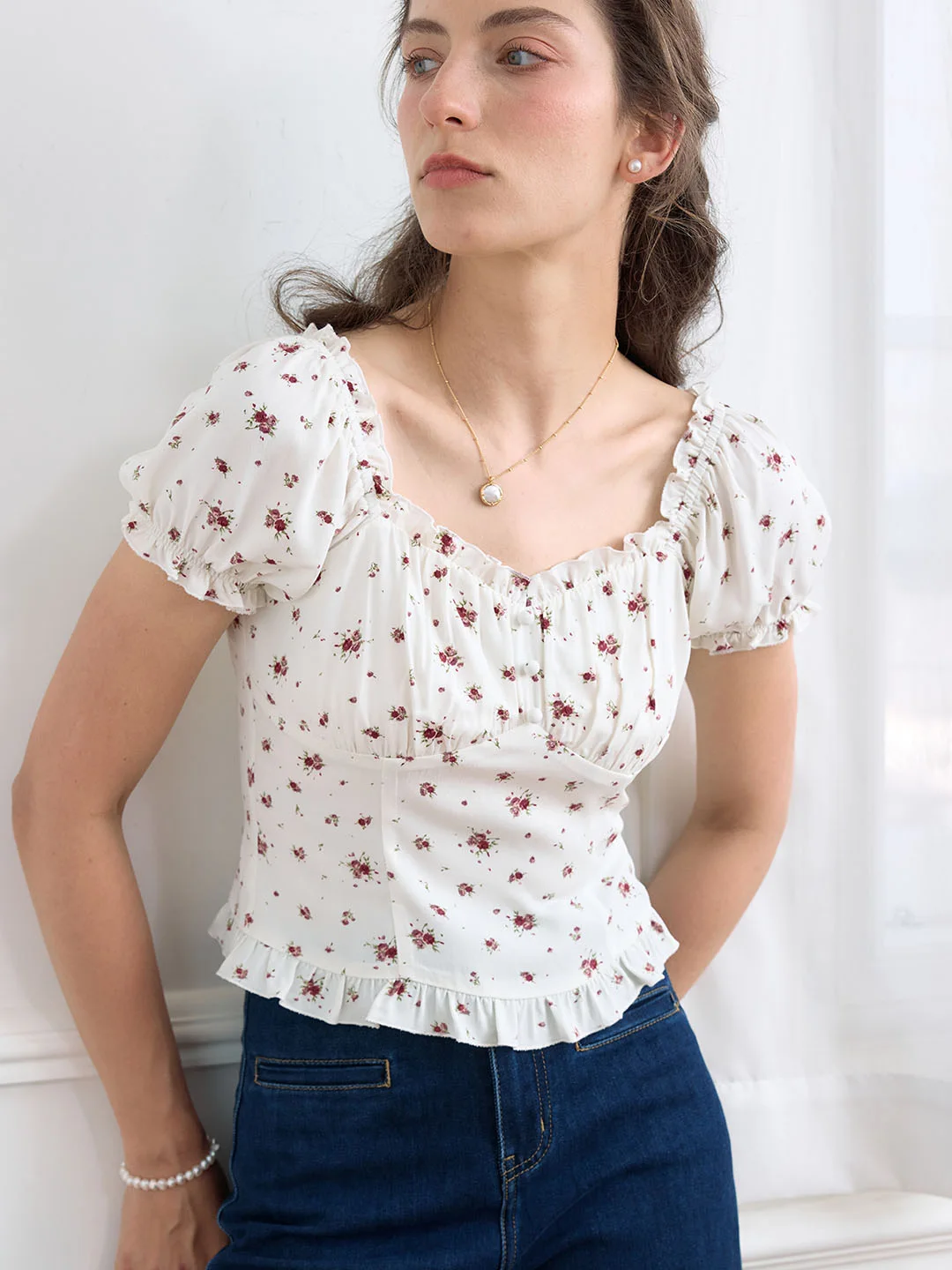
Fashion at Rustic Cottage leans toward quiet, vintage-inspired pieces that work for everyday life. The impulse to chase every new trend makes closets chaotic and decision-heavy; organizing wardrobe outfits instead of individual items solves that. This editorial lays out practical steps—from deciding outfit anchors and building repeatable formulas to storage techniques and wholesale considerations—so you can open your closet and reach for an outfit that actually works, not just a fragment of a fleeting trend.
Start with outfit anchors, not individual garments
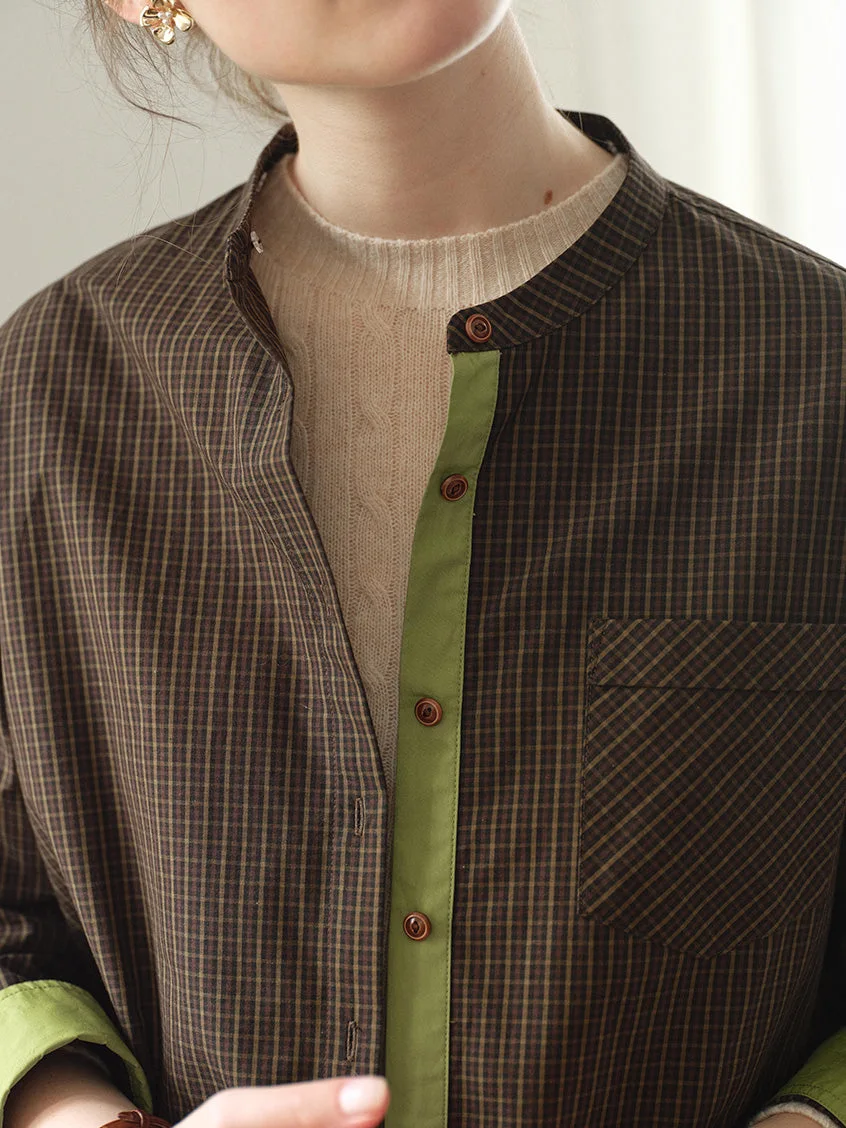
Anchors are the few dependable items you build most outfits around: a classic top, a reliable skirt or pair of trousers, and a comfortable outer layer. For many Rustic Cottage customers, anchors might include a structured cotton shirt, a mid-length skirt in a neutral print, and a knit layer for chillier mornings. For example, two anchors could be the Hesper 100% Cotton Contrast-Cuff Velveteen Shirt in green and the Madeleine V-Neck Faux Layered Wool Top. Anchors provide a base you can accessorize or tweak as seasons and moods change.
Trade-off: committing to anchors reduces impulse purchases but may feel restrictive at first. If you love variety, keep one small shelf for experimental pieces that must pair with at least two anchors before they stay in the closet.
Create outfit formulas you can repeat
Outfit formulas are simple recipes: Top + Bottom + Layer + Shoe + Accessory. Keep 6–10 ready-to-wear formulas that suit your daily life. Examples:
- Casual errands: soft cotton shirt + straight midi denim skirt + canvas sneakers + small leather crossbody.
- Office casual: tailored velveteen shirt (try Hesper in retro red) + wool trousers + low-heel ankle boots + slim belt.
- Layered cool-warm: lightweight blouse + faux-layered wool top + pleated skirt + loafers + knit scarf.
Trade-off: formulas speed decisions but can become monotonous. Rotate accessories, prints, and shoe types to preserve freshness without dismantling your core system.
Group clothes by outfits, not by category
Instead of a drawer for all blouses, create hanging or shelving zones labeled by outfit purpose: Errands, Office/Wholesale Meetings, Weekend, Events. Place full outfits together: a blouse with the skirt and shoes it pairs with. That way you literally grab an outfit rather than assembling one from disparate corners of the closet.
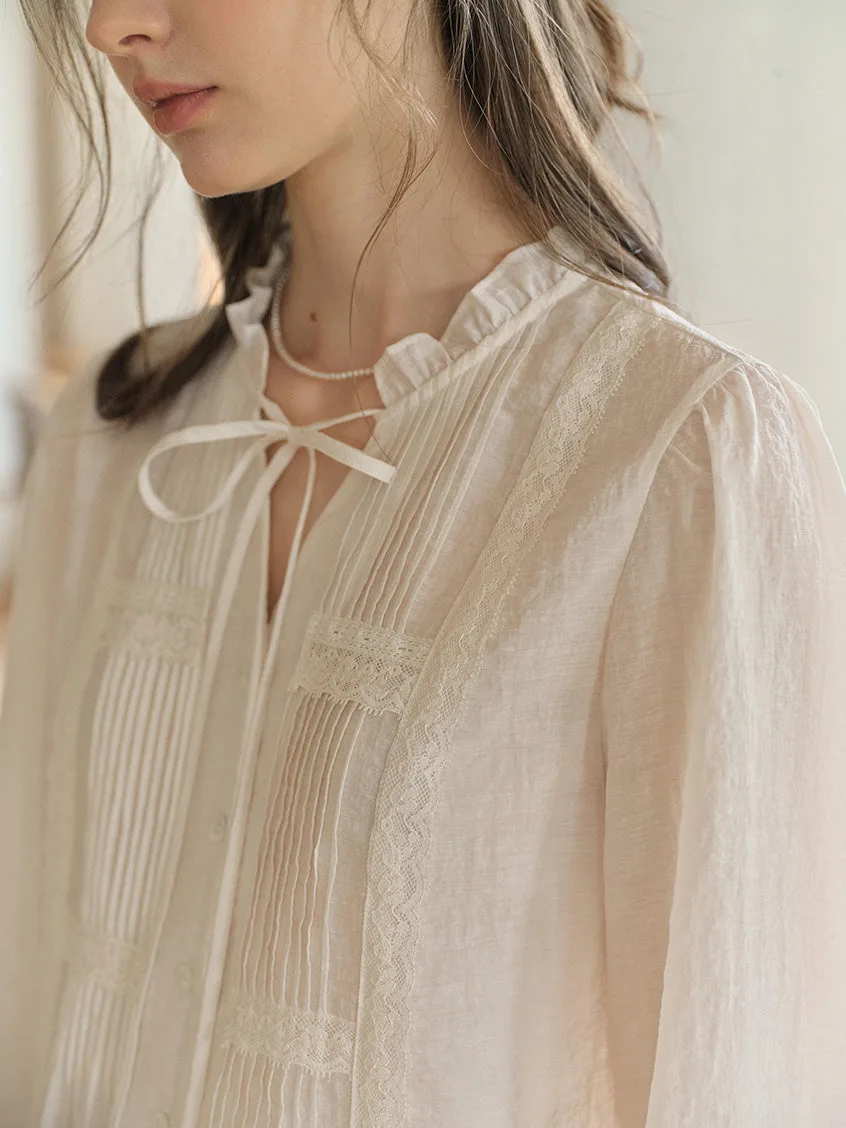
Concrete example: Hang the Octavia Mock Neck Hollow Lace Patchwork Puff Sleeve Blouse next to a coordinating A-line skirt and a pair of ankle boots on the shelf beneath. Keep a matching necklace or scarf in the hanger pocket. This reduces time spent mixing and increases outfit reliability.
Use visual cues to simplify choices
Color-block a rail or shelf so that outfits are visually grouped. For example, dedicate one rail to neutrals (ivory, tan, navy), another to green/red accents and prints. Visual grouping helps you stay within a palette that works with your anchors, making it easier to mix pieces without full trials.
Trade-off: strict color zoning can hide pieces that would otherwise surprise you. Periodically rotate a ‘wildcard’ rail with one or two bold hues to reintroduce variety.
Quality over quantity—edit with outfit outcomes
When purging, ask: “How many outfits does this item create?” If a blouse pairs with only one skirt or two shoes, it’s less valuable than a top that creates five outfits. Prioritize pieces that expand outfit permutations with minimal storage space. This practice keeps your wardrobe functional instead of merely fashionable.
Business note for boutique buyers: when selecting assortment for a shop, favor items with high outfit versatility. A blouse that can be styled for errands, office, and weekend builds stronger sales across customer wardrobes than an extreme trend piece.
Build capsules for seasons and customer needs
Create small seasonal capsules—6–12 outfits built from 12–18 garments—that reflect your climate and lifestyle. For US customers, consider a cool-season capsule with midweight layers and a warm-season capsule with lightweight cotton and breathable knits. For wholesale buyers, assemble suggested capsule bundles customers can buy as trunk-show sets; include suggested outfit pairings and styling cards so retailers can show complete looks on the shop floor.
Example capsule: three tops (one velveteen shirt, one lace blouse, one tee), two skirts, two trousers, one knit, one jacket, and two pairs of shoes. That configuration yields more than a dozen reliable outfits without overwhelmed inventory.
Care and maintenance aligned to outfit longevity
Proper garment care keeps outfit anchors wearable longer. Always check the sewn care label first—don’t rely on blanket washing rules. For delicate lace or structured velveteen, follow the label and air-dry when recommended. Steam or press pieces that need a crisp silhouette before setting them together as a ready-to-wear outfit set on a dedicated rack. If an item has special care that conflicts with your lifestyle (dry clean only but you prefer low-maintenance), either accept the upkeep or replace it with a similar piece that fits your routine.
Trade-off: high-maintenance fabrics may look appealing but require more upkeep to sustain outfit-ready status. If you sell pieces wholesale, clearly communicate care expectations to buyers in writing to reduce returns and complaints.
Retail and wholesale display: show complete outfits
If you run or buy for a boutique, present outfits as the product. Mannequins and shop windows should show full ensembles—shirt, bottom, outer layer, hosiery, shoes, and accessory—so customers see how pieces work together in real life. For example, display the Hesper velveteen shirt with a mid-length skirt and ankle boots, and include a styling card that lists each item and available sizes.
Wholesale tip: when buyers inquire, provide outfit suggestions along with pricing. Website orders are processed by email requests where availability, shipping, and payment terms are confirmed in writing—make sure the outfit components are itemized so retailers know exactly what they’ll receive and how to style it on their floor. Information on wholesale terms and how to apply is available at our wholesale page; specific minimums and lead times are supplied on inquiry.
Plan for repair and replacement
Outfit longevity is not just about styling but also about repair. Keep a tiny repair kit for quick fixes—matching thread, small buttons, a basic hem tape. When an anchor requires professional repair, schedule it immediately; delaying removal creates gaps in your outfit formulas. As a merchant, offer simple in-store repair or trusted local services to customers; it’s a value-add for buyers looking for longevity in their wardrobe purchases.
Trade-off: repairs cost time and sometimes money, but they sustain the outfit system and reduce wasteful repurchasing.
Conclusion: build a wardrobe that supports daily life
Organizing wardrobe outfits rather than chasing trends reduces decision fatigue and creates clothes that work together reliably. Start with anchors, craft repeatable formulas, group garments by outfit, and use visual cues to keep choices clear. For boutique operators and wholesale buyers, present full outfits and document care and wholesale terms in writing so customers and retailers can buy with confidence. If you want a practical place to begin, experiment with one capsule of 12–18 pieces and create six go-to outfit formulas. Over time, your closet will become less of a storage space and more of a reliable dressing system that fits how you live.
For specific product pairings, consider the Hesper velveteen shirts in green or retro red, the Madeleine V-Neck Faux Layered Wool Top, and the Octavia lace blouse as versatile building blocks. If you have questions about sizing, check our size guide. For wholesale inquiries or to request availability, pricing, and lead times in writing, reach out via our contact page. Orders placed through the website are fulfilled by email request with availability, shipping, and payment terms confirmed in writing.
Explore the pieces behind the ideas
Browse our blouses & tops for full product photographs and listed specifications. Ask our team for fit and availability, or visit wholesale partnerships if you’re buying for a boutique.