You’re getting dressed for an ordinary day, and your blouse looks fine in the mirror—until you reach for a mug or sit down. A narrow opening appears between two buttons, right where you would rather not keep checking it. That gap can be frustrating, but it is not a verdict on your body. Button placement, the shirt’s cut, and the room built into the shoulders and bust all affect how the front lies. Before reaching for a pin or deciding the blouse is unwearable, find out when the gap appears and what changes when you move. A few practical checks can help you choose between a different size, a different style, or a temporary layer.
Start by noticing when the gap appears
Stand naturally in front of a mirror with the blouse buttoned as intended. Notice whether the opening is present while you are still, or develops only when you move, sit, or reach forward. A gap that stays open at rest can suggest the blouse is too snug across that area, or that the spacing and placement of the buttons do not suit the way the garment falls on you. If it appears only during movement, the blouse may have enough room to stand comfortably but not enough for your usual range of motion.
Also check whether one button is carrying most of the pull. That can point to a local fit issue rather than a need to size up in every direction. Avoid judging the blouse by a single pose: bodies and fabric shift through the day. The goal is to identify the conditions that cause the opening so your next step addresses the cause, rather than simply hiding the symptom.
Check bust, shoulders, and movement together
Try a short fit exercise in the blouse you are assessing. Button it from the bottom upward, smoothing the fabric without tugging it tight. Stand with your arms relaxed, then reach forward as if taking something from a shelf, cross your arms gently, and sit as you would at a table. Watch the buttons and the seams at the shoulders. If the front pulls while the shoulder seams also feel restrictive or shift noticeably, the blouse may lack room through more than one area. If the shoulders feel comfortable but a single spot opens, the issue may be more localized.
Do not force an exaggerated reach or treat a little fabric movement as failure. Clothing needs to move with you, and a woven blouse will not behave like a stretchy top. This check is useful because it tests the garment against actions you actually do. It cannot predict every movement or substitute for trying the blouse with the layers you normally wear.
Compare sizes without assuming bigger is better
If the blouse pulls across the front while the shoulders, sleeves, and overall length feel comfortable, trying the next size may provide needed room. But a larger size can also broaden the shoulders, lengthen the sleeves, or change how the collar sits. If those areas already feel loose, sizing up may trade one fit concern for several others. Compare the garment’s posted measurements with a blouse you own that feels comfortable; the size guide can help you understand the measurements available for comparison. Allow for measurement variation where noted.
When shopping online, think about the fit you want rather than treating a size label as universal. A close, crisp button-up may need a different amount of ease than a relaxed blouse intended for an untucked look. If the measurement details do not answer your question, contact the shop before ordering. An email purchase request is not the same as an instant paid checkout, so clarify details before deciding.
Consider a different cut or button arrangement
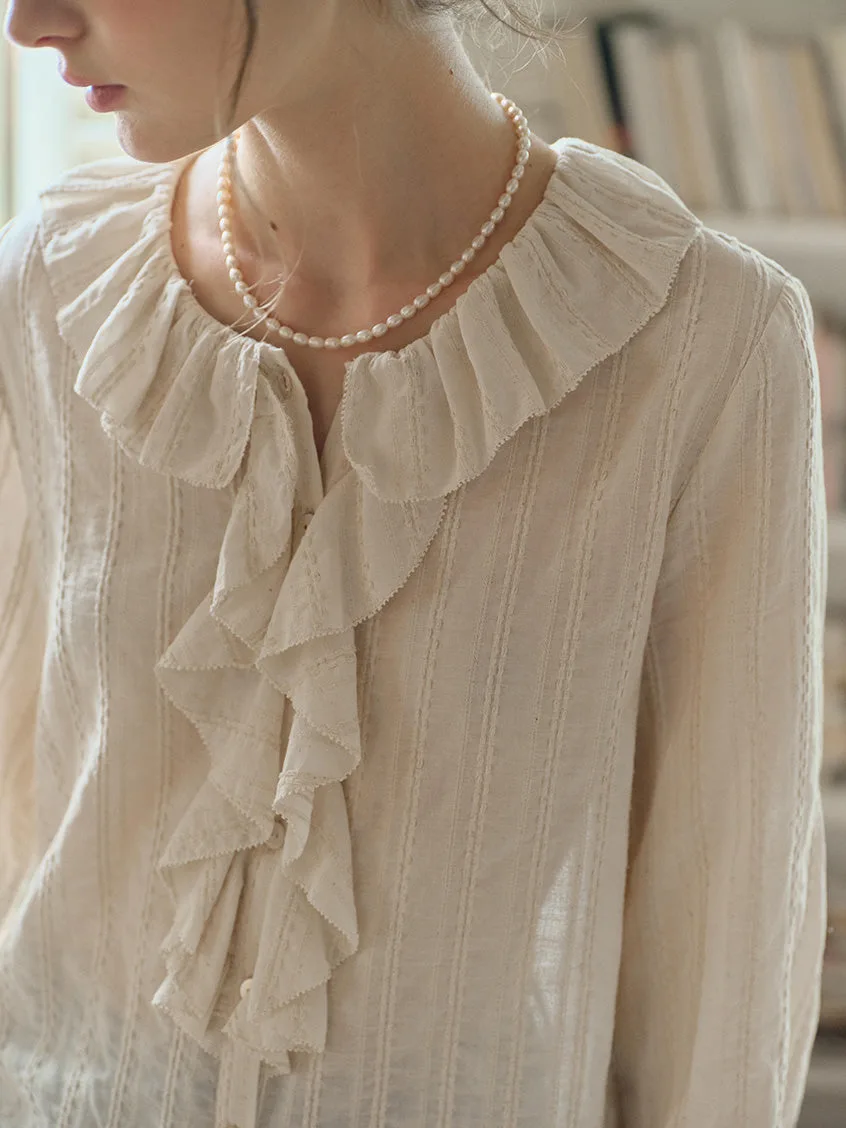
Sometimes the most useful change is not another size but another style. A blouse with a different front, neckline, or overall shape may sit more comfortably on your frame. For example, the Carla 100% Cotton French Button-Up Blouse is described as having a ruffle collar and French button detail. Those details may appeal if you want a softer-looking front, but the listing alone does not establish that it will prevent gaping; check its measurements and evaluate the fit on your body. If you want to browse other options, the tops collection is a place to compare styles.
Pay attention to where the buttons sit relative to the area that pulls, and whether the blouse’s shape gives you the look and ease you prefer. Another style is not automatically a better fit, and product descriptions cannot replace a movement check. Treat each option as something to assess, not a guaranteed fix.
Use a reversible layer when you want to keep the blouse
If the blouse feels comfortable overall and the opening is small or occasional, a discreet underlayer can be a practical, reversible choice. A camisole, fitted tank, or simple top beneath it adds coverage without changing the garment. Choose a layer that lies smoothly under the fabric and works with the neckline; a high neck may show above an open collar, while a low neckline may leave the gap uncovered. A similar color can blend in, while a contrasting one can look intentional if you want it visible.
This approach works best when you like the blouse and the gap does not signal significant pulling. It may not feel comfortable in warm weather, and extra fabric can bunch beneath a close-fitting shirt. You can also leave the top one or two buttons open with a suitable layer underneath, provided the remaining buttons lie without strain. If the blouse still feels tight or keeps shifting, layering is covering the issue rather than resolving the fit.
Choose a low-risk fix, then retest it
For a blouse you already own, a removable clothing-safe fashion tape strip or a small pin placed on the inside may hold a minor opening temporarily. Test any adhesive or pin placement discreetly and carefully, and make sure it does not irritate your skin, snag the fabric, or show through. These are short-term styling aids, not repairs; they can loosen or shift as you move. If you need a lasting alteration, ask a qualified alterations professional whether the garment’s construction can be adjusted. Button placement changes or added closures may be possible in some cases, but results depend on the blouse and should not be assumed.
Before wearing the solution out, repeat the standing, reaching, and sitting check. If you are shopping for another option, use the same test when it arrives and follow the garment’s sewn care label. A blouse should feel wearable through ordinary movement, not require constant monitoring. When the fit remains uncomfortable, choosing a different cut is a reasonable outcome—not a failure to make the original one work.
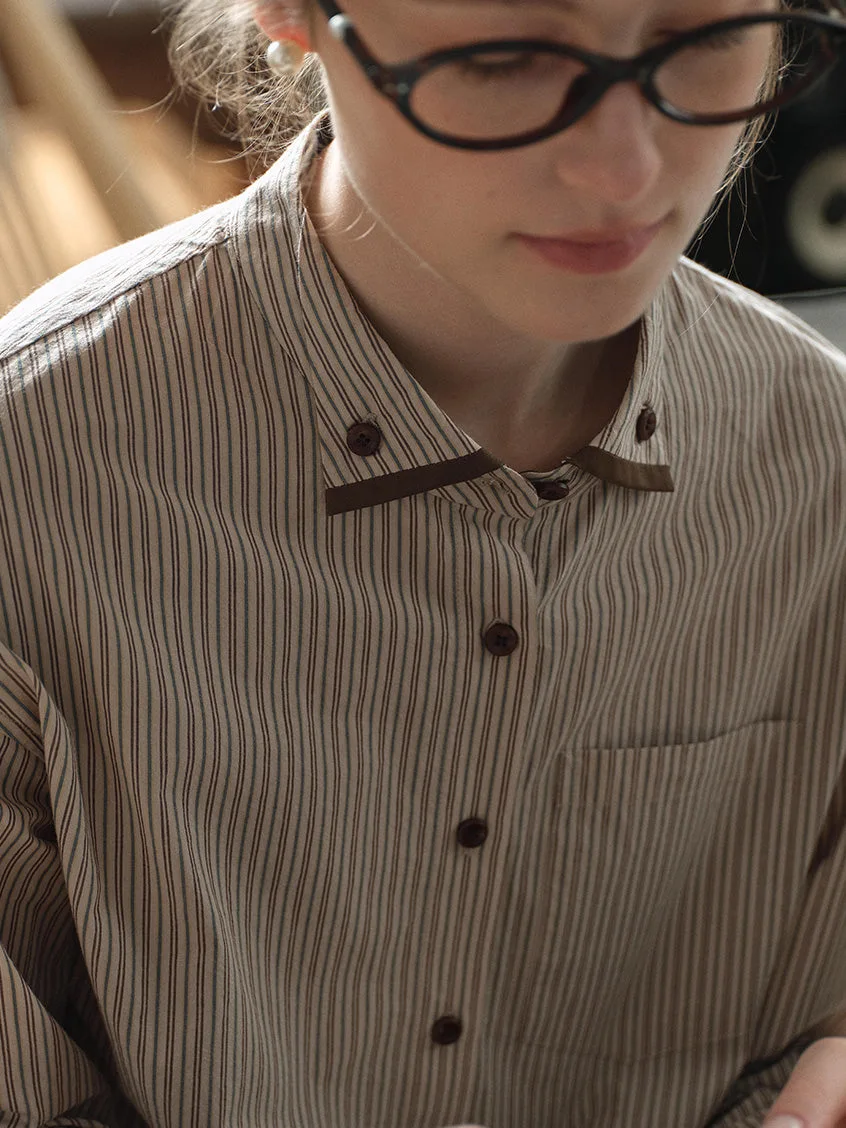
Explore the pieces behind the ideas
Browse our blouses & tops for full product photographs and listed specifications. Ask our team for fit and availability, or visit wholesale partnerships if you’re buying for a boutique.