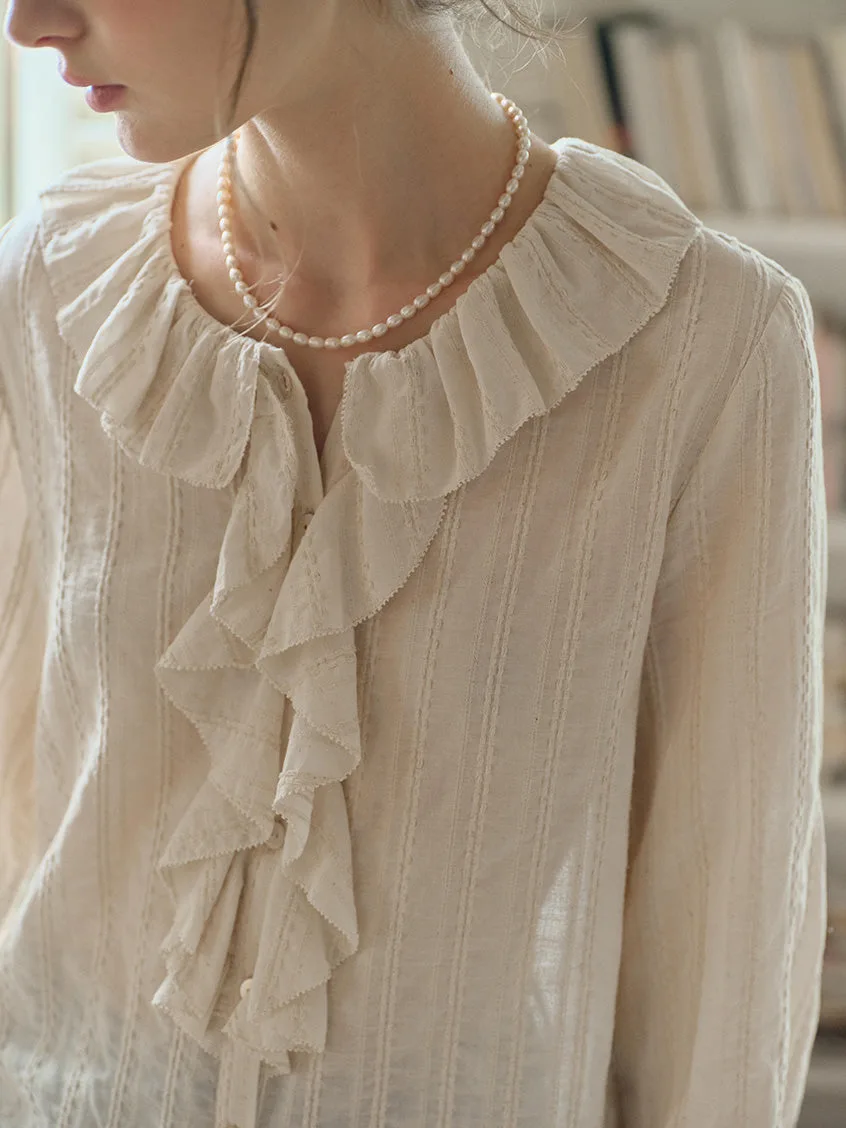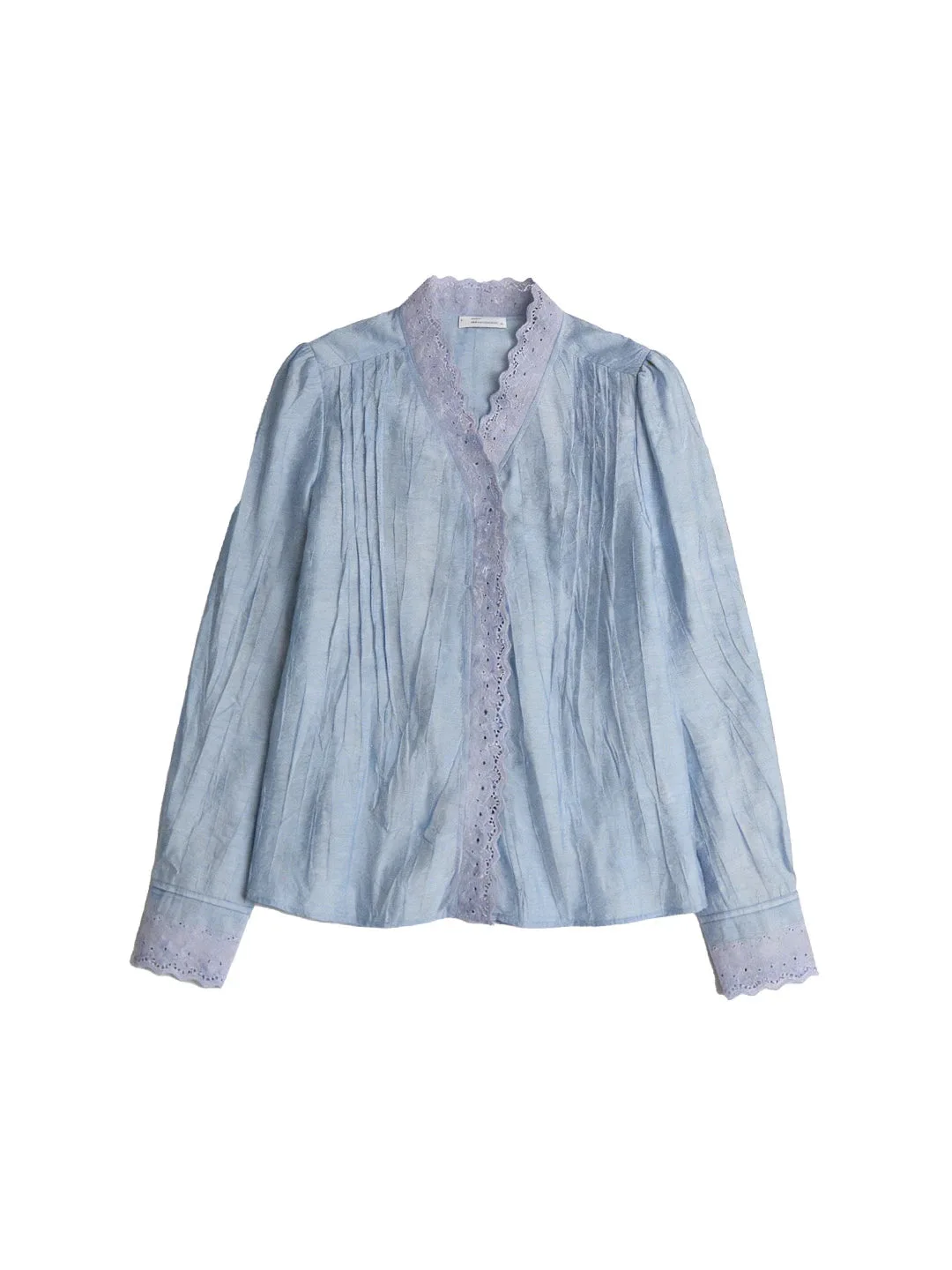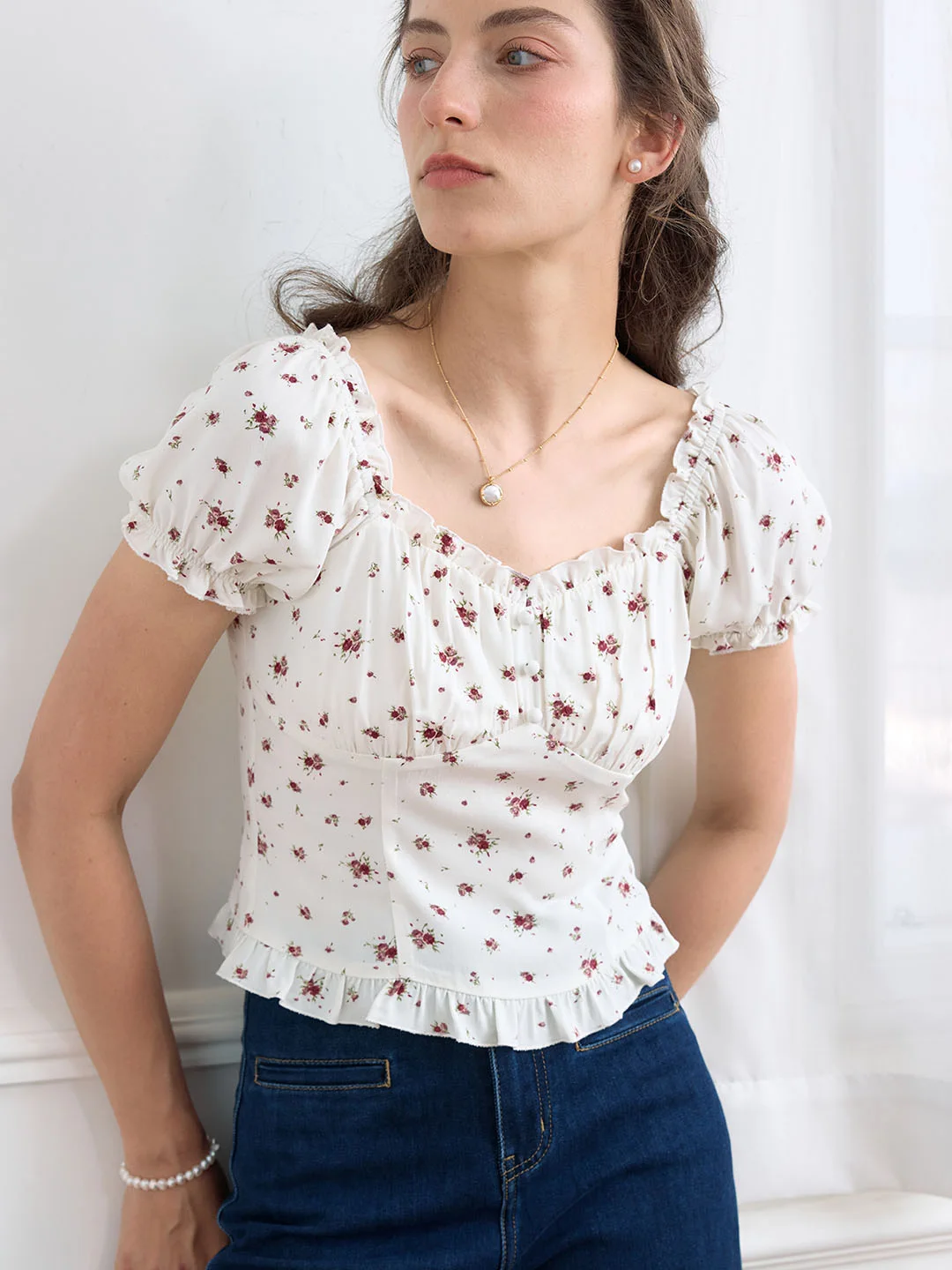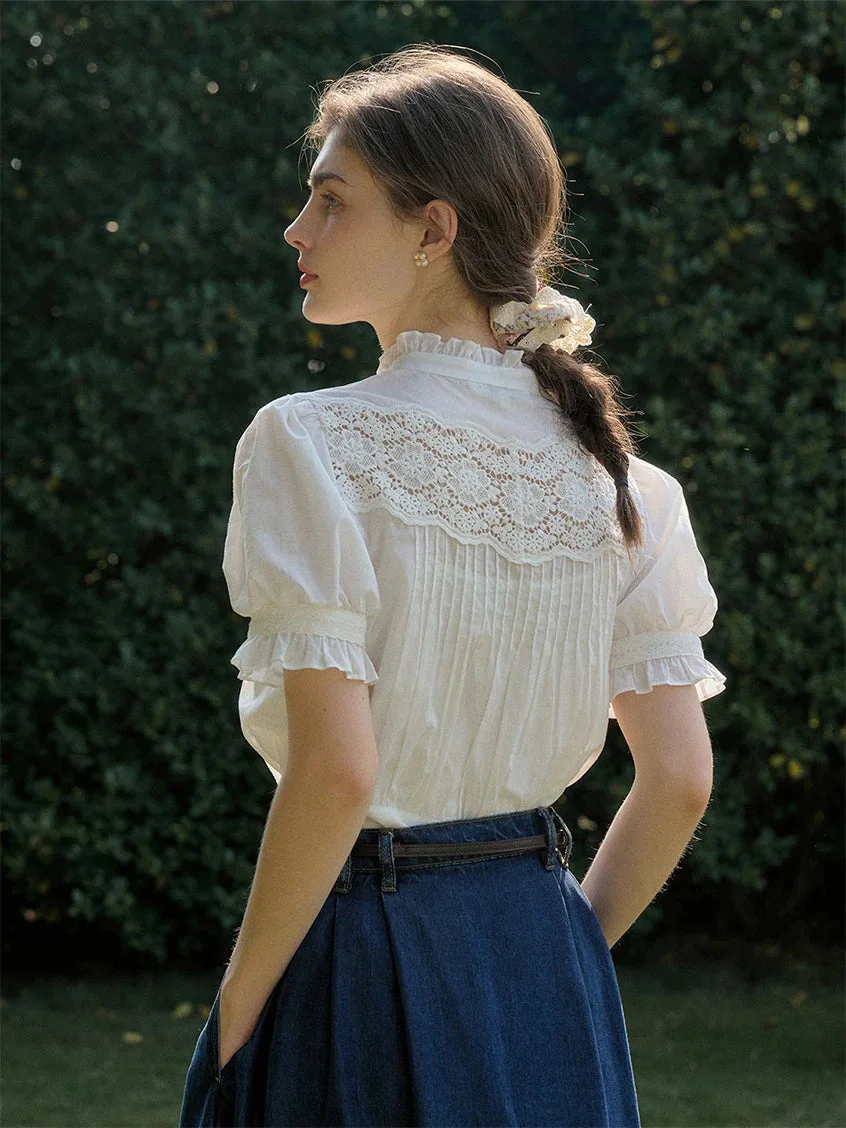
You are getting dressed for a workday when your cream blouse looks completely opaque in the bedroom mirror. At the front door, daylight catches it differently, and you start wondering whether your bra shows through. Rather than guessing from the hanger or adding the first layer you find, check the blouse in the conditions you will actually wear it. A camisole may be enough; a slip may make more sense if the blouse is long and you want coverage below the waist. Neither is automatically right for every fabric, color or setting. The useful question is where the blouse looks transparent, how it moves, and what coverage feels comfortable to you.
Check transparency in real light and in motion
Start with the blouse on, over the undergarment you would normally wear. Stand near a bright window, then turn so the light falls from behind you rather than directly onto the front. If possible, check under the indoor lighting at your office or usual destination too. Notice specific areas: the front, back, sleeves, and any openwork or loosely woven sections. A blouse may need an extra layer in one area but not another.
Next, move naturally. Reach forward, lift your arms, sit, and bend as you would during an ordinary day. Fabric can pull taut or shift, changing what is visible. This is a practical check, not a pass-or-fail test: decide what coverage you want in those moments. A layer that works while standing still may ride up or show at the neckline when you move.
Choose a camisole for focused, lightweight coverage
A smooth camisole is often the straightforward choice when transparency is concentrated over the torso. Its relatively simple shape can sit beneath a blouse without adding a second skirt-like layer, and a neckline that stays below the blouse’s neckline is less likely to peek out. Choose a color that blends with your skin or with the blouse, depending on the effect you prefer. A contrasting camisole can be a deliberate styling choice, but it can also become more noticeable through pale fabric.
Consider where the camisole ends and whether its hem or seams show through. A fitted option may lie neatly beneath a relaxed blouse, but if it feels restrictive or clings in a way you dislike, try a different cut or fabric. A camisole is less useful when you want coverage over the hips and upper legs, or when its straps and neckline keep appearing as the blouse shifts.
Consider a slip when you want coverage below the blouse
A slip can offer a longer layer than a camisole, which may help when a blouse is worn untucked over a skirt or trousers and the lower portion also looks transparent. It can create a more continuous layer from torso toward the hips or thighs, depending on the slip’s length and how it sits. That extra coverage can feel reassuring for commuting, sitting near a bright window, or wearing a blouse that moves away from the body.
The trade-off is added fabric. A slip may bunch beneath a tucked blouse, show below a shorter hem, or feel too warm for your plans. Check that its neckline works with the blouse, and make sure the hem remains where you want it when you sit and walk. If only the blouse’s upper front needs coverage, a full-length layer may be more than you need.
Match straps and neckline to the blouse
Look at the blouse’s neckline before choosing a layer. A high-neck blouse may conceal a camisole with a higher front, while a V-neck or open collar may call for a lower-cut layer that stays out of sight. With a mock neck, test whether any camisole neckline creates an unwanted line near the collar. For lace or openwork details, decide whether you want a layer to blend behind the detail or make a subtle contrast; either can change how the blouse reads.
Straps deserve the same attention. Adjust them so they sit securely under the blouse rather than slipping into view with each reach. If the blouse has a wide neckline, a standard camisole strap may show; a different strap placement or an intentional visible layer may work better. If you cannot keep the layer hidden comfortably, showing it on purpose is often neater than repeatedly tugging at it.
Make comfort part of the decision
Coverage only helps if you can wear the combination comfortably. Try the blouse and underlayer together for a few minutes: sit, stand, walk, and reach. Check whether the underlayer twists, clings, bunches at the waist, or feels too warm. Look for visible edges under the blouse and notice whether the layer restricts your preferred movement. If you are sensitive to seams or certain fabrics, use an underlayer you already know you can tolerate rather than assuming a particular fiber will feel comfortable.
Pay attention to how the full outfit works with your bottom layer, too. A camisole tucked into a skirt may stay in place, while an untucked one could ride up. A slip might move smoothly under a skirt but add bulk beneath trousers. There is no universal best option: the useful choice is the one that stays put, gives the coverage you want, and feels manageable through your actual day.
Use workplace expectations as a separate check
A blouse can pass your personal transparency check and still not fit a workplace’s dress expectations. If you are dressing for work, consider the setting and any written dress code. Some workplaces may expect undergarments to remain concealed; others may allow a visible camisole as part of an outfit. When the policy is specific, follow it rather than relying on a general styling rule. For an uncertain situation, a camisole that stays below the neckline and blends with the blouse is often a quieter choice.
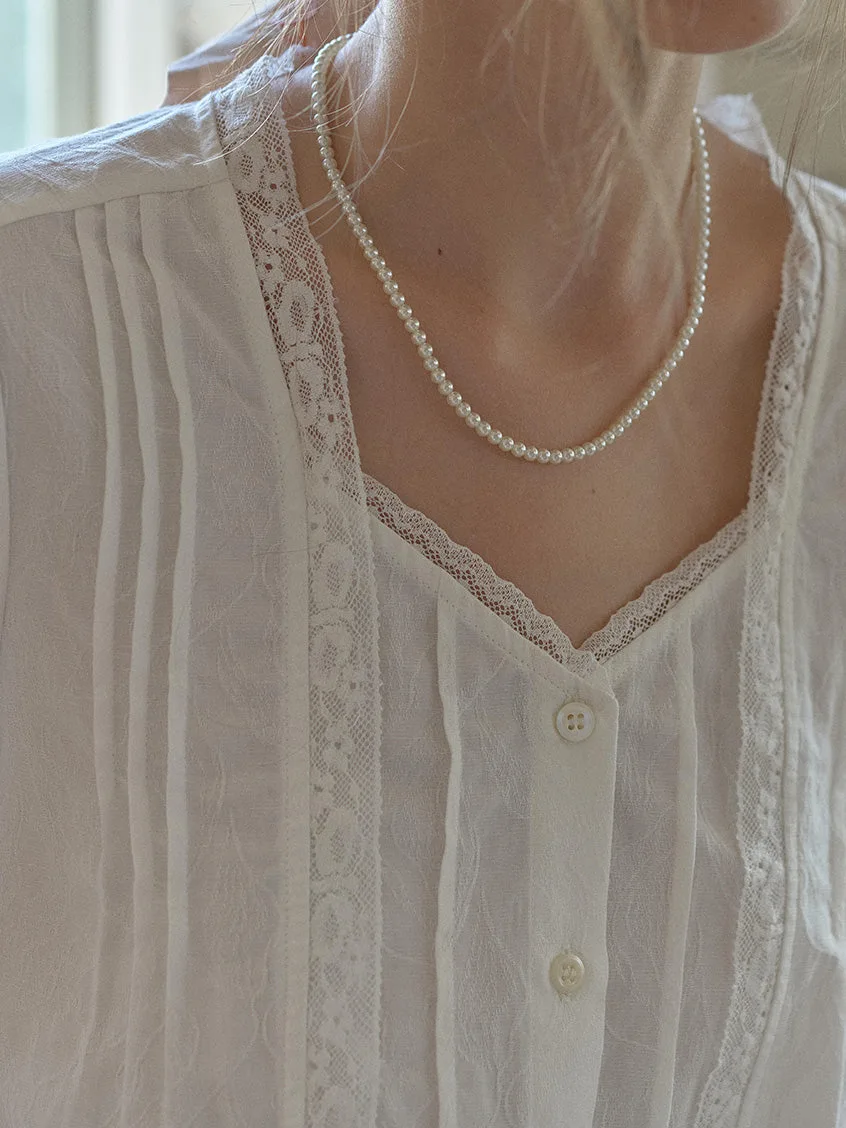
When browsing tops, remember that product details do not establish how a blouse will look in every room or on every wearer. For example, the catalog describes the Juniper French Lace Embroidered Blouse as creamy-white with a V-neck and French lace detail. Those details make neckline and light checks relevant, but do not by themselves tell you how much coverage you will want underneath.
Do a three-minute outfit check before you go
Put on the finished outfit and check it once in the brightest available light, then again under ordinary indoor lighting. Turn around, raise your arms, reach forward, and sit. Ask three practical questions: Is any area more visible than I want? Does the layer stay put without constant adjustment? Does it meet the expectations of where I am going? If the answer to the first question is yes, try changing the layer’s color, neckline, or length before deciding the blouse cannot work.
For a blouse that only needs torso coverage, start with a camisole; choose a slip when you want a longer layer and its extra fabric feels comfortable. If a strap or neckline keeps showing, either adjust the underlayer or treat it as a deliberate part of the outfit. For product-specific questions, use the site’s contact page. The best final check is the one that lets you move through your day without having to think about your underlayer.
Explore the pieces behind the ideas
Browse our blouses & tops for full product photographs and listed specifications. Ask our team for fit and availability, or visit wholesale partnerships if you’re buying for a boutique.