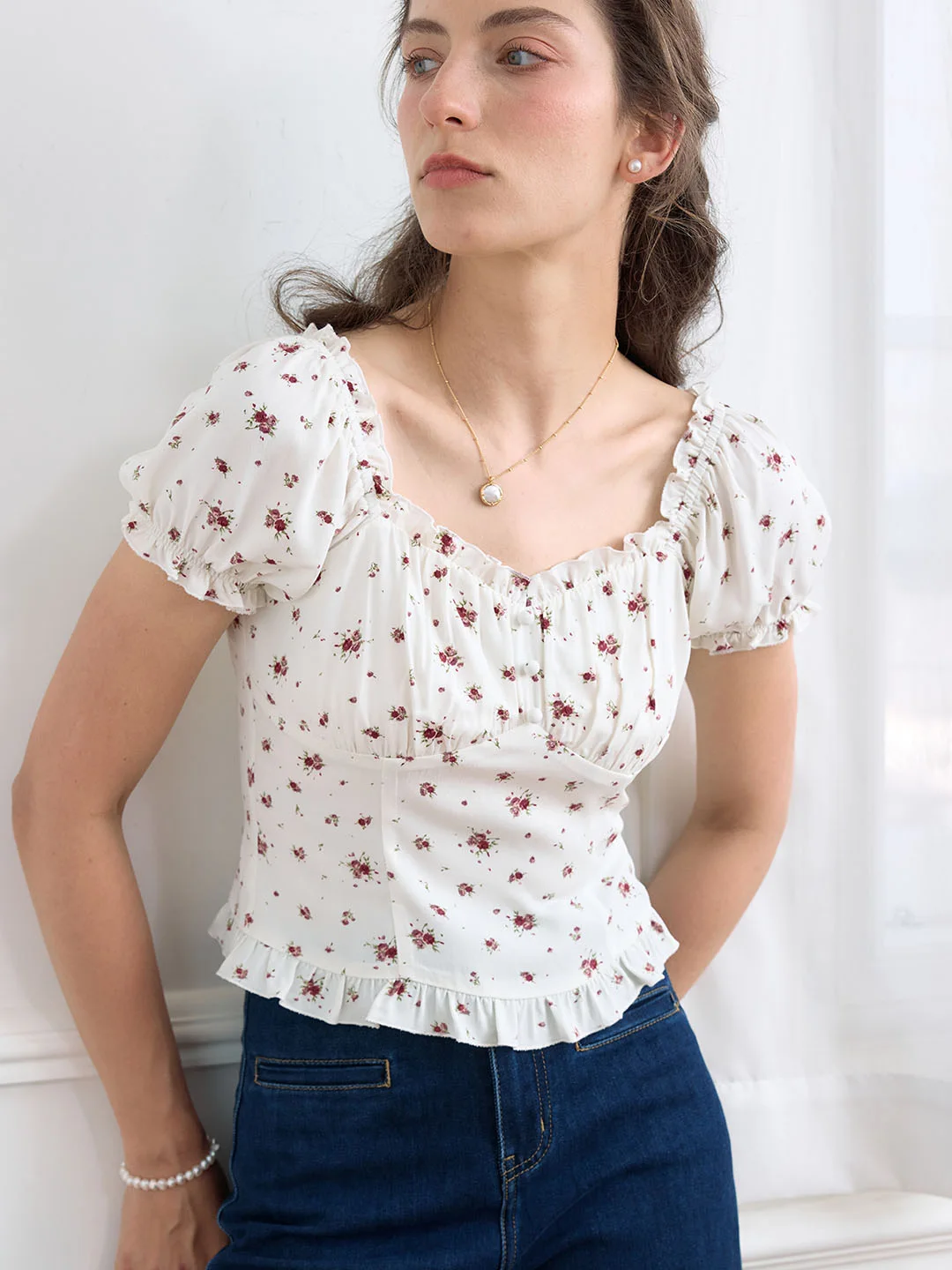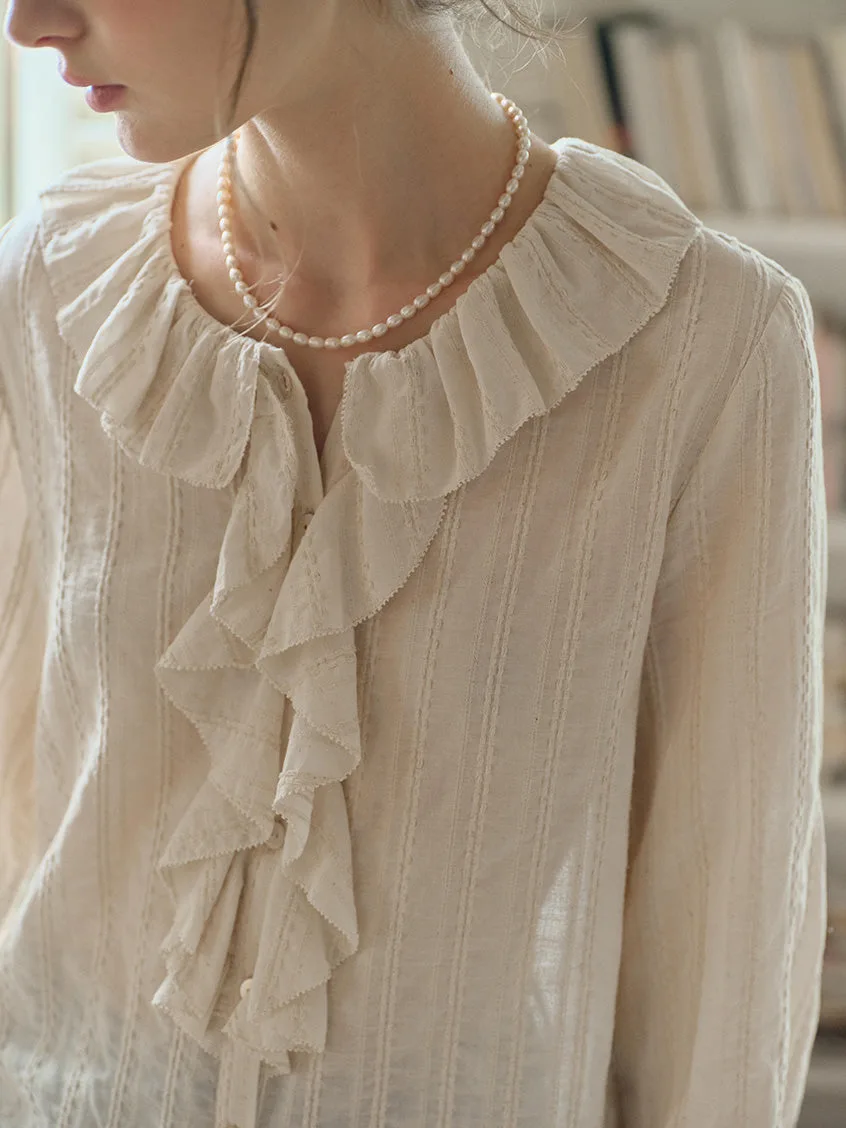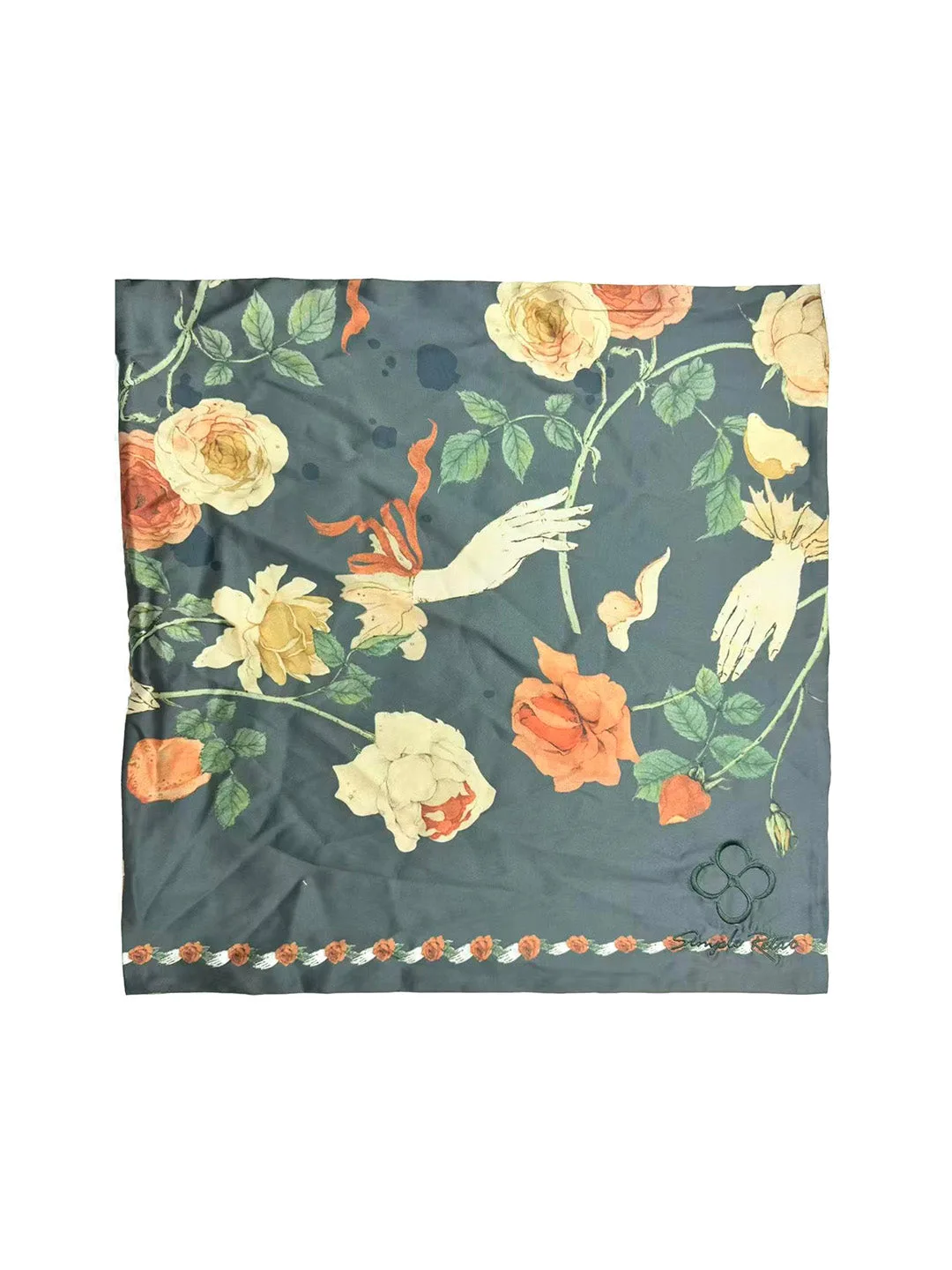
Good product storytelling for a boutique isn’t about a single poetic line or a catalog of adjectives. It’s about clarity: answering the questions a buyer will actually ask before they hit "email to order," and inspiring confident outfits that match your customers’ real lives. For a shop focused on practical vintage-inspired everyday clothing, that means pairing sensory language with concrete fit notes, clear use cases, and honest trade-offs. Below are methods you can use immediately to craft product stories that sell—plus outfit examples and wholesale considerations for independent buyers.
Lead with a utility-focused opening sentence
Start each listing with one sentence that communicates the primary function or mood of the garment. Think: "a roomy shirt you can tuck, un-tuck, and wear with trousers or skirts," not just poetic flourishes. For example, the Hesper 100% Cotton Contrast-Cuff Velveteen Shirt listings should begin by saying it’s a warm, heavier-weight cotton shirt with a relaxed body and structured cuffs ideal for pulled-over layering or buttoned looks. That immediately sets expectations for fabric weight and styling possibilities.
Trade-off: concise utility statements sacrifice lyricism, but they reduce returns and questions. If a customer knows this shirt is warm and slightly structured, they’re less likely to be surprised by bulk under a jacket.
Describe fit with concrete measurements and silhouettes
Replace vague fit words with exact, actionable details. Instead of writing "relaxed fit," say: "hip-length, 1–2 inches of ease at the bust relative to body measurement, and a 22–23 inch sleeve opening—comfortable over a thin long-sleeve or bare arm." Use a small table or bullet points for standard reference: intended wearer height for pictured fit, modeled size, and whether seams are intended to be worn on or off the shoulder.
Example outfit note: Pair a slightly boxy velveteen shirt with high-waisted wide-leg trousers and a tucked front for structure. If you’re writing for wholesale buyers, include how the piece layers: "works under structured coats, but will add bulk under very fitted blazers." The trade-off is specificity is more work per product, but it drastically cuts customer uncertainty.
Use lifestyle vignettes tied to real occasions
Customers picture garments in a few key contexts: work, weekend, travel, or caregiving. Write two short vignettes per product that describe a concrete scenario—e.g., "a Saturday morning market top: slip-on, leave the first two buttons undone, pair with denim and flat ankle boots." These mini-stories show how the piece functions in life rather than as a showroom object.
For wholesale listings, tailor vignettes to store displays: "Ideal as a front-table feature with neutrals in autumn windows, styled with a cashmere scarf and taped price tags for a soft, approachable look." Trade-off: more words on product pages, but higher conversion and easier cross-merchandising.
Offer exact layering and outfit pairings
Give two to three specific outfit formulas using items from your collection or easy wardrobe staples. For example: "Wear the Hesper 100% Cotton Contrast-Cuff Velveteen Shirt (green) over a tucked tee with a midi skirt and loafers; or buttoned and belt-knotted with straight-leg jeans and ankle boots." Link to complementary categories or products so customers can shop a whole look: link to /collections/tops/ or show an accessory pairing.
Example for a more delicate blouse: "Pair the Octavia Mock Neck Hollow Lace Patchwork Puff Sleeve Blouse with a high-waist pencil skirt and opaque tights for office-friendly romance; for weekend, wear it under a crewneck sweater so the lace shows at the neck and cuffs." Trade-off: naming specific pairings can date a piece by trend, but it increases average order value when customers see how to complete a look.
Describe fabric and care with careful boundaries
Talk about handfeel and behavior—drape, stiffness, breathability—without promising exact washing instructions. Always include a short reminder to check the sewn care label first. Example: "Madeleine V-Neck Faux Layered Wool Top: a soft-feel knit with moderate stretch and structured neckline; lays well over a camisole and resists piling in low-abrasion wear. Check the sewn care label for exact instructions." For more fragile lace or patchwork pieces, note specific cautionary behaviors like: "best kept away from heavy bags that could snag lace."
Trade-off: refusing to give universal care rules keeps you honest and avoids liability, but customers may still request guidance—prepare a short, email-safe care FAQ for common fabrics you stock.
Show trade-offs and who a piece is for
Be explicit about compromises. Every design makes trade-offs between comfort, silhouette, and maintenance. Say plainly when something requires more care or is more structured. For example: "The Octavia blouse’s lace panels are delicate and visually intricate, so it’s an excellent statement top for lower-abrasion days; not ideal if you carry a shoulder bag that will rub the sleeves."
Explain who will love it and who might not: "Great for shoppers who prefer romantic details and soft necklines; less suited for someone seeking fuss-free, machine-tumble-everything basics." This honesty saves returns and builds trust.
Use short social proof tied to context—not vague praise
Instead of generic quotes like "customers loved it," use brief, context-specific notes: "Shoppers tell us they styled this under sweaters in early fall and found the sleeve lace showed nicely when the sweater is pushed up." Keep quotes factual and unobtrusive, and update them as trends or fit feedback changes. For wholesale audiences, include buying-room feedback: "Visual merchandisers found it photographed well on a mannequin with a soft light panel for window installations."
Trade-off: specific social proof requires you to gather and curate real comments, but it conveys usefulness far better than generic five-star claims.
Format for skim-readers and for email-based orders
Most customers scan product pages. Use short paragraphs, bolded micro-headlines (e.g., Fit, Fabric, Outfit Ideas), and bullet lists for measurements and shipping details. Since website orders are processed by email requests at your boutique, include a clear ordering step: explain that customers should email to confirm availability, shipping, and payment terms; provide a direct link to /contact/ and say wholesale prices and minimums are supplied on inquiry through /wholesale/.
Example callout: "To order this item, email us with product name and preferred color; we will confirm availability and shipping in writing." Making the ordering process explicit reduces cart abandonment and customer irritation when there is not an instant checkout.
Wholesale copy: what buyers need to know first
When writing product stories for wholesale buyers, prioritize durability, sell-through angles, and suggested retail price ranges rather than consumer-facing lifestyle storytelling. Provide expected reorder cadence, how the piece fits within a capsule display, and SKU-level notes about seasonal demand. Keep the tone practical: "This shirt performs as a high-turn style in cooler months; expect initial order mix to favor classic neutrals over novelty colors." Link to your wholesale intake at /wholesale/ and to your general collections at /collections/ for assortment context.
Trade-off: wholesale buyers want crisp numbers; disclose only what you can reliably commit to. Offer to send fabric swatches or lookbook samples after the initial email request.
Use product pair links and internal navigation
Integrate internal links within your storytelling so customers and buyers can explore coordinated pieces. For instance, link the velveteen shirt to its two color options: Hesper 100% Cotton Contrast-Cuff Velveteen Shirt (green) and Hesper 100% Cotton Contrast-Cuff Velveteen Shirt (retro red). When discussing layering, point to complementary tops like the Madeleine V-Neck Faux Layered Wool Top and show a delicate option such as the Octavia Mock Neck Hollow Lace Patchwork Puff Sleeve Blouse. Also link to help pages: a size chart at /size-guide/ and your wider selection at /collections/.
Trade-off: linking increases site engagement but requires upkeep; review links whenever new colors or SKUs are added.
Conclusion: practical stories build customer confidence
Product storytelling for a boutique is most useful when it reduces uncertainty and sketches a clear, wearable life for each piece. Prioritize utility-first openings, concrete fit notes, real outfit pairings, and transparent trade-offs. For wholesale prospects, focus on durability, displayability, and re-order signals. Always tell customers how to order—because at Rustic Cottage orders are placed via email request—and gently nudge them to contact you for availability, shipping, and payment confirmation. With this approach, your product pages become both selling tools and confidence builders: honest, specific, and designed to fit the everyday lives of women who want vintage-inspired, practical clothing.
If you want a checklist to apply this structure across your catalog, or sample email templates for customer and wholesale order responses, reach out through our contact page: Contact.
Explore the pieces behind the ideas
Browse our blouses & tops for full product photographs and listed specifications. Ask our team for fit and availability, or visit wholesale partnerships if you’re buying for a boutique.