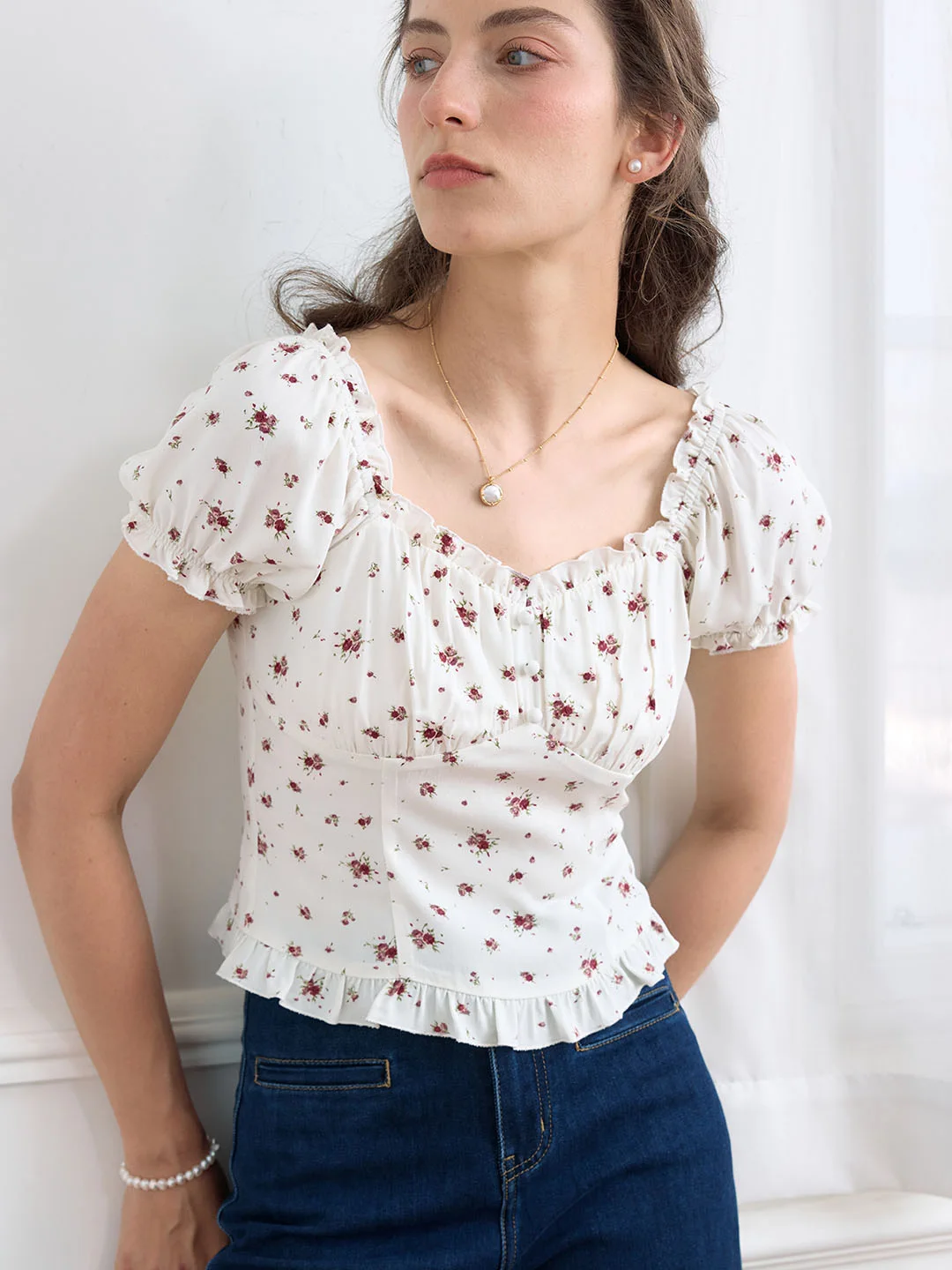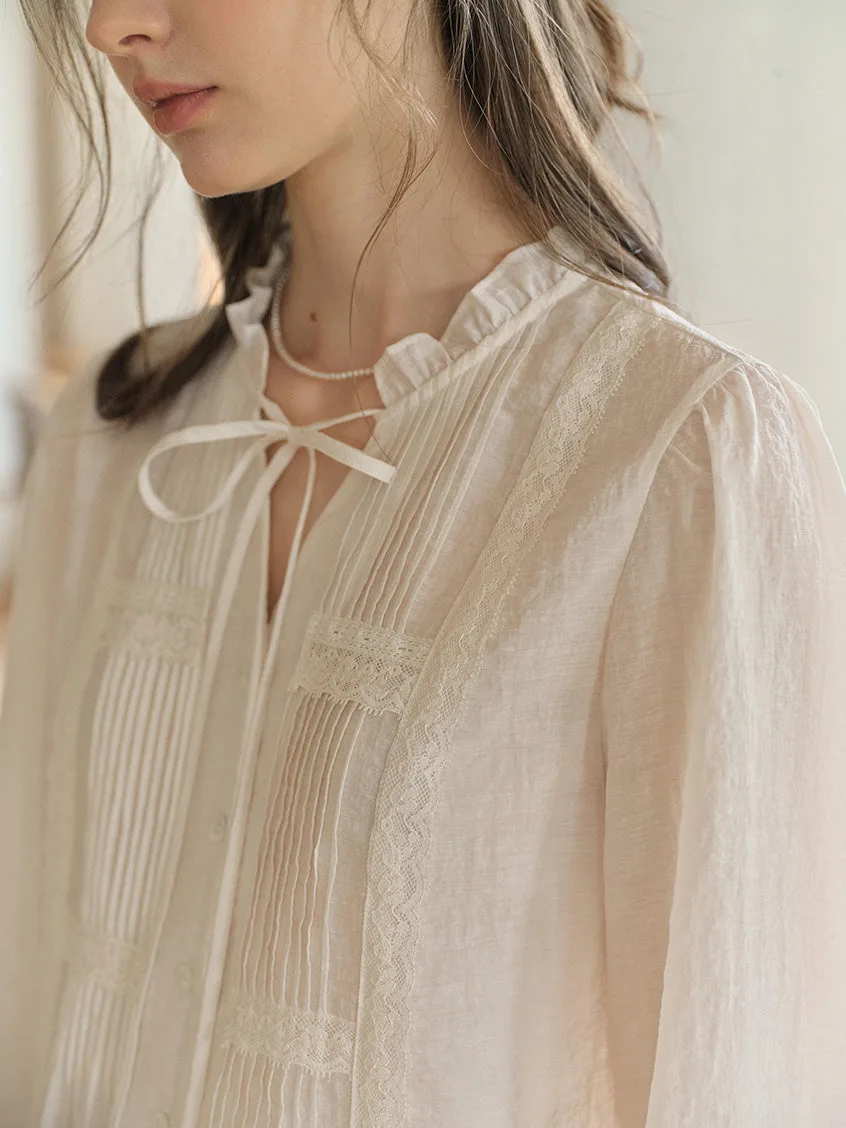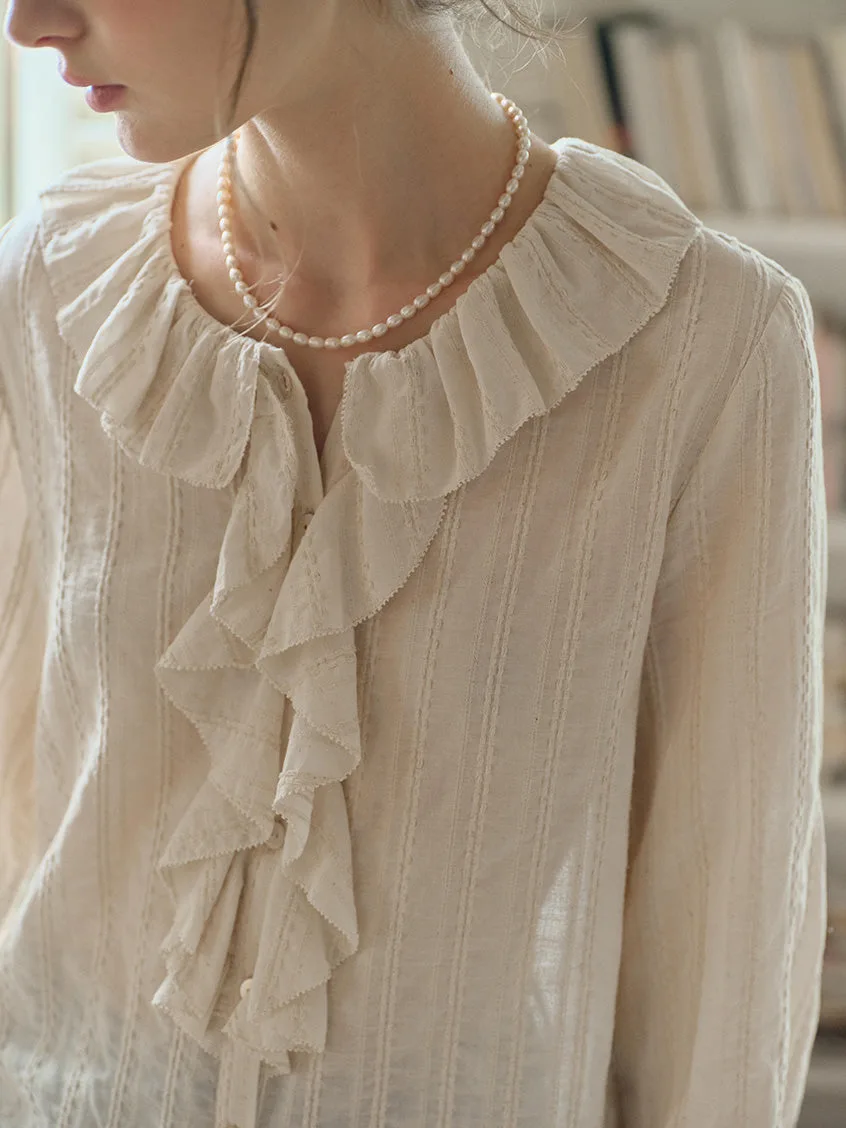
Cotton is the backbone of many wardrobes: breathable tees, sturdy shirting, pinafores and the soft velveteen shirting that nods to vintage style. Well-cared-for cotton lasts years and keeps its shape and color, but it does require attention. Start every care routine by checking the sewn care label in the garment—fiber blends, trims, and construction will change the approach. Below is a clear, practical guide for everyday cotton clothing, written for women who prefer vintage-inspired details and for independent boutique buyers handling stock.
Read the sewn care label first
Always begin with the garment’s sewn label. It reflects the exact fiber content and any applied finishes or trims that affect cleaning. A blouse listed as “100% cotton” with delicate lace panels will need different handling than a plain cotton tee, and a cotton garment with a printed motif or metallic trim may require gentler washing or inside-out handling. If a label says “dry clean only,” weigh the trade-off: the fabric may survive a gentle hand wash, but the risk to structure, linings or dye is real. For boutiques, keep scanned copies of care labels with your product records so staff can give customers reliable, label-specific advice.
Sort carefully: color, weight and construction
Sorting laundry reduces dye transfer and wear. Divide by color—whites, lights, pastels, and darks—and then sort within those piles by weight and construction. Wash lightweight cotton camisoles and lace-trimmed blouses separately from heavy cotton shirting or corduroy. Heavy items can abrade delicate ones in the same load.
- Example outfit: pair a lightweight cotton lace blouse with a heavier cotton skirt in rotation so the blouse avoids the agitation that can cause fraying.
- Boutique note: when sending mixed packing lists to wholesale customers, mark which pieces should be laundered alone (for example, lace blouses or printed tops) to reduce returns from color transfer or shrinkage.
Choose detergents and additives wisely
Mild, pH-neutral detergents protect fibers and dyes. Avoid bleach on colored cotton; for whites, use oxygen-based bleach sparingly and follow label guidance. Fabric softeners can coat fibers and reduce breathability—skip them on items where texture matters, such as slub cotton or brushed velveteen like the Hesper 100% Cotton Contrast-Cuff Velveteen Shirt. For stubborn stains, pre-treat with a gentle stain remover or a paste of water and non-abrasive soap, testing on an inconspicuous seam first.
Washing methods: machine, hand, or professional
There is no universal rule —choose based on label, garment construction and the risk you’re willing to take.
- Machine wash: Use the gentlest cycle, cold water, and a short spin for most everyday cottons. Turn items inside out to protect prints, trims and buttons. Use a mesh wash bag for delicate blouses or anything with lace, such as the Octavia Hollow Lace Patchwork Blouse.
- Hand wash: Fill a basin with cool water and a small amount of mild detergent. Swish gently; avoid vigorous rubbing. Hand washing is a good compromise for delicate vintage-inspired pieces or for boutique sample care.
- Dry clean: If the sewn label specifies dry clean only, follow it—especially for lined garments or those with trims that might bleed or distort. For boutique buyers, offer care label photos so wholesale clients understand these distinctions before ordering.
Drying with purpose: line dry, flat dry, or low heat
Drying affects shrinkage, shape and finish. Cotton is prone to shrinkage and can lose crispness if dried too hot.
- Line drying is the gentlest and breathes life back into textured weaves; hang shirts on shaped hangers to maintain shoulders. Avoid direct sunlight for bright colors to prevent fading.
- Flat drying works best for knit cotton tops or heavy lace pieces that might stretch on a hanger—reshape while damp.
- Tumble drying on low can be suitable for sturdier items like denim or heavyweight cotton shirting, but expect a small amount of shrinkage. Remove garments while slightly damp and finish shaping on a hanger to reduce wrinkling.
- Trade-off example: A boutique selling the retro red velveteen Hesper might recommend line drying to maintain its nap—accepting a slightly longer care cycle—instead of the convenience of a dryer that can flatten pile and soften structure.
Ironing, steaming and preserving finish
Cotton can handle higher heat than many fibers, but the finish and trims influence your settings. Use a steam iron for crisp shirts and a lower setting for textured or brushed cottons. Always iron while slightly damp or use the steam setting to ease wrinkles without applying excessive pressure that can flatten texture.
- For vintage-inspired ruffles or pintucks: iron from the wrong side through a pressing cloth to protect surface detail.
- Velveteen and brushed cotton: avoid pressing the pile flat—use a steamer and smooth lightly from the underside where possible.
Storage: keep shape and avoid damage
Storage choices protect shape, prevent yellowing and keep moths away. Fold heavier cottons to avoid hanger shoulder bumps; hang shirts and blouses on padded or shaped hangers. Avoid plastic bags for long-term storage—cotton needs to breathe. For infrequent pieces with lace or trims, store flat in acid-free tissue to prevent snagging.
- Boutique display tip: rotate on-hand stock so folded items don’t develop permanent creases from heavy stacking, and keep sample pieces in breathable garment bags behind the counter.
- Home example: white cotton blouses are prone to collar yellowing—store them clean and avoid storing directly on cardboard boxes or uncoated wood that can transfer acids.
Spot repairs and prolonging life
Small fixes extend the life of cotton garments and reduce waste. Learn simple mending techniques: secure loose hems with temporary hand stitches, reinforce button threads before they fail, and use a fabric adhesive for small inside seams when time is tight. For visible repairs, try contrast stitching as a design detail on plain cotton dresses or aprons.
- Example outfit repair: a slub cotton skirt with a worn hem can be shortened and re-hemmed to create a fresh silhouette without losing fabric integrity.
- Boutique service: offer minor repair or alteration recommendations at point of sale, or provide a list of trusted local tailors. This builds customer trust and reduces returns.
Packing, shipping and wholesale handling
For boutiques and wholesale buyers, proper packing preserves fiber quality during transit. Fold items with tissue to prevent creases and use breathable shipping sleeves rather than fully sealed plastic for long transit times. Note that wholesale orders are handled by email inquiry—confirm availability, shipping and payment terms in writing. Wholesale pricing and minimums are supplied on request through the wholesale contact channel.
- Packing example: place structured shirts on flat boards in tissue to maintain collars and cuffs during shipping.
- Customer care: include a printed care card in each order explaining label-specific advice, such as machine wash cold for plain cotton tees, hand wash for lace trims, and line drying recommendations.
Practical outfit and buying examples
Concrete examples help put care routines into practice. If you’re wearing a lightweight cotton blouse with lace panels, hand wash and flat dry to avoid stretch. For everyday cotton shirting that will be laundered weekly, choose machine-washable 100% cotton shirts that can withstand low-heat tumble drying and brief pressing—this keeps the shirting crisp for office or market days.
- Outfit idea: a cotton mock-neck lace blouse paired with a heavier cotton skirt creates visual contrast; care for each piece by its most delicate component—lace first, skirt on a separate heavier cycle.
- Retail sample: when offering pieces like the Madeleine V-Neck Faux Layered Top alongside cotton basics, clearly label care differences at retail and in product descriptions to prevent confusion.
When to replace instead of repair
Know when a cotton item has reached the end of useful life. Fading and thinning where fabric breaks under stress, repeated patching that changes silhouette, or irreversible stains around collars and cuffs are signs to retire a piece. For boutiques, offer a take-back or recycling suggestion at purchase to help customers responsibly refresh wardrobes.
Care is both a practical routine and a value proposition: attentive laundering, sensible drying and small mends keep beloved cotton pieces—shirts, blouses and dresses—looking their best with vintage-inspired charm. For specific items, always check the sewn care label and follow its guidance over any general instructions. For wholesale inquiries, including minimums, pricing and lead times, contact us through our contact page—orders are confirmed by email and processed once availability, shipping and payment terms are agreed in writing. Browse related pieces and sizing notes at /collections/ and our tops collection or consult the size guide before purchasing.
Shop these examples and consider their care needs in your daily routine: the Hesper velveteen in green and the retro red Hesper require different handling than lace-forward pieces like the Octavia Mock Neck Blouse. Thoughtful care keeps these garments ready to wear and reduces unnecessary replacement—a practical approach for home wardrobes and boutique inventories alike.
Explore the pieces behind the ideas
Browse our blouses & tops for full product photographs and listed specifications. Ask our team for fit and availability, or visit wholesale partnerships if you’re buying for a boutique.