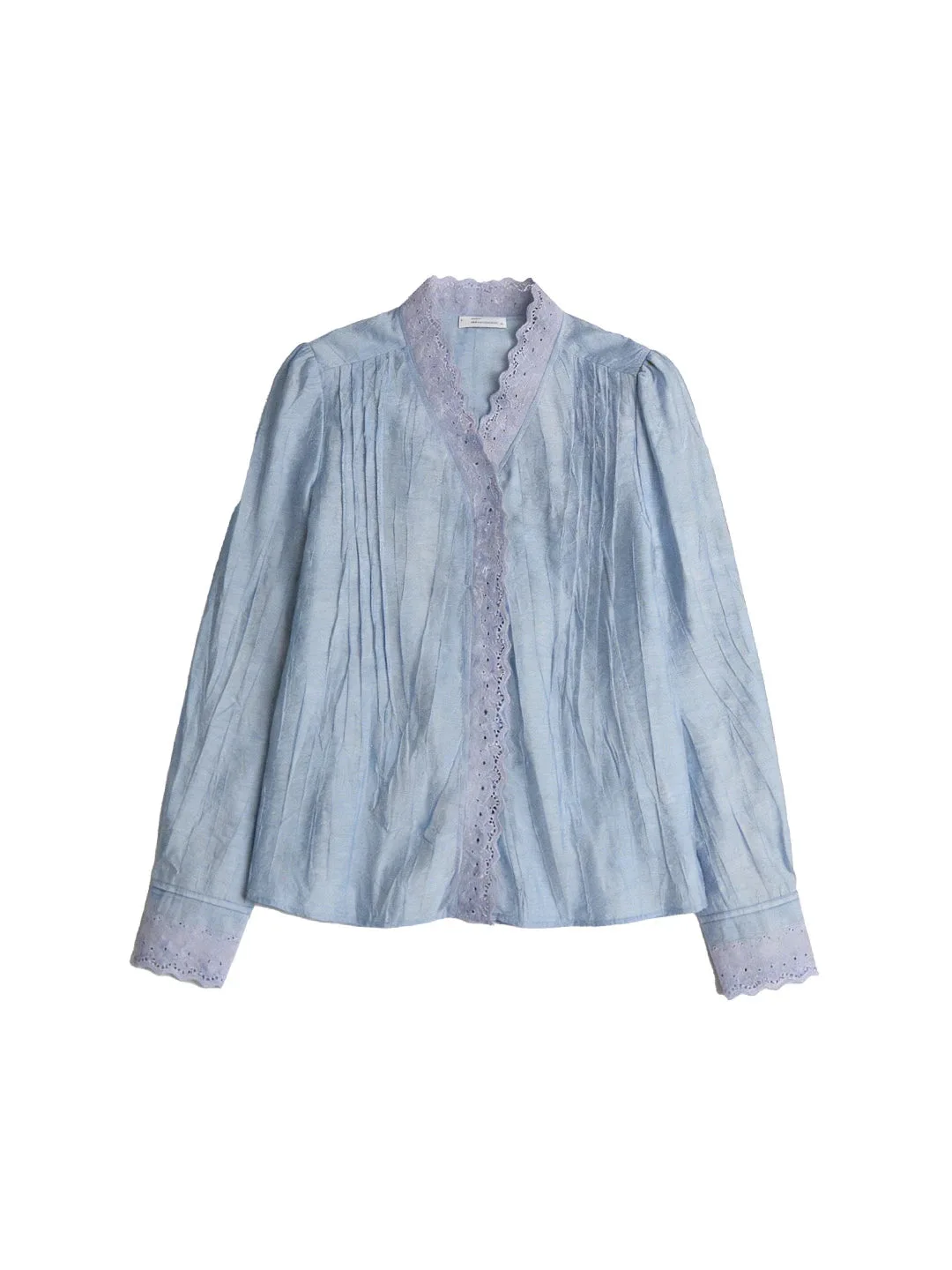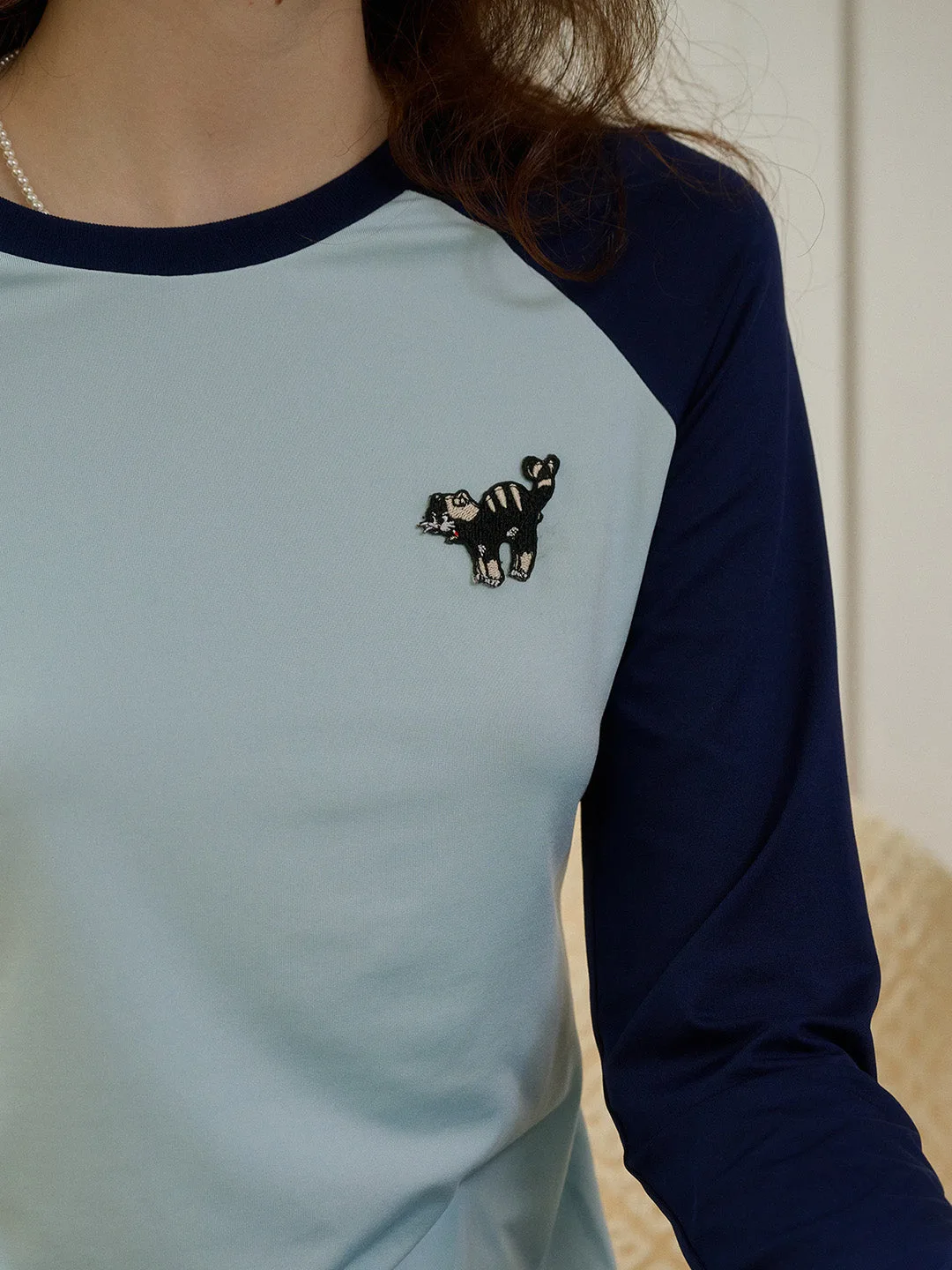
Imagine a shopper asks whether a vintage-inspired blouse will feel roomy through the shoulders. Your supplier has provided a size label, a staff member says the sleeves look generous, and a customer once mentioned that she sized up. Those are three different kinds of information—not a single reliable answer. A useful fit note makes the distinctions visible so shoppers can decide what to ask next without being promised a result that nobody can guarantee.
Use the worksheet below as a repeatable store workflow. It is designed for boutique operators describing everyday clothing to US shoppers, not as a substitute for the supplier’s current product details or a shopper’s own judgment.
1. Start a separate record for each source
Create one product record with clearly named fields for supplier-provided garment measurements, the size printed or listed by the supplier, staff observations, and customer-provided body information. Do not combine them into a sentence such as “runs small” until you know what evidence supports that wording. A measurement is a value taken from a garment; a labeled size is a supplier’s designation; an observation is someone’s impression; body data describes a person, not the garment.
For example, if a supplier shares a garment’s laid-flat chest measurement, record the value, unit, size, and how the supplier says it was taken. If the method is unknown, mark it “method not provided.” That small note matters: two measurements can differ because they were taken at different points. Keep a link to the wholesale information or supplier correspondence in the internal record so staff can check the source rather than relying on memory.
2. Preserve the supplier’s measurements and size label
Copy measurements exactly as received, including units and the size they apply to. Record when the information was checked, and flag anything missing or unclear for follow-up. Never estimate a missing value from a photograph, a neighboring size, or a generic size chart. Supplier measurements describe the garment under the stated method; they do not tell you a shopper’s body measurements or guarantee how the garment will feel.
Keep the supplier’s size label in its own field, even when you publish a conversion or explanation. A size label is not a measurement and may not translate consistently between suppliers. If you share a shop sizing resource, direct customers to the size guide while explaining that it offers context, not certainty for every garment. Where product details are not currently available, say so plainly and invite an inquiry instead of filling the gap with a guess.
3. Write staff observations as observations
Staff notes can describe visible or directly assessed qualities, but they should say who assessed them and what the comment refers to. “The sleeve looks full in the product photos” is a visual observation. “The shoulder seam sits at the edge of the shoulder on our sample” would require a sample and an actual assessment; do not publish it unless that assessment occurred. Avoid turning an impression into a universal claim such as “fits everyone comfortably.”
Use cautious, concrete language: “Our staff notes describe the shape as relaxed” is more transparent than “true to size” when there is no defined comparison behind that phrase. If the note comes only from photographs, state that. For instance, a product page may identify the Octavia blouse as regular fit and list its mock neck and puff sleeves; those are supplied details, not proof of how a particular shopper will experience the fit.
4. Keep customer body data optional and private
A shopper’s body measurements are personal information. Ask only when there is a clear reason, make sharing optional, and explain what the information will be used for before collecting it. Do not pressure a customer to provide measurements to receive basic product help. Keep any consent and retention practices consistent with your store’s privacy policy, restrict access to staff who need the information, and avoid placing personal details in a public review or general product note without explicit permission.
For a fit question, it may be enough to ask what the shopper wants to know—such as sleeve room or intended layering—rather than request body measurements. If a shopper volunteers a measurement, do not store it indefinitely by default or treat it as a measurement of the garment. A useful record might note “customer asked about room for a layer” without retaining identifying body data. When unsure whether a detail should be kept or shared, leave it out and ask the shopper’s permission.
5. Convert information into a clear customer-facing note
Build each published note in a consistent order: supplier facts first, staff observation second, and a limitation or next step where needed. Label each category so shoppers can tell what is measured and what is subjective. For example: “Supplier-listed size: see available options. Current garment measurements: contact us to confirm. Staff observation: the product photographs show a shaped sleeve. Fit can vary by preference and layering.” Adjust the wording to match the information you actually have; do not publish a measurement field as if it were filled when it is not.
Use the same standard across colors or listings unless you have confirmed that their details match. The two Hesper 100% Cotton Contrast-Cuff Velveteen Shirt listings, for example, are separate product pages. The title identifies cotton and contrast cuffs, but that alone does not supply garment measurements or establish how either color fits. A shopper considering the green Hesper shirt can be invited to ask for current fit or material details rather than receiving an unsupported promise.
6. Try a fit-note audit before publishing
Use this short exercise on one draft listing. Highlight every statement about fit, then mark each one S for supplier information, M for a garment measurement, O for staff observation, or C for customer feedback. If you cannot assign a source, remove the statement or verify it. Next, circle any wording that sounds certain—“will fit,” “always,” “true to size,” or “perfect”—and replace it with a qualified description unless your evidence truly supports it.
Finally, ask whether a shopper can distinguish a garment measurement from a body measurement, and whether the note explains what is unknown. This audit is especially useful when a product has an evocative name or clear styling details that tempt staff to infer construction or ease. If the listing still leaves a practical question unanswered, point customers to contact the team for current details. That is more useful than inventing an answer to make the copy sound complete.
7. Maintain notes when details change
Assign a staff member to review supplier information when a listing is added, updated, or questioned. Keep the earlier record marked as outdated rather than silently carrying its measurements into a new version. If the supplier confirms a change, update the affected size or color only; do not assume every version changed in the same way. A simple internal status—“confirmed,” “awaiting supplier,” or “not provided”—helps staff answer consistently without implying information is current when it has not been checked.
Before replying to an individual shopper, match the answer to the exact product and size they are considering. If no reliable measurement is available, explain that limitation and offer to request current details. Fit notes work best as a transparent decision aid: they help a shopper weigh known information, personal preferences, and remaining uncertainty. They cannot guarantee fit, and they should never suggest that a person’s body is the problem when a garment’s specifications are incomplete.

Explore the pieces behind the ideas
Browse our blouses & tops for full product photographs and listed specifications. Ask our team for fit and availability, or visit wholesale partnerships if you’re buying for a boutique.