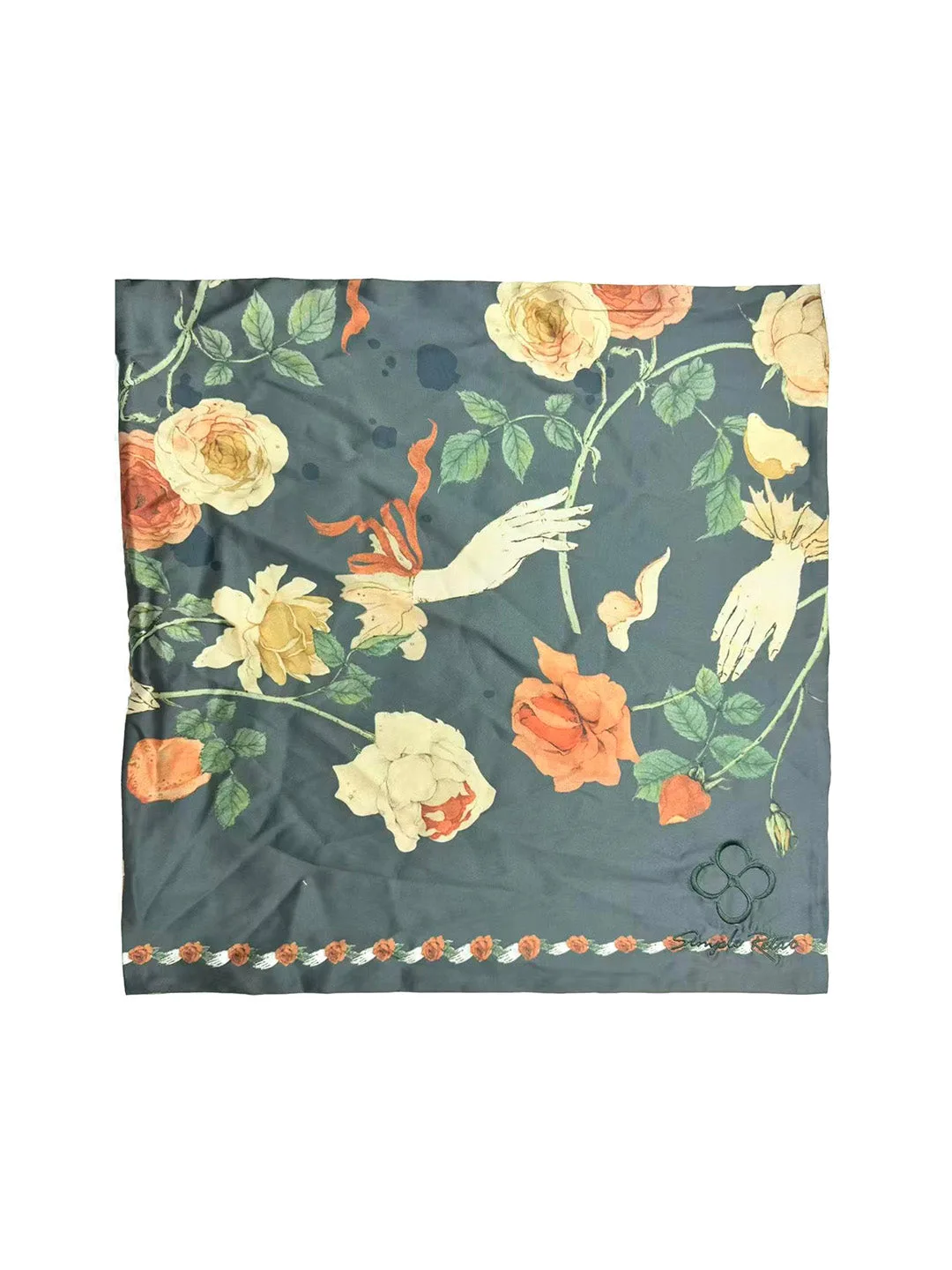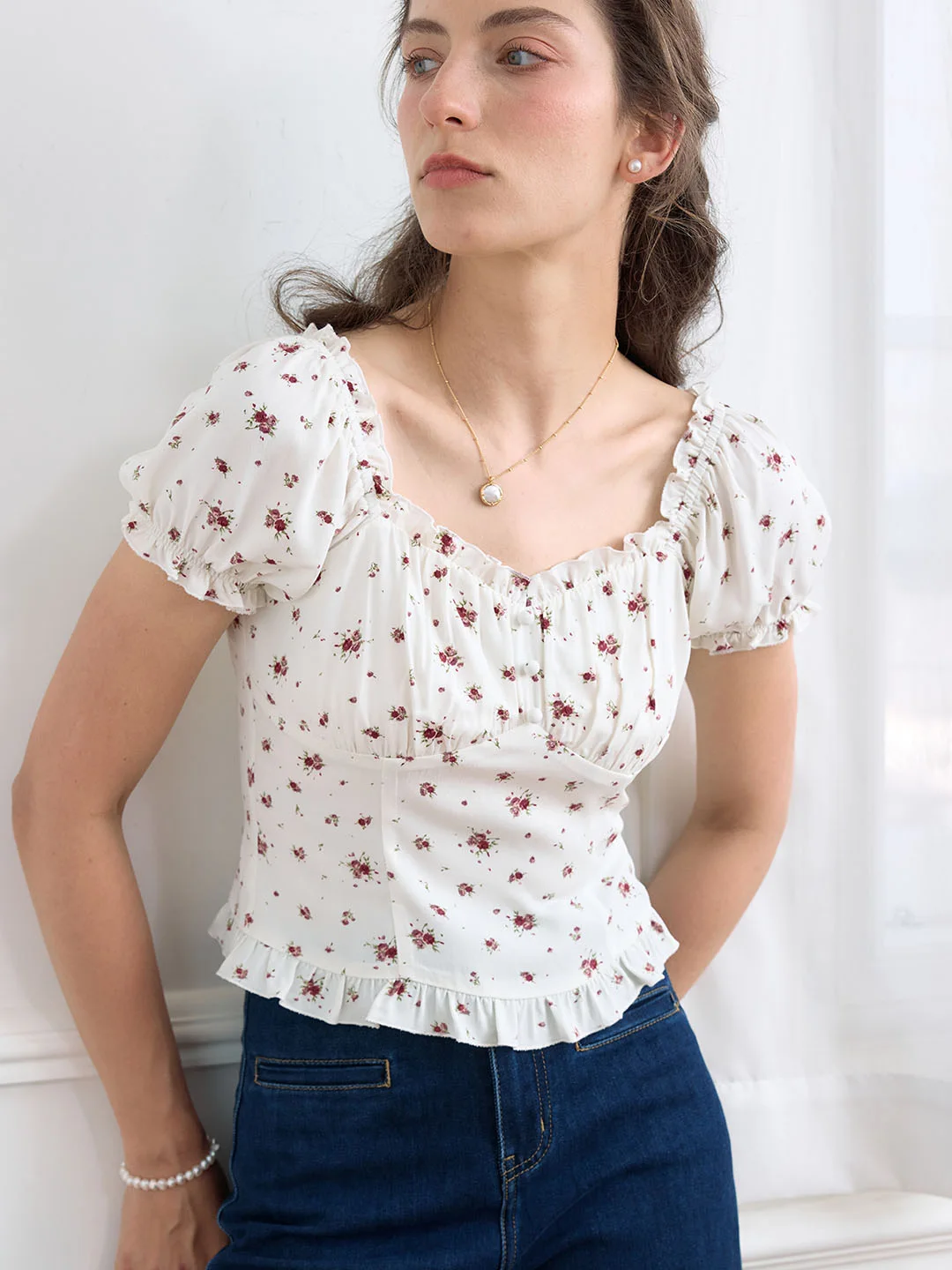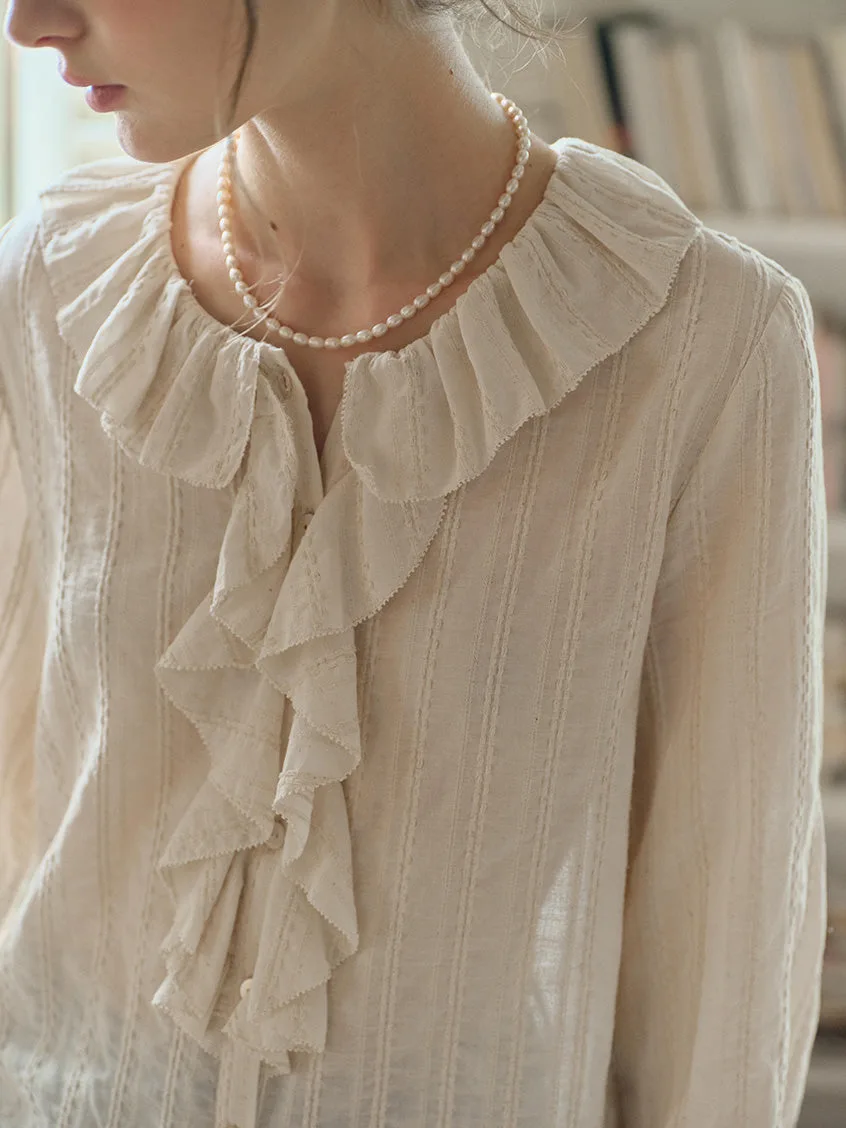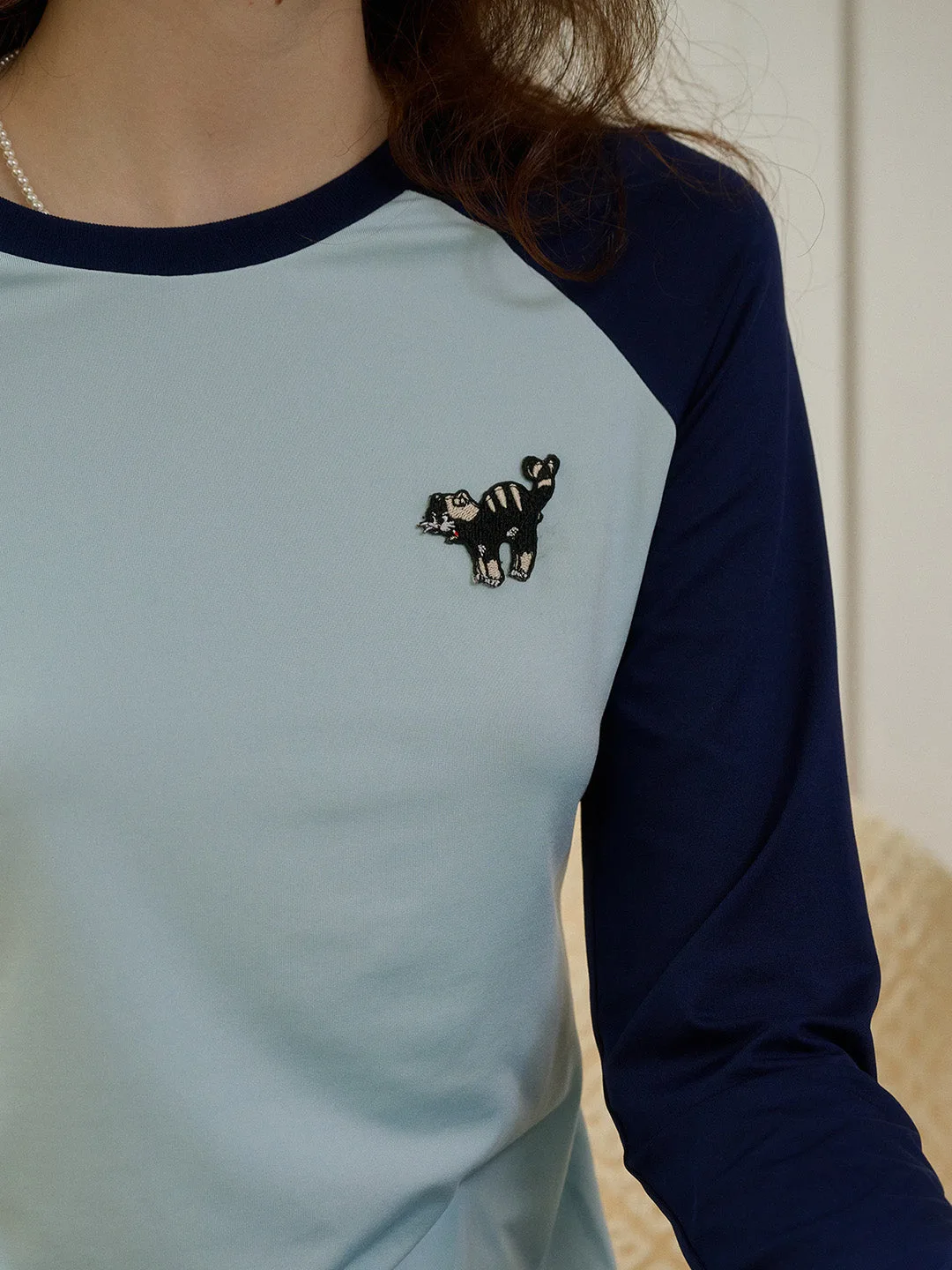
For a small clothing boutique like Rustic Cottage, a clear point of view is the difference between a scattered rack and a shopping destination. Whether you’re an independent buyer sourcing pieces for wholesale or a woman shopping for practical, vintage-inspired everyday clothing, a thoughtfully constructed boutique clothing assortment makes decisions simple for customers and helps you sell through more consistently.
Define the core customer and lifestyle
Start by describing the woman you design or buy for in concrete terms: how she spends most days, the climate she lives in, what she prioritizes in dressing (comfort, modesty, visual interest), and what she avoids (trendy gimmicks, restrictive fits). For Rustic Cottage, imagine a shopper who prefers soft silhouettes, wearable vintage details like puff sleeves, high necklines, and textured fabrics, and wants pieces that transition from errands to a casual dinner.
Trade-off: a tightly defined customer narrows market reach but increases conversion and loyalty. If your imagery and displays speak clearly to that life, browsers become buyers. If you try to please everyone, your assortment will dilute and stock will sit.
Concrete buyer exercise: write a one-paragraph customer profile and use it to reject or accept every sample—does it match that paragraph?
Choose a consistent palette and fabric story
A coherent boutique clothing assortment often starts with color and fabric. Pick a seasonal palette of 6–8 colors that mix well, and a set of preferred fabric families—cotton, velveteen, lightweight wool knits, and lace trims, for example. A consistent palette makes outfit-building intuitive for customers and simplifies cross-merchandising.
Trade-off: limiting fabrics concentrates your buying but risks boredom. Mitigate that by varying textures and weights—pair velveteen with cotton poplin or lace accents for visual interest.
Product tie-ins: pieces like the Hesper 100% Cotton Contrast-Cuff Velveteen Shirt and its retro-red counterpart deliver texture and color that slot naturally into a vintage-inspired palette. The Madeleine V-Neck Faux Layered Wool Top brings lightweight wool knit into the mix for cooler days.
Set purposeful silhouettes and proportion rules
Decide on 4–6 silhouette archetypes for your assortment—examples for a Rustic Cottage aesthetic might be: relaxed shirt dresses, fitted high-waist trousers, blouson-sleeve blouses, cropped knit sweaters, layered-look tops, and lightweight coats. When each silhouette serves a functional role, customers can mix and match easily.
Trade-off: too many silhouettes confuse visual merchandising. Pick signature silhouettes and vary only in detail—sleeve treatment, collar, or hem length. For instance, use the same blousy sleeve proportion across multiple blouses, like the Octavia Mock Neck Hollow Lace Patchwork Puff Sleeve Blouse, to create a recognizable visual thread.
Outfit example: pair a blouson-sleeve blouse with straight high-waist jeans and a cropped cardigan for a balanced vintage modern look.
Balance classics with signature statement pieces
A pragmatic boutique clothing assortment blends dependable basics with a few distinctive items that capture attention. Basics sell steadily—simple tees, button-downs, mid-weight knits—while statement pieces drive foot traffic and social media attention.
Trade-off: a shop can’t overstock statements because they have narrower appeal; they should be limited-quantity highlights. Place these items where they can be styled into looks with the basics on the floor so customers can visualize wearability.
Styling example: a classic 100% cotton shirt in neutral tones works as a base; top it with a velveteen contrast-cuff shirt for texture, or the Madeleine top for layered warmth.
Create outfits, not just single items
Customers buy outfits, not hangers. Show complete looks on mannequins and in photographs—commute-ready, weekend-laundry-day, and casual-dinner outfits. When buyers see garments combined, they understand proportions and fabric play.
Trade-off: creating outfits requires planning stock levels across categories. If you plan a look around a blouse, trousers, and sweater, ensure you carry complementary sizes and colors so the outfit can sell together rather than leaving single pieces stranded.
Concrete outfit suggestions: (1) A retro-red velveteen shirt tucked into mid-rise pleated trousers, finished with ankle boots; (2) a lace-patchwork mock-neck blouse under a sleeveless pinafore dress for soft layering; (3) a faux-layered wool top with a midi skirt and longline cardigan for chilly mornings.
Merchandise for discovery and clarity
How you display affects perceived assortment depth. Group garments by outfit or lifestyle rather than solely by category. Use signage or shelf tags to suggest mixing options, e.g., “Errand Day Essentials” or “Saturday Market Outfit.” This helps shoppers visualize and increases average transaction values.
Trade-off: thematic merchandising reduces category purity—shirts and sweaters may be intermingled—but it increases outfit sales. Keep one wall for straightforward category browsing for customers who prefer fast shopping.
Visual tip: rotate a “look of the week” and place the exact components together with size information. Link online product pages to the in-store look, and use simple QR codes directing to the relevant collection pages such as tops or the general collections index.
Price strategy and inventory cadence
Plan a price ladder within your boutique clothing assortment: entry-level pieces to pull customers in, mid-tier staples to drive margin, and curated statement pieces at higher price points. Ensure that each outfit includes at least one entry-level option to make the total look approachable.
Trade-off: deep discounting to clear stock hurts brand perception. Instead, use limited seasonal promotions and bundle offers—e.g., 10% off a top when bought with matching bottoms. For wholesale buyers, be transparent that pricing details, minimums, and lead times are provided on inquiry—contact wholesale for terms.
Inventory cadence: order staple items more frequently and statement pieces in smaller batches. When a statement sells well, reorder it while increasing staple quantities to avoid stockout.
Size range, fit notes, and clear guidance
For a practical everyday boutique, carrying a useful size range is essential. Offer at least a standard size spread and provide clear fit notes for each product. Encourage customers to check the sewn care label for fabric care specifics rather than relying on universal instructions. For online shoppers, add a link or prompt to your size guide and offer fit guidance in product descriptions.
Trade-off: extended sizes require more inventory handling and planning but widen your customer base. If you can’t carry every size in every color, highlight which SKUs are kept as multi-size basics and which are produced in limited runs.
Wholesale thoughtfully: selection and transparency
If you sell wholesale or buy for a boutique, choose collections that reinforce your store’s point of view rather than stocking anything that marginally fits. When evaluating vendors, request clear photography, consistent measurements, and samples of tricky-to-communicate fabrics. Rustic Cottage handles web orders as email requests—availability, shipping, and payment terms are confirmed in writing rather than instant paid checkout—communicate similar clarity in wholesale dealings.
Trade-off: accepting one-off one-color pieces from many vendors appears to broaden assortment, but creates logistical noise. Prefer fewer vendors who can deliver multiple complementary SKUs. For wholesale inquiries, direct buyers to contact the wholesale team; pricing, minimums, and lead times are supplied on inquiry via wholesale or contact page.
Highlight fabric care and durability honestly
Customers buying practical vintage-inspired clothing often value longevity. For each product, include honest care notes—remind shoppers to check the sewn care label first. Where garments have delicate details like lace or velveteen panels, call out recommended handling and repair options (e.g., professional cleaning or gentle handwashing) rather than prescribing a one-size-fits-all technique.
Trade-off: giving conservative care guidance may reduce impulse purchases but reduces returns due to damage. Include small repair kits or sewing advice cards for items with fragile trims—simple guidance increases consumer confidence in caring for their purchases.
Measure success and refine the point of view
Track metrics that indicate whether your point of view is working: sell-through rates on styled outfits, conversion rates per planogram, and repeat purchase rates for customers who buy multiple pieces from a single collection. Use customer feedback and returns to refine fit and fabric choices.
Trade-off: data-driven adjustments can push you away from the original aesthetic if you chase short-term wins. Balance quantitative signals with your brand intent—keep the core identity and make incremental changes that preserve the look customers came for.
Conclusion: consistency with room to breathe
Building a boutique clothing assortment with a clear point of view means choosing who you serve and making intentional decisions about color, fabric, silhouette, and pricing. For Rustic Cottage’s audience—women seeking practical, vintage-inspired everyday clothing—focus your buying around a concise palette, repeatable silhouettes with interesting details, and a mix of basics plus limited statement pieces. Merchandising by outfit, providing clear fit and care guidance, and keeping wholesale and web-order communication transparent will help your assortment feel coherent and sell more effectively. For product exploration, check the velveteen shirts in green and retro red, the Madeleine layered-look top, and the Octavia lace blouse to see how texture and detail can anchor looks across seasons: Hesper green, Hesper retro red, Madeleine, and Octavia. If you’re buying for a shop, reach out via our wholesale page or contact to discuss assortments, minimums, and availability.
Explore the pieces behind the ideas
Browse our blouses & tops for full product photographs and listed specifications. Ask our team for fit and availability, or visit wholesale partnerships if you’re buying for a boutique.