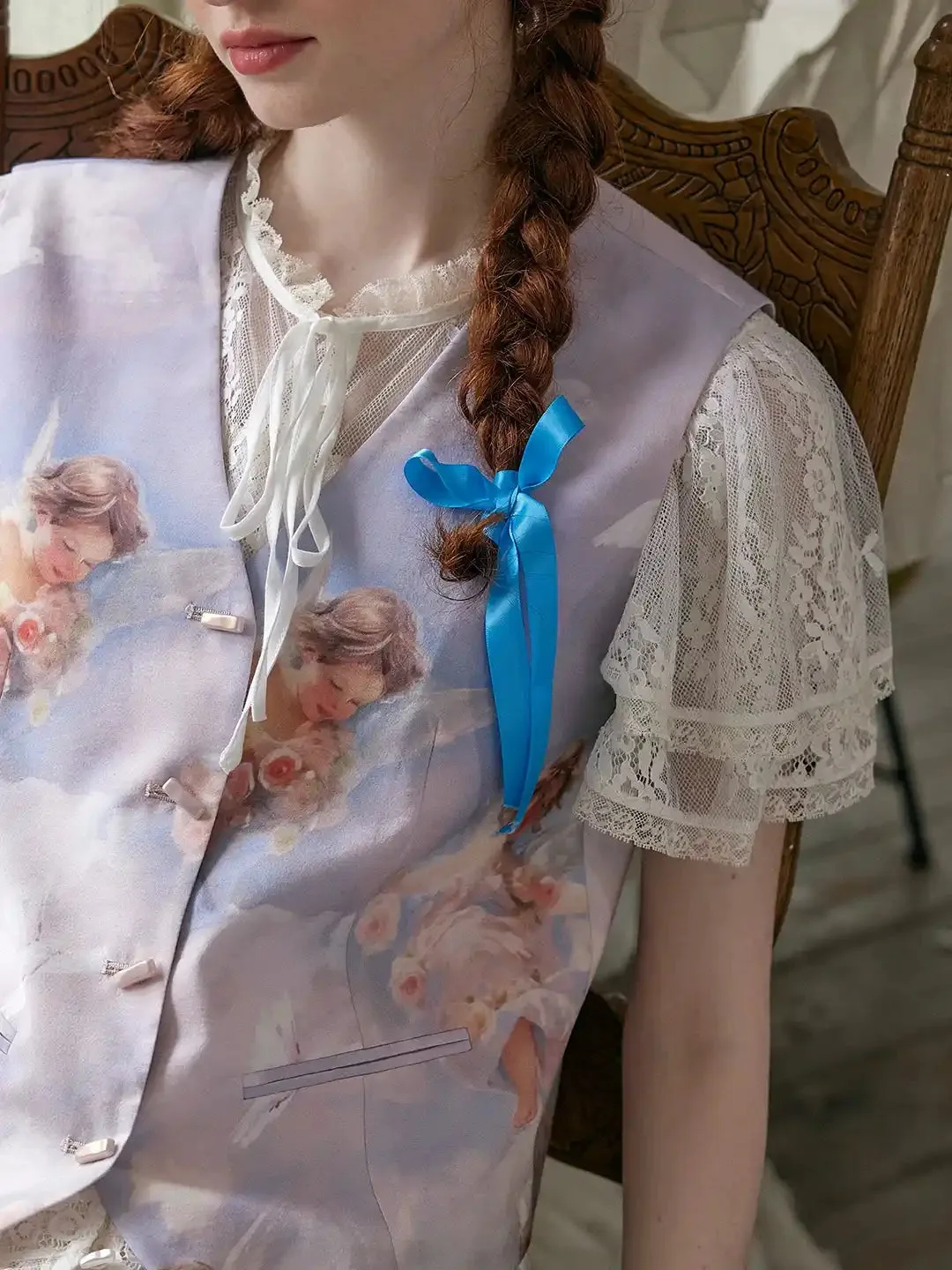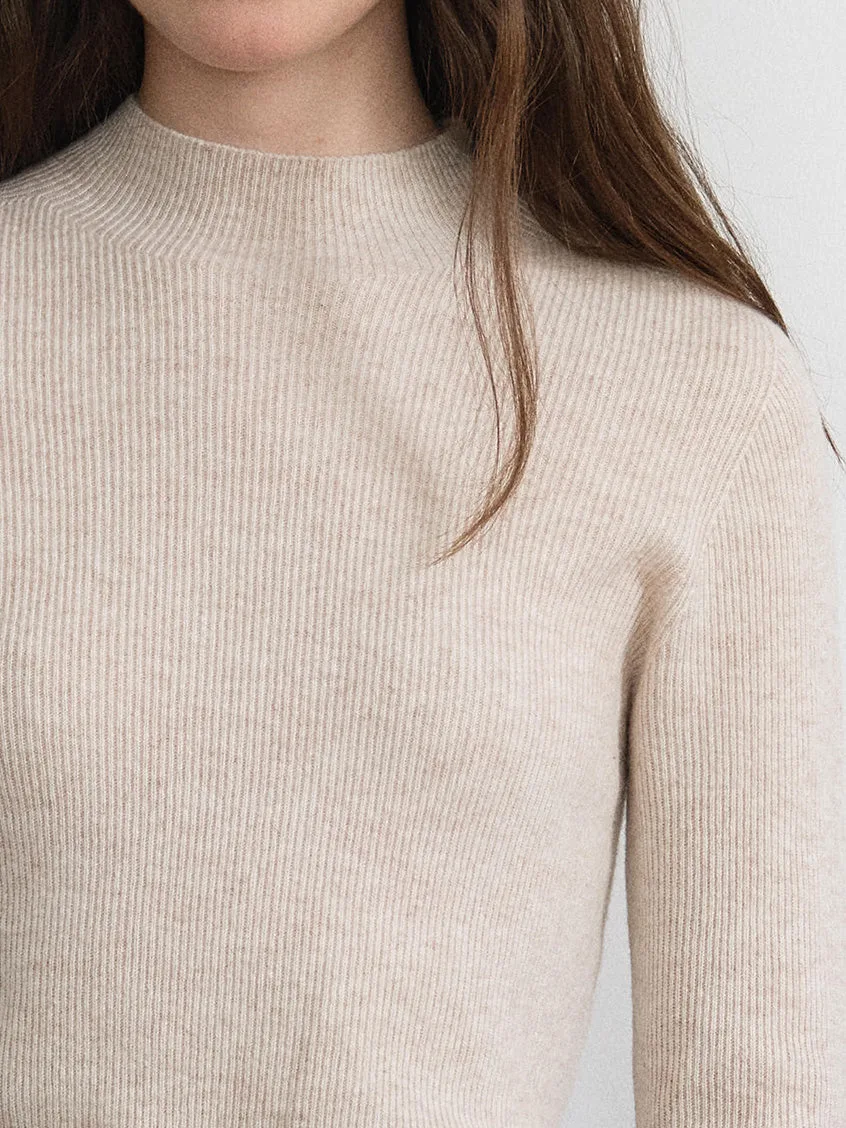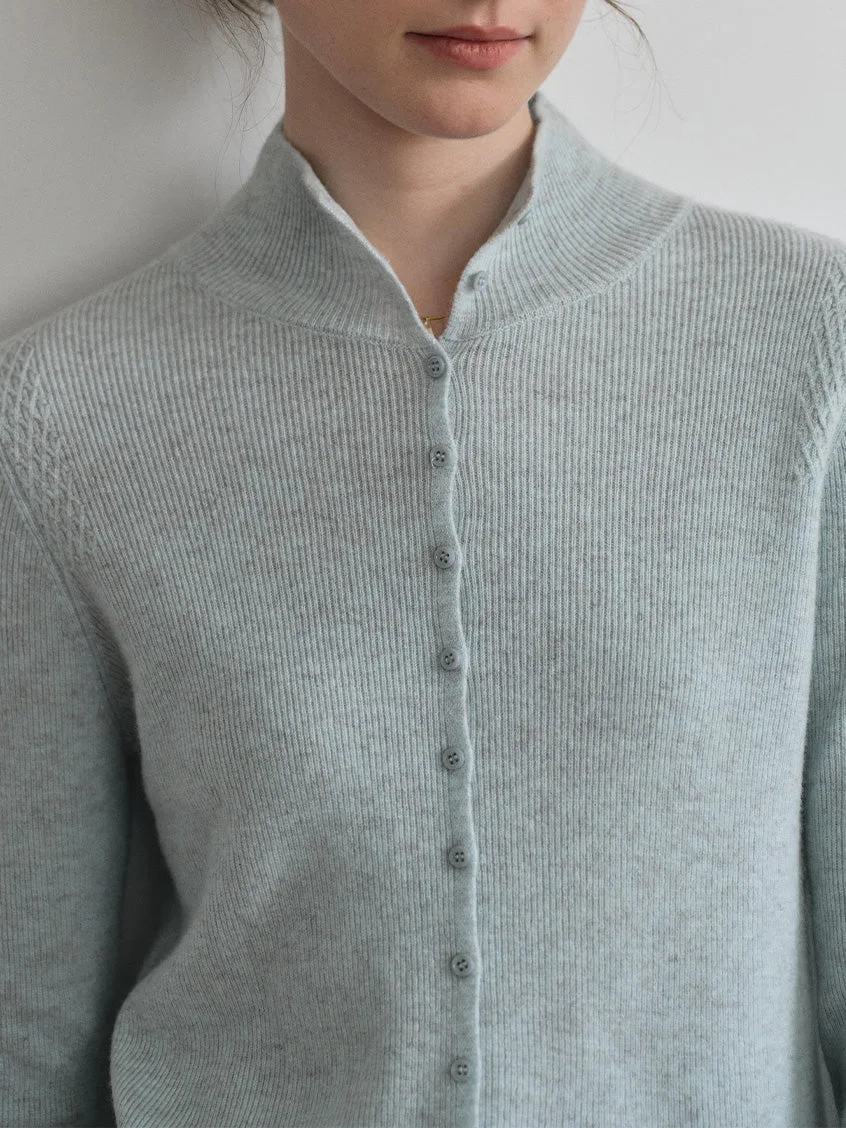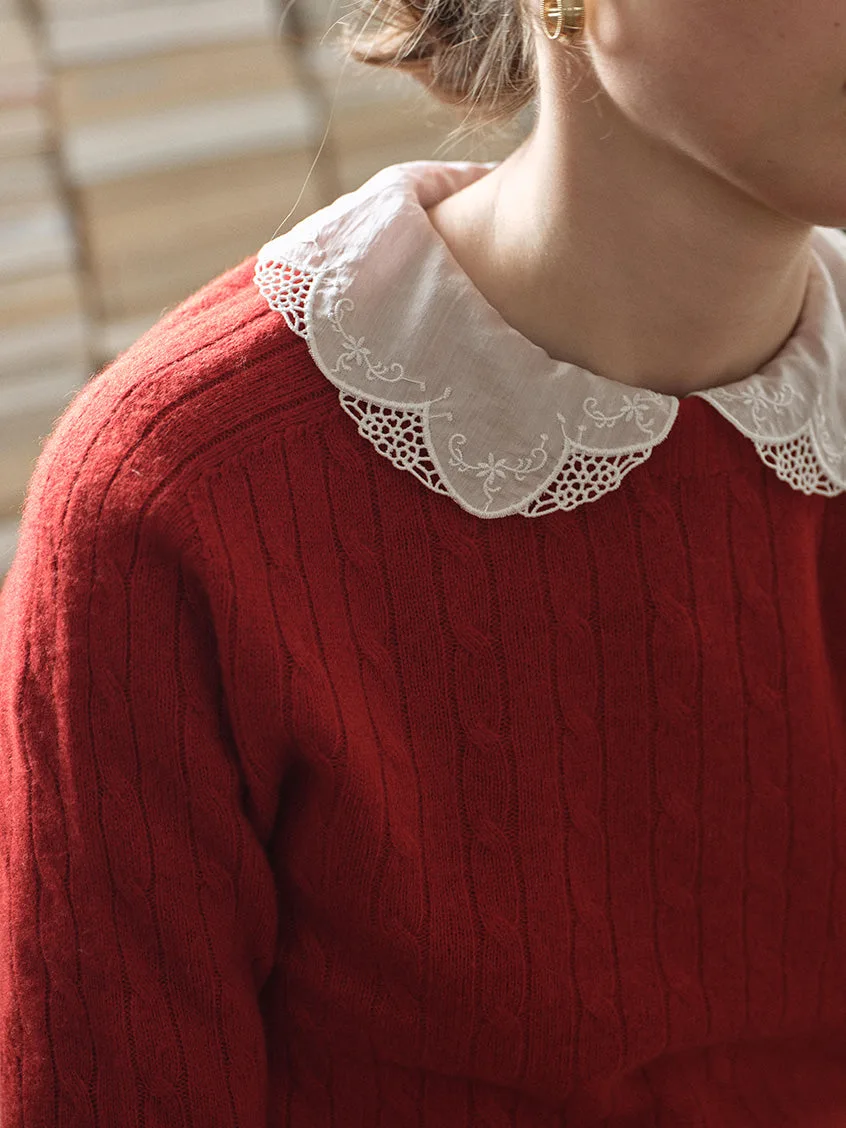
Layering knitwear is one of the most useful investments in a seasonless wardrobe. The right knit can transform a simple dress into a polished outfit, add warmth without bulk or become a wholesale bestseller for an independent shop. This guide explains how to choose layering knitwear with practical decisions about yarns, weights, silhouette and finishes so the pieces you add to your wardrobe—or your inventory—deliver everyday utility and style.
Start with the role you need each layer to play
Before browsing textures and colors, decide what function each knit should serve. Will it be an insulating base layer under a coat? A mid-layer between blouse and jacket? Or a lightweight topper for cool office air? Defining roles helps you pick yarn weight and proportion rather than buying based on impulse.
- Undercoat insulation: Choose close-fitting layers in fine-gauge wool, merino or cashmere blends so sleeves and collars sit smoothly under outerwear.
- Mid-layer warmth: Look for medium-weight, structured knits—ribbed or cable textured—that trap air but don’t balloon under a blazer.
- Top layers and cardigans: Select longer, looser shapes with useful details like buttons, pockets or buttons-to-shoulder closures for easy removal indoors.
For example, a thin ribbed crew in merino works well as a base under a vintage coat, while a boxy lambswool cardigan makes a strong casual topper for jeans.
Understand yarn choices and seasonal trade-offs
Yarn determines warmth, drape, and how a garment behaves in layers. There are trade-offs: natural fibers breathe and age well, while blends can be more durable and easier to care for.
- Wool and merino: Excellent warmth-to-weight ratio; ideal for insulating mid-layers. They can be scratchy against the skin, so fine-gauge merino or a wool-cashmere mix is preferable for pieces worn next to the body.
- Cashmere blends: Soft and compact; great for layering pieces that need to look neat under jackets. Blends often lower cost and increase durability.
- Lambswool and mohair blends: Airy, textured options that add visual interest as a top layer. These can be more fragile and may pill if worn against rough fabrics.
- Cotton and linen blends: Best for transitional weather and for customers or sellers targeting warmer climates; they don’t insulate as well but are breathable and often easier to launder.
When choosing knitwear to stock or buy, weigh customer needs: a boutique in a cool region will move heavier wools, while a shop in milder areas should prioritize cotton-blend tops and lightweight cardigans.
Choose silhouettes for layering versatility
Silhouette affects how many layers a piece can comfortably sit with and how it reads visually. Consider proportion, sleeve width and hem length.
- Slim-fitting sweaters: Ideal as base layers or worn under tailored coats. They keep lines clean and prevent bulk at the shoulders.
- Boxy pullover or cropped styles: Pair well with high-waist trousers and skirts; they layer over shirts without hiding the waistline.
- Long cardigans and duster knits: Perfect for creating long vertical lines that slim and add warmth. Make sure sleeve openings are generous enough to fit over shirts or light jumpers.
- Double-breasted or button-through cardigans: These give the option of partial closure for indoor wear and full closure when heading outside, a practical choice for everyday customers.
For a retail assortment, include at least one slim crew, a cropped sweater, and a long button-through cardigan to cover common layering needs.
Pick colors and patterns that work as foundational pieces
Layering relies on repeatable base colors and a few statement pieces. For inventory or personal wardrobe building, think in terms of a color story that mixes neutrals with a few accent shades.
- Foundation neutrals: Beige, grey, navy, and off-white are easy to combine with vintage accessories and modern separates.
- Accent colors: Keep one or two saturated pieces—mustard, deep teal, or brick red—that refresh outfits without overwhelming the palette.
- Patterns and textures: Subtle ribbing, Breton stripes, or a soft fuzzy texture add interest. Avoid loud prints for pieces intended to be layered under jackets.
Concrete customer example: a beige Ottavia Wool-Blend Cable Knit Vest serves as a neutral base under a blazer; a dark grey or bright yellow version becomes a wardrobe workhorse depending on the rest of the palette. See product options: Ottavia Wool-Blend Cable Knit Vest, Ottavia Wool-Blend Cable Knit Vest, Ottavia Wool-Blend Cable Knit Vest.
Mind the details that affect layering performance
Small construction choices determine whether a knit will slide under a coat, add bulk, or wear well after repeated layering.
- Neckline: Crew and mock necks slip neatly under coats; V-necks are great for showing a shirt collar or a long necklace.
- Shoulder seam placement: Raglan or dropped shoulders can add comfort but may look oversized under structured outerwear. Set-in shoulders present a cleaner line for tailored layering.
- Stitch density and elasticity: Firm stitches hold shape better under repeated wear; very loose knits can snag and stretch.
- Finishing details: Reinforced hems, quality buttons, and secure pocket openings matter for longevity—especially if pieces will be worn daily or resold in a boutique.
For example, a cardigan with strong button bands and a reinforced V will fasten cleanly under a blazer, whereas a floppy edge will gape and look messy.
Fit, sizing and how to layer with proportions
Getting fit right is crucial for layering. Encourage trying on layers with the pieces customers intend to wear underneath, or, for wholesale, include clear fit notes in your listings and link to your size guide.
- Sizing up vs. sizing true: Sizing up can allow intended layering (a roomy cardigan over shirts), but oversized proportions may swamp petite figures. Offer multiple fits—slim, regular, and oversized—to cover different needs.
- Sleeve length and cuff fit: Tight cuffs keep sleeves from riding up under coats; generous sleeve openings are needed when the knit goes over shirt sleeves.
- Length balance: A cropped sweater balances high-waisted skirts, while a long cardigan complements straight or wide-leg trousers. When mixing layers, avoid three clashing hems at different levels; aim for two visible tiers.
Retailers should include model measurements and styling notes to help customers choose the right size for layering.
Care, maintenance and retail care instructions
Knits require thoughtful care to keep their shape and usability. Never replace the sewn care label: always check it first. For product pages or wholesale packs, provide clear care copy that references the sewn label and advises on typical issues.
- Pilling and brushing: Recommend a soft fabric comb or pill remover for textured wools and fuzzy finishes. Suggest gentle handling to boutique customers when inspecting items in-store.
- Storage: Advise folding heavy knits rather than hanging to prevent shoulder distortion; store lighter pieces on padded hangers if necessary.
- Spot care and professional cleaning: For complex fibers or blended yarns, note that some garments benefit from professional cleaning; others can be safely hand-washed—confirm via the sewn label.
Wholesale note: include care instructions in your line sheets and on hangtags so retailers can pass accurate information to customers.
Styling examples for everyday and shop displays
Concrete styling suggestions help shoppers and buyers visualize how pieces fit into outfits or store tables.
- Everyday outfit: Pair the Ottavia Wool-Blend Cable Knit Vest in beige with a cotton poplin button-down underneath, high-waisted straight jeans and ankle boots. Add a long cardigan on top for commute warmth.
- Weekend edit: Wear the fuzzy lambswool cardigan over a simple slip dress and leather sneakers for an easy layered contrast—see Eglantine Slim Button-Front Knit Top.
- Boutique display tip: Create a front-table trio: a slim crew in a neutral, a cropped pullover in a seasonal accent, and a long cardigan to suggest multiple purchase opportunities. Signage that explains how each piece layers can increase add-on sales.
Buying wholesale: assortment and ordering advice
Independent buyers should build assortments that cover function, fits and price points. When you inquire about wholesale, request written confirmation for availability, shipping and payment terms; wholesale prices and minimums are supplied on request through the seller.
- Assortment rule of thumb: Start with three core silhouettes (slim, cropped, long) in 3–5 colorways each, and add 1–2 seasonal statement colors to test customer response.
- Stock rotation: Rotate knits by weight rather than just color—heavier options in cooler months, lighter ones for transitions. Track which yarns sell best in your market and adjust reorders accordingly.
- Order communication: Place website orders as email requests where availability, shipping and payment are confirmed in writing; don’t assume instant checkout terms. Use the supplier’s wholesale contact page to request line sheets and minimums: wholesale or reach out via contact.
Choosing layering knitwear is a matter of matching function, yarn and proportions to the way you live and work. Whether you’re putting together a personal capsule with a few reliable sweaters or selecting an initial wholesale assortment for a boutique, focus on pieces that perform predictably in layers—slim bases, structured midlayers, and a generous top layer. For browsing options, explore our knitwear collection at knitwear collection or see the wider range at clothing collection. If you need specific wholesale details, contact us to request pricing and minimums in writing.
Thoughtful knit choices make layering simple: understand the role, pick yarns and fits that match it, attend to small construction details, and communicate accurate care and ordering information. That approach keeps outfits neat, comfortable and useful every day—or helps your boutique sell the sweaters customers will reach for again and again.
Explore the pieces behind the ideas
Browse our knitwear for full product photographs and listed specifications. Ask our team for fit and availability, or visit wholesale partnerships if you’re buying for a boutique.