Imagine clearing a closet shelf on the first warm weekend of spring. A favorite sweater looks clean enough, so you fold it and tuck it into a storage bin—then wonder later whether it was actually ready to put away. A short check before storage can help you avoid guessing about care, trapping moisture, or leaving a knit folded in a shape that strains it.
There is no single washing routine for every sweater. Fiber blends, finishes, and construction vary, so let the garment’s sewn care label guide the decisions. The routine below is deliberately simple: check first, clean as directed, confirm that every part is fully dry, and store the garment with support and room for an occasional look.
Start with the sewn label, not a general rule
Find the care label attached to the garment and read all of its instructions before deciding how to clean it. A product description or a familiar care habit is not a substitute: two sweaters that look similar may have different care directions. If the label is missing, illegible, or hard to interpret, pause rather than applying a method you use on other knits. Contact the retailer or seek advice from a qualified garment-care professional who can consider the specific item.
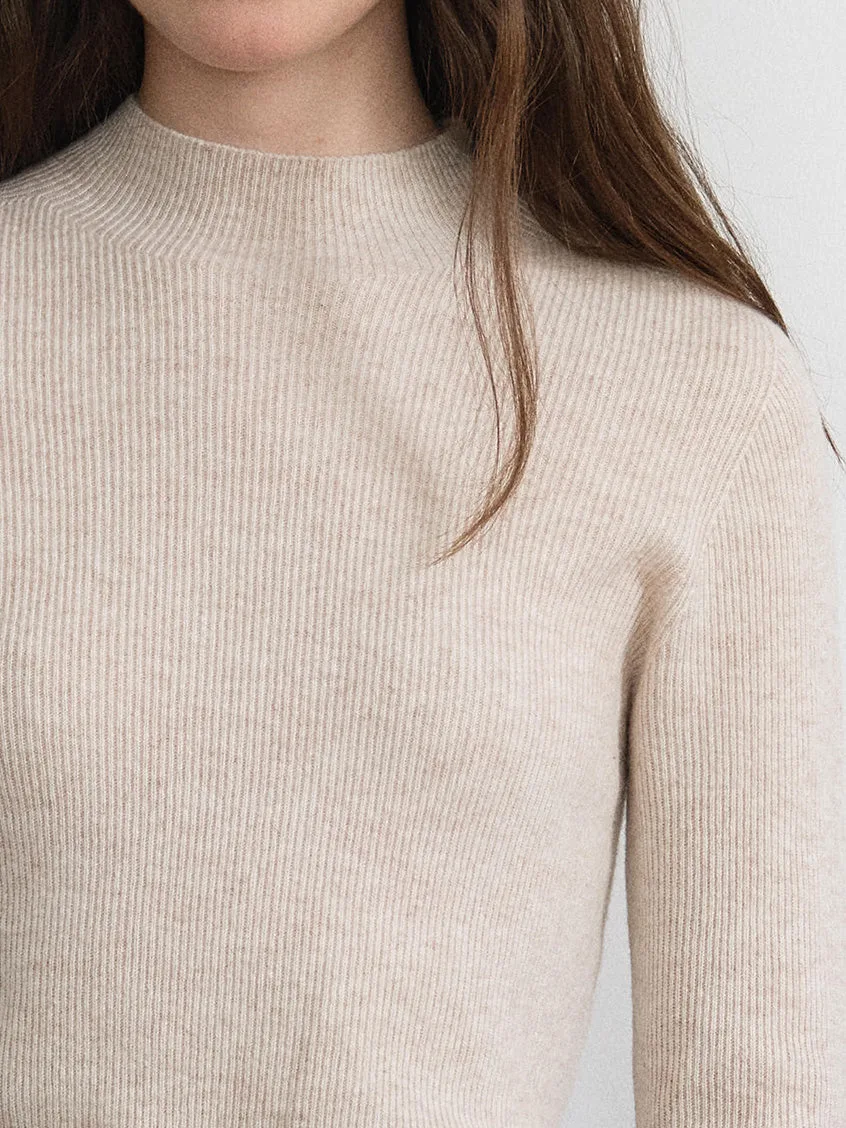
Check for any instructions about washing, drying, or professional care, and take the most restrictive relevant direction seriously. Do not assume that a cold wash, hand wash, or a particular drying method is safe for every knit. If the label directs dry cleaning, use a professional cleaner rather than substituting a home method. If you are considering a sweater such as the Sabra Ribbed Wool-Cashmere Sweater, check the actual sewn label on the garment for its care directions; its name alone does not establish a cleaning method.
Decide whether it needs cleaning before storage
Look over the front, back, cuffs, neckline, and underarm areas in good light. Notice visible marks, food traces, makeup, or areas that have picked up odor during wear. A quick inspection helps you make a deliberate choice instead of putting away a garment with something you already know needs attention. It does not mean every sweater needs washing after every wear; follow the care label and consider the garment’s actual condition.
When cleaning is needed, follow the label rather than improvising with a different cycle, temperature, or treatment. If you cannot tell whether a mark will respond safely to the permitted care, ask a professional before treating it. A DIY spot treatment may be convenient, but it can leave a mark, affect the surface, or conflict with the label. Keep the goal modest: clean the garment by an appropriate method, not by testing an unverified technique.
For a piece that only needs a brief airing and has no soil or odor, a suitable airing period may be enough before storage. Choose a clean, dry place and keep the garment away from direct sources of heat. Airing is not a replacement for cleaning a stain, and it does not override a label instruction. A knitwear collection can offer examples to browse, but each garment still needs its own label check.
Make “fully dry” a real checkpoint
Do not store knitwear while it feels damp or cool from drying. Check more than the broad front panel: cuffs, ribbed hems, underarms, folded layers, and thicker seams can take longer to dry. If you have just cleaned a garment, allow it to finish drying according to its label and the care method used. When in doubt, give it more time in a well-ventilated spot rather than sealing it away early.
This step matters even when the outside seems ready. A slightly damp area tucked inside a fold is easy to miss, and a closed container gives that garment little opportunity to air. Resist the temptation to speed things up with a heat source unless the label specifically permits the method. The trade-off is a little more time before storage; the benefit is that you are not relying on guesswork about what is hidden in the fold.
Fold to support the shape, not to pull it into place
Before folding, lay the garment on a clean, flat surface. Smooth it gently with your hands rather than tugging at the shoulders, cuffs, or hem. Bring the sides inward in a relaxed fold, then fold the body to a size that fits your storage space without forcing the knit into a tight bundle. The aim is to support the garment evenly, not stretch it flat or press it into a sharply compressed stack.
Try this small fitting-and-folding exercise with a sweater you plan to store: note how its shoulders and hem sit when it is laid flat, then fold it loosely and lift it by the folded body. If the fold pulls one edge taut, opens under its own weight, or requires you to stretch a cuff into alignment, unfold it and adjust the fold. Compare the laid-flat outline again afterward. This is a practical check, not a test of whether the garment has a particular fit; its purpose is to avoid storing it under tension.
For a knit with a shape you want to preserve, avoid hanging it for long-term storage unless its care guidance and construction make that appropriate. A hanger can concentrate the garment’s weight at the shoulders. Folding on a shelf or in a drawer usually makes it easier to distribute support across the body. Do not pack heavy items on top or make a stack so high that removing one piece drags the others out of shape.
Choose a breathable, clean storage spot
Store dry knits in a clean, dry place where they are not crammed against other clothing. A breathable fabric bag or a clean shelf may suit your setup; a sealed container can be convenient for keeping items together, but it makes the dry-before-storage check especially important. If you use a container, do not treat it as a substitute for checking the garment. Choose an arrangement that lets you remove a sweater without pulling hard on its neighbors.
Keep storage away from damp areas and direct heat. Before placing folded items on a shelf, make sure the shelf itself is clean and dry. If you are deciding how to group pieces, put the knits you expect to reach first where they are easy to lift out, rather than burying them beneath a dense stack. The point is not elaborate closet organization; it is to make access gentle enough that a quick check does not turn into a tugging match.
Inspect occasionally, then refold with care
Set a reminder to look in on stored knitwear periodically, especially if the storage space has conditions that can change. Open the container or move the stack carefully, check that garments remain dry and clean, and look for new marks, snagging, or a fold that has become compressed. If you find a concern, take the item out and assess it in good light. Return it only when it is fully dry and you have followed its label for any needed care.
Inspection does not require a complicated schedule or a special treatment routine. Its value is that you can notice an issue while the garment is accessible, rather than discovering it when you are already dressing for a cooler day. If you need help interpreting a care symbol or locating garment information, contact Rustic Cottage with the item details. Ask about the specific garment instead of assuming that a similar sweater has identical instructions.
Use this last check before closing the shelf
Before you put seasonal knitwear away, pause over each piece and ask four questions: Did I read its sewn care label? Is any needed cleaning complete by the directed method? Is the garment fully dry, including its thicker areas and folds? Is it folded with even support in a clean, breathable place where I can inspect it again?
If any answer is uncertain, leave that sweater out until you can resolve the question. That small delay is more useful than rushing a garment into storage and hoping the conditions were right. When the next season arrives, lift the knit out gently, check it once more, and follow the label before wearing or cleaning it. A straightforward routine keeps the decision tied to the garment in front of you—not to a one-size-fits-all rule.
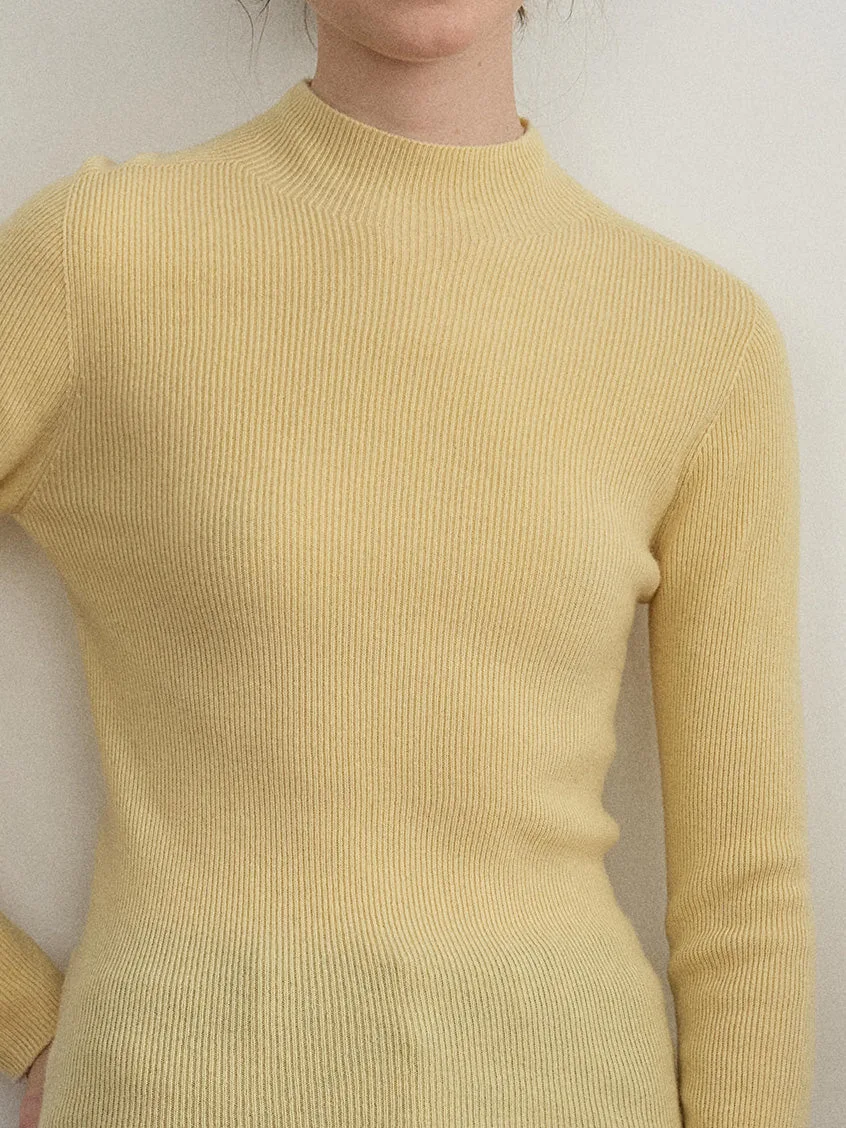
Explore the pieces behind the ideas
Browse our knitwear for full product photographs and listed specifications. Ask our team for fit and availability, or visit wholesale partnerships if you’re buying for a boutique.