Creating a vintage inspired wardrobe is less about copying a specific decade and more about selecting pieces that feel familiar, comfortable and useful in everyday life. This guide translates that aesthetic into practical shopping choices, outfit recipes, garment care, and wholesale considerations for independent boutique buyers. Whether you’re a woman looking to infuse your daily wardrobe with mid-century silhouettes or a buyer seeking reliable stock for a small shop, the ideas below give clear, usable steps and trade-offs so you can make confident decisions.
Start with a clear, flexible foundation
Begin by defining which vintage cues appeal to you: is it 1940s tailoring, 1970s florals, or 1990s grunge details? Once you pick a direction, assemble a base of neutral, high-utility items that work across looks. Recommended pieces include a tailored cardigan, a high-rise straight skirt, a well-cut trench, a plain blouse and a pair of loafers or low-heeled pumps.
Trade-offs: investing in neutral basics means fewer statement purchases, but makes it easier to mix new vintage finds into outfits. For boutique buyers, stock enough neutrals to anchor trendier seasonal pieces—these sell more steadily.
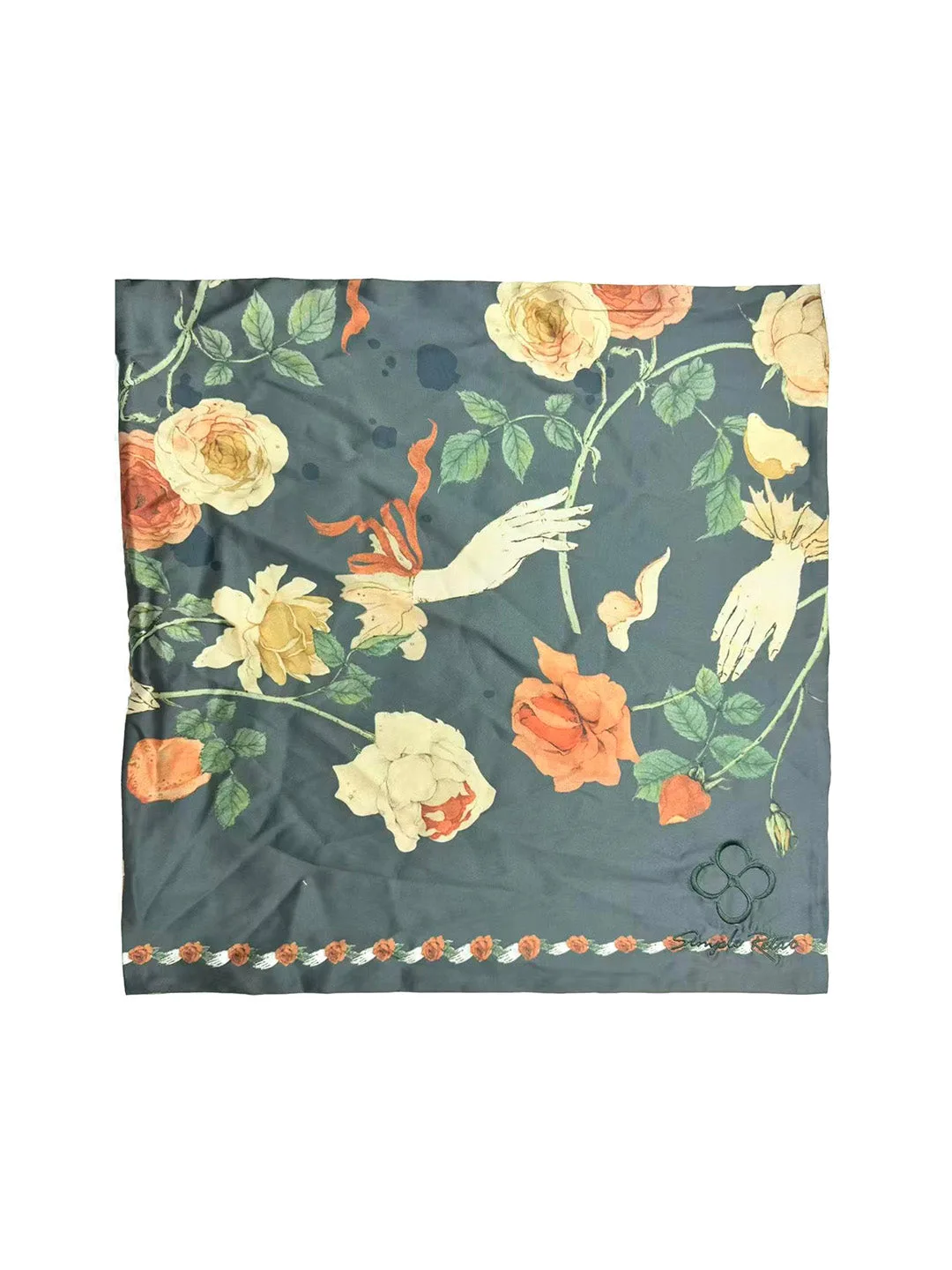
Practical outfit example: pair a straight midi skirt with a tucked blouse and loafers for a weekend errand run. Swap the blouse for a fitted knit and add a printed scarf for a short office meeting.
Choose silhouette-first, then fabrics
The silhouette determines whether a piece reads as vintage. Look for defined waists, puffed sleeves, dropped shoulders, A-line skirts, and structured collars. Once the silhouette fits your vision, select fabrics that suit your climate and lifestyle.
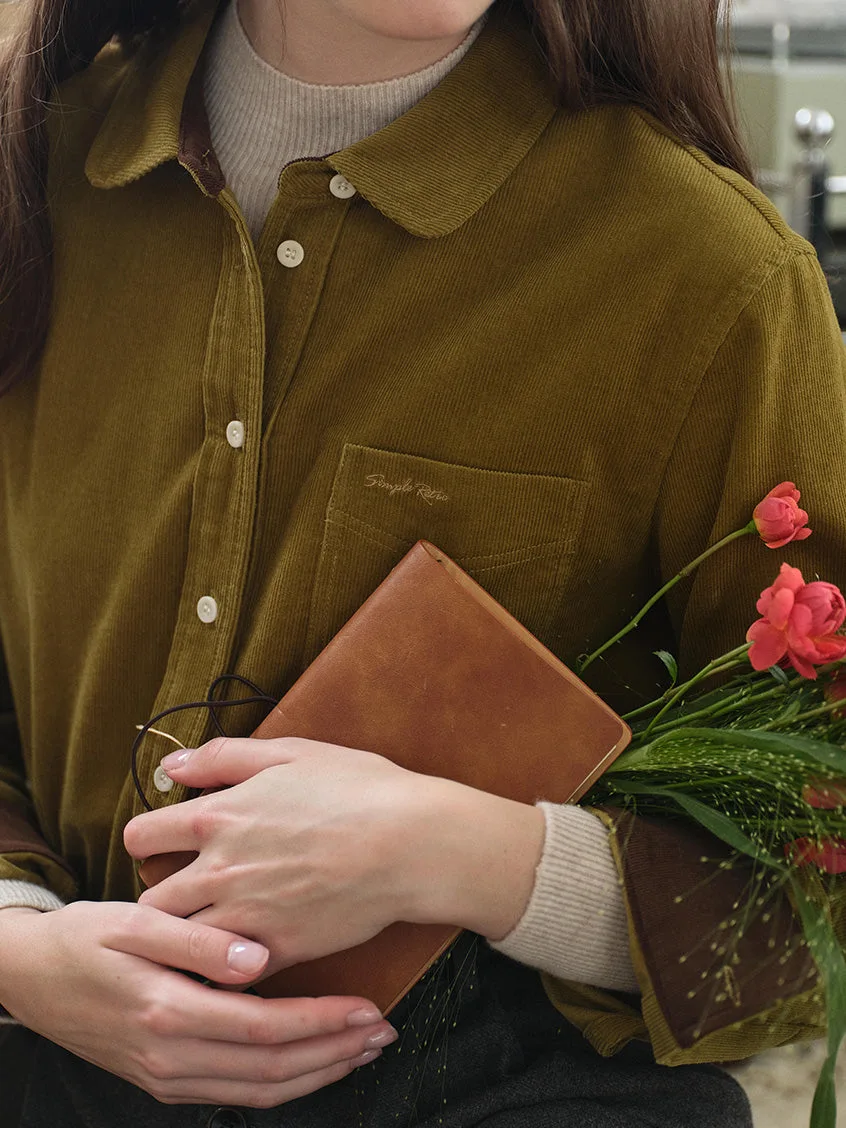
Trade-offs: heavier fabrics like velveteen give strong vintage cues but need more seasonal wear; lightweight cottons and knits adapt across seasons. If you like textural contrast, consider the Hesper 100% Cotton Contrast-Cuff Velveteen Shirt in either retro red or green as an anchor piece that pairs with breezier skirts or tailored trousers.
Invest in a few standout blouses and knits
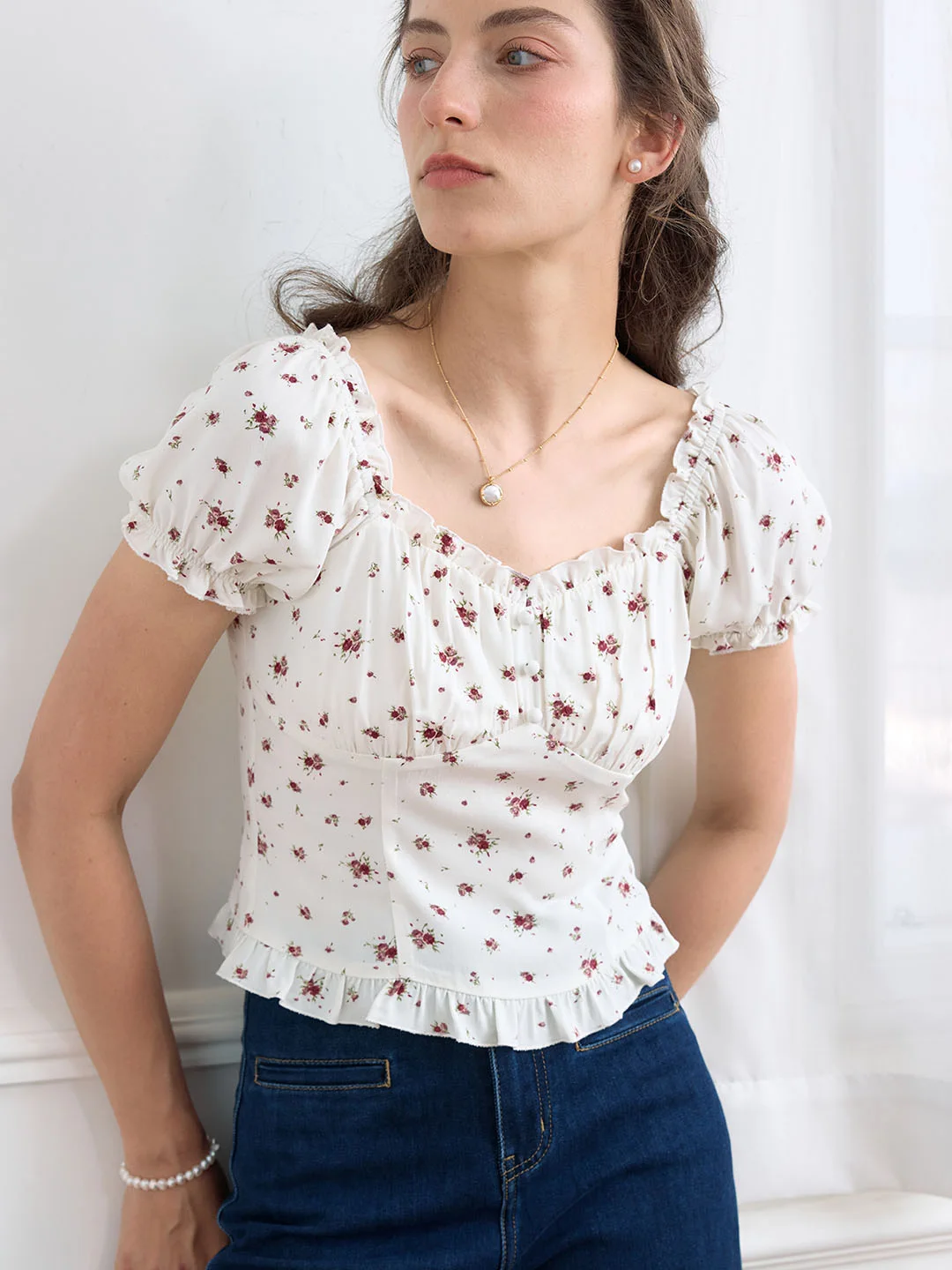
Blouses and light knits are the easiest way to introduce vintage details into everyday dressing. Look for puff sleeves, lace trims, Peter Pan collars, or mock necks. A piece like the Octavia Mock Neck Hollow Lace Patchwork Puff Sleeve Blouse brings visible vintage character and can be worn with jeans or a skirt.
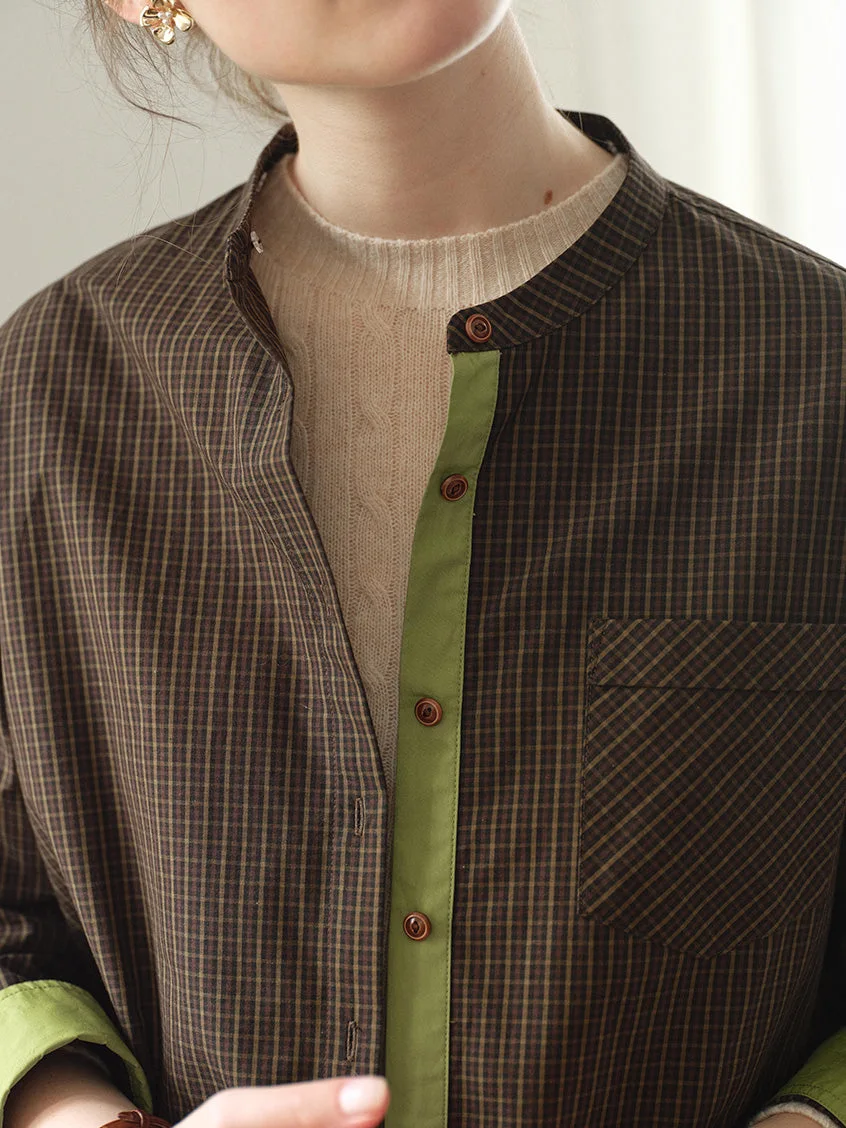
Concrete outfit examples: tuck a lace puff-sleeved blouse into high-waisted wide-leg trousers for a polished daytime look; layer a faux-layered wool top such as the Madeleine V-Neck Faux Layered Wool Top beneath a blazer for cool-weather office wear.
Trade-offs: delicate fabrics require gentler care and can be less forgiving in very active days. For practicality, reserve the most fragile blouses for planned outings and choose sturdier knits for daily wear.
Build a shoe and outerwear rotation that works daily
Shoes and coats most strongly define how vintage an outfit reads. Chelsea boots, loafers, Mary Janes, and low block heels are versatile and historically resonant. For outerwear, a cropped boxy coat, a longline trench, or a structured blazer will transform modern pieces into vintage-inspired ensembles.
Practical tip: buy shoes in the afternoon when feet are slightly larger to ensure comfort. Trade-offs: classic leather shoes require break-in time and occasional resoling, but they polish looks more effectively than most budget options.
Outfit example: a trench with cropped trousers and loafers reads put-together and practical for commuting, while a boxy coat and midi skirt feel more retro for weekend brunch.
Use prints and accessories as finishing tools
Small accessories—scarves, brooches, structured bags, belts—are high-impact and low-cost ways to reinforce a vintage inspired wardrobe. Polka dots, ditsy florals, and narrow stripes read vintage without overwhelming. Use a silk scarf at the neck to reference 1950s styling or a skinny leather belt to emphasize a waist.
Trade-offs: bold prints can date an outfit if overused. If you’re unsure, introduce prints in a single piece (a blouse or a scarf) and keep the rest neutral.
Business note for boutiques: accessories often have higher margin and lower return rates—offer a range from entry-level to premium to capture impulse and gift buyers.
Fit tailoring: the small changes that transform pieces
Tailoring is the secret to making vintage-inspired garments look intentional. Hemming a skirt to fall at mid-calf instead of just below the knee can change the era a piece evokes. Adjusting shoulder pads, tapering a waist, or shortening sleeves are inexpensive alterations that deliver a big visual shift.
Concrete examples: for a boxy blazer, take in the sides slightly to create a more 1940s hourglass illusion; shorten long sleeves on a blouse to a three-quarter length for a 1950s vibe. Trade-offs: tailoring costs add up if you buy many items; prioritize tailoring for pieces you’ll wear frequently.
Care and longevity: practical fabric advice
Always check the sewn care label first—different fibers and finishes need specific handling. For garments that lack clear labels (found vintage or custom), test a hidden seam before washing, or consult a professional cleaner. When in doubt, treat delicate fabrics and trims gently: rinse or dry-clean as specified, and store knits folded to avoid shoulder stretching.
Trade-offs: hand washing and professional cleaning extend lifespan but increase maintenance time and cost. Decide which pieces warrant that investment: save intensive care for favorites and machine-washable basics for daily rotation.
Shopping strategy for modern-vintage balance
Mix new production pieces that mimic vintage shapes with authentic vintage finds for character. New pieces give consistent sizing and construction; vintage pieces offer unique details but sometimes require repairs. When shopping, prioritize fit over brand or age—if a blouse fits perfectly, it will serve you better than a rare label that feels uncomfortable.
Concrete buying approach: for everyday tops, use new items that are true to size and made from user-friendly fabrics; for occasional statement garments, source vintage where the unusual cut or trim matters most.
Online orders for Rustic Cottage items are handled by email—confirm availability, shipping, and payment terms in writing via the contact form rather than assuming instant checkout. Wholesale pricing, minimums and lead times are provided on inquiry through the wholesale channel.
Wholesale considerations for independent buyers
If you operate a boutique and want to carry vintage-inspired pieces, build a selection strategy: offer core basics in neutral colors, a rotation of seasonal statement blouses, and a small set of accessories. Track sell-through rates per SKU for three months before expanding the range.
Trade-offs: carrying a wide selection increases variety but ties up capital. Prioritize SKUs that match your customer base and local climate. Request wholesale details and terms directly through the Rustic Cottage wholesale inquiry, and confirm minimums and pricing in writing before committing.
Practical merchandising example: present outfit capsules on mannequins—pair the Hesper velveteen shirt with a high-waisted skirt and boots to show customers how to wear a texture-rich top across looks. Use a size guide link like size guide to reduce returns and answer fit questions upfront.
Putting it all together: simple outfit blueprints
Blueprint 1 — Errand day: cotton blouse, tapered jeans, loafers, lightweight cardigan. Keep accessories minimal and a crossbody bag for hands-free ease.
Blueprint 2 — Office-ready: faux-layered wool top under a tailored blazer, midi pencil skirt, low block heel. Add a narrow belt to define the waist.
Blueprint 3 — Weekend vintage: velveteen or textured shirt, high-waisted wide-leg trousers, ankle boots, patterned scarf. Statement texture plus simple bottom keeps the look approachable.
For product ideas and to shop tops that suit these blueprints, explore the Rustic Cottage blouses and tops or browse the broader clothing collection. If you have questions about specific items, use our contact our team page to request availability and shipping information.
Conclusion: practical priorities for a workable wardrobe
Building a vintage inspired wardrobe is a balance between aesthetics and practicality. Prioritize fit, invest selectively in tailoring, and use accessories and a few signature pieces to project the vintage cues you want. For boutique buyers, align stock with customer needs and confirm wholesale terms directly. With these steps—thoughtful basics, silhouette-first shopping, and realistic care—you can assemble a wardrobe that reads vintage while functioning smoothly in everyday life.
Explore the pieces behind the ideas
Browse our blouses & tops for full product photographs and listed specifications. Ask our team for fit and availability, or visit wholesale partnerships if you’re buying for a boutique.