Imagine getting dressed for a day that includes a bus ride, a desk, and a quick stop at the market. Your favorite blouse has soft puff sleeves, and the pinafore looks like an easy match—until you reach forward and feel the fabric catch beneath your arms. The problem may not be the blouse or the dress on its own. It may be the room where their shapes meet.
Layering a pinafore is less about finding a blouse that looks right by itself and more about checking how sleeves, armholes, necklines, and straps work together. A plain sleeve is often the simplest starting point, but it is not automatically the best choice for every dress or day. Test the combination in motion before deciding.
Start with the armhole, not the outfit photo
A pinafore’s armhole has to accommodate both your arm and whatever fabric sits beneath it. If the opening is close to the body, a gathered sleeve may press into the edge or form a ridge. A roomy-looking armhole can still feel restrictive if its shape does not match the blouse’s sleeve cap. Photos usually cannot show how those layers behave when you bend or reach.
When trying a combination, put on the blouse first and settle its shoulder seams and cuffs. Then add the pinafore without pulling the blouse fabric downward. Notice whether the armhole edge lies smoothly, whether the blouse sleeve lifts when you raise your arm, and whether the dress shifts toward your neck. A persistent tug is useful information: changing the blouse may be more comfortable than trying to force the pair to work.
If shopping online, use the garment information available rather than assuming all pinafores allow the same layers. Compare the listed details with a dress you already own that feels comfortable over a blouse, and consult the size guide where available. A size choice cannot guarantee a particular armhole shape, so ask about a specific fit question through customer contact if the listing leaves it unclear.
Plain sleeves are the lower-bulk option
A blouse with a relatively smooth sleeve gives the pinafore less fabric to contain. A narrow cuff, simple set-in sleeve, or light long sleeve can sit more quietly under the dress, especially when the pinafore armhole is close. This is a practical first try for a long day involving movement, or when you want the straps and bodice to remain the main visual details.
There is a trade-off: a plain sleeve may feel too ordinary if you want a more pronounced vintage-inspired look, and a close-fitting sleeve can still pull if the armhole or shoulder placement is wrong. Avoid judging by appearance alone. Reach forward, lift your arms, and check whether the sleeve twists or drags. If it does, a different cut or fabric weight may work better than simply choosing a thinner blouse.
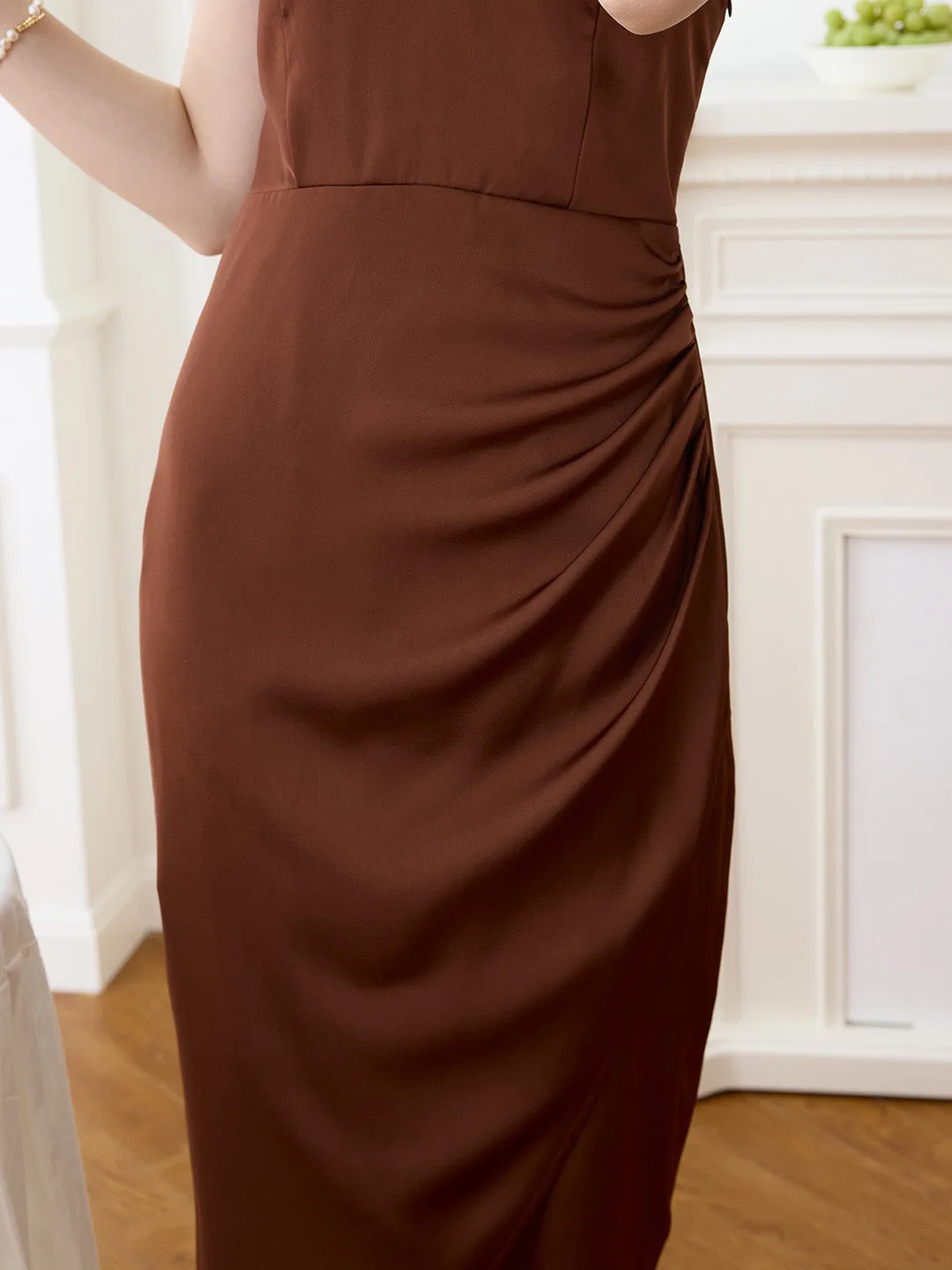
For a straightforward starting point, browse the retailer’s dress collection for a pinafore shape to compare with blouses you already wear. For example, the Skyla Waist-Cinched Sleeveless V-Neck Dress is identified as sleeveless with a V-neck in its listing. That description does not establish its armhole measurements or confirm how it fits over any particular blouse; check the product details and your preferred layering combination before ordering.
Puff sleeves need a deliberate clearance check
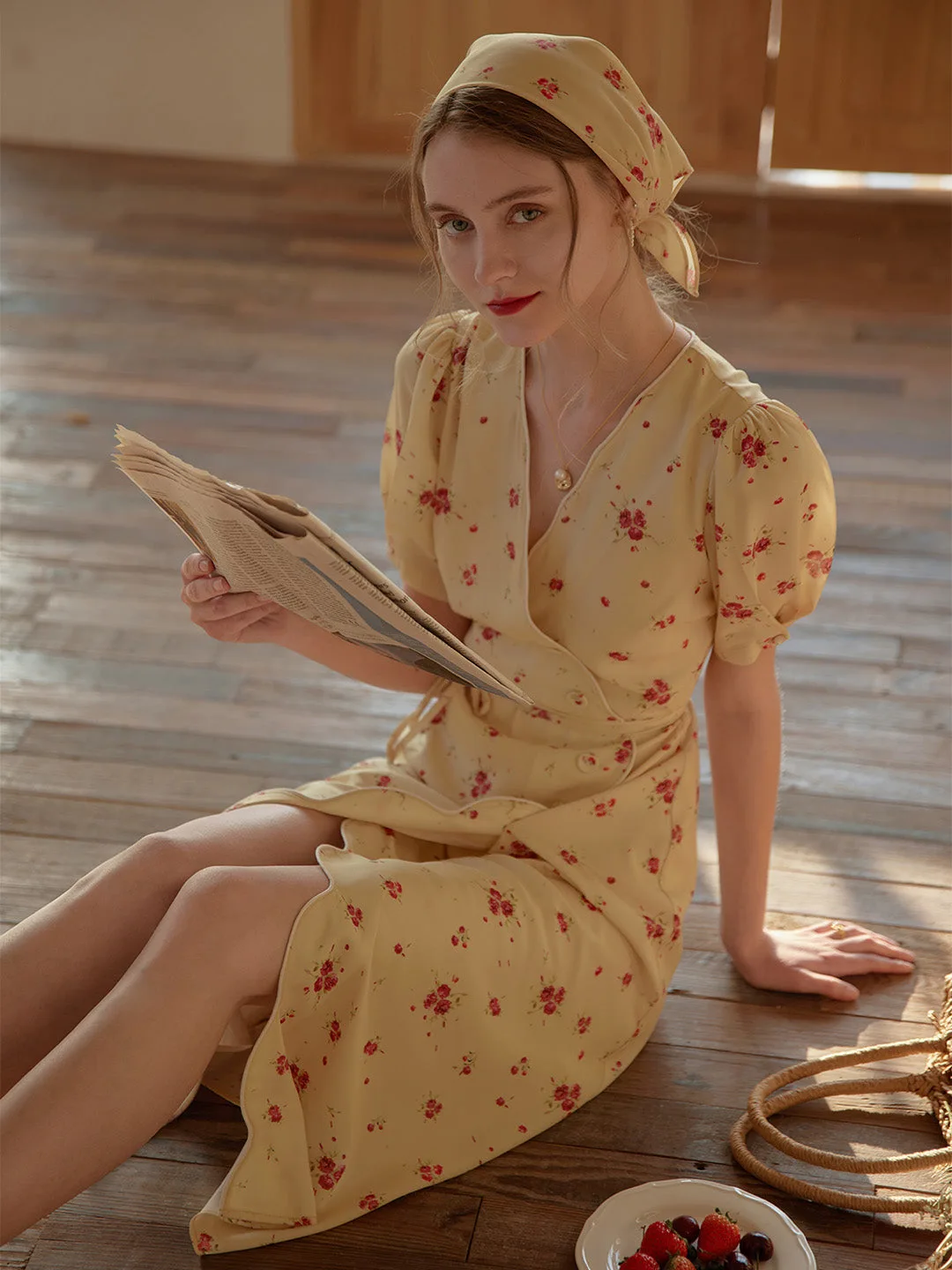
Puff sleeves add volume at the shoulder or upper arm, where a pinafore’s straps and armhole can already occupy space. If the gathered area is compressed, it may feel bulky and make the dress sit differently across the chest. The effect can be charming when the shapes have enough room, but uncomfortable when the sleeve is crowded under a narrow opening.
Try the puff-sleeve blouse with the pinafore and check three points: does the sleeve keep its intended shape, does the strap sit flat rather than riding on a gathered seam, and can you move your arms without the dress shifting? A puff concentrated at the shoulder may conflict with a strap more than a sleeve that widens lower down. Conversely, a small, soft gather may be easier to accommodate than a large, structured puff. These are shape comparisons, not guarantees; the specific garments matter.
If the outfit nearly works but feels crowded, try a blouse with a gentler sleeve shape rather than sizing up the pinafore by guesswork. A larger dress may change the bodice fit without solving where the sleeve volume gathers. If you love the puff, consider wearing it with a different sleeveless dress or on its own, instead of insisting that every favorite piece layer successfully.
Check collar height against the neckline
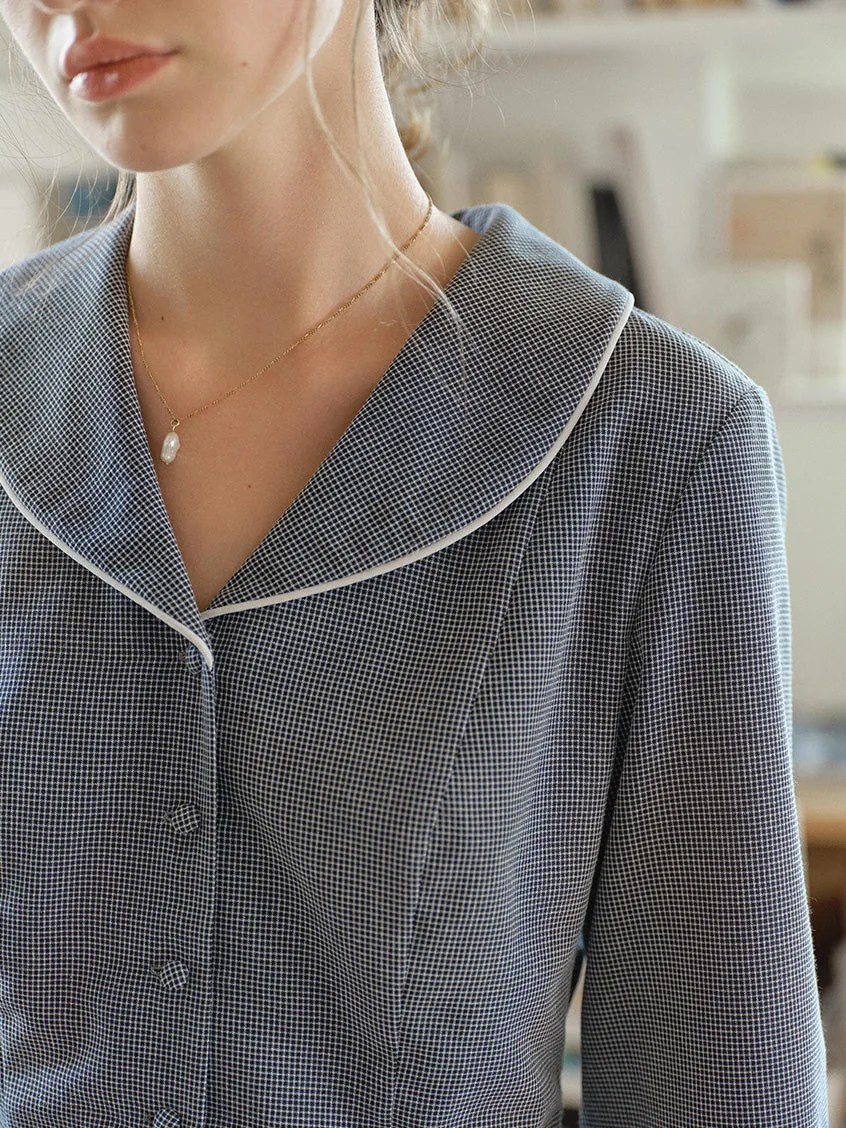
A collar can bunch where the pinafore’s bib or neckline meets the throat. A tall collar may fold under the dress edge; a broad collar may spread over the straps or compete with them. Neither is inherently wrong, but the combination can feel fussy if the collar has nowhere to lie comfortably.
Fasten the blouse as you would actually wear it, then put on the pinafore. Look at the collar from the front and side. Does it sit evenly, or does one point tuck under a strap? Can you turn your head without the collar pressing upward? If you prefer an open neckline, check that the blouse still stays in place as you move rather than assuming an undone top button will solve the fit.
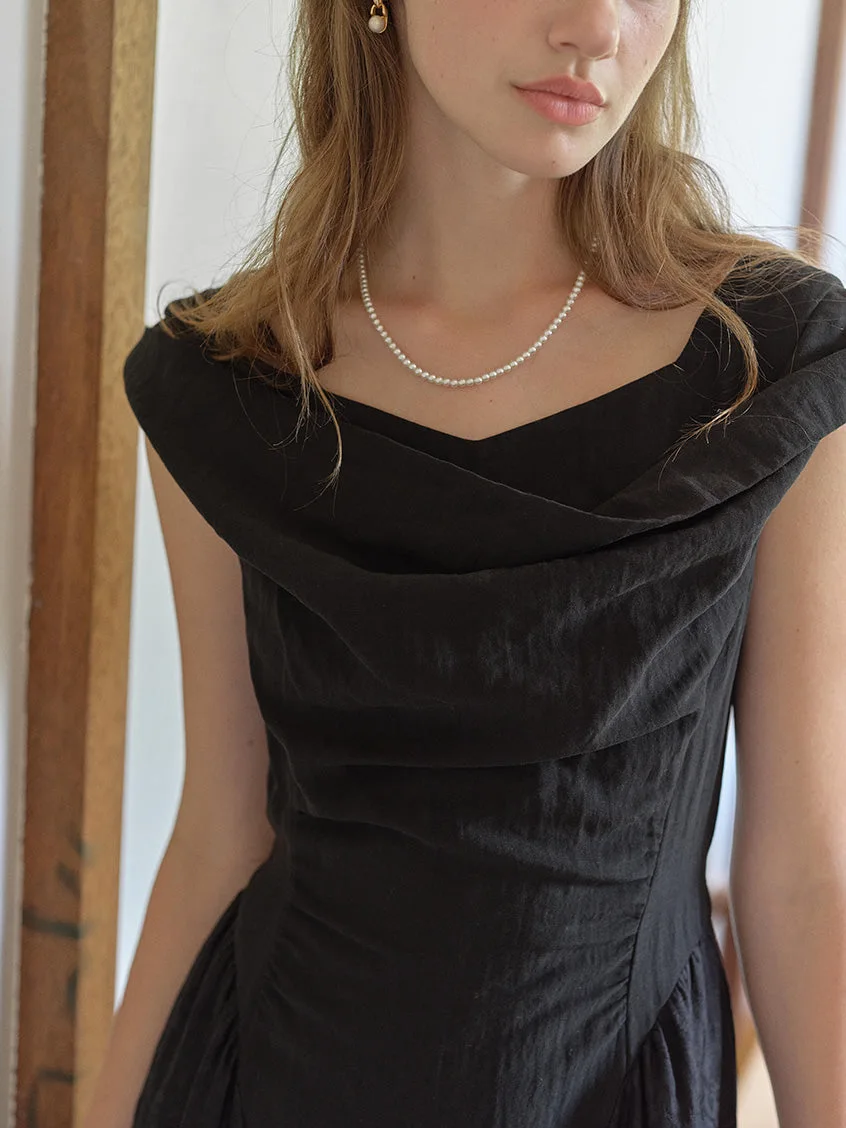
A V-neck pinafore may leave more visual space for an open or lower collar, while a higher bib can make a small, tidy collar feel more balanced. Those are styling possibilities, not rules: compare the actual neckline depth and collar shape. The Jacqueline Floral Print Off-The-Shoulder Contrast Bow Slip Dress is listed as sleeveless and off-the-shoulder, but its title alone does not make it a pinafore or establish that it will accommodate a blouse. Treat it as a distinct neckline option, and review its details rather than assuming it layers like another dress.
Straps can expose small fit mismatches
Pinafore straps cross the shoulder area where blouse seams and sleeve gathers may also sit. If a strap lands directly over a bulky seam, it can create pressure or shift as you move. Straps that slide outward may also expose more of the blouse shoulder than you expected. A smooth shoulder seam and a blouse with little extra fabric at the sleeve head can make this area easier to manage.
Check the straps from the front, side, and back. Do they lie flat on the blouse? Do they stay in place when you reach across your body? If the straps are adjustable, use only the adjustment intended by the garment and make sure the bodice still rests comfortably. Do not assume that strap placement can be corrected by pulling the dress tighter; that can trade one annoyance for another.
Seated coverage is part of the fit
A standing mirror check misses what happens when the dress shifts while you sit. The bib may pull downward, the hem may ride up, or the blouse may creep out of place at the waist. For a workday, meal, or long drive, these changes can matter more than how the outfit looks in a still pose.
Try sitting in a chair with your feet on the floor, then lean forward as if reaching for a bag. Check whether the pinafore remains comfortable across the chest and whether the blouse stays tucked or covered as you intend. Stand, walk a few steps, and sit again. If you find yourself repeatedly tugging the straps or smoothing fabric, note exactly where the movement starts; it may point to a sleeve, shoulder, or overall length mismatch.
Use a short try-on sequence before committing
Here is a practical fitting exercise for a blouse-and-pinafore pairing. It takes only a few minutes and helps separate a sleeve problem from a neckline or strap problem:
- Set the base: Put on the blouse, smooth its shoulder seams, and fasten it the way you plan to wear it.
- Add the dress: Check the armholes, straps, collar, and front neckline without tugging either garment into place.
- Move through the day: Reach overhead, cross your arms, sit, lean forward, and stand again. Notice pinching, bunching, slipping, or exposed areas.
- Change one variable: Try a plainer sleeve, a lower collar, or a different blouse before changing dress size. Repeat the same movements.
Changing one thing at a time makes the result easier to read. If a smoother sleeve solves the issue but the collar still presses, you have two separate fit considerations—not evidence that the whole style is unsuitable. Keep the combination that feels secure without constant adjustment, and follow the sewn care labels for each garment.
Choose the easiest workable combination
For a busy day, a smooth sleeve and a collar that lies comfortably are sensible first options. Choose a puff sleeve when the armhole and straps leave it room to sit naturally, and accept that the look may be less comfortable if the volume is compressed. If seated movement changes the coverage or makes you tug at the dress, keep testing rather than relying on a standing view.
There is no need for one pinafore to accommodate every blouse in your closet. Compare product descriptions, ask a precise question when a detail is missing, and use the try-on sequence with the layers you genuinely plan to wear. A good pairing is the one that looks intentional and lets you reach, sit, and move without negotiating with your clothes all day.
Explore the pieces behind the ideas
Browse our dresses for full product photographs and listed specifications. Ask our team for fit and availability, or visit wholesale partnerships if you’re buying for a boutique.