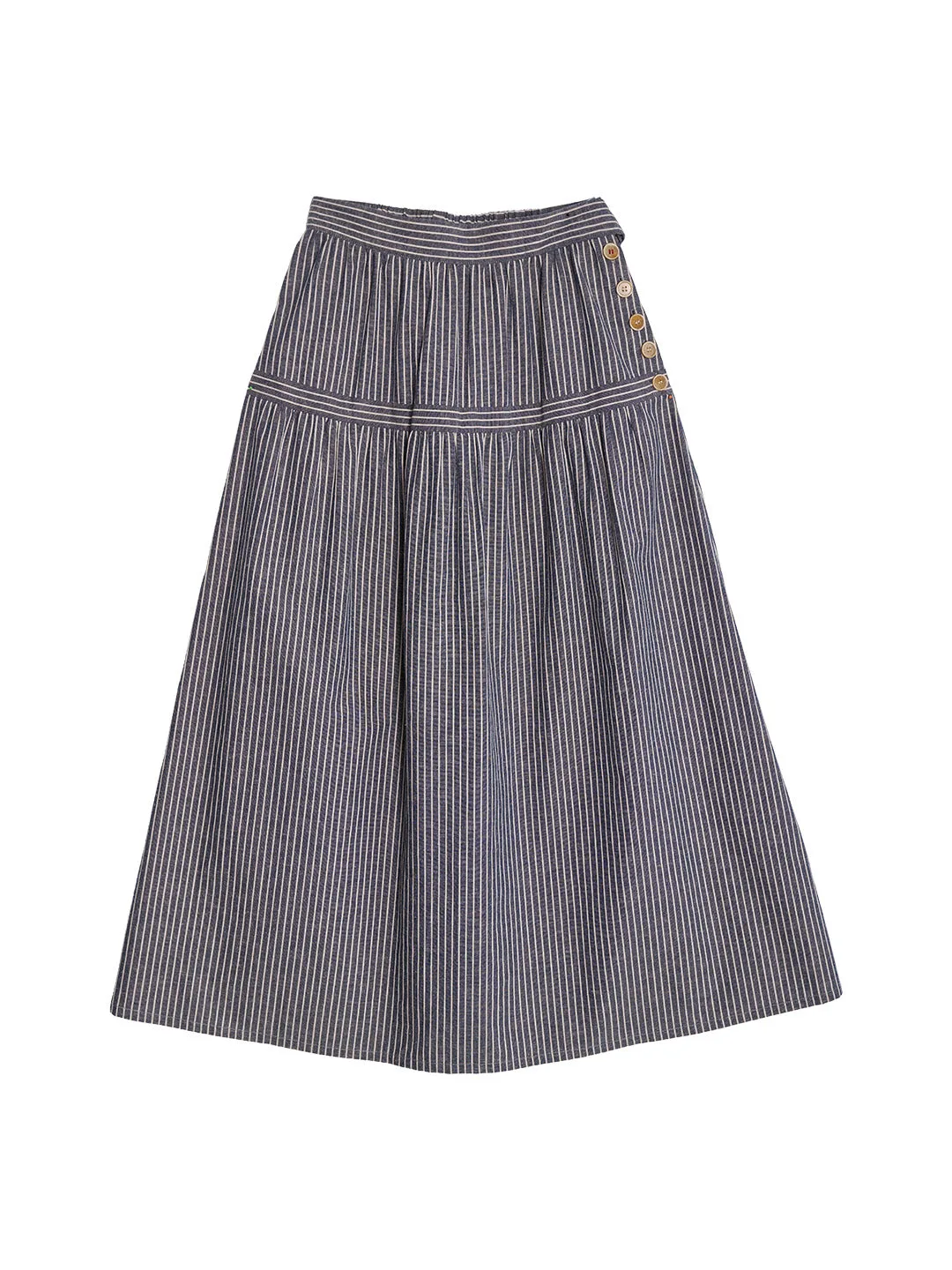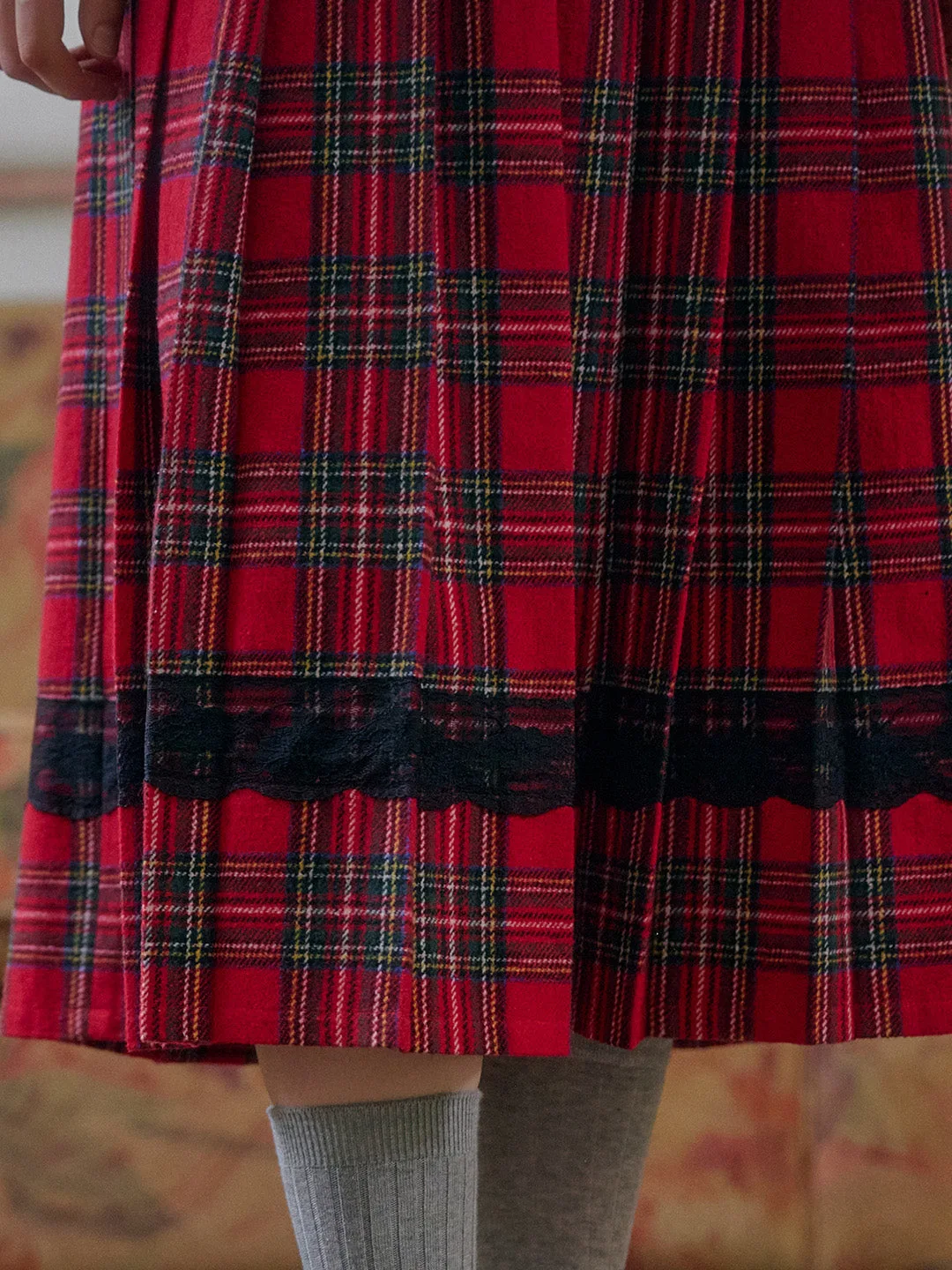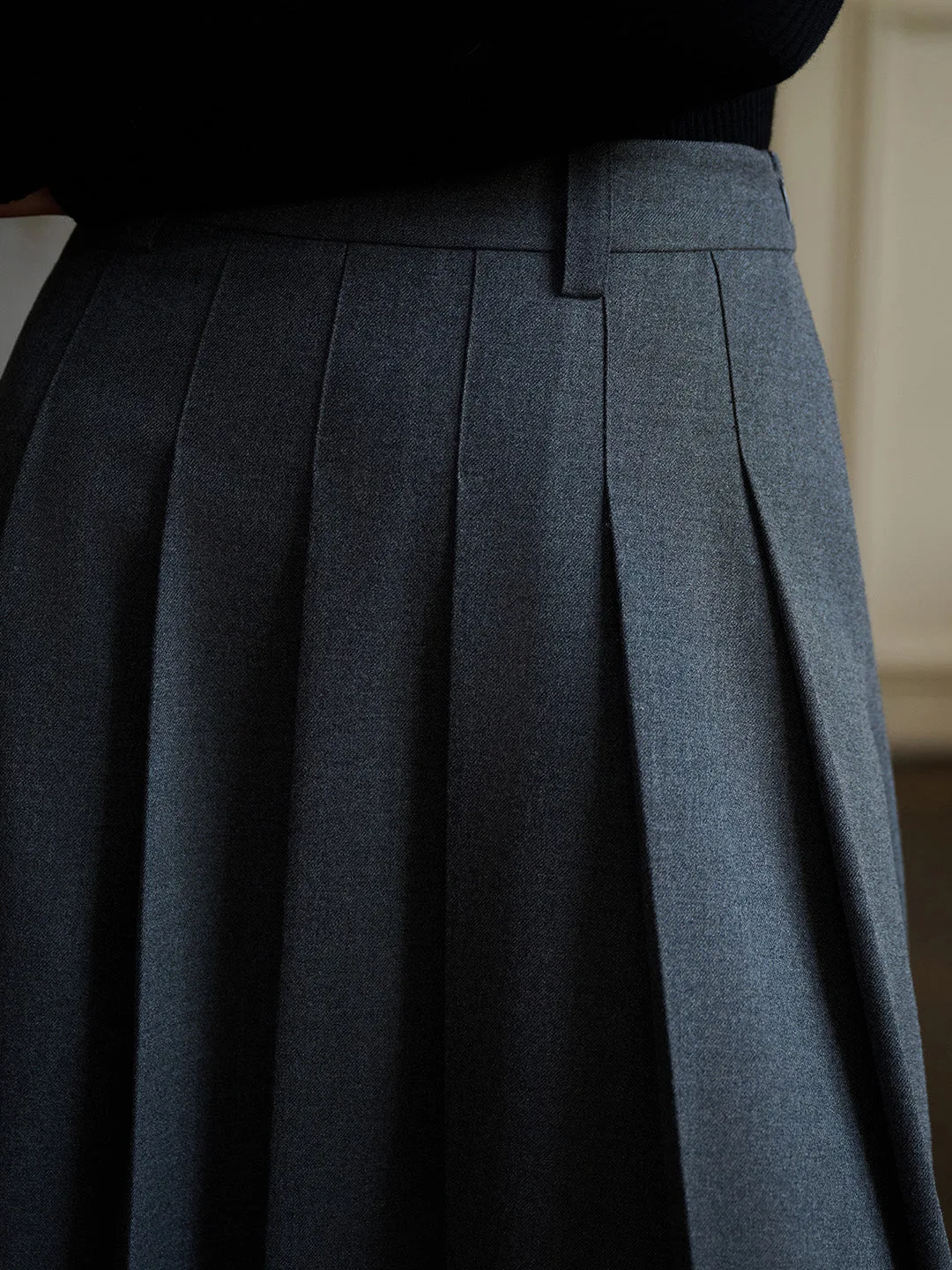
You order a midi skirt expecting its waistband to meet the narrowest part of your torso, but when you put it on, it sits below that point—and the hem seems longer than you pictured. Before reaching for a tighter size or pulling the waistband upward all day, check where the skirt is meant to sit and how that position changes the rest of its fit. Natural waist and garment waist are not always the same place. A useful decision depends on the skirt’s rise, the way its waistband stays in place, and whether it remains comfortable when you sit.
Start with where the waistband is designed to rest
Your natural waist is a body landmark, but a garment’s “regular waist” or “high waist” describes its intended placement, not a promise that the waistband will line up with yours exactly. A high-waist style is generally meant to sit higher on the torso than a lower-rise skirt, while a regular-waist label gives a broad category rather than a precise location. Torso length and individual proportions can make the same style feel differently placed on different people.
Put the skirt on without forcing the band upward or downward. Notice where it settles when you relax, then check whether that position feels stable during a few steps. If it stays put only when you keep adjusting it, placement may not suit your preference. For a stated high-waist example, see the Zephyrine High-Waist Plaid Midi Skirt; its title indicates the intended rise category, but current measurements and material details should be confirmed rather than assumed.
Read rise and hem length as one fit question
Moving a skirt’s waistband changes where the hem lands, even though the garment itself has not changed length. Wearing a skirt lower can make it appear longer; pulling it higher can shorten the visible distance to the hem. That shift may also change how the skirt’s shape meets your waist and hips. So if a hem looks unexpectedly low, first test the waistband at its intended position before deciding that the skirt is simply too long.
Try a mirror check in shoes you expect to wear with the skirt. Stand naturally, then place the waistband where it feels designed to rest. Note the hem position and whether you can walk without holding the skirt in place. If the waist position feels right but the length still conflicts with your routine—such as stairs or frequent sitting—that is a separate trade-off. Browse the bottoms collection for alternatives, comparing listed garment details rather than assuming every midi length will sit or move alike.
Check the waistband while seated
A skirt can feel comfortable while standing and press uncomfortably when you sit. Sit in an ordinary chair with your feet on the floor, then notice whether the waistband digs in, folds, rolls, or makes you want to unbutton or shift it. A small change in sensation is not automatically a sizing problem, but persistent pressure is useful information: the waistband position, the garment’s ease, or both may not work well for your day.
Repeat the check after standing and taking a few steps. If the skirt rides up as you sit and stays there, consider whether its intended position or overall fit is right for you. Do not try to solve pressure by cinching the waistband more tightly; that can make sitting less comfortable and may cause the skirt to pull. A smoother-looking tuck is not worth a fit that requires constant attention. If you are ordering, compare available measurements with your own and ask about unclear details before sending an order request.
Separate elastic content from elastic construction
Fabric composition alone does not tell you whether a skirt has an elastic waistband. For example, the listing for the Linda Versatile Silhouette A-line Pleats Skirt identifies a regular waist, regular fit, non-stretch fabric, and a composition that includes 2% polyurethane elastic fiber. Those details do not establish that its waistband is elastic, how much it gives, or how it feels when seated. Avoid treating a fiber percentage as a substitute for a construction description.
When a listing explicitly describes an elastic waistband, that may offer some give, but it does not guarantee a comfortable fit at every position or after a full day of movement. If the waistband construction is not stated, ask rather than guessing. Rustic Cottage orders are email requests, so you can use the contact page to ask for current measurements or clarification before submitting one. This is especially useful when the waist placement is the deciding factor for you.
Use a short fitting exercise before choosing a size
Make a three-position check with a skirt you already own, or with a new skirt that can be tried on according to its purchase terms. First, note the position where the waistband naturally rests. Second, test whether a small shift upward or downward changes the hem enough to suit your shoes and usual activities. Third, sit, stand, and walk for a minute at the position that felt most natural. Keep the checks gentle; do not stretch or force the garment to simulate a fit it cannot comfortably hold.
Write down what you learn: preferred waistband location, acceptable hem range, and any pressure or slipping. Then compare those observations with a product’s stated rise, size information, and available measurements. The size guide can help with the measurement process, but it cannot answer an unstated construction question. Contact the retailer if a detail needed to make your choice is missing. This exercise works best as a comparison tool, not as a reason to expect every skirt to fit like the one you own.
Adjust the outfit, not your comfort
If the waistband sits securely but lower or higher than you expected, styling can help the outfit feel intentional without tightening the fit. Try a tucked or partially tucked top to make the waistband’s actual position clear, or leave a shorter layer untucked if that feels more comfortable. A belt may be an option only when the garment has a suitable way to wear one and the belt does not create extra pressure. Avoid adding a belt simply to disguise a skirt that keeps sliding.
Consider shoes and top length before deciding the skirt is unwearable: a different shoe can make a changed hem feel more balanced, while a top that covers the waist may soften a placement you do not prefer. These are styling choices, not fixes for pinching or instability. If the waistband still presses when seated, rides out of position, or demands constant adjustment, choose another size or style if available—or pass. The most useful fit is one that works in the position you can wear comfortably, not one you have to hold in place.
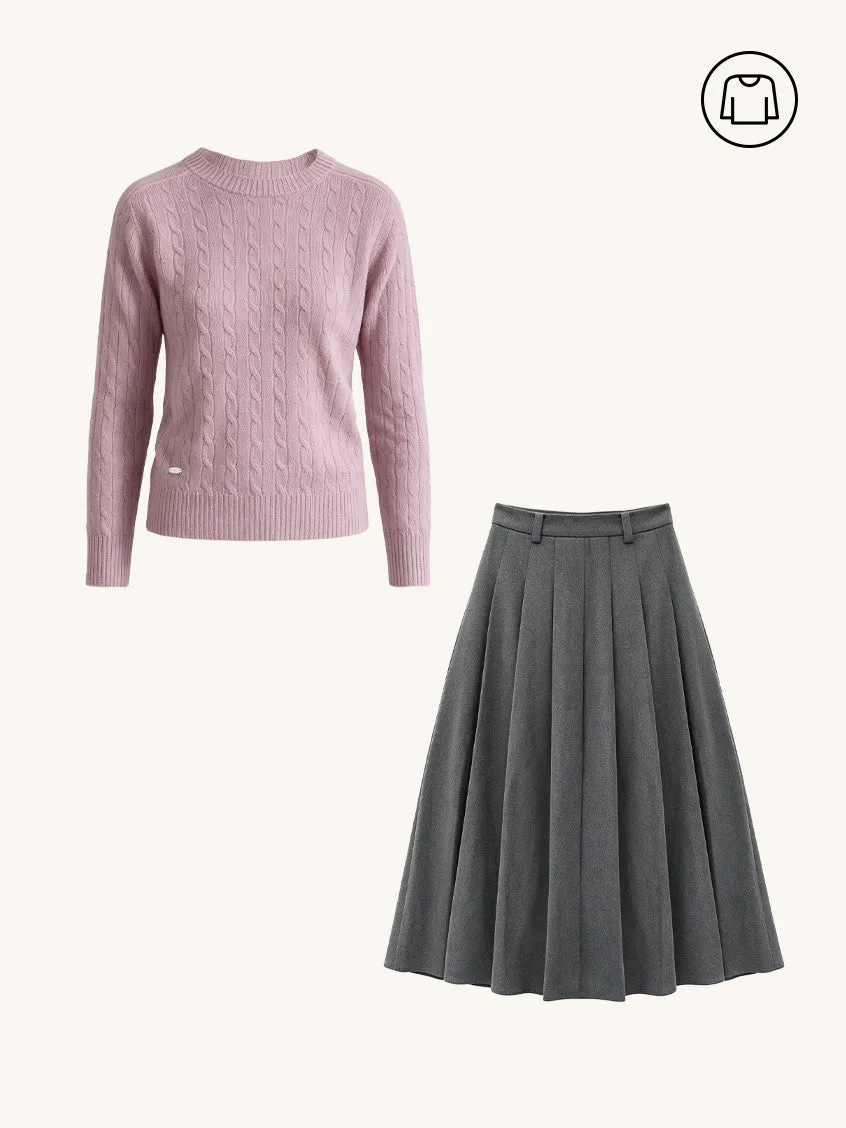
Explore the pieces behind the ideas
Browse our skirts & bottoms for full product photographs and listed specifications. Ask our team for fit and availability, or visit wholesale partnerships if you’re buying for a boutique.