You’re getting ready in a blouse that looks easy in the mirror, but the moment you sit, the fabric bunches under your waistband. Pulling it loose solves one problem and creates another: the hem now hangs unevenly over your skirt. That is a useful sign that the question is not simply whether to tuck. Hem shape, fabric volume and the way you move all affect the result. A half-tuck, full tuck and untucked finish each have a place, but none works automatically with every blouse or bottom. Use the options below as practical starting points, then check the outfit in motion before deciding.
Start with the hem, not a rule
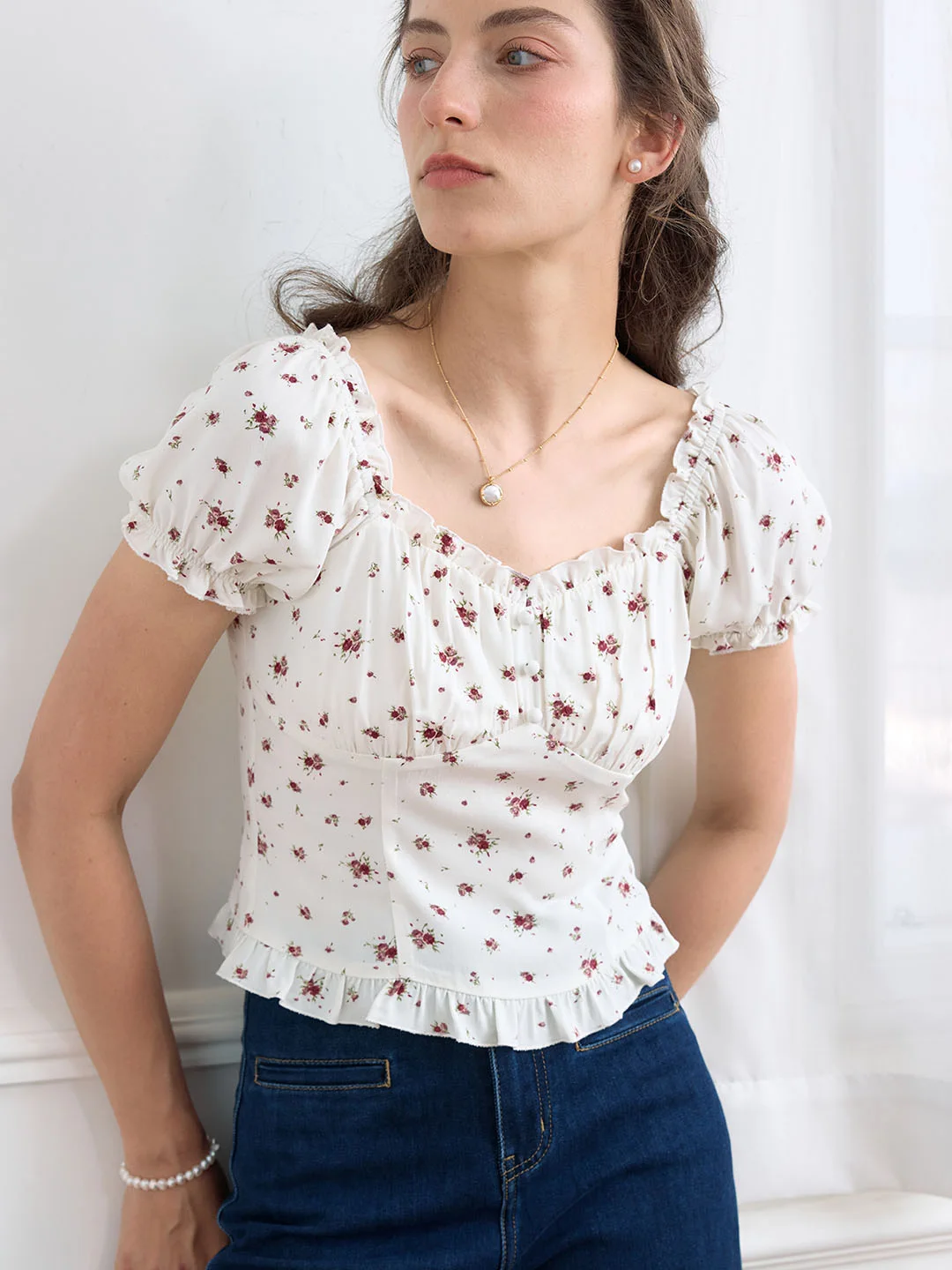
Before choosing a tuck, lay the blouse flat or hold it gently at the sides and look at the hem. A mostly level hem gives you more freedom: it can usually sit loose, be tucked all around or be drawn into a small front tuck. A curved hem may have longer points at the front or back. Leaving it out can preserve that shape, while tucking only the front may create a deliberate contrast between the tucked section and the longer sides.
An asymmetric hem needs its own check. If one side is noticeably longer, a half-tuck can make the difference look accidental unless the fabric falls cleanly from the waistband. Try the blouse untucked first. If the uneven line catches on your skirt or trousers, a full tuck may be neater. Browse the tops collection with these hem differences in mind; a product photo can help you inspect the outline, but the listed details and fit information are worth checking too.
Half-tuck: a small adjustment, not a shortcut
A half-tuck usually means putting a section of the front hem into the waistband and leaving the rest loose. It can give a relaxed blouse some definition without tucking all its fabric beneath the waistband. The method often suits a fairly light or flexible hem that can lie smoothly at the front. With a rounded hem, try tucking just a small central section rather than pulling one whole side up; this can keep the remaining curve from looking abruptly cut off.
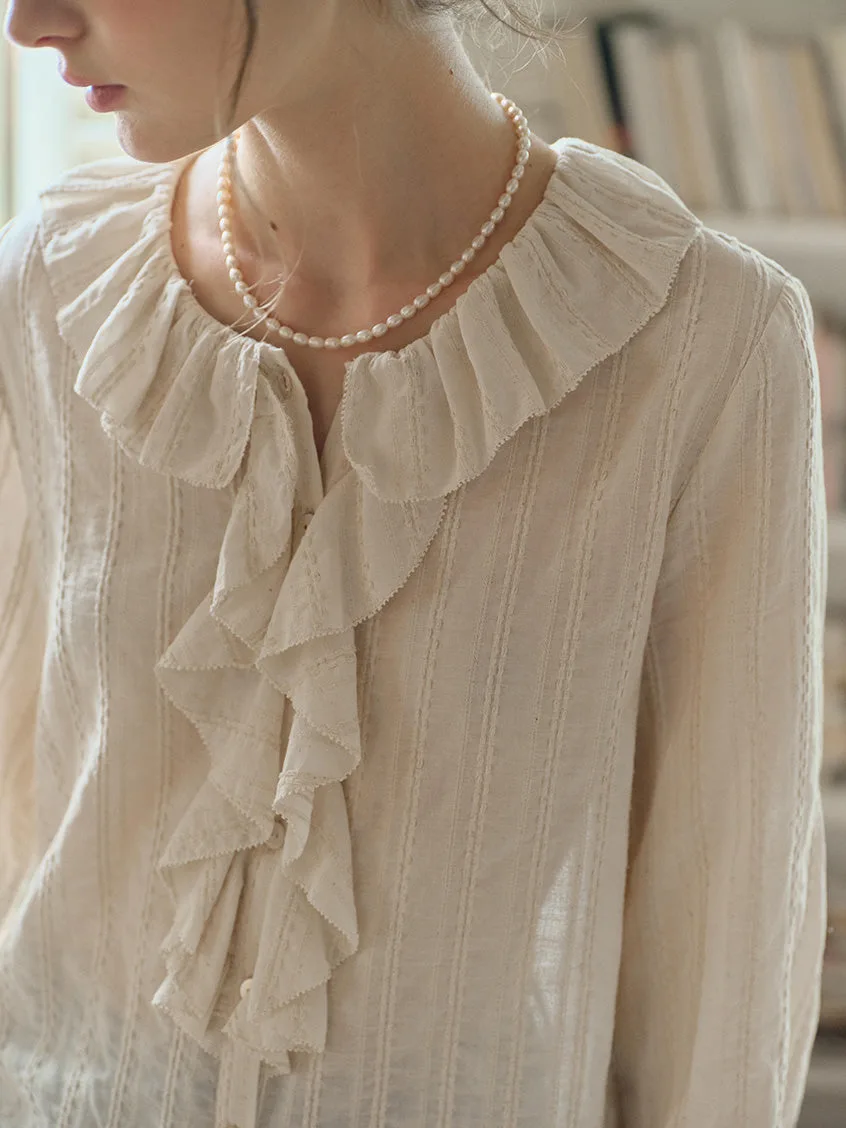
Volume matters. A roomy blouse with gathers, pleats or a soft, billowing body may form a thick lump where the tucked section meets the waistband. In that case, try a narrower front section, or leave the blouse out instead. A half-tuck is also worth rechecking when you reach forward: the tucked portion can pull free or shift to one side. It is a styling option, not a guarantee of a tidy front all day.
Full tuck: clean lines, with a bulk check
A full tuck can make sense when you want the waistband visible or the blouse hem is too long to sit neatly over the bottom. It may be especially straightforward with a relatively smooth, modest-volume blouse and a waistband that has room for the extra fabric. Tuck around the body without twisting the side seams, then raise your arms and sit. If the blouse pulls tight across the torso or slips out immediately, it may need more ease than that tuck allows.
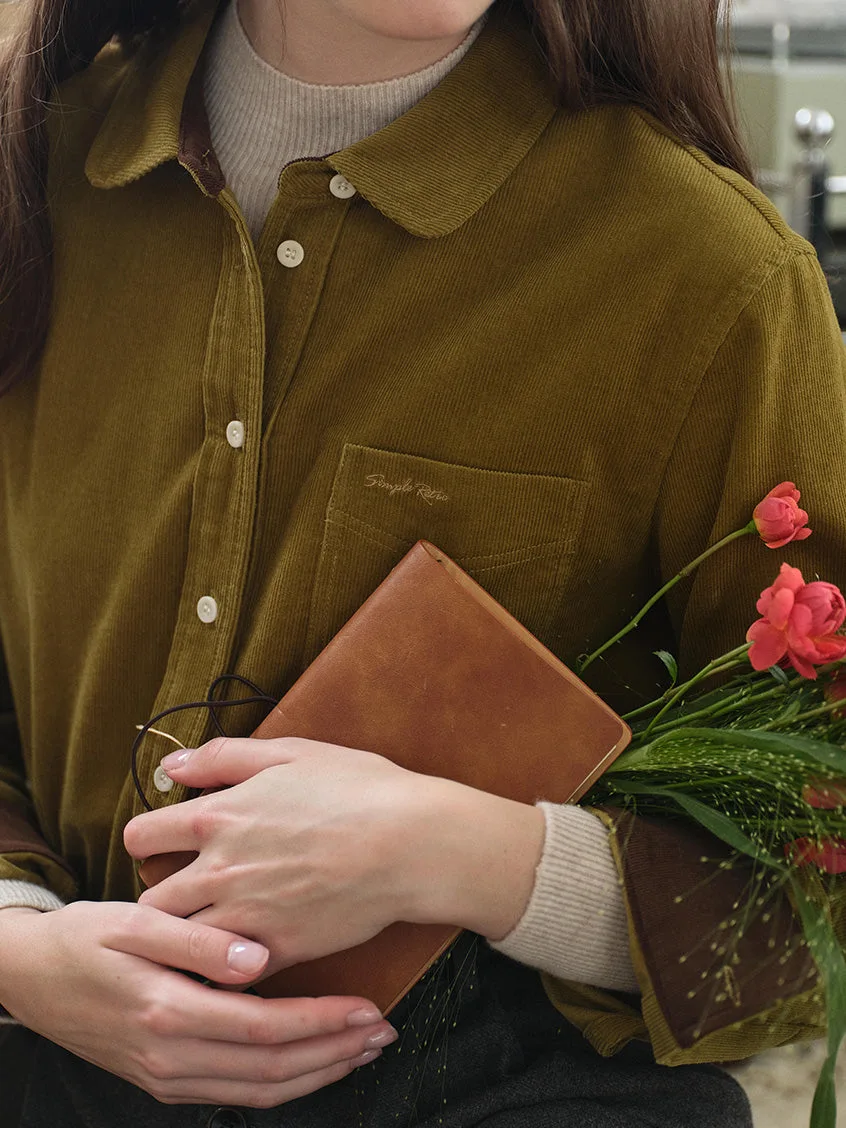
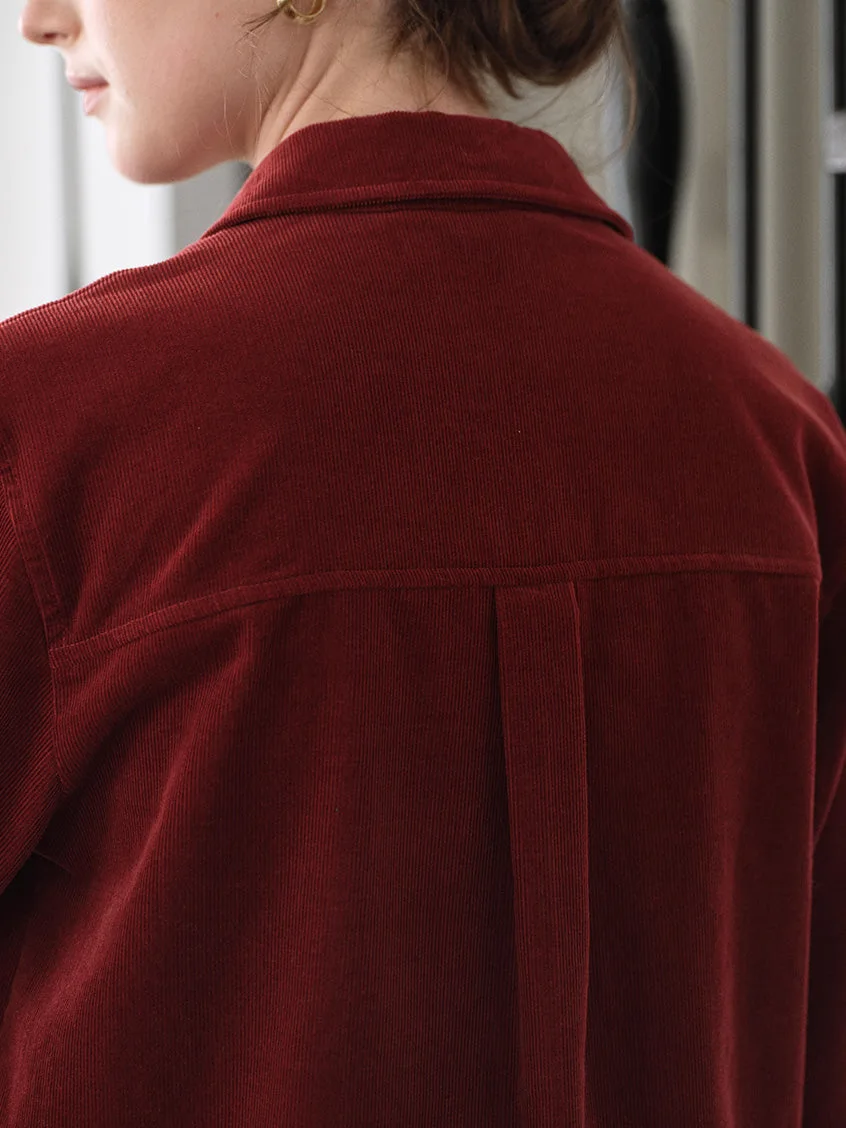
Fabric thickness changes the trade-off. A substantial blouse can stack under a narrow or already bulky waistband, while a very fine fabric may come loose with ordinary movement. For a vintage-inspired example to inspect, the Hesper 100% Cotton Contrast-Cuff Velveteen Shirt is identified in its title as cotton velveteen. That description alone does not tell you how much fabric gathers at the waist, so check its photographs and listed size details rather than assuming a full tuck will be smooth.
Leave it out: let the silhouette do the work
Leaving a blouse untucked is often the simplest choice when its hem is designed to hang, its fabric has noticeable volume, or a waistband feels crowded. An even hem can create a quiet horizontal line over the bottom; a longer back or curved edge can add movement without requiring you to arrange the front. This option also avoids a tucked-in layer bunching when you sit, though a long hem might still ride up or catch on a chair.
Check where the loose hem ends in relation to your skirt or trousers. If the blouse and bottom meet at a spot that feels visually abrupt to you, try another bottom or a different tuck rather than applying a body-shape rule. For example, a shorter, straighter hem may sit easily over a skirt, while a longer asymmetric shirt could look more intentional with its front tucked and back left loose. The question is how the specific pieces meet, not whether a particular body should wear one method.
Test sitting and reaching before you commit
A blouse can pass a standing mirror check and still become uncomfortable in a real day. Try this short fitting exercise with the bottom you plan to wear. First, stand naturally and look at the hem, side seams and waistband. Next, sit as you would at a table, then lean forward as if picking something up. Finally, reach both arms overhead and forward. Notice whether the hem pulls, the waistband presses, or the fabric gathers into a lump. Try the same movements with a different tuck before judging the blouse.
Pay attention to where the fabric travels. If a full tuck pulls upward when you lift your arms, releasing some fabric inside the waistband may give you more ease. If a half-tuck comes loose as soon as you sit, it may take more adjustment than you want during the day. If an untucked hem rides up repeatedly, the length or shape may not work comfortably with that particular bottom. This is a practical comparison, not a test that one silhouette must pass for everyone.
Choose the method you can wear comfortably
Use the same blouse and bottom to compare all three methods, changing one thing at a time. Take a quick front and side look in each version, then sit and reach. Ask yourself: Does the hem lie as intended? Is the waistband comfortable? Do I like the outline, and will I want to readjust it? Those answers matter more than matching a styling formula. A blouse can also work differently with another skirt or pair of trousers because waistband height, width and bulk change where the fabric gathers.
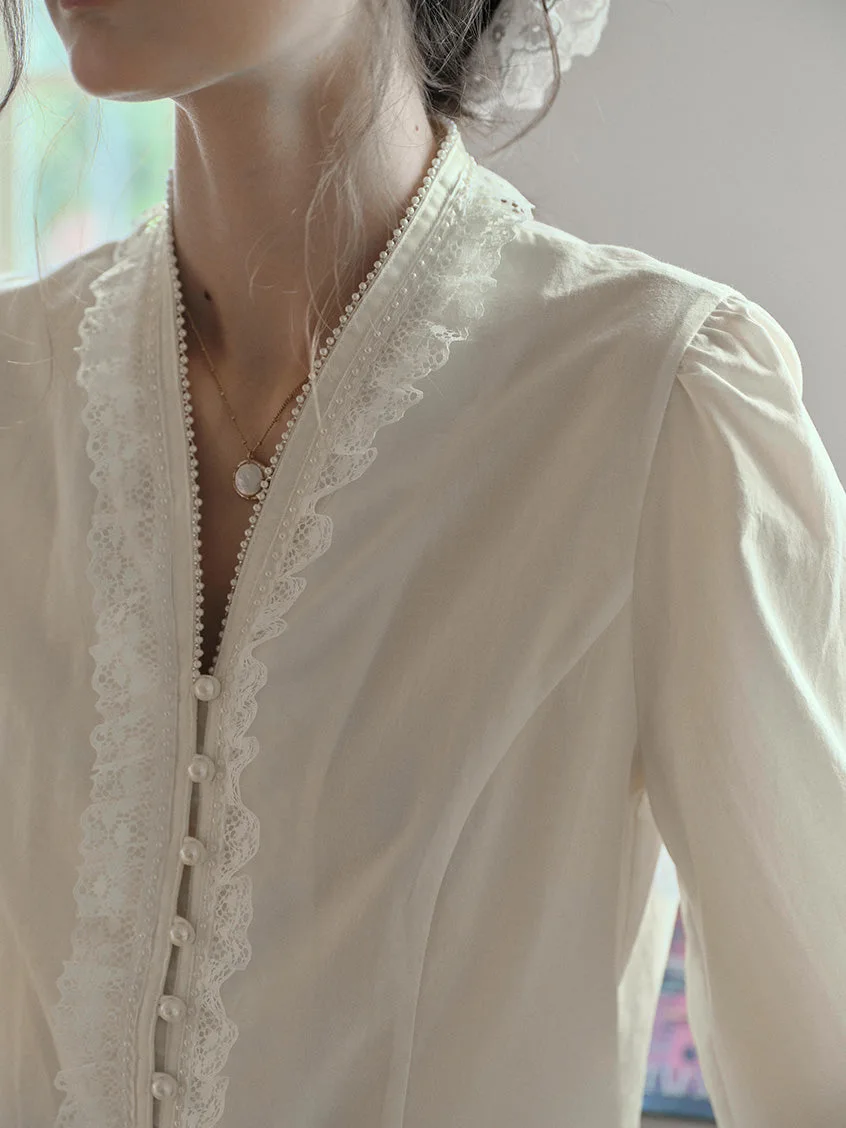
When shopping, read the listed product details and use the size guide as a reference; contact Rustic Cottage through the contact page if you need current fit or material information before ordering. The Allyson V-Neck Lace Cotton Blouse, for example, is listed with a regular fit and a non-stretch fabric composition. That detail may help you consider ease, but it does not specify how the hem behaves when tucked. Choose the finish that feels comfortable in motion and looks right to you—not the one a rule says you ought to wear.
Explore the pieces behind the ideas
Browse our blouses & tops for full product photographs and listed specifications. Ask our team for fit and availability, or visit wholesale partnerships if you’re buying for a boutique.