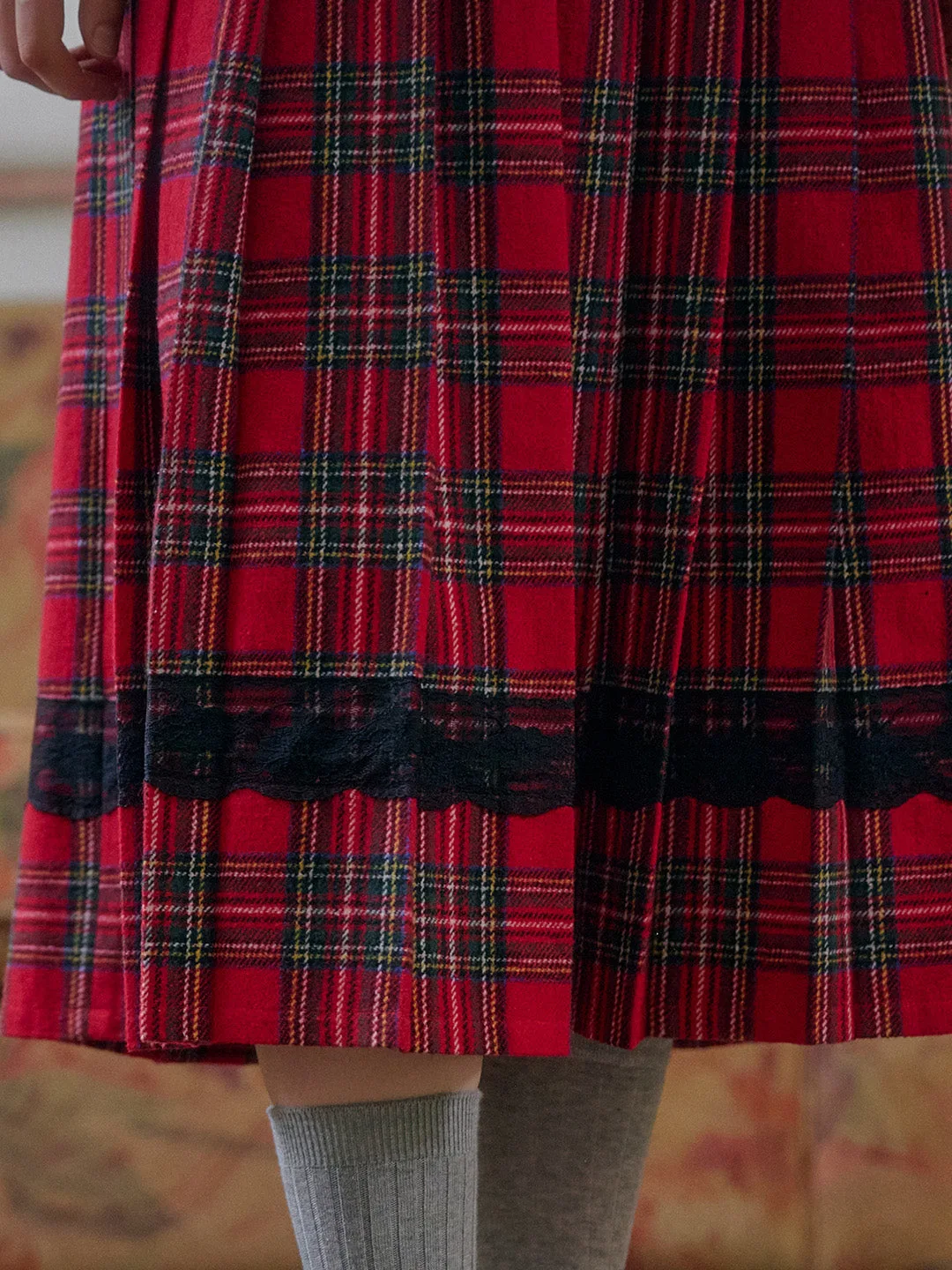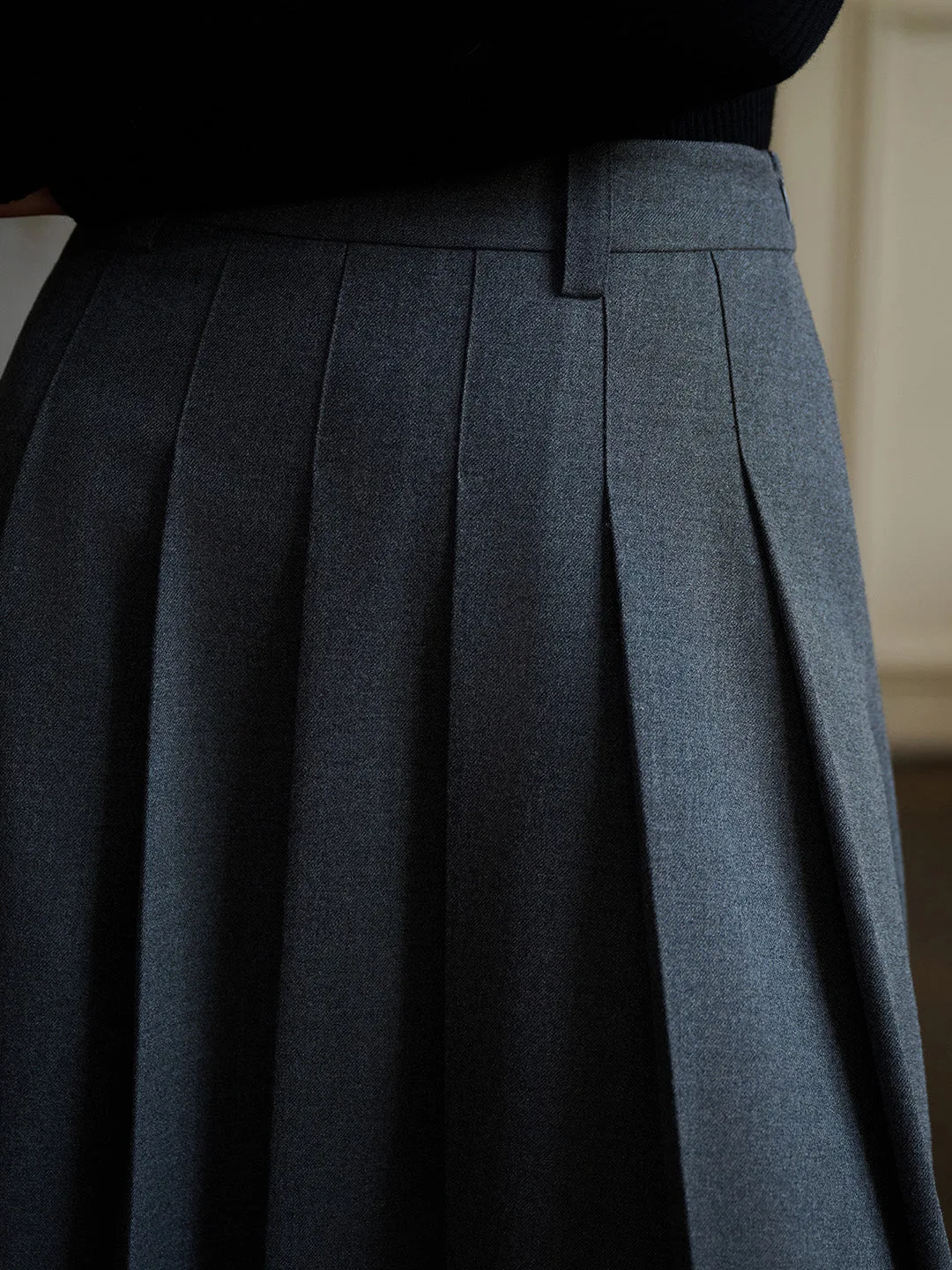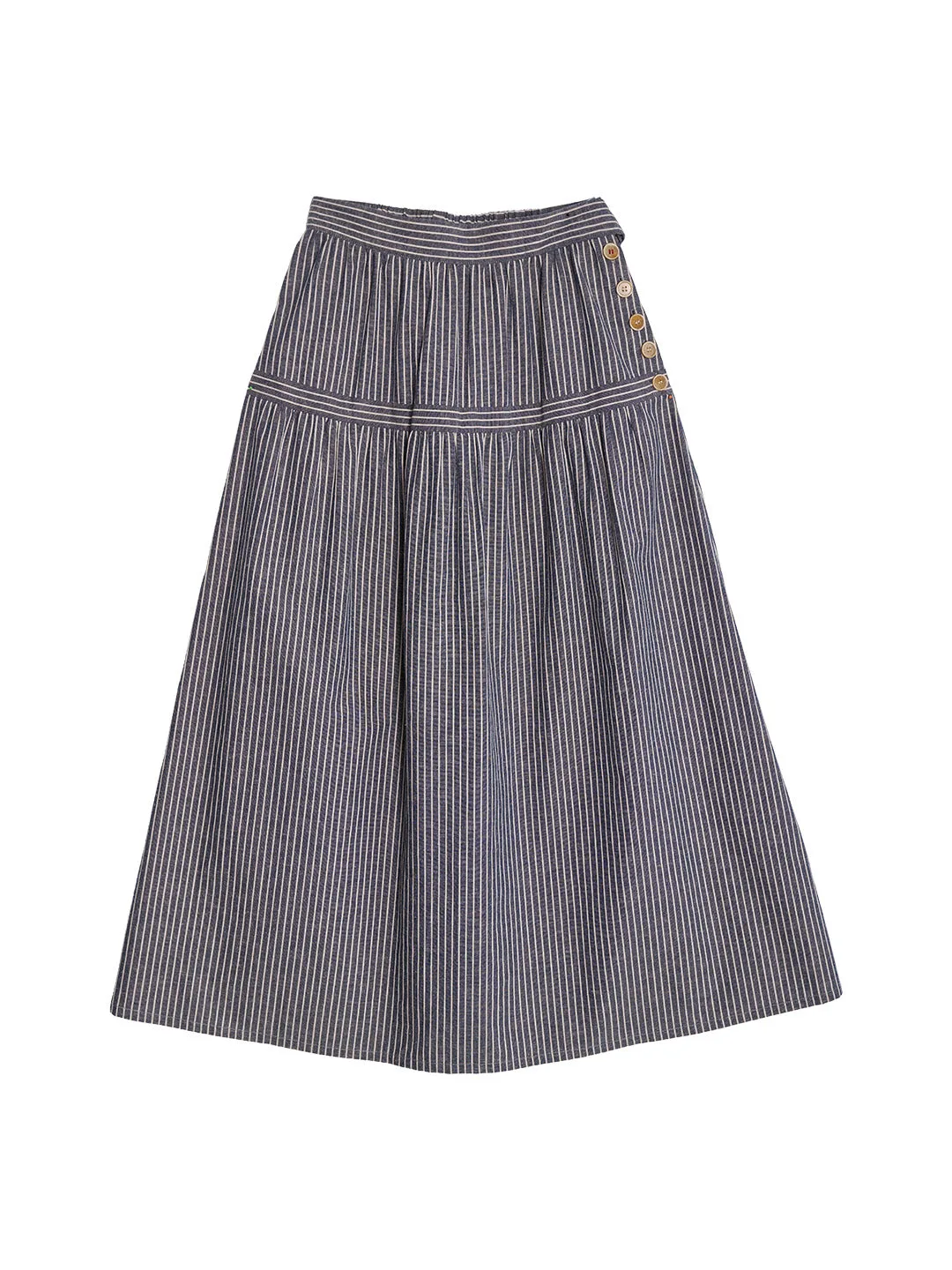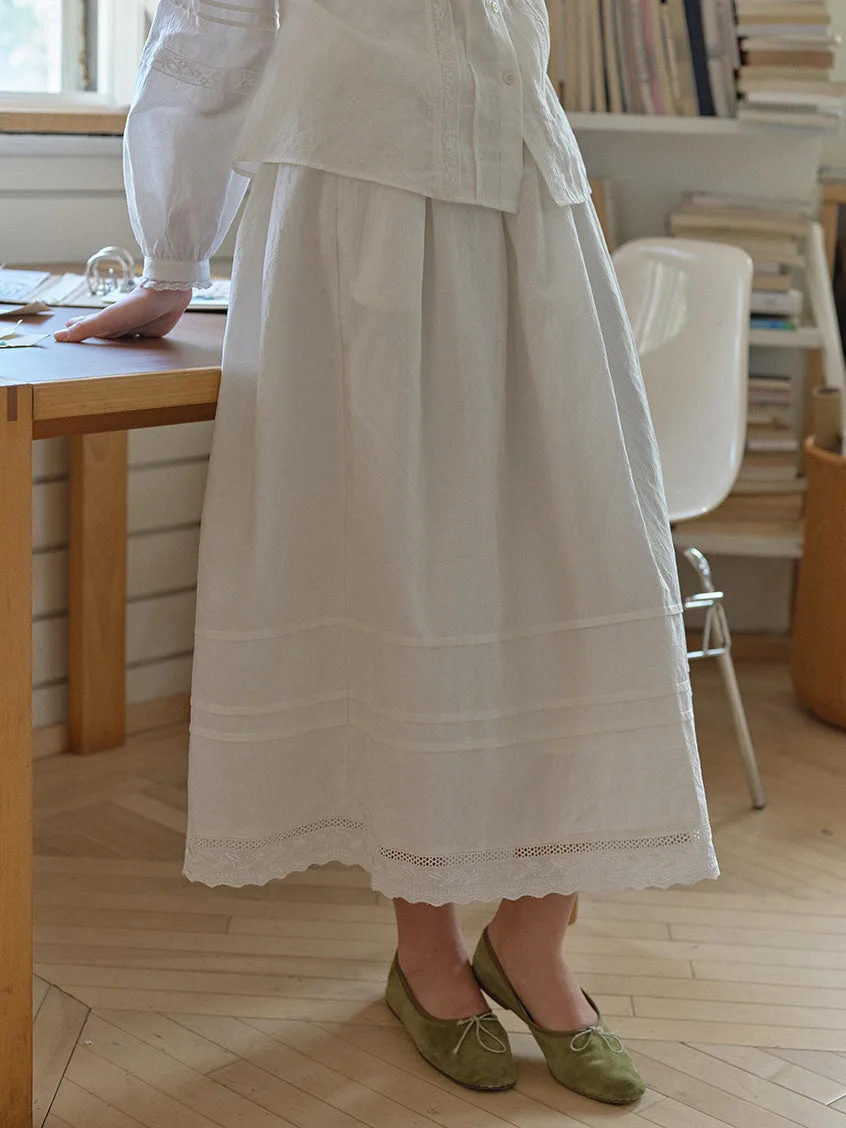
For independent boutique buyers and shopowners stocking vintage-inspired everyday clothing, assessing a collection's size range is one of the clearest levers you have to serve customers well and limit returns. "Boutique apparel size range" is not just a label on a spec sheet; it is a business decision that affects who walks away happy, what fits your shop’s aesthetic, and how quickly items move. Below are concrete ways to evaluate a supplier’s size range, weigh trade-offs, and choose pieces that perform in a small retail setting.
Start with the brand’s size guide and measurement set
Every assessment should begin with the supplier’s size guide and the garment measurement chart. Ask for the flat measurements for each size: bust, waist, hip, front rise, inseam, sleeve length and hem width when relevant. Don’t guess from size labels. A blouse labeled “M” can be a very different measurement from one maker to another.
- Compare the measurements to the body measurements of your regular customer base. If your shop skews toward women who prefer looser silhouettes, prioritize pieces with larger ease in the chart.
- Look for consistency across styles. If the same brand gives wildly different waist measurements for two pants styles both labeled "S", you’ll need to plan merchandising and fit notes accordingly.
- Request measurements for specific points you know matter to customers—rise on trousers, shoulder width on blazers, sleeve opening on cardigans.
Evaluate the range breadth and midpoint strategy
Size range breadth—how many sizes a style comes in—matters differently for various silhouettes. A basic tee is easier to grade across many sizes than a tailored jacket.
- If a supplier offers only XS–L, that will leave out customers outside that window and may increase returns if the pieces run small. Conversely, adding extended sizes can raise costs and require different mannequins and fittings in-store.
- Consider the midpoint strategy: are sizes centered around a 0–8 or a 4–12? Knowing the midpoint helps you forecast which sizes will be your fast sellers and which may sit on shelves.
- For vintage-inspired pieces such as high-waist midi skirts or wide-leg trousers, examine whether the sizing preserves the intended silhouette. A skirt designed to sit at the natural waist can look different if the waist measurement is liberal.
Assess grading rules and fit changes across sizes
Grading is how a pattern is scaled between sizes. Subtle differences in grading strategy change how a garment fits larger or smaller sizes.
- Ask whether grading is linear (equal increments between sizes) or based on more complex rules that change some measurement increments more than others. For trousers, a brand might add more width at the hips than at the waist as sizes increase—important for curvier customers.
- Request photos or tech packs showing fit on a size range of fit models. Seeing a garment on a size small, medium and large helps you anticipate proportion changes like hem length or sleeve drop.
- Trade-off: tightly graded ranges keep proportions consistent but may add development cost; looser grading can make a style cheaper to produce but less consistent in look across sizes.
Try sample fitting on real bodies, not just mannequins
Samples are essential. Request a few sizes of the same style and arrange try-ons with staff or local customers who represent different body types.
- Organize a small fitting session in-store. Ask participants to wear their usual size in the brand and discuss whether the stated measurements matched the fit they felt.
- Take photos and notes focusing on fit points: is the waistband comfortable when sitting? Does the shoulder seam sit correctly? Are hip darts flattening oddly on certain sizes?
- Example: test the Maja Flap-Pocket Velveteen Pants in two sizes to see how the flap pockets sit on hips of different measurements—pockets that pull or gape will read as a design flaw to customers.
Map stock decisions by size velocity and floor space
Once you know how sizes sell, plan inventory by velocity, not by equal counts per size. Smaller boutiques have limited floor and back-room space—use it wisely.
- Create a size multiplier system. If size M historically sells twice as fast as size XS in your shop, order twice as many Ms for that category.
- Consider merchandising smaller quantities of extended sizes and offering special-order options for sizes you don’t regularly stock. Make sure the customer understands that website orders are email requests where availability, shipping and payment terms are confirmed in writing via your contact process, rather than instant checkout.
- Example: For a structured trouser like the Anwen Wide-Leg Button-Front Wool-Blend Trousers, you might stock fewer extended sizes in-store but have an image and measurement guide in the fitting room and offer to order specific sizes by email for customers.
Decide which silhouettes justify more size options
Not all designs require the same breadth of sizes. Casual knits with stretch can perform across a wide size range, while tailored garments need closer grading and more size points to fit well.
- Prioritize extended sizing for items where fit is hard to alter—dresses with defined waists, fitted jackets, and trousers with multiple pattern pieces. These styles often lead to higher return rates if sizes are missing.
- Less structured pieces—oversized shirts, wrap tops, and some flowing skirts—can be offered in fewer sizes because their fit is more forgiving. For example, a wrap skirt like the Zephyrine High-Waist Plaid Midi Skirt may work well in a simplified range if the wrap gives flexibility at the waist.
- Trade-off: limiting sizes simplifies inventory but risks excluding customers; offering more sizes increases complexity but can grow loyalty and reduce returns.
Document and communicate fit notes clearly on the shop floor and online
Transparent fit notes reduce confusion and help staff make better recommendations. Include measurements, recommended body types, and alteration tips where appropriate.
- Use straightforward language: "Runs small—size up one" or "Designed for a high waist—order your normal waist measurement." Avoid vague phrasing that leaves customers guessing.
- Place printed cards in dressing rooms and on the product page. Link to your internal size resource at /size-guide/ so customers and staff can check conversion charts and measurement tips.
- Example: For the Maja Flap-Pocket Velveteen Pants, include a note about the front rise and intended hip ease so customers know whether to size for the waist or hips.
Plan alterations and in-house tailoring options
Offering minor alterations in-store or partnering with a local tailor can broaden your effective size range without massive inventory commitments.
- Estimate common alteration needs—hem adjustments, waist takedowns or sleeve shortening—and price them transparently for customers. Simple hemming can make a big difference to fit for high-waist trousers and midi skirts.
- Train staff to advise on what can realistically be altered. For example, taking in a side seam by a full size may be impossible without altering the look; shortening a hem is often straightforward.
- Trade-off: in-house alterations increase service value but require time, space and a reliable seamstress. Outsourced tailoring can work if lead times are acceptable and communicated clearly in writing via your wholesale or contact channels.
Use returns and feedback loops to refine future buys
Track reasons for returns and customer feedback by size and style. Over time, this data becomes your best guidance for ordering.
- Log return reasons specifically: "waist too small," "sleeve too long," or "not as roomy in the hips." If multiple customers report the same issue in the same size, adjust future orders or ask the supplier for a different grading.
- Collect fit notes at checkout or by follow-up email—remember that website orders are processed by email requests where you confirm availability and payment terms; use that same written communication channel to gather feedback.
- Example: If the Anwen trousers return frequently for short inseams in larger sizes, order the next restock with longer inseams for those sizes or offer a complimentary hemming option to reduce hassle for customers.
Conclusion: make size range choices deliberate, not accidental
Evaluating a boutique apparel size range is part measurement analysis, part customer knowledge and part inventory math. Start with accurate measurement charts from suppliers, test samples on diverse bodies, and prioritize size points for silhouettes that demand precise fit. Use fit notes and alteration services to expand your effective offering without overstocking, and convert returns and feedback into informed reorder rules. When you pair clear communication—both in-store and through email-based ordering—with a practical approach to grading and stock allocation, you’ll serve a broader range of customers while keeping the shop lean and responsive.
For more product and category ideas, see our collections of bottoms at skirts and bottoms and browse wider offerings at clothing collection. For wholesale inquiries, submit details and we’ll send pricing, minimums and lead times in writing via our wholesale partnerships contact process. If you need specific fit help or want to request samples, please reach us through contact our team.
Explore the pieces behind the ideas
Browse our skirts & bottoms for full product photographs and listed specifications. Ask our team for fit and availability, or visit wholesale partnerships if you’re buying for a boutique.