You have a cable-knit sweater you want to wear on a cold morning, but your usual shirt bunches beneath it and your coat feels tight across the sleeves. Before deciding the sweater is simply too bulky, separate two questions: how much texture the knit shows, and how much space the garment actually takes up. Those are related, but they are not the same. A raised cable pattern can look substantial while a flat layer underneath keeps the outfit comfortable; a plain-looking sweater can still feel crowded if its sleeves and coat compete for room.
The most useful comparisons are practical ones: a smooth layer against a textured one, a close sleeve against a gathered sleeve, and a shorter hem against a longer one. Try the sweater with the clothes you genuinely wear, then choose the combination that leaves room to move without hiding the knit entirely.
Read the texture separately from the fit
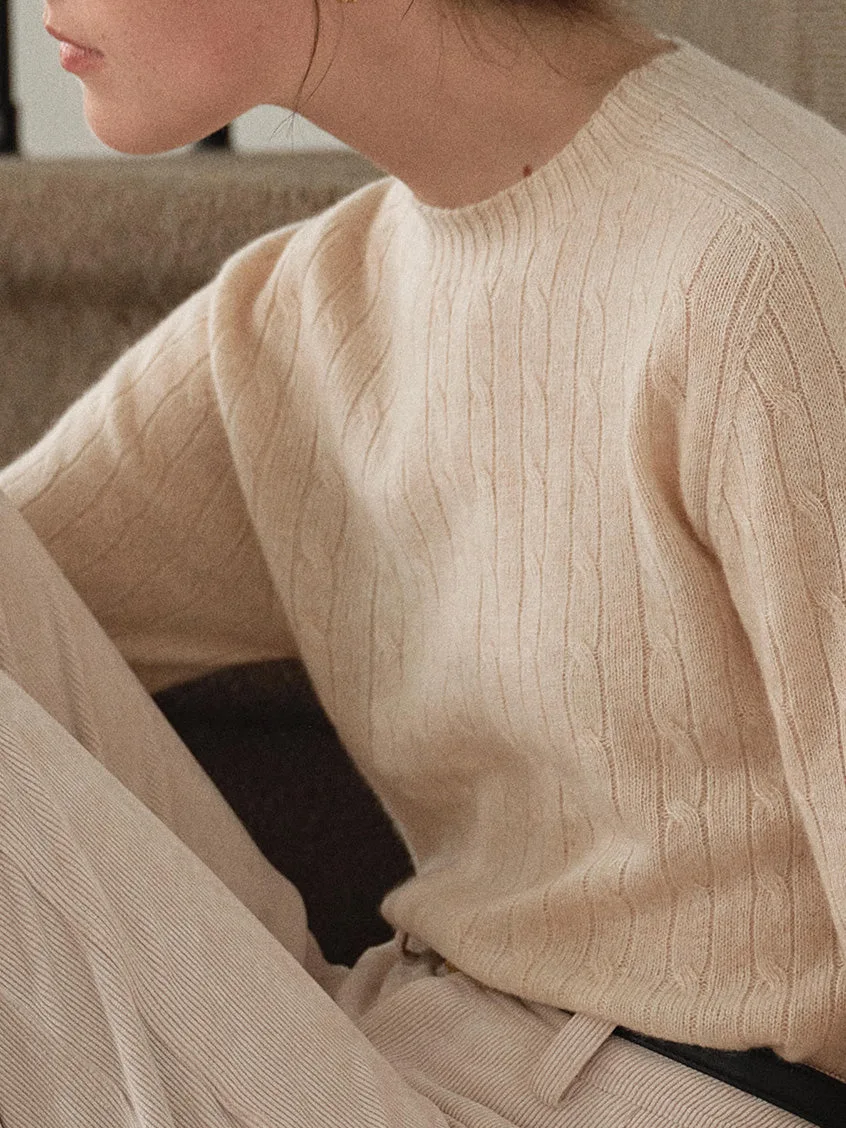
Cables make a sweater visually dimensional. That surface detail can draw the eye and give a simple outfit interest, but it does not tell you whether the shoulders, body or sleeves have enough room. Check the garment on its own first. Reach forward, bend your elbows and sit down. Notice whether the sweater pulls, rides up or restricts movement. Then look at its outline in a mirror: does the shape sit close, fall straight, or have extra ease through the body?
That distinction matters when choosing the rest of an outfit. If the sweater already has a relaxed outline, adding a thick shirt and a gathered sleeve can make the layers feel crowded. If its shape is closer to the body, a thin shirt may fit comfortably even though the cables still read as prominent. The knitwear collection is a useful place to compare different sweater details and silhouettes; check each listing for the information available about that particular piece.
Compare a flat underlayer with a textured one
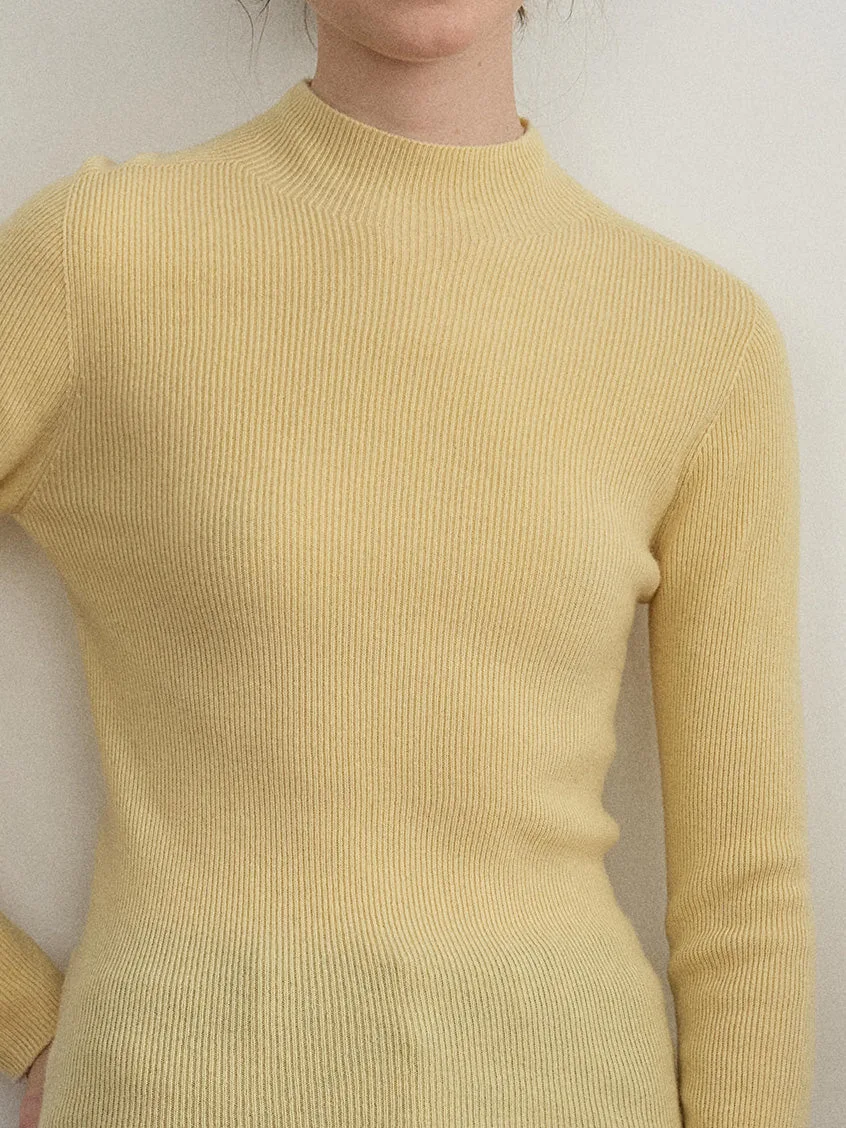
A smooth, relatively thin underlayer is often the easiest starting point beneath a cable knit. A simple tee or fine, close-fitting long-sleeve top creates fewer ridges beneath the sweater than a blouse with gathers, pintucks or a ruffled front. The result is not necessarily a thinner-looking sweater; rather, fewer overlapping details compete at the neckline, cuffs and hem.
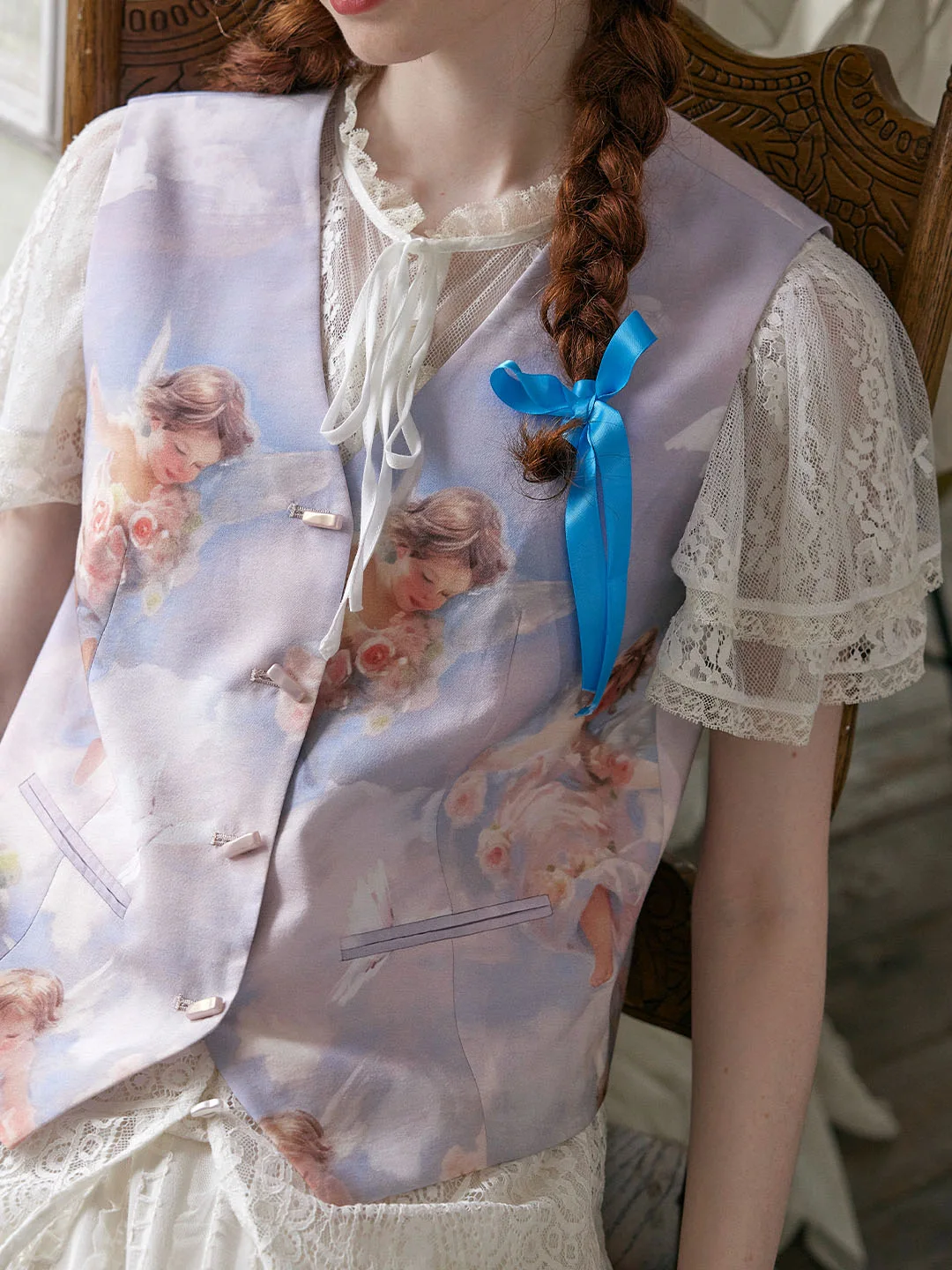
A textured blouse can still be a good choice when its details are visible on purpose. For example, let a small collar show above a crew neckline, but keep the rest of the blouse relatively flat. If the blouse has full sleeves, check that the fabric does not bunch at the upper arm or elbow when you put the sweater on. A shirt that looks charming on its own may be awkward under a knit if its cuffs cannot sit smoothly.
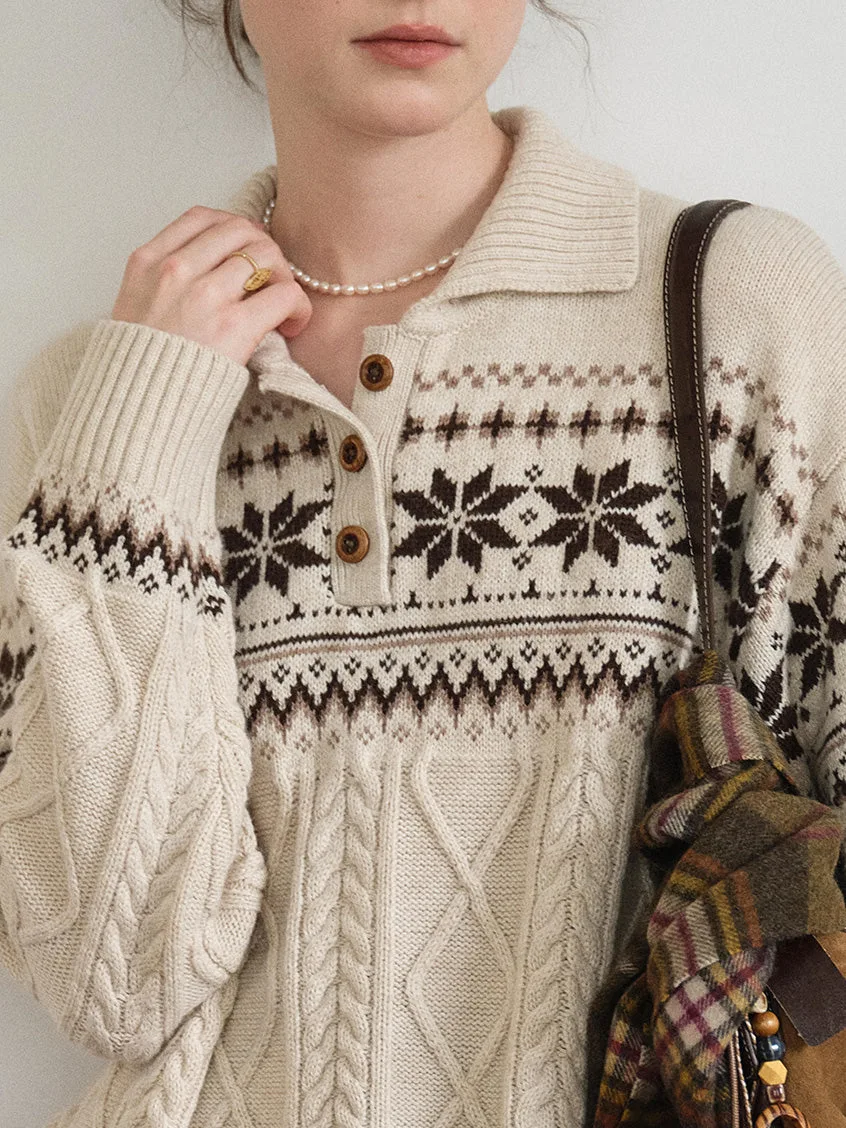
Try the Qiana Fair Isle Cable-Knit Sweater as a possible styling reference for combining patterned knitwear with simpler pieces; its listing identifies it as vintage-inspired, but does not provide material or fit details. View the Qiana sweater listing and use the available photographs and listed size information to decide whether you need more details before ordering.
Check sleeve volume before adding a coat
Sleeves are often where layering becomes uncomfortable first. Compare the sweater’s sleeve with the underlayer’s sleeve, not just the two garments on a hanger. A narrow underlayer usually slips beneath a sweater more easily than a puffed or gathered sleeve. If you prefer a blouse with volume, try pulling its sleeve into place before putting on the sweater, then smooth it from shoulder to cuff. If the fabric keeps twisting or gathering, that pairing may not be practical for a day spent moving around.
Next, put on the coat you expect to wear. Reach forward as if holding a steering wheel, lift your arms and button or zip the coat if that is how you wear it. Check whether the sleeve lining or outer fabric catches at the sweater, and whether you can move your arms without the coat pulling at the back. A coat that fits over a tee may not have the same clearance over a substantial knit. If it feels restrictive, try a smoother underlayer first; if that does not help, a different coat or sweater combination may be the more comfortable choice.
Choose a hem treatment that matches the outfit
A cable-knit hem can be worn loose, partly tucked or fully tucked, depending on the sweater’s length, thickness and construction. Wearing it loose is straightforward and avoids compressing a dense hem beneath a waistband. This works especially well when you want the knit’s full outline visible, but it can overlap a skirt or trousers in a way that hides their waist detail.
A small front tuck can show where a high-waisted skirt or pair of trousers begins. It is easiest when the sweater is fine enough to sit without a hard ridge and the waistband has room for the extra fabric. If the hem springs back, bunches, or makes the waistband uncomfortable, let it fall naturally instead. A full tuck is usually the most demanding option with a textured knit: try it only if the sweater settles smoothly and remains comfortable when you sit. There is no need to force a tuck just to create a particular outline.
For a longer sweater over a skirt, compare the hem with the skirt’s waistband and shape. Letting both pieces hang may create a clear, relaxed line; a partial tuck can reveal more of the skirt. Neither approach is automatically better. The useful question is whether you can see the details you want and move easily.
Use neckline and buttons as layering variables
The neckline changes how much of an underlayer shows. A round neck can keep a simple top mostly out of sight, while a collar or contrasting neckline can become a deliberate detail. A lapel collar, such as the one named in the Zemira Lapel Collar Cable Knit Sweater listing, offers a different visual option from a plain round neckline. The listing specifies a green knit with buttons, but check its product page for the available size information and contact the team if you need current measurements or material details.
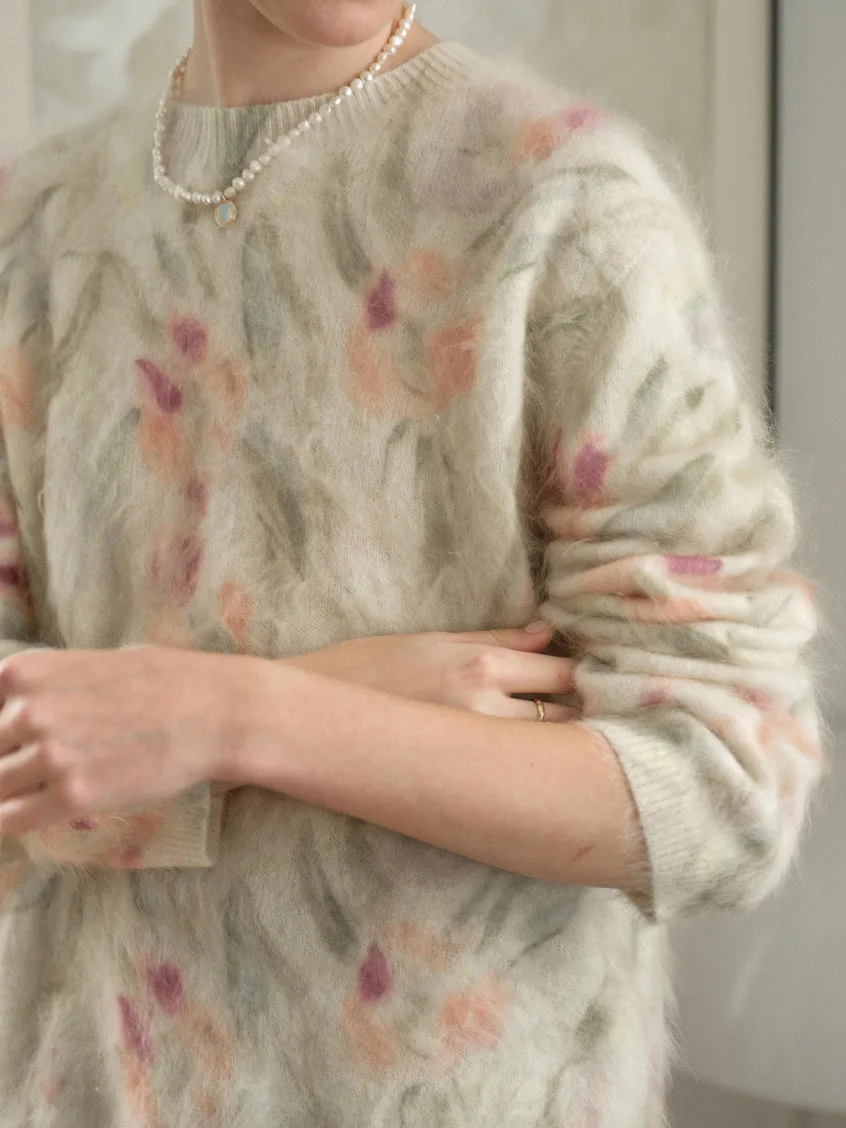
Buttons also affect how you might wear a sweater. If the listing and photographs show a buttoned front, consider whether you prefer it closed over a flat top or more open to reveal a layer underneath. Keep the exposed layer uncomplicated if the sweater already has pronounced cables or another visible pattern. For a floral knit such as the Lucrezia Floral Cable-Knit Wool Oversized Sweater, the listing specifies a light green color, floral detail, round neck and a 95% wool, 5% mulberry silk composition. With a patterned sweater like this, a plain underlayer can leave the sweater’s own details in focus.
Do a three-part fitting check at home
Try this short exercise with the sweater, one underlayer and one coat you already own. First, put on the underlayer and sweater, then reach forward, sit and lift both arms. Note any pulling or bunching rather than judging the outfit from the front alone. Second, add the coat and repeat the movements. Check sleeve clearance at the elbows and shoulders, and notice whether the coat closes comfortably. Third, test the hem loose and with a small front tuck if the fabric allows it. Sit again after each change: a tuck that looks neat while standing may shift or press at the waist when you sit.
If something feels crowded, change one variable at a time. Swap the underlayer for a flatter one before changing the sweater; remove a bulky blouse sleeve before deciding the coat is too small. This makes it easier to identify the source of the problem. For online orders, compare the listing’s stated information with the size guide, and contact Rustic Cottage if you need current measurements or material details that are not provided.
Build the outfit around the day ahead
For a short errand, a cable knit over a smooth top with the sweater worn loose may be enough. For a full day in a coat, prioritize sleeve clearance and a layer that stays smooth through movement. For an outfit built around a skirt’s waistband, test a partial tuck before leaving home, and choose a looser hem if the knit will not sit comfortably tucked.
These choices are comparisons, not rules. Visible texture can be the point of a cable-knit sweater; the aim is not to make it disappear. Keep the underlayer flatter when you want the cables to stand out, allow room where sleeves and coats meet, and choose a hem that works both standing and sitting. If those checks feel comfortable, the sweater can be the most textured piece in the outfit without every layer competing for space.
Explore the pieces behind the ideas
Browse our knitwear for full product photographs and listed specifications. Ask our team for fit and availability, or visit wholesale partnerships if you’re buying for a boutique.