Imagine getting dressed for a casual lunch and reaching for a sweater vest, then hesitating because the shirt beneath it makes the outfit feel like a uniform. That crisp, coordinated look is one option—not a styling mistake—but it is not the only way to wear a vest. A softer neckline underneath, a more relaxed trouser, or a change in sleeve volume can shift the whole impression.
The useful question is not whether a vest looks “too school-like,” but which details are creating that association and whether you want to keep or soften them. Try the combinations below as starting points: small changes in collar, color, and proportion can make the outfit read polished, casual, or somewhere between.
Start with the neckline, not the dress code
A pointed shirt collar peeking above a V-neck creates a clear, structured frame. The crisp edges repeat the vest’s outline, so the outfit feels deliberate and composed. Choose this pairing when you like a neat, classic effect; it can be especially satisfying with straight-leg trousers and simple shoes. It may feel overly formal for a relaxed day if the shirt is sharply pressed, the vest is fitted, and every color is high-contrast at once.
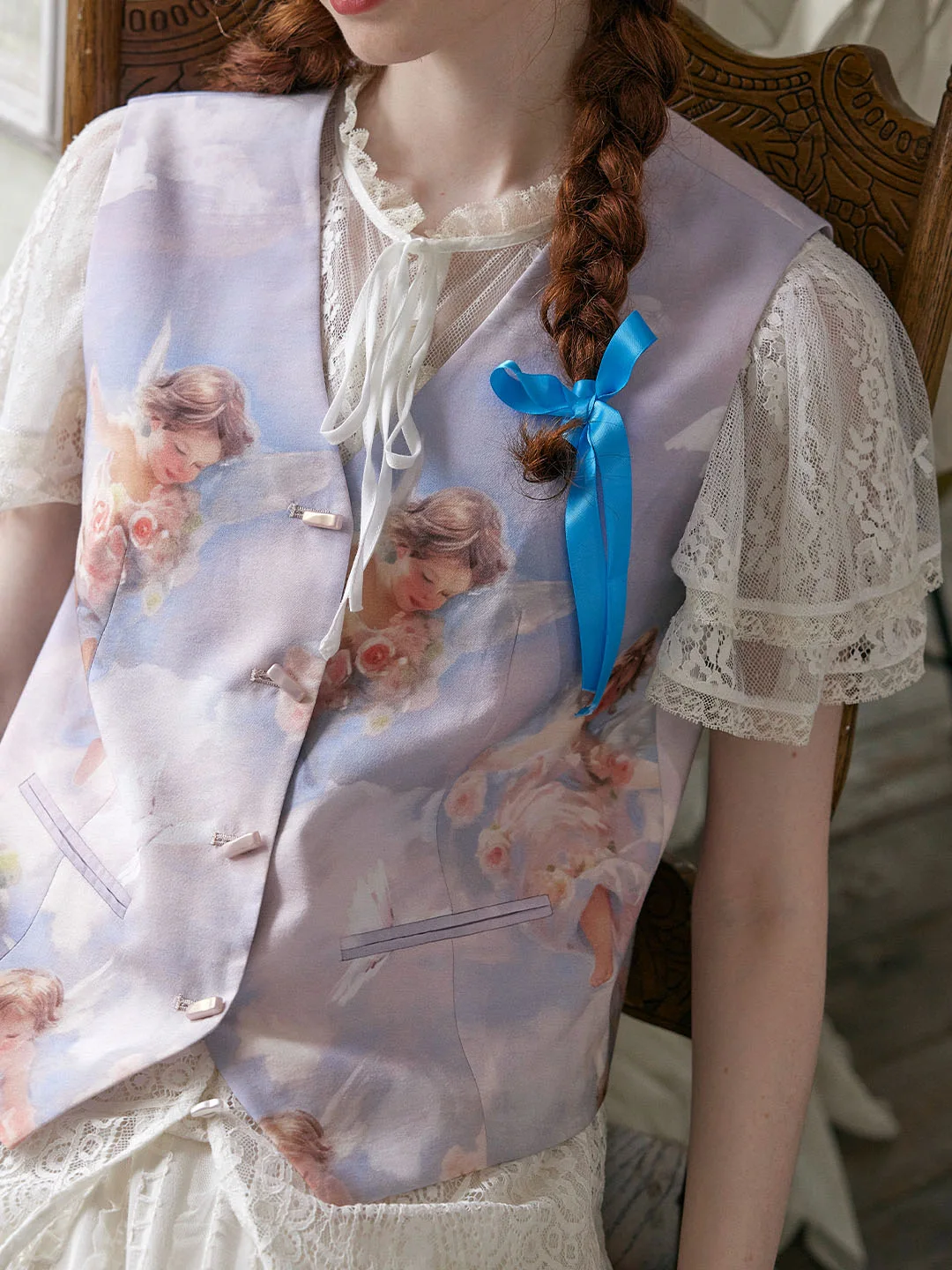
For a gentler line, try a crew-neck tee or a blouse with a soft, open neckline. The fabric and neckline show less crisp geometry, so the vest becomes a layer rather than part of a matching uniform. A V-neck vest such as the Daniella Exclusive Custom Angel Print V-neck Vest could be paired with a plain tee to let its print remain the main detail. Check the actual neckline and how it sits on you rather than assuming every V-neck creates the same opening.
Choose a tee for ease, a blouse for definition
A tee is the simplest way to loosen a vest outfit. Its smooth, familiar shape keeps attention on the vest and avoids adding another collar or decorative detail. Try a cream tee under a dark vest with relaxed trousers for an easy contrast, or choose a tee close in color to the vest for a quieter, more continuous look. This option works well when you want the vest to feel like everyday knitwear; it may feel too plain if you want a more dressed-up finish.
A blouse adds movement or detail, but the combination depends on what is visible. A modest collar can sharpen the neckline, while a rounded or softly gathered neckline can make the layering feel less uniform-like. If the blouse has a prominent bow, ruffle, or print, check that it does not compete with a patterned vest. One focal point is often easier to style than several. For more layering options, browse knitwear and compare each piece’s neckline with the tops you already wear.
Use relaxed trousers to change the mood
Matching a vest with very crisp trousers can produce a tidy, coordinated outfit. If that is the look you want, lean into it: keep the shirt collar visible and choose accessories that feel equally considered. If you want less of a uniform effect, pair the vest with trousers that have a softer line, such as a relaxed straight leg or an easy wide leg. The contrast between a defined upper layer and an unhurried lower half makes the outfit feel less like a set.
Pay attention to where the vest ends in relation to the trouser rise. A full tuck beneath the vest is not necessary; a tee or blouse worn naturally can create a casual break. If both the vest and trousers are loose, check that the outfit still has a clear outline from the side. If both are close and structured, the result may feel more formal than intended. There is no required silhouette—choose the balance that feels comfortable in motion, not just in a mirror pose.
Connect colors without matching everything
Color continuity can make different pieces feel like an outfit without the exactness of a uniform. Repeat one shade in two places: for example, a muted blue vest with a small blue detail in a blouse, or a brown vest with trousers in a related warm neutral. The colors do not need to be identical. A shared undertone or a gentle shift in depth can connect the pieces while preserving variation.
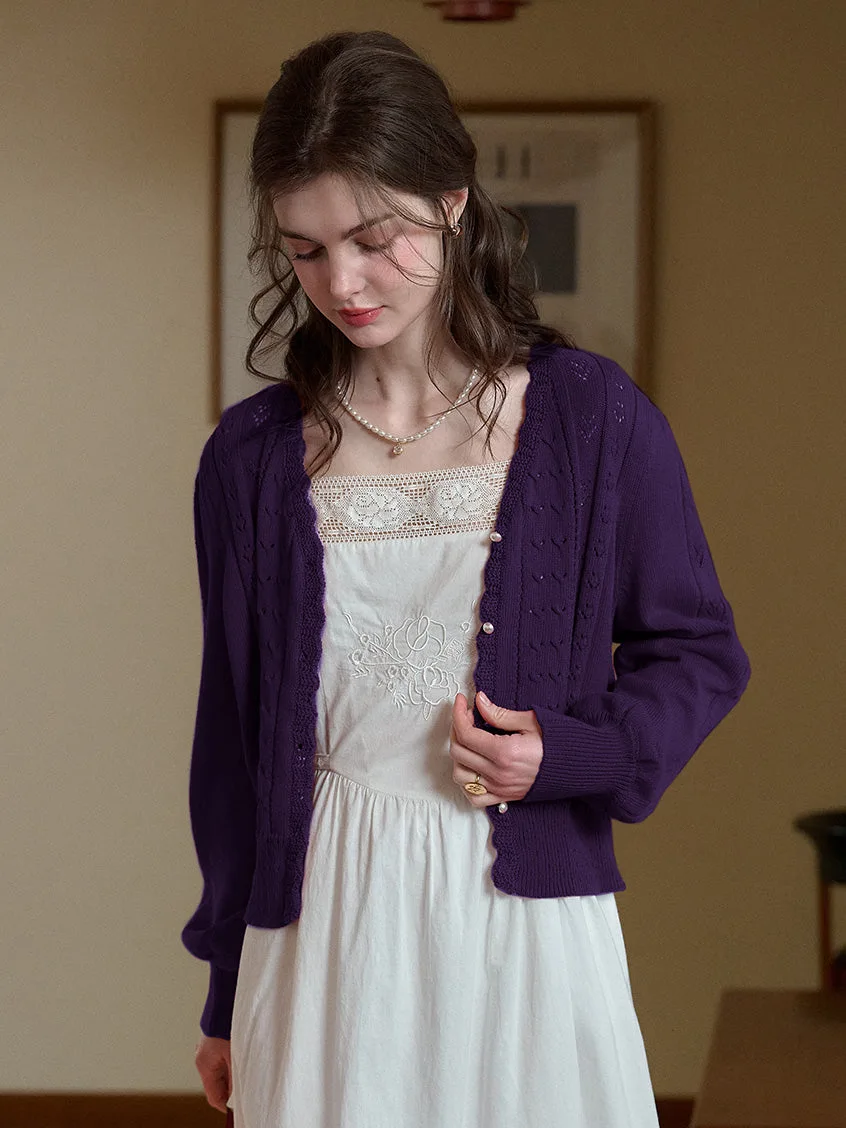
For a stronger contrast, keep one part of the outfit simple. A printed vest can sit over a solid tee, with trousers in a shade already present in the print. The Amira Wave V-neck Cotton Knitted Cardigan in dark purple is a cardigan rather than a vest, but it can be a useful color reference if you are considering a deep purple layer. Avoid treating a product’s color name as a guarantee of how it will look on your screen or beside your clothes; compare it with your own pieces in daylight when possible.
Let sleeves set the level of polish
Sleeves change how much of the underlayer contributes to the outfit. A short-sleeved or sleeveless top keeps the arms visually simple and can make a vest feel light and uncomplicated. A long-sleeved shirt adds a clear layer at the cuffs and can emphasize a classic, buttoned-up mood. Neither choice is more correct; decide whether you want the vest to be the main visible layer or one part of a more layered look.
Volume matters, too. A blouse with fuller sleeves can bring softness, but it may bunch beneath a close-fitting vest or feel busy alongside a statement print. Before wearing the combination out, raise your arms and bend your elbows. Notice whether fabric pulls at the armholes, gathers uncomfortably, or shifts the hem. If it does, try a smoother sleeve or a vest with a different amount of room. The goal is not to hide a sleeve but to choose a pairing that moves comfortably.
Keep the uniform look—or loosen one detail
A school-uniform impression often comes from several crisp elements working together: a pointed collar, a neat V-neck, matched colors, and tailored trousers. You can keep all of them if that polished effect appeals to you. A coordinated outfit can feel confident and intentional, especially for a day when you want a clear, classic silhouette. There is no need to dismantle a look simply because it resembles a familiar dress code.
If you want to soften it, change just one element first. Swap the collared shirt for a tee, choose trousers in a less exact shade, or leave a blouse untucked if its length works with the vest. A softer color combination can also reduce the sense of strict matching without making the outfit less put-together. Changing one variable at a time helps you see what actually shifts the mood; changing everything at once makes it harder to know which detail you prefer.
Try a three-way fitting check
Use pieces you already own to make three versions: vest over a tee, vest over a blouse, and vest with the top you would choose for a crisp, coordinated outfit. Keep the same trousers for all three. Stand naturally, sit down, and reach forward in each version. Check whether the neckline stays where you want it, whether the vest lies comfortably over the sleeve, and whether the hem meets the trousers in a way you like. This quick comparison is more useful than judging the vest in isolation.
Then change one factor: try a more relaxed trouser, or repeat a color between the top and vest. Take a quick mirror photo if it helps you compare the overall line, but trust how the layers feel as well as how they look. If you are choosing a particular garment online, review its listed details and the size guide; sizing and layering comfort depend on the actual pieces and your preferred fit. For questions about an item, use the contact page. The best version may be polished, casual, or uniform-inspired by choice.
Explore the pieces behind the ideas
Browse our knitwear for full product photographs and listed specifications. Ask our team for fit and availability, or visit wholesale partnerships if you’re buying for a boutique.