Deciding how to choose dress length for your daily routine is more than a measurement: it’s a series of practical choices that affect comfort, mobility, workplace appropriateness, and how garments layer with outerwear and shoes. Whether you’re shopping at a small boutique or buying wholesale to stock a shop, these decisions influence customer satisfaction and sales. Below are clear, actionable sections to help individual shoppers and independent buyers pick the right lengths for everyday, vintage-inspired looks.
Understand the common dress lengths and what they mean
First, learn the vocabulary so you and store staff can have a quick conversation. The simplest categories are mini (above the knee), knee-length (at or just above/below the knee), midi (mid-calf), and maxi (ankle to floor). Terms like tea-length and midi are often used interchangeably, so check actual centimeter/inch measurements from the garment waist or shoulder rather than assuming. For wholesale buyers, request sample measurements for multiple sizes to ensure consistency across your order.
Match length to your daily activities
Consider what a typical day requires. For errands, walking, and public transit, knee-length and midi dresses tend to be the most practical: they allow movement without constant readjusting and often pair well with flat shoes or low boots. For office days that include client meetings, a knee-length sheath or a mid-calf A-line can read professional but approachable. If your routine involves a lot of sitting—commuting by train, desk work—avoid extremely short minis unless you’ll layer with tights or a longer outer layer. Conversely, if your day includes outdoor markets, gardening, or working with children, a midi that won’t blow in the breeze or a knee-length with a bit of swing is usually better.
Consider proportion and body movement
Body proportions and how you move through space should guide length choice. A midi that hits at the widest part of your calf may visually shorten the leg; opt instead for a midi that lands just below the widest point or choose a knee-length if you want a lengthening effect. If you prefer the look of maxi dresses but are concerned about tripping or gathering dirt, choose ankle-grazing maxis or pair them with low-heeled shoes. When testing dresses in a shop, walk, sit, and climb stairs. For buyers, ask for photos of the dress on models with different heights and request technical flats that show hem widths—these details help predict how garments will behave on customers with diverse movement patterns.
Style and silhouette pairings for each length
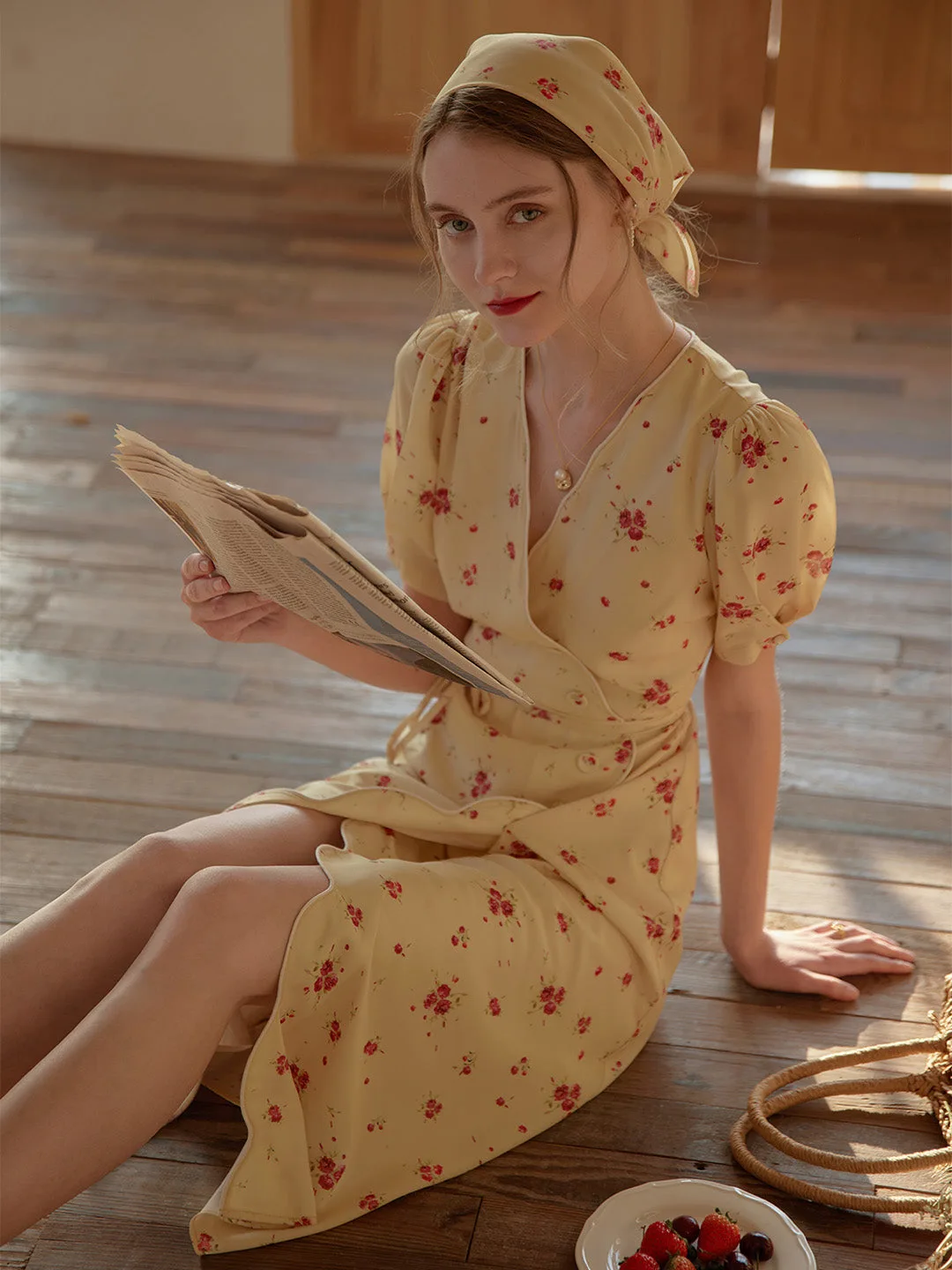
Length must work with the dress silhouette. A full-skirted knee dress reads theatrical or vintage; pair it with a fitted cardigan for an everyday look. A sheath at the knee reads streamlined and office-appropriate. Mid-calf-length circle skirts evoke a 1940s or 1950s vintage vibe—style them with a tucked blouse and low pumps for a historically inspired daily outfit. Maxi silhouettes can be straight and columnar or full and billowing; a column maxi works well with a structured coat, while a fuller maxi pairs nicely with a cropped jacket to avoid swallowing the torso.
Footwear and layering rules by length
Shoe choices change how a length reads and how comfortable it feels. Mini dresses look modern with ankle boots or sneakers, but can require tights in cooler weather. Knee-length dresses pair best with loafers, low heels, or calf boots; the important trade-off is that high boots can crowd the hemline so measure before purchase. Mid-calf dresses work with lower-cut shoes or mid-calf boots—avoid shoes with straps that bisect the leg at the same place the dress hem lands, as this visually shortens the leg. For maxi dresses, choose shoe silhouettes that peek out intentionally: a small heel or platform keeps hems off wet sidewalks. When shopping wholesale, ask suppliers about lookbook pairings so you can advise customers or construct in-store outfits that demonstrate the intended shoe pairings.
Seasonality: adjust length for climate and wardrobes
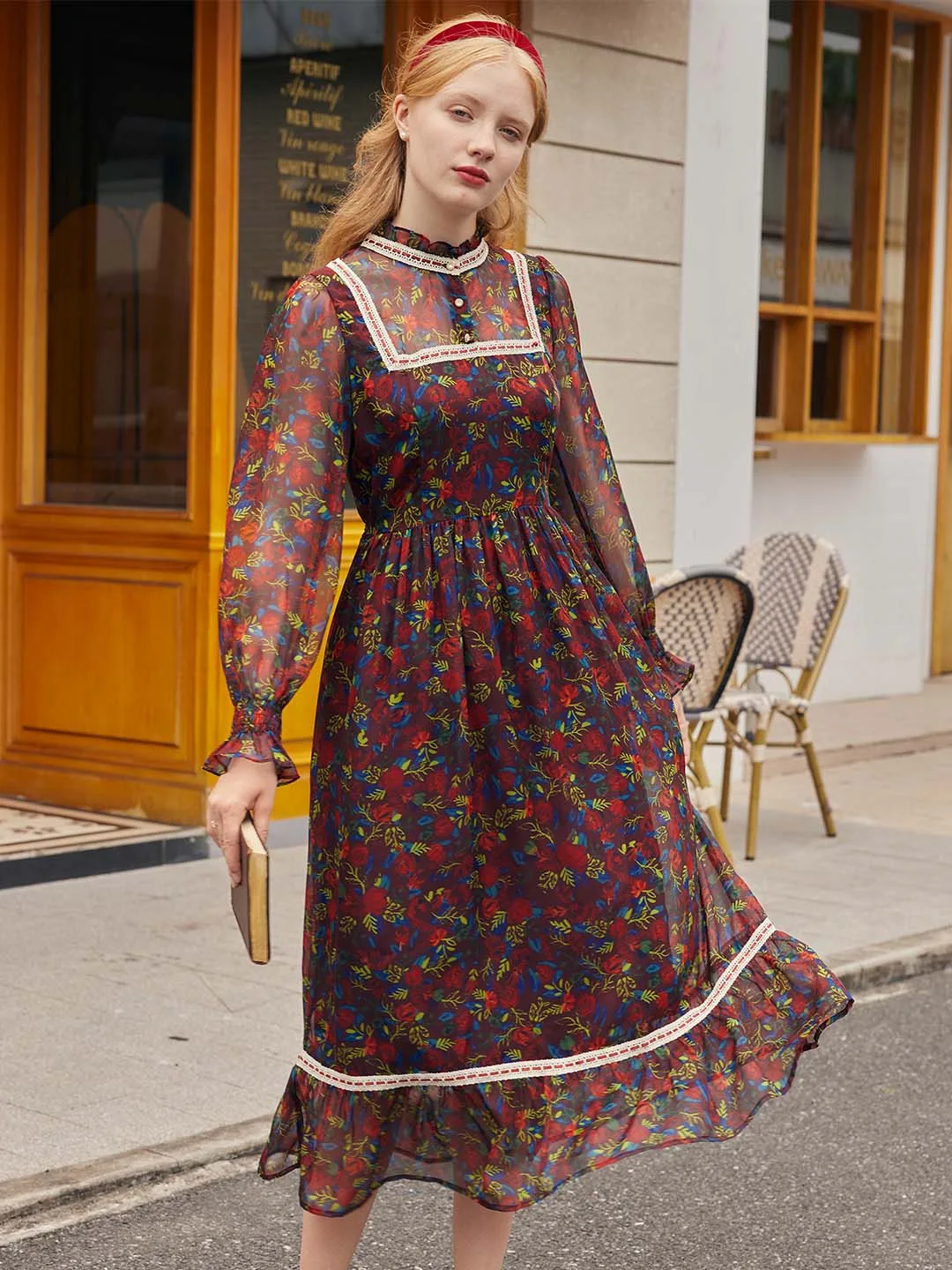
In warmer months, shorter lengths and lighter materials are comfortable; in cooler months, longer lengths provide more coverage and layering options. Consider how lengths work with seasonal outerwear—a knee-length dress often pairs smoothly with a mid-thigh coat, while a maxi may require a longer coat to avoid awkward layering lines. For vintage-inspired velvet pieces like the Melania Pearl-Button Contrast-Lace Collar Velvet Dress (link) and the Azucena Lace-Collar Gold-Button Velvet Dress (link), mid-length and knee-length options feel appropriate for cooler seasons and can be worn with tights and boots. Buyers should plan seasonal assortments that include a mix of lengths for buyers who want a full-year offering.
Dressing for workplace codes and daily client interactions
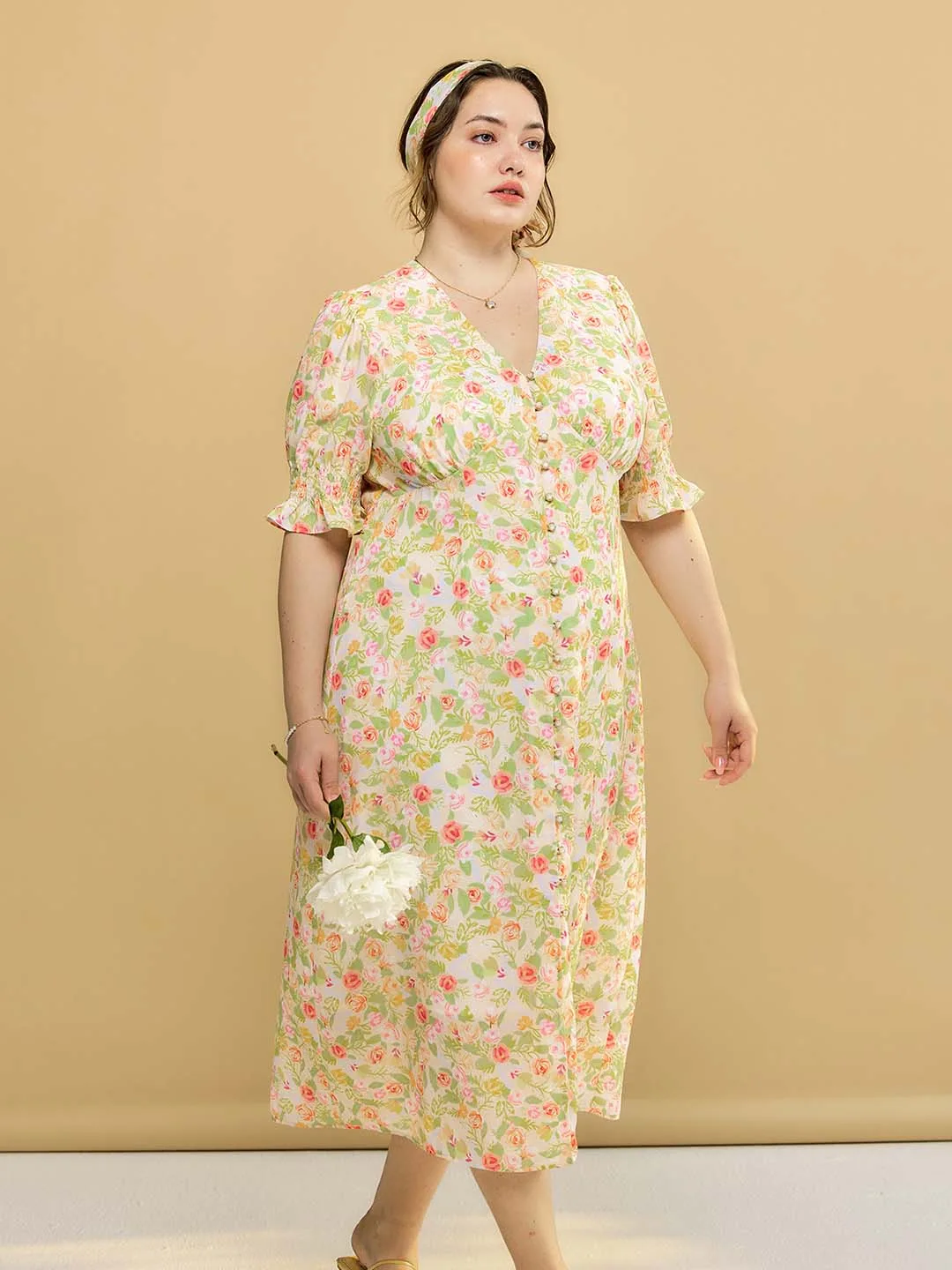
Matching dress length to workplace expectations matters. Conservative or client-facing roles often favor knee-length or midi styles that provide coverage while maintaining a professional silhouette. A V-neck relaxed midi can be suitable under a blazer for creative offices, whereas a structured knee dress is safer for formal settings. If you run a boutique, create display outfits with both dress and blazer examples to show customers appropriate office combinations. For wholesale orders, include styling notes and in-store signage suggestions so retailers can communicate workplace-appropriate options clearly.
Layering practicalities and modesty choices
If modesty or layered dressing is part of your daily routine, length becomes a tool. For example, a maxi slip dress can serve as a base layer for a short-jacket outfit while offering full coverage when worn alone. Knee-length dresses are excellent for wearing under longer sweaters or vests without bulk. If you’re concerned about transparency in lighter fabrics, select midi or knee lengths with heavier skirt linings, and always advise customers to check the sewn care label and garment lining details before laundering or altering. For boutiques, keep spare slips and underskirts in inventory and recommend them as add-on purchases for modesty or winter layering.
Practical care and alteration considerations
Before recommending laundering routines, always advise checking the sewn care label first—fabric blends, trims, and linings vary. Some vintage-inspired pieces may include delicate lace collars, buttons, or trims that require gentle handling. For lengths, alterations are straightforward for shortening hems but lengthening is only possible when extra hem allowance exists or with added trims; communicate alteration feasibility to customers. Boutique buyers should request grading specs from suppliers to understand how much hem allowance is included across sizes and whether pattern repeats (stripes, checks, lace placement) will shift with length alterations. Also remind customers that added length from hems or cuffs can change how a garment pairs with shoes and outerwear, so any planned alteration should be tried on with intended footwear.
Wholesale and merchandising tips for stocking lengths
If you run a shop or buy wholesale, balance stock across lengths to match your clientele’s routines. A neighborhood boutique with many commuting customers might prioritize knee and midi lengths, while a shop near a university might carry more minis. Ask suppliers for sample pieces to test in your real shop context—display them with shoes and outerwear to show complete outfits and help customers picture daily wear. For ordering, Rustic Cottage processes website orders as email requests; availability, shipping, and payment terms are confirmed in writing. Wholesale prices, minimums, and lead times are provided on inquiry—use those conversations to obtain detailed measurements and photos so you can accurately advise buyers about how each length will perform in everyday use.
Specific outfit examples to visualize choices
- Errand-running knee-length: A knee-length A-line in a cotton blend, paired with canvas sneakers and a light trench. Practical, allows bending and climbing public transit steps without worry.
- Office-friendly midi: A straight midi in a slightly structured fabric, fitted at the waist, worn with low pumps and a tailored blazer for client meetings.
- Weekend vintage midi: Mid-calf circle skirt dress with a lace collar, styled with ankle boots and a short cardigan for farmers’ markets—this protects from breezes yet keeps movement free.
- Cozy maxi for slow days: Ankle-grazing velvet maxi with a high neckline and long sleeves, worn with low-heeled boots and a cropped coat to avoid bulk around the hips. The Kristen Elegant V-Neck Contrasting Lace Velvet Dress is offered in several variations that show how color and neckline affect daily styling (green, red).
Choosing dress length for daily routine is fundamentally about aligning the garment with movement, climate, and the image you want to project. Use measurements, try on with shoes you’ll wear, and communicate clearly with boutique staff or suppliers about how a piece should behave in real life. If you’re browsing Rustic Cottage’s selection, visit our dresses collection to explore lengths and styles (/collections/dresses/), browse the wider assortment (/collections/), or reach out for wholesale inquiries (/wholesale/) and sizing details (/size-guide/). For specific product questions or to place an email order—where we confirm availability, shipping, and payment in writing—contact us directly (/contact/).
Explore the pieces behind the ideas
Browse our dresses for full product photographs and listed specifications. Ask our team for fit and availability, or visit wholesale partnerships if you’re buying for a boutique.