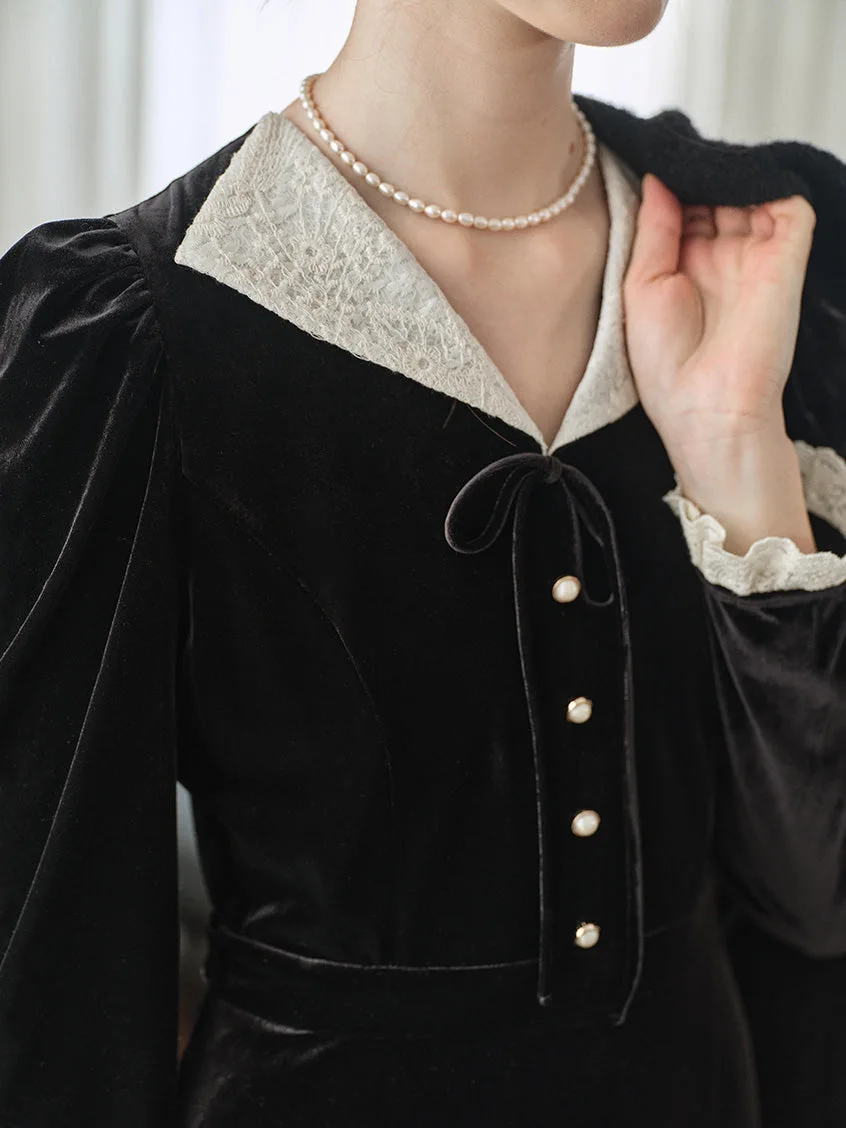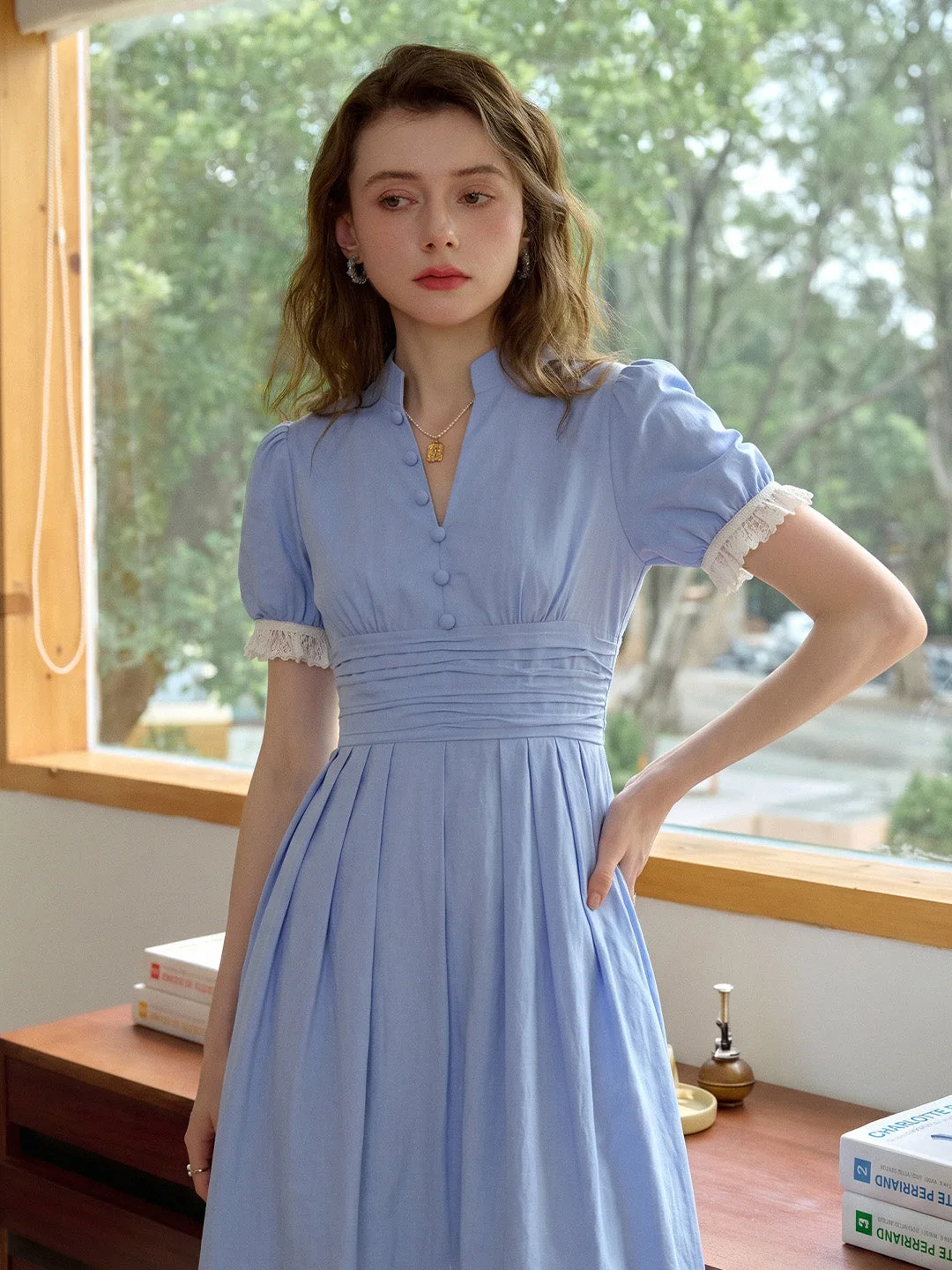
Imagine wearing a printed dress to pick up a few groceries, meet a friend for coffee and walk home with your hands full. A tiny purse may look right in the mirror but leave you juggling your phone; a roomy tote may solve that problem while visually competing with the dress. The useful question is not which bag is prettiest in isolation. It is which one carries what your day requires without making the outfit feel harder to wear.
For a vintage-inspired look, the dress may already bring pattern, ruffles, lace or a defined silhouette. The bag can echo that softness, offer a quiet contrast, or simply stay out of the way. Each approach has a trade-off, so start with your actual carry and movement rather than a rule about what romantic clothing must be paired with.
Begin with the day’s real carry
Before choosing a shape, gather the items you expect to take: perhaps a phone, keys, wallet, sunglasses and a small notebook. Add anything the particular day calls for, such as a water bottle or a light layer. This simple inventory helps distinguish a genuinely useful bag from one that only looks convenient.
Think about how you will handle the items, too. If you need to reach for your phone repeatedly, a bag that opens easily and stays accessible may matter more than extra capacity. If you expect to carry something bulky, a small structured bag may become frustrating even if it gives the outfit a neat finish. Your minimum practical capacity is the starting point; visual balance comes next.
Choose a crossbody for movement
A crossbody is a strong option when the day involves walking, transit, browsing or carrying something else in your hands. The strap keeps the bag close, and distributing it across the body can make it easier to move than holding a bag in one hand. With a flowing or detailed dress, a compact crossbody can also keep the overall look from feeling weighed down by a large accessory.
There are trade-offs. The strap runs across the dress and can interrupt a prominent neckline, lace detail or printed area. A bag worn at hip level may also fall over a ruffle or gathered section, depending on the dress and strap length. Before heading out, check where the bag rests while standing and sitting. If it catches on the hem or covers a detail you want visible, adjust the strap if possible or consider another shape.
A crossbody does not have to match the dress exactly. A calm, solid color can give a busy print a visual pause, while a shade already present in the pattern can make the pairing feel connected. For a floral option, the Stormi V-neck lace-trimmed floral dress offers a printed example to consider: a simple crossbody could let the pattern remain the main event. Its product description identifies it as sleeveless and lined, but does not specify bag-like details such as pockets or stretch, so check the product page for the garment information relevant to your choice.
Keep a tote restrained when you need room
A tote makes sense when your day includes more than the small essentials: a notebook, a snack, a book or a few purchases. Its open, generous shape can be useful for errands, but it brings more visual weight than a compact bag. With a dress that already has a full hem, all-over print or pronounced sleeves, a very large or heavily detailed tote may make the outfit feel crowded.
To keep the pairing balanced, look for a tote whose color and detailing are quieter than the dress. That does not mean it must be plain or neutral; it means deciding which element should lead. A restrained tote can frame a patterned dress without competing for attention. If the dress is simpler, the tote can carry more of the visual interest, provided its size remains comfortable for the day and does not overwhelm your proportions by accident.
Consider how the tote behaves when it is not full. A roomy bag can slump, swing or take up space beside you, which may be inconvenient in a crowded shop or when sitting. If you only need a few things, a tote may be more bag than the outing calls for. If you routinely carry extra items, though, choosing capacity on purpose is more practical than hoping a small purse will stretch to the job.
Use a small structured bag for a defined finish
A small structured bag offers a contained shape that can bring order to a dress with soft movement. It works well when you need only a few essentials and want the outfit to feel composed for lunch, a casual gathering or an appointment. Against a flowing dress, its firmer outline creates contrast; against a dress with a crisp collar or clear waistline, it can reinforce a more deliberate look.
Capacity is the honest limitation. Check that your everyday essentials fit without forcing the closure or making the bag awkward to carry. A small bag can also become inconvenient if you spend the day reaching for items, holding purchases or carrying a layer. If the occasion is low-key but you still need room, a simple crossbody may be a more comfortable compromise than a very small top-handle shape.
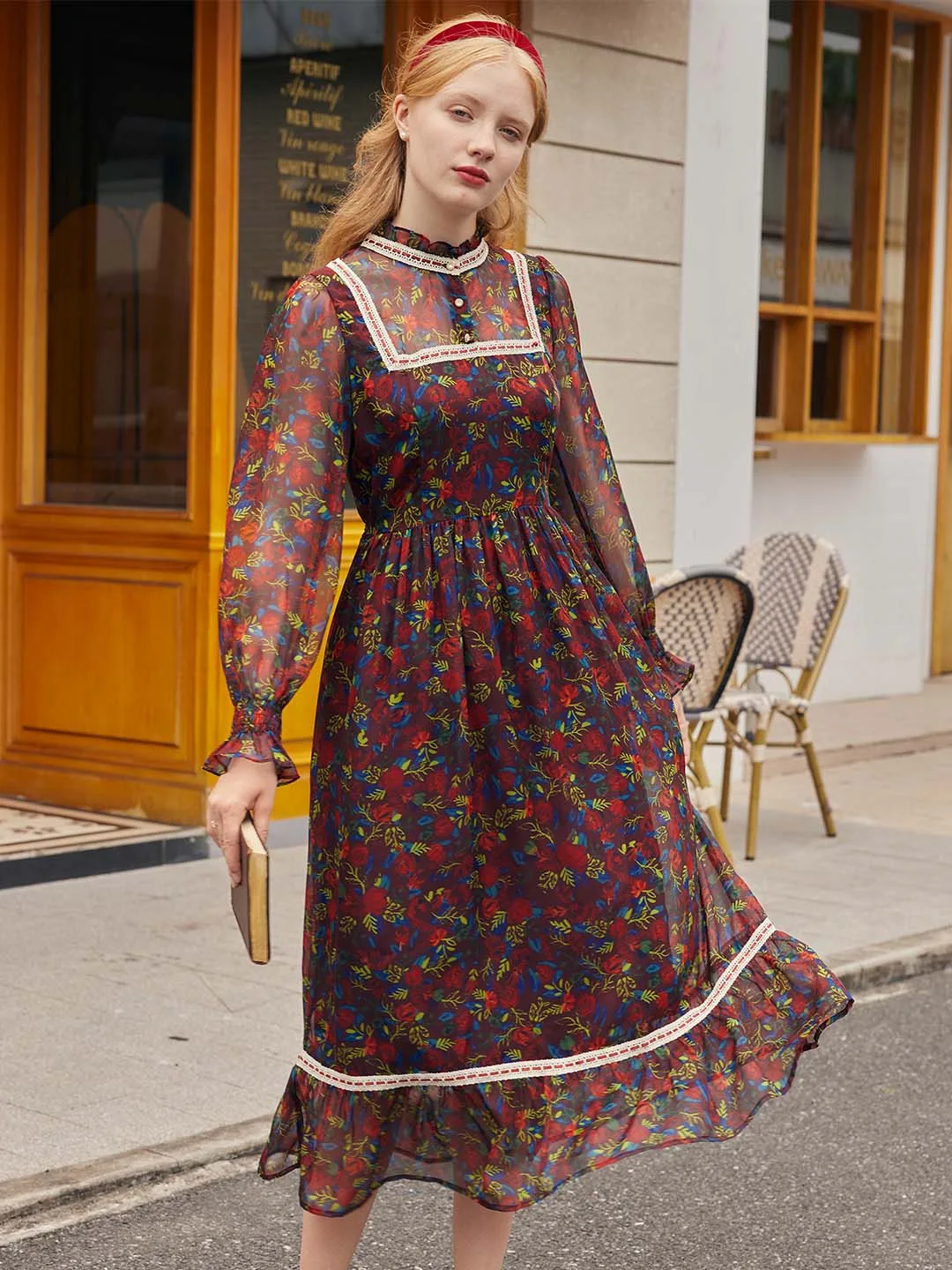
For a long floral dress with visible ruffles, such as the Isabel floral-print dress, a small, relatively quiet bag could leave the dress’s details in focus. The listing describes a stand collar, long sleeves, a high waist and a flounce hem; it does not establish how a particular bag will sit against that garment. Check the combination on your own body rather than assuming a silhouette will behave the same way for everyone.
Balance visual weight, not just color
Color coordination is only one part of a successful pairing. Size, shape, strap placement and detail all contribute to visual weight. A small bag in a strong contrast color can draw more attention than a larger one in a soft, quiet shade. Likewise, a bag with prominent hardware or its own busy pattern may compete with a dress even when the colors appear compatible.
Try choosing one focal point. If the dress has a strong print or decorative trim, let the bag be simpler. If the dress is relatively plain, a distinctive bag can add character without needing a matching accessory set. For a yellow, apricot or green printed option like the Fannie Printed Floral Tea Dress, you might compare a muted solid bag with one that picks up a color from the print. Treat that as a suggestion, not a requirement: the product description names the available color family and V-neck detail, but the final balance depends on the bag and the wearer’s preferences.
Do a short fit-and-carry check
Try this exercise before committing to a pairing. Put on the dress with the shoes you expect to wear, load the candidate bag with your usual essentials, and spend a few minutes doing ordinary movements: walk, sit, reach for your phone, open the bag and turn to look over your shoulder. Notice where the strap lies, whether the bag shifts, and whether you can reach what you need without tugging at the dress.
Then check the outfit from the front and side. Does the bag cover a neckline or waist detail you wanted to show? Does its lower edge land across a ruffle or a section of print that makes the overall silhouette feel busy to you? Does the dress move freely while you walk? These are observations, not rules: a visible strap or a strong contrast may be exactly the look you like. The exercise simply helps reveal practical annoyances before they become part of your day.
If ordering a dress, use the listing and size guide to review the garment information rather than expecting a bag choice to solve a fit question. For more styles to compare, browse the dresses collection. Bag pairing remains optional; the right decision is the one that suits your belongings and feels comfortable in motion.
Make the choice by tomorrow’s plans
Choose the crossbody when hands-free movement and quick access matter most, accepting that its strap may cross a dress detail. Choose the tote when you genuinely need the extra room, and keep its visual presence in proportion to the dress. Choose the small structured bag when you can carry less and want a defined shape, knowing that limited capacity is part of the bargain.
If you are undecided, repeat the carry check with two bags rather than choosing by mirror view alone. The better pairing is the one that holds what you need, stays manageable when you sit and walk, and leaves you feeling at ease in the dress. A practical bag does not have to erase romance; it simply lets the outfit work for the day you have planned.
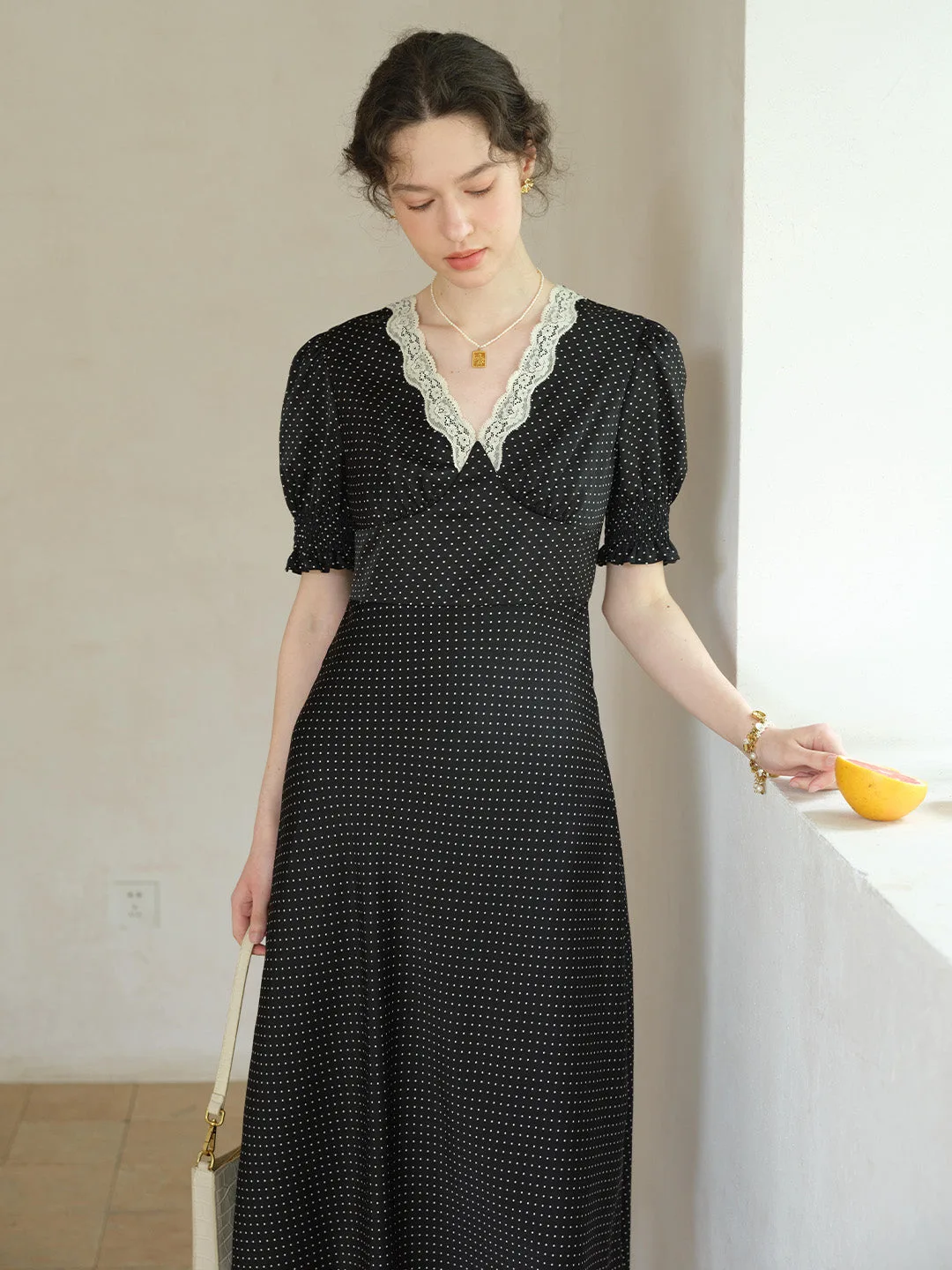
Explore the pieces behind the ideas
Browse our dresses for full product photographs and listed specifications. Ask our team for fit and availability, or visit wholesale partnerships if you’re buying for a boutique.