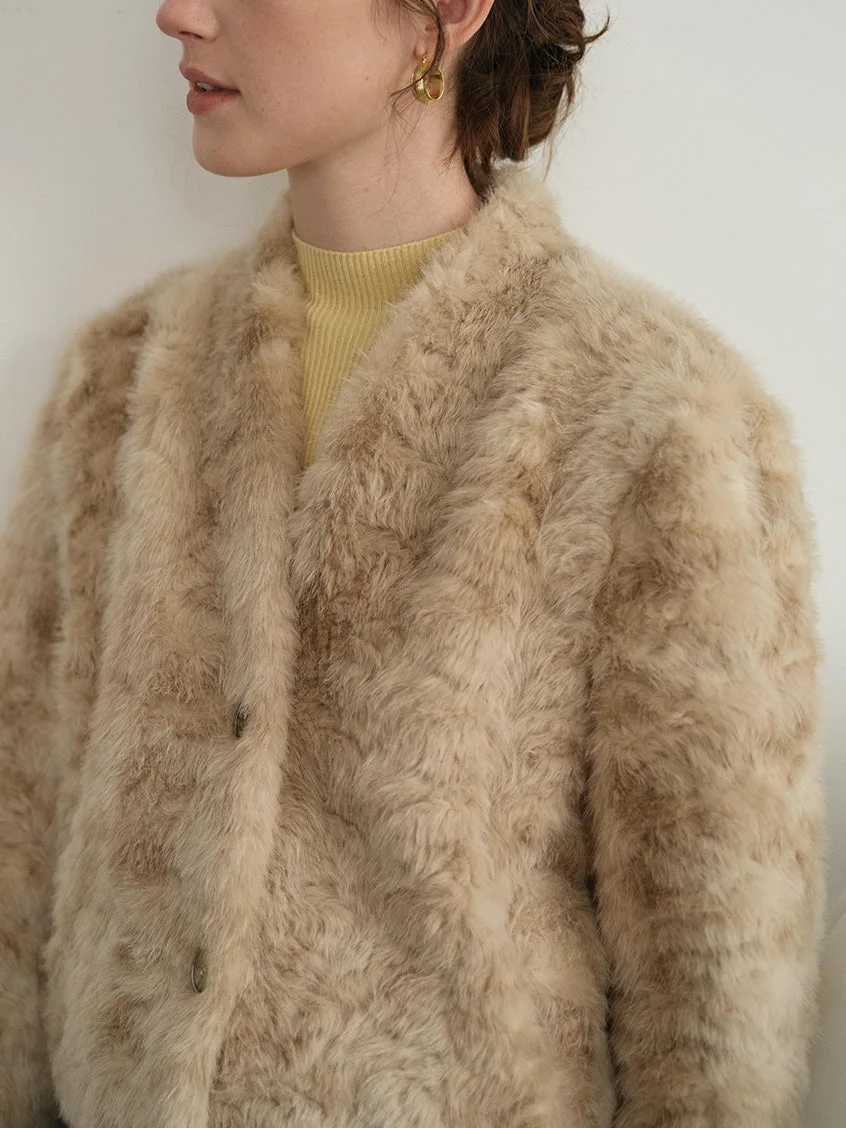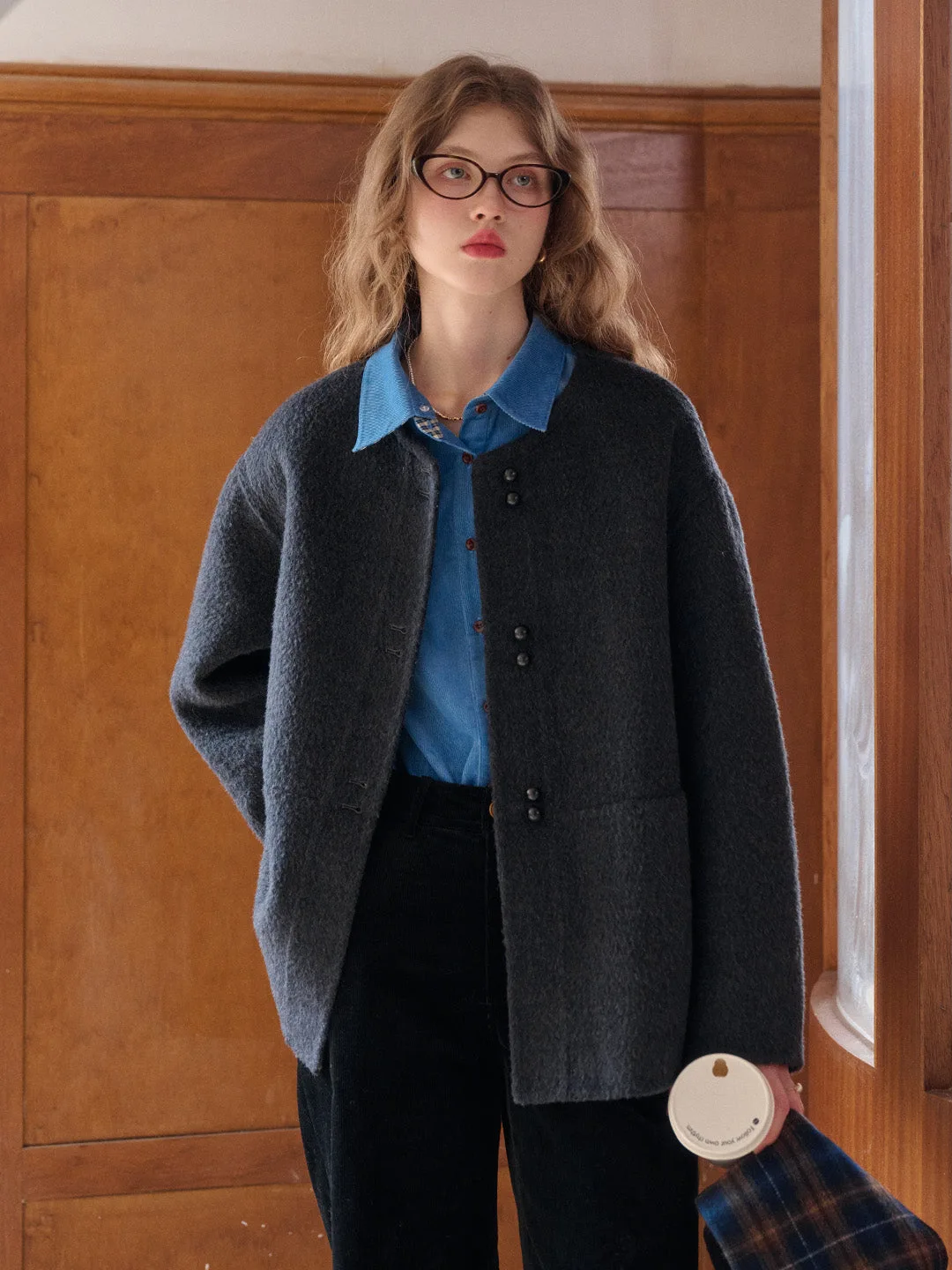
Imagine finding a vintage-inspired coat that looks just right, then trying it on over a thin tee because that is what you wore to the shop. It buttons easily, so you take it home. The next morning, your usual sweater makes the front pull and the sleeves bunch at your wrists. A more useful fitting starts with the clothes you expect to wear under the coat, not an imaginary perfect outfit. You do not need a complicated checklist: bring or wear familiar layers, move as you would in a normal day, and notice where the coat resists. That helps separate a simple sizing issue from a shape mismatch—and keeps a lovely-looking coat from becoming one you avoid.
Start with your most common layers
Choose the layers you reach for in the weather when you would wear the coat: perhaps a blouse and cardigan, a medium-weight sweater, or a dress with a knit over it. Wear them to try on coats if practical, or take the main layer along. The point is not to test every possible combination; it is to see whether the coat works with your regular clothes. A thin base layer alone can hide tightness across the upper back or arms. Conversely, a bulky sweater you rarely wear may make a perfectly usable coat seem too small. If your routine varies, try one ordinary outfit and one slightly warmer version. For more options to compare, browse outerwear with that real-life layer in mind.
Button the coat without negotiating with it
Fasten the buttons or other closure the way you normally would, without pulling the front panels together by hand. Look for fabric drawing into diagonal lines, buttons straining, or a front that shifts open when you breathe normally. Then relax your arms and check whether the coat hangs evenly. A close fit may be intentional, but it should still allow the layers you plan to wear and ordinary movement. If it only closes when you remove the sweater, the issue is not solved by liking the color. Try the next size if the shoulders and overall shape still look balanced. If a larger size hangs awkwardly elsewhere, that may point to a cut that does not suit your layering needs rather than a size you should force.
Reach, bend and sit before judging comfort
Stand as you would for a mirror check, then reach forward as if taking a bag from a chair, lift your arms enough to put on a scarf, and sit down. These small motions reveal restrictions that a still pose can conceal. Notice whether the coat rides sharply upward, tugs across the back, or presses at the elbows. A little movement in the hem is normal; persistent pulling through the shoulders or chest is a reason to pause. If the coat feels comfortable standing but binds when you reach, compare a different size or silhouette. Do not assume that breaking it in will fix a tight fit, especially when the fabric is non-stretch. For example, the Jream Plaid Scarf Wool Coat is listed as non-stretch, so your layering and movement checks matter.
Check sleeve overlap with your actual cuffs
Look at where the coat sleeve ends while your arms hang naturally, then bend your elbows and reach forward. Your blouse or sweater cuff may show a little; the useful question is whether the overlap works for your preferences and keeps your usual sleeve from bunching uncomfortably. A coat sleeve that seems long over bare wrists might feel right over a substantial cuff. A sleeve that already rides high in a relaxed stance may become irritating when you reach. If the body fits well but sleeves are slightly long, ask a qualified tailor whether an alteration is feasible for that garment before buying. Do not assume sleeves can always be shortened cleanly: cuffs and construction can limit options, and tailoring is not guaranteed. If sleeve length is only one of several fit problems, trying another size or coat shape is usually the clearer comparison.
See how your collar and scarf layers stack
Put on the scarf or high-neck layer you actually expect to wear, then settle the coat collar as you would outside. Check whether the neck feels crowded, the collar pushes your hair or scarf awkwardly, or the front sits away from your chest. A built-in scarf detail, such as the one named in the Jream Plaid Scarf Wool Coat, may change how you prefer to layer a separate scarf; the listing alone cannot tell you how it will sit on your body. Try your own scarf if that combination matters. A roomy neck can be useful with layered collars, but excess space may let cold air in or make the coat feel visually loose. Decide based on your usual neck layers, not on a styling combination you are unlikely to wear.
Choose tailoring only for a limited mismatch
Tailoring can be worth exploring when the coat fits comfortably through the shoulders and body but has one manageable issue, such as sleeves that are a little long. It is less promising when the coat pulls across the chest, restricts reaching, or needs several major changes to make room for layers. Ask a tailor about the specific garment and alteration before counting on a fix; fabric, seams and details affect what is possible, and no alteration outcome is guaranteed. Compare the coat in another size if you can. A larger size may solve button strain but create drooping shoulders or an overly loose body. If the shape looks wrong in every size, switching to a different cut is a sensible choice—not a failure to find the right number. Check the retailer’s size guide as one more reference, while remembering that fit depends on the layers and movement you need.
Use a quick fitting routine before deciding
Here is a simple exercise: wear your usual base layer and sweater, then try the coat closed. Take three slow breaths, reach forward, lift your arms, sit, and stand again. Check the button line, shoulders, sleeve ends and collar after each movement. Repeat once with the scarf or dress layer you wear most often, if that is part of your routine. Ask yourself which single issue you would be willing to address—and whether it is truly minor. If the coat fails in several places, or you would need to change your everyday outfit just to make it work, keep looking. If only one detail is off, compare another size and ask about realistic alteration options. For questions about an item, you can use the site’s contact page. Make the final choice for the clothes you wear, not the outfit you might wear someday.
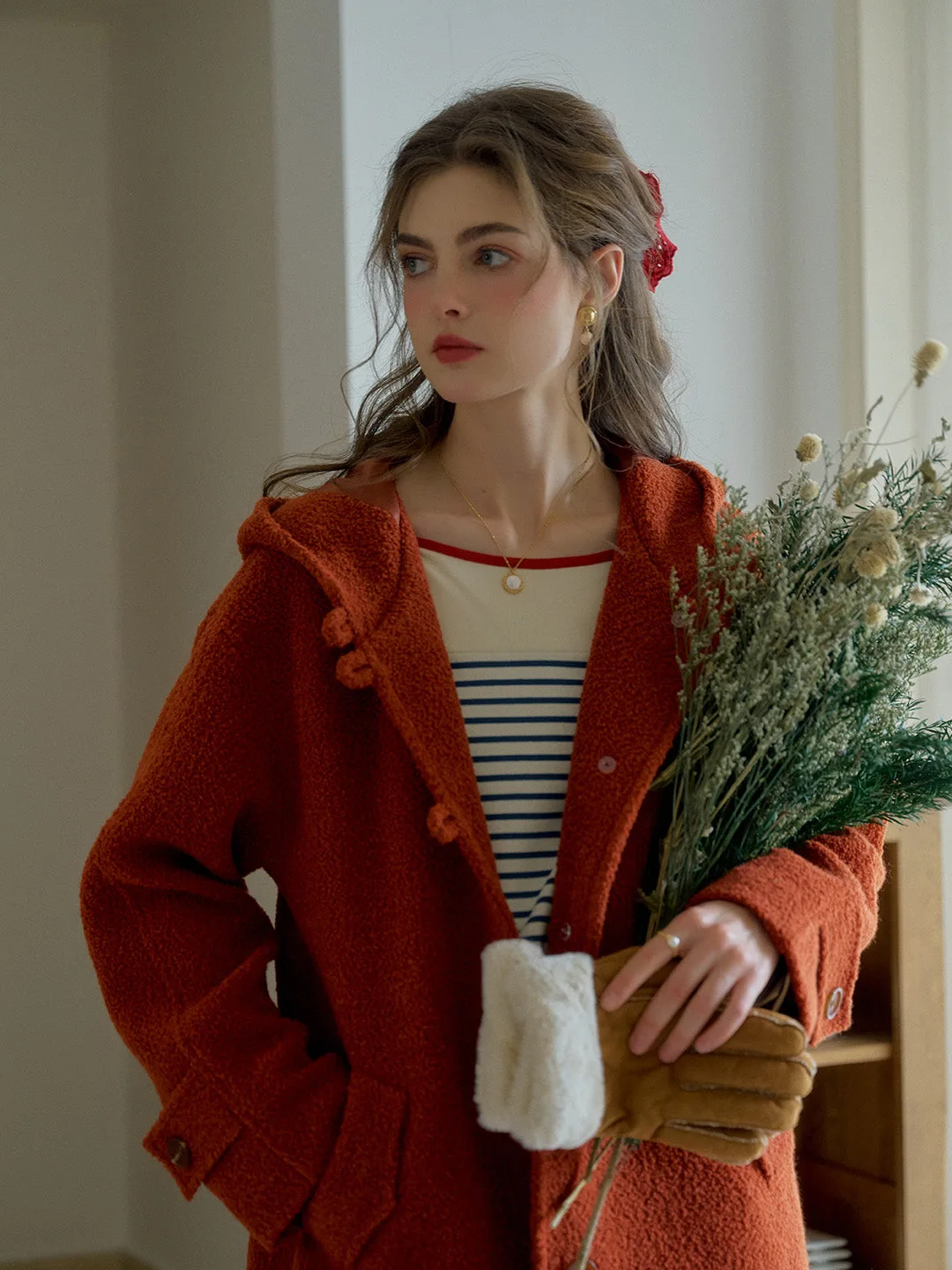
Explore the pieces behind the ideas
Browse our jackets & coats for full product photographs and listed specifications. Ask our team for fit and availability, or visit wholesale partnerships if you’re buying for a boutique.