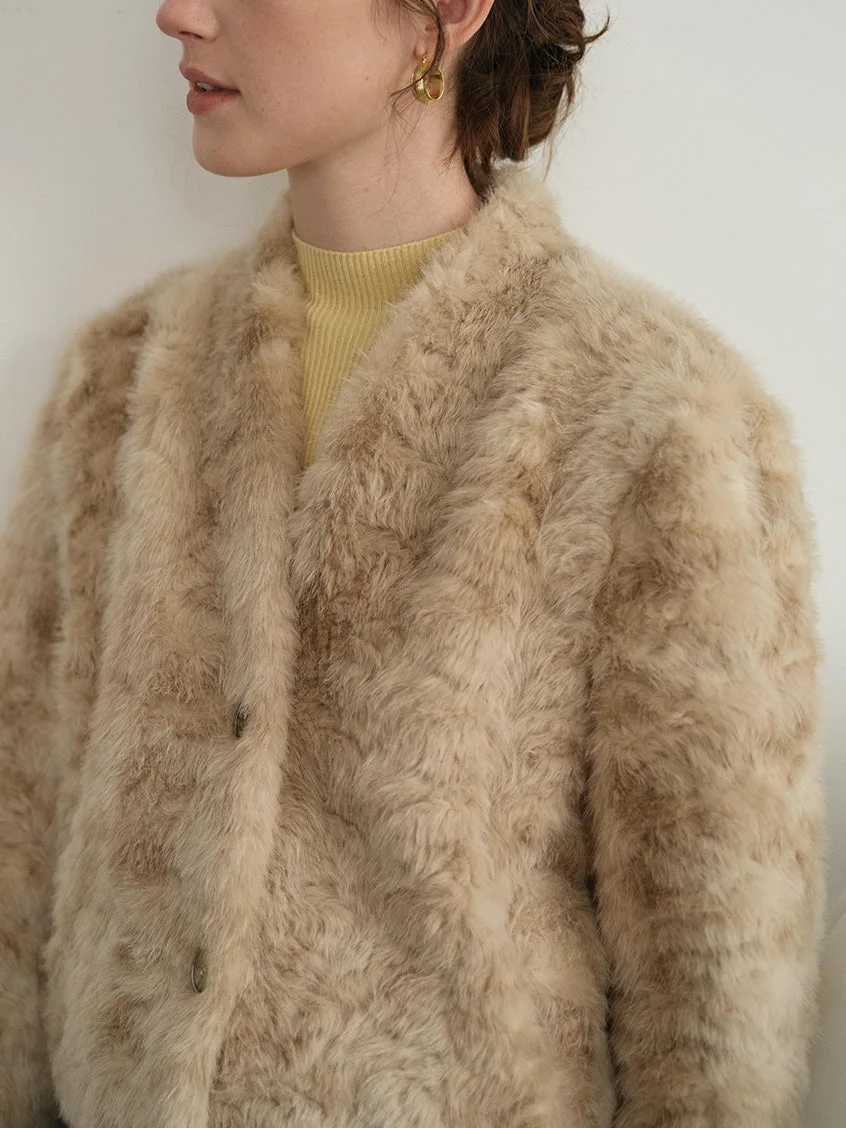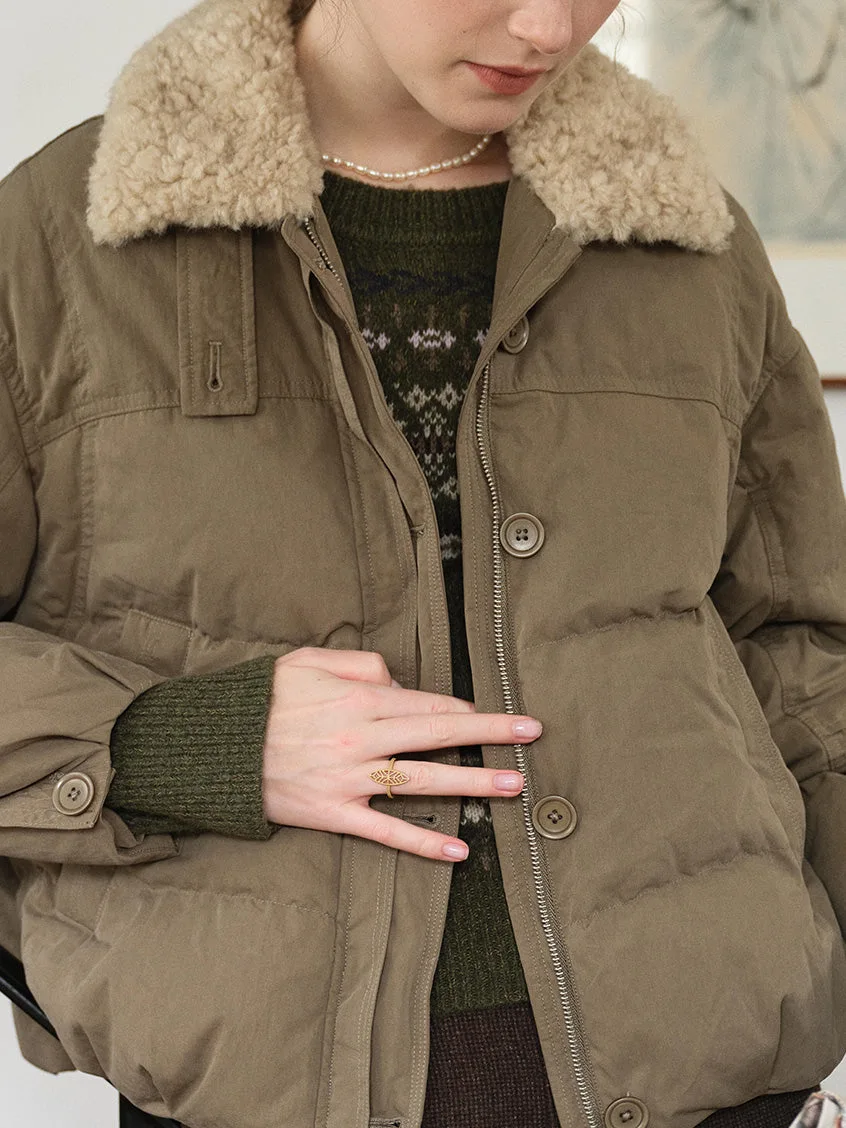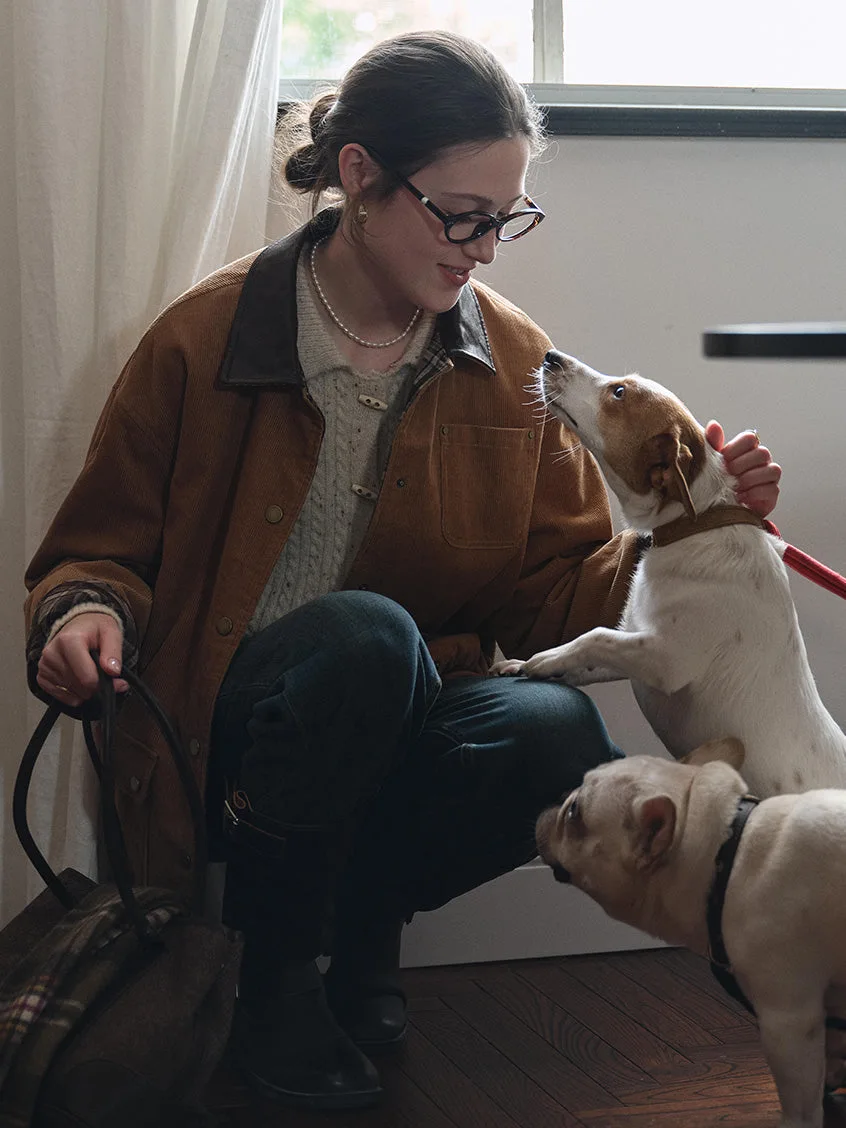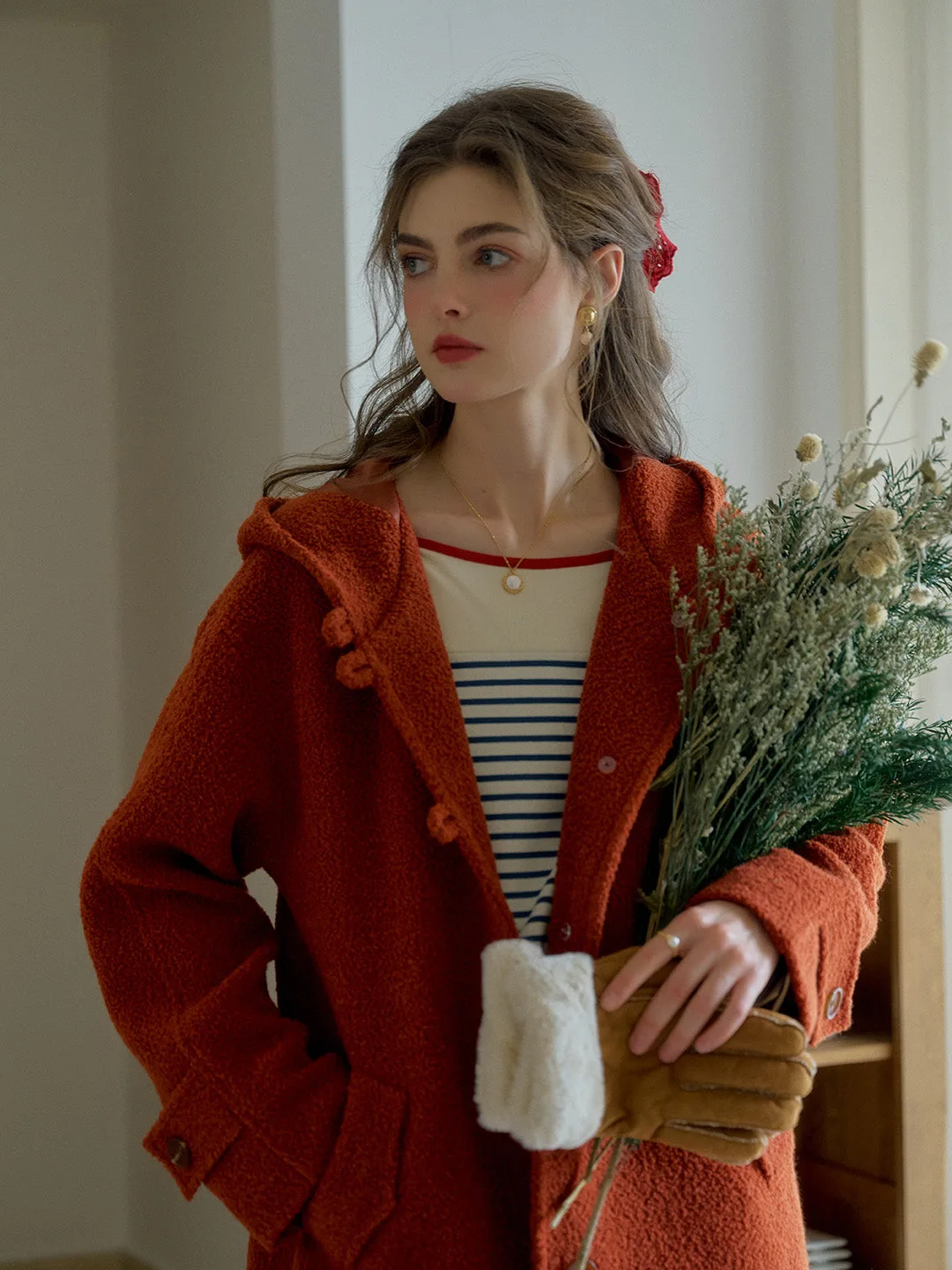
Imagine leaving home for a morning appointment, a few errands, and a late lunch. The forecast shows a cool start, a brighter middle of the day, and a chance of showers—but the temperature alone does not tell you whether you will want your jacket on indoors or how awkward it will feel to carry. Instead of dressing for every possibility, choose one outer layer around the day’s actual stops, then plan how it comes off, where it goes, and what needs room beneath it.
Start with the forecast and your route
Check the hourly forecast for the places and times you expect to be outside. Look at temperature, wind, and precipitation separately: a mild number can still feel uncomfortable in wind, while a shower forecast matters if you will walk between stops. Do not treat a product name or general phrase such as “all-purpose” as evidence of water resistance or a particular warmth level. Neither is specified for every jacket.
Now map your day. A short walk from a parked car calls for a different plan than a long wait outdoors. If rain is likely and you do not have verified rain protection, bring an umbrella or choose a different outerwear option. Browse the outerwear collection for silhouettes, but let the local forecast—not a style description—decide what conditions you need to cover.
Choose the layer you can remove without fuss
For a cool morning that may warm up, start with a top you would be comfortable wearing on its own at your indoor stops. Add the jacket over it, rather than relying on the jacket as your only temperature adjustment. A thin shirt or blouse under a jacket is easier to manage than a bulky sweater if you expect to take the jacket off and carry it. If you need a substantial insulating layer, a light jacket may not be the right single choice for that day.
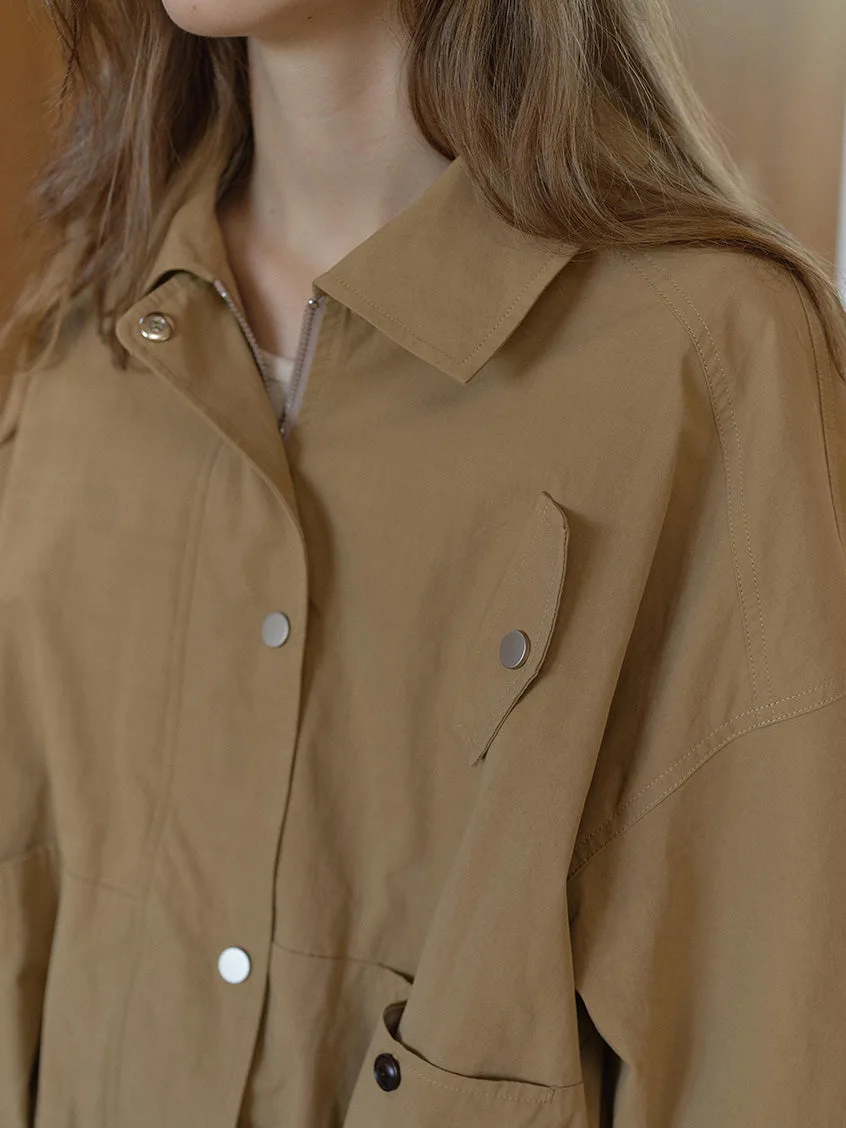
Think through the removal moment: will you be entering a shop with your hands full, or settling into a café? A removable layer helps only if you have somewhere practical to put it. The Ainsley jacket is listed with a khaki color, button-down collar, and a lining composition of 80% polyester and 20% cotton; those details may help you picture it with your outfit, but they do not establish how warm it will feel for your route.
Test the bag before you commit
Before leaving, decide whether the jacket will stay on or ride in your bag during the warmest part of the day. Put your usual essentials in the bag first, then check whether the jacket can fit without crowding what you need to reach. If it takes up the whole bag, you may prefer carrying it over your arm or keeping it on during a brief indoor stop. That trade-off is more useful to know at home than halfway through errands.
Try a simple rehearsal: wear the jacket for a few minutes, take it off, fold or drape it the way you realistically would, and place it in your everyday bag. Open and close the bag, retrieve your keys, and walk around. If the jacket blocks access or leaves no room for lunch leftovers or another planned purchase, either use a larger bag, carry the jacket separately, or choose a lighter underlayer and keep it on. Do not assume a garment will pack into a small space based on its appearance.
Make room for cuffs while you move
A sleeve that seems fine with arms relaxed can feel restrictive when you reach for a transit card, steer a stroller, or lift a shopping bag. Try the jacket over the exact top you plan to wear. Bend your elbows, reach forward, lift both arms, and check whether the cuffs ride up or press against your wrists. Then repeat the motions with any sleeves beneath pulled to their intended position. This quick fitting exercise reveals whether the combination works for your actual errands.
Room is not the same as excess fabric: you want to move without fighting the layers, while keeping the sleeve arrangement comfortable. If a shirt cuff peeks out, decide whether you like that detail and whether it stays put during movement. A non-stretch garment may feel less forgiving when layered; the Tyra coat, for example, is listed as non-stretch and made of 82% wool and 18% polyamide. It is a coat rather than a light-jacket default, so consider it only when the conditions call for that kind of layer.
Pick a collar that suits the stops
Collar choice changes how a jacket sits against the rest of an outfit and what happens when it is open or closed. A button-down collar gives a shirt-like detail; a stand collar creates a more upright outline; a hood adds another element around the head and neck. Decide based on what you will wear underneath and whether you expect to keep the jacket open, fasten it, or remove it indoors. A collar that looks appealing in one position may bunch against a scarf or compete with a high neckline.
Try the collar in both open and closed positions, then turn your head and look down as if checking a phone. Does it shift comfortably, or do you keep adjusting it? The Whitney jacket is described as brown faux leather with a stand collar. That is a specific collar option, not a promise that it will suit every neckline or weather condition. Pair it with a simpler neckline if you want the collar to remain the outfit’s main upper-body detail.
Use the outfit as a final fit check
Put on the complete outfit, including the shoes and bag you expect to use. Fasten the jacket as you would outdoors, then sit down, stand up, and reach into the bag. Look for practical snags: a collar that catches on a scarf, cuffs that cover your hands, or a hem that bunches when you sit. These checks are especially useful when ordering online, where you cannot make an in-person adjustment before deciding.
For a vintage-inspired everyday look, you might try a simple blouse, straight-leg trousers, and one jacket with a defined collar; or a plain top and skirt with the jacket worn open. Treat those as starting points, not rules about body shape. Check the garment’s listed details and the size guide before choosing a size. Product measurements and fit can vary, so compare the information provided with a similar layer you already find comfortable.
Set up tomorrow’s jacket decision tonight
Lay out the outfit and check the next day’s hourly forecast before bed. Choose the jacket only after you know when you will be outside, how much walking is involved, and whether rain or wind is part of the plan. Put the jacket beside the bag you intend to carry, not across the room; that small step makes it easier to notice if the bag plan is unrealistic. If the forecast changes in the morning, revise the outerwear choice rather than expecting one light layer to cover every condition.
Keep the decision practical: select a comfortable base layer, test the jacket over it, confirm cuff movement, and make a clear plan for carrying the jacket once removed. If those checks fail, change one element—the bag, the underlayer, or the jacket—before leaving. The best choice for an unpredictable afternoon is not the one that claims to do everything; it is the one that fits the weather you checked and the day you actually have planned.
Explore the pieces behind the ideas
Browse our jackets & coats for full product photographs and listed specifications. Ask our team for fit and availability, or visit wholesale partnerships if you’re buying for a boutique.