Imagine getting dressed for a day that includes a walk, a café stop, and a ride home. Your dress feels right, but the jacket you reach for seems to interrupt the skirt—or disappear into it. Before changing the dress, look at where the jacket ends and what happens to the fabric below it. A cropped layer may make the waistline more apparent, while a hip-length one may create a longer, quieter line. Neither result is automatically better. The useful choice depends on the dress’s fullness, the way you want the open front to read, and whether you can move and sit comfortably.
Start with the open-front line
When a jacket is worn open, its front edges form two vertical lines over the dress. Notice where those lines begin and end: they may frame a section of the dress, meet its waist detail, or stop across a fuller part of the skirt. A shorter jacket leaves more of the dress visible between its fronts and hem. A hip-length layer covers more of the center and sides, which can make the outfit feel more continuous. Try standing naturally rather than pulling the jacket fronts into place. If the edges swing apart or catch on the dress, the open line may be less settled than it looked in front of a mirror. The point is not to create one prescribed shape; it is to see what the layer actually does.
When a cropped hem makes sense
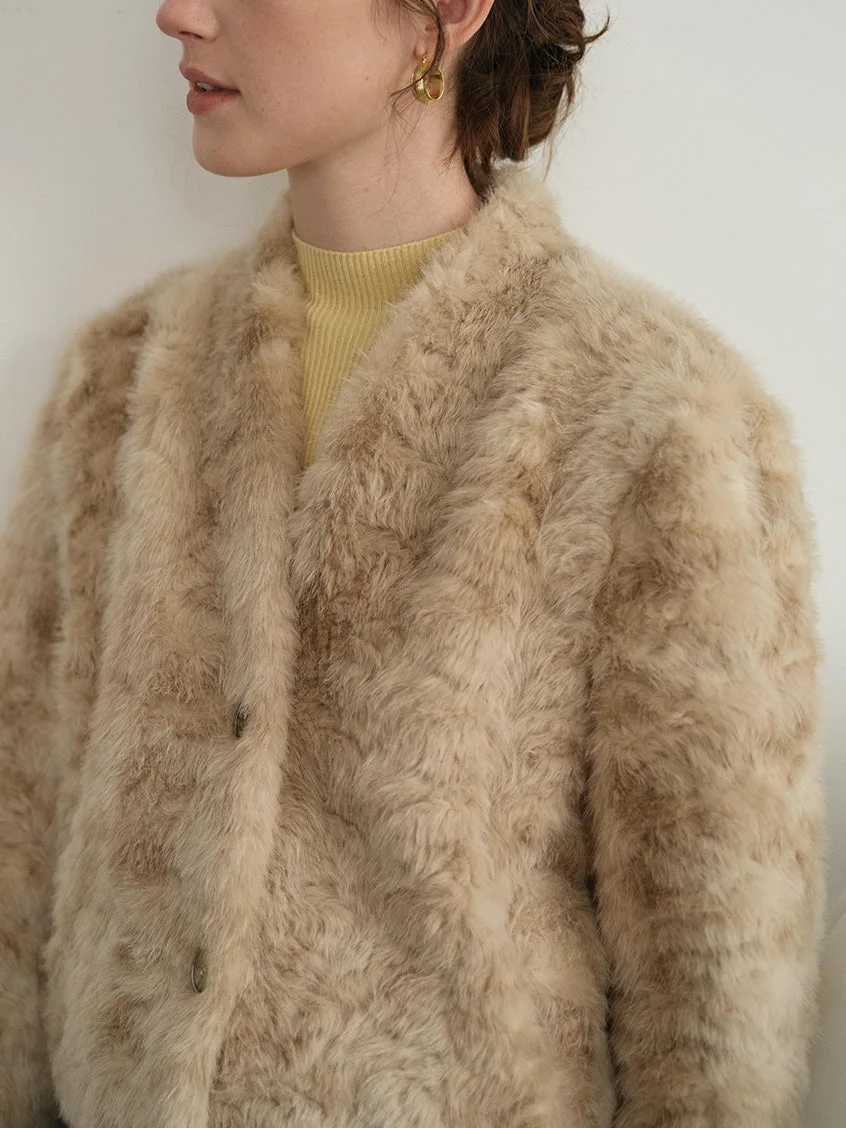
A cropped jacket can be a useful choice when you want the dress’s waist seam, belt, or upper skirt to remain visible. It can also provide a clear break above a skirt that gathers or flares below the waist. For example, try a cropped layer over a dress with a defined waist and a fuller skirt, then check whether the hem lands above rather than directly across a feature you want to show. This is a suggestion, not a rule: a cropped hem may feel busy over a dress with prominent bodice details, or leave you wishing for more coverage. The Gerda Cropped Plush Faux-Fur Short Jacket is one catalog example to inspect if you are considering a cropped option; review its photographs and listed details rather than assuming a particular fit.
When hip length earns its place
A hip-length jacket can make sense when you want more coverage over the waist and upper skirt, or when a short layer feels visually abrupt with a straighter dress. It may also give the outfit a calmer outline if the dress has a simple front and little gathering at the waist. The trade-off is that the hem can cross the skirt where fabric begins to widen, especially on a dress with a full or gathered shape. That overlap may be exactly the relaxed look you want, or it may obscure a detail and make the front feel crowded. Compare options in the outerwear collection, checking the actual product images and descriptions. A jacket’s label or category alone cannot tell you how its hem will meet your particular dress.
Let the dress’s fullness decide the test
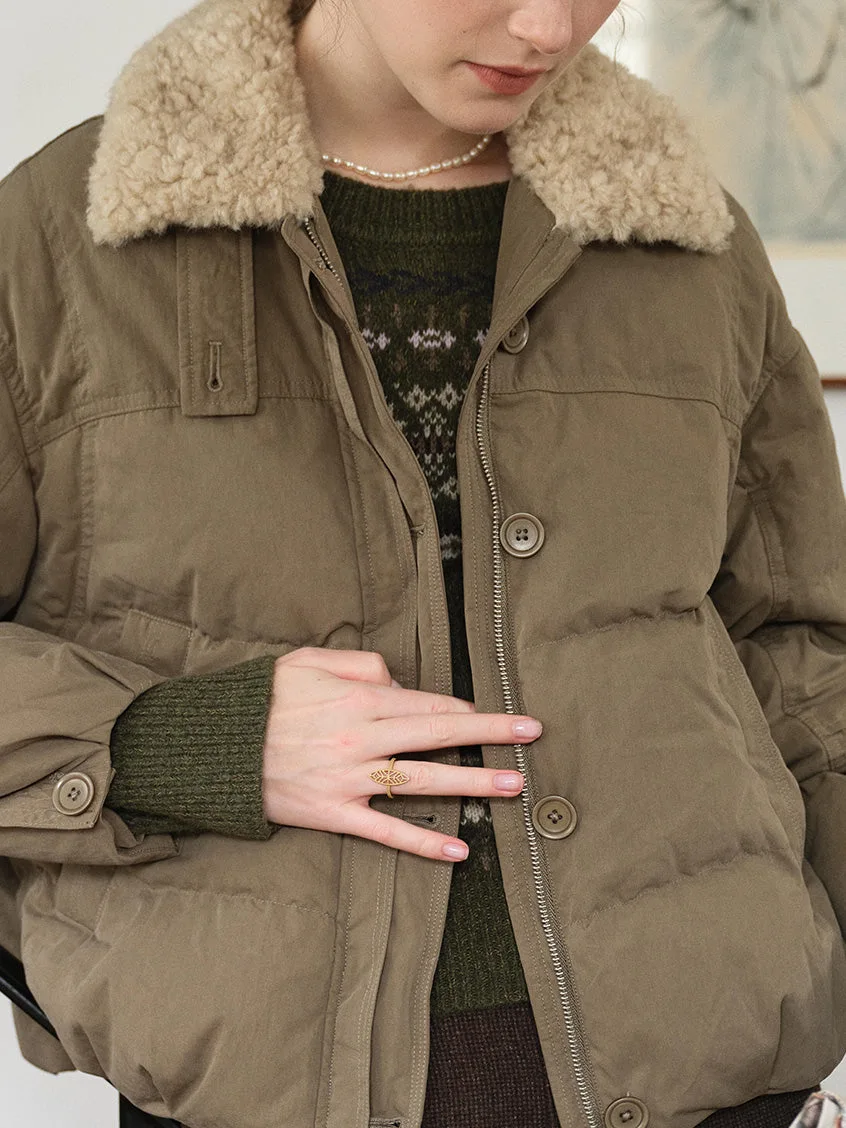
Look beyond the dress label and notice where its volume sits. A dress may be fairly straight through the hips and fuller only near the hem, or it may gather at the waist and spread immediately below it. With the first shape, a jacket ending around the hips may leave the skirt’s expansion unobstructed. With the second, that same hem can land across a noticeable change in width. A cropped jacket might keep the gathered area clear, but it can also make the contrast between a short upper layer and a generous skirt feel pronounced. Neither pairing is universally ideal. Stand with the jacket open and closed, and check the side view as well as the front. If you are considering a specific corduroy option, the Consuelo 100% Cotton Contrast-Collar Corduroy Jacket is a product reference; its title identifies the material, but it does not establish how its hem will fall on your dress.
Use movement and sitting as a fit check
A hem that looks balanced while you stand may shift when you reach, walk, or sit. Try a small fitting exercise at home with the dress and jacket together. First, stand with your arms relaxed and note where the jacket edges and hem rest. Then take several steps, turn, lift your arms as you would to reach a shelf, and sit in a chair. Check whether the fronts pull apart, the hem rides upward, or the dress skirt bunches beneath it. Stand again and see whether everything settles without constant adjustment. These checks are especially useful when the dress has gathers or a slippery-feeling outer layer, though the result depends on the actual fabrics and cut. If a jacket requires repeated tugging during ordinary movement, a different length or layer may be easier to wear.
Compare the hem without guessing at ratios
Instead of looking for a universal proportion, compare the candidate lengths on your own outfit. If you already own a jacket that is near the length you are considering, wear it with the dress and take a quick mirror photo from the front and side. You can also hold a tape measure vertically from the shoulder to the point where you would like a jacket hem to end, then compare that reference with the product’s listed measurements when available. This does not predict fit exactly: garment shape, how you wear it, and the dress underneath all matter. For an online order request, consult the size guide and contact Rustic Cottage for current measurements or material details if you need clarification. Use the comparison to identify a preferred stopping point, not to chase a supposedly perfect hem-to-dress ratio.
Choose for the outfit you will actually wear
Make the decision with one ordinary day in mind. If you want to show a dress’s waist detail and do not mind a more defined break, try a cropped layer first. If you prefer extra coverage or a quieter front, compare a hip-length option, especially with a straighter dress. For a full skirt, pay close attention to where the jacket ends relative to the skirt’s widening point; a small shift in hem placement can change the overlap. Consider whether you will keep the jacket open, close it, or take it off indoors, and repeat the movement check in each likely arrangement. A hem that works only in one posed stance may not suit your routine. If product details leave a fit question unresolved, use the contact page before sending an order request. The right length is the one that works with this dress, this layer, and the way you move—not a fixed rule for every outfit.
Explore the pieces behind the ideas
Browse our jackets & coats for full product photographs and listed specifications. Ask our team for fit and availability, or visit wholesale partnerships if you’re buying for a boutique.