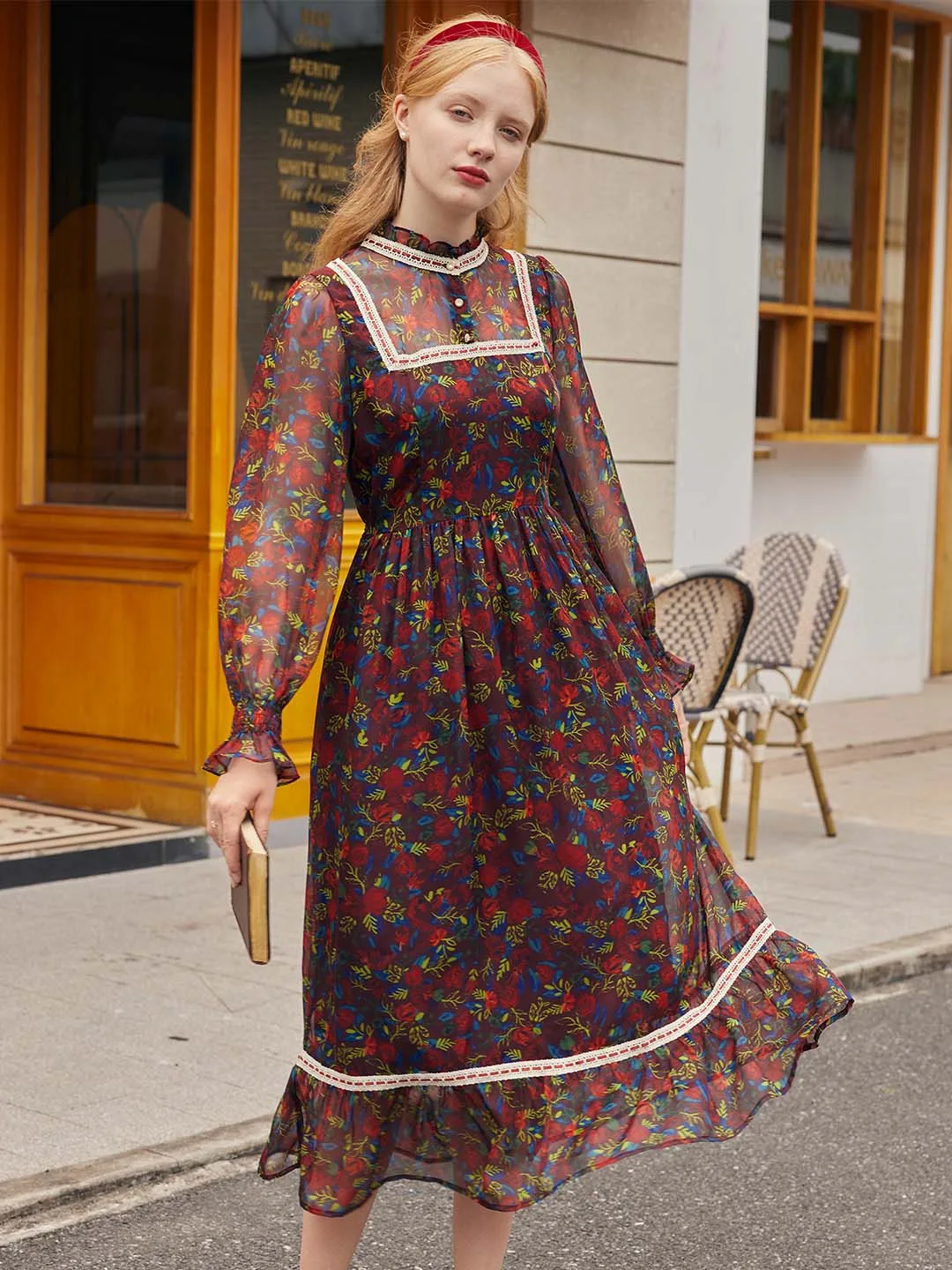
Imagine leaving home for a quick pharmacy stop, a grocery pickup, and one more shop across town. You expect to be in and out, but the car ride runs long, the checkout line inches forward, and the day warms while you carry a tote back to the car. For that kind of outing, the useful question is not simply whether a dress looks charming in a mirror. It is whether its hem, sleeves, and fit still feel manageable through several small changes of position and temperature.
A vintage-inspired dress can make getting dressed straightforward, but details that seem minor while standing still may matter once you sit, reach, or wait. Think through the route before choosing: what you will sit on, what you may carry, and whether you will move between air-conditioned rooms and outdoors. These checks can help you select with intention without assuming every dress or every errand day is the same.
Start with the longest seated stretch
Picture the first drive as more than a moment between destinations. When you sit, a skirt can ride up, gather beneath you, or press differently across your lap than it does while standing. Before leaving, sit in the car in the shoes you plan to wear and settle into your usual driving or passenger position. Notice whether the hem stays where you want it, whether fabric bunches at the waist, and whether you can bend your knees without needing to tug the skirt into place.
A hem that feels easy when you are upright may need more attention if you expect to get in and out of a low car repeatedly. If the skirt shifts when seated, try smoothing it before you move, or choose a different length or silhouette for a day with more driving. Do not rely on a general label such as “midi” to predict where a hem will land on you: the same named length can sit differently depending on your height, proportions, and the garment’s actual measurements.
For an online option, check the product page and size guide for the measurements that are available. Compare them with a dress you own, laid flat and measured in the same way. If a particular measurement is not listed, do not guess at it; contact the retailer to ask before ordering. A stated measurement can help you compare garments, but it cannot promise exactly how a dress will sit on your body.
Give the hem a real-life movement check
After the seated check, stand and take a few ordinary steps, turn to reach for a door handle, and bend as if picking up a light item. These are small motions, but they can reveal whether the hem swings into your path or whether you feel the need to hold it in place. If you will be stepping in and out of the car with bags, consider whether you can manage the skirt and the items in your hands at the same time.
There is a trade-off here. A longer hem may offer the coverage you prefer while sitting, but it can be inconvenient if it brushes against wet pavement or gets in the way when you move quickly. A shorter hem can feel easier when walking, yet may need more adjusting in a low seat. Neither length is automatically better; choose according to your route, your comfort, and the movements you expect to make.
For a starting point, browse Rustic Cottage dresses and check each listing rather than inferring length from its styling photos. Photos can help you see the overall impression, while listed garment measurements—when provided—offer a more useful comparison for fit.
Check sleeves before you reach and carry
Errands involve more arm movement than a quick mirror check suggests: reaching for a card, opening a door, lifting a grocery bag, or pulling a seat belt across your body. Raise and lower your arms, bend your elbows, and reach forward as if taking something from a counter. Ask whether the sleeves stay comfortable and whether fabric pulls across your shoulders or upper arms. If they feel restrictive during a simple reach, a longer outing may make that sensation more noticeable.
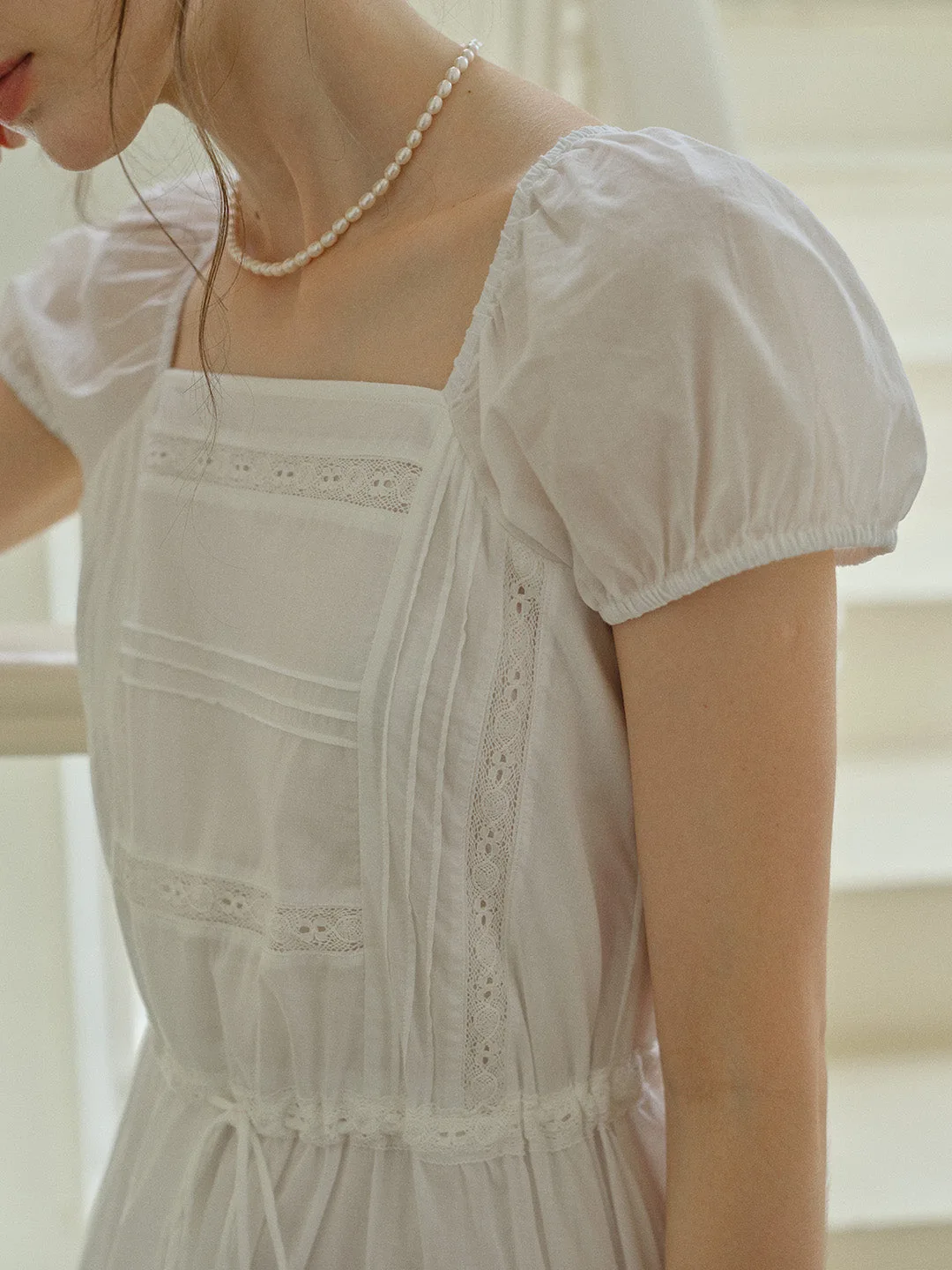
Sleeve shape also affects layering. A fuller sleeve may look appealing on its own, but it can feel crowded beneath a close-fitting jacket or cardigan. If the forecast suggests a cool start, test the actual outer layer over the dress before you go. The Ocean V-Neck Puff Sleeves 100% Cotton Dress is listed as regular fit, non-stretch, and 100% cotton, with puff sleeves. Those facts make it worth checking how the sleeve and any planned layer work together; they do not tell you how much room the garment will have on you. Use the product’s listed measurements where available and compare them carefully.
Plan for the shop queue, not just the walk in
Standing in one place can make a different set of fit details noticeable. If the waist feels tight when you are stationary or the bodice needs frequent readjusting, waiting in a line may feel less comfortable than walking across a parking lot. Stand for a few minutes at home in the dress, shift your weight, and reach for something at about counter height. Notice whether the neckline stays in place and whether you are comfortable without repeatedly smoothing or tugging at the garment.
Consider the items you will carry, too. A tote strap can sit over a shoulder or across the body, depending on how you wear it, and either position may interact with a neckline or sleeve. Try your usual bag with the dress and check that the strap does not keep slipping or press awkwardly against a detail you want to protect. Never assume a dress has pockets unless its listing specifically confirms them. If you will need your phone or keys quickly, plan to use a bag or another confirmed storage option.
Make the tote manageable before you leave
A heavy tote can change your posture and make a dress feel different by the end of a few stops. If you expect to pick up several items, decide whether you can split the load, use a smaller bag for essentials, or bring a reusable bag that is easy to carry. This is not just about the garment: a bag that pulls on one shoulder may make it harder to judge whether a sleeve or neckline is comfortable on its own.
Do a short at-home rehearsal with the bag you will take. Walk across the room, set it down as if you were paying, then pick it up again. Check whether the straps catch on sleeves and whether you can move your arms freely. When the dress has a delicate-looking detail, avoid letting a strap rub over it repeatedly if you can position the bag differently. This is a practical suggestion, not a claim that any particular fabric or detail is guaranteed to resist wear.
Dress for the shifts between indoors and out
A day of short stops can alternate between a warm car, a cool shop, and direct sun in a parking lot. Instead of choosing an outfit for only the first few minutes outdoors, consider the parts you can adjust. A removable layer is useful when you can take it off without disrupting the outfit; a light scarf or an extra layer in the car may suit a different route. Test the combination before leaving so the layer does not crowd the sleeves or make the neckline uncomfortable.
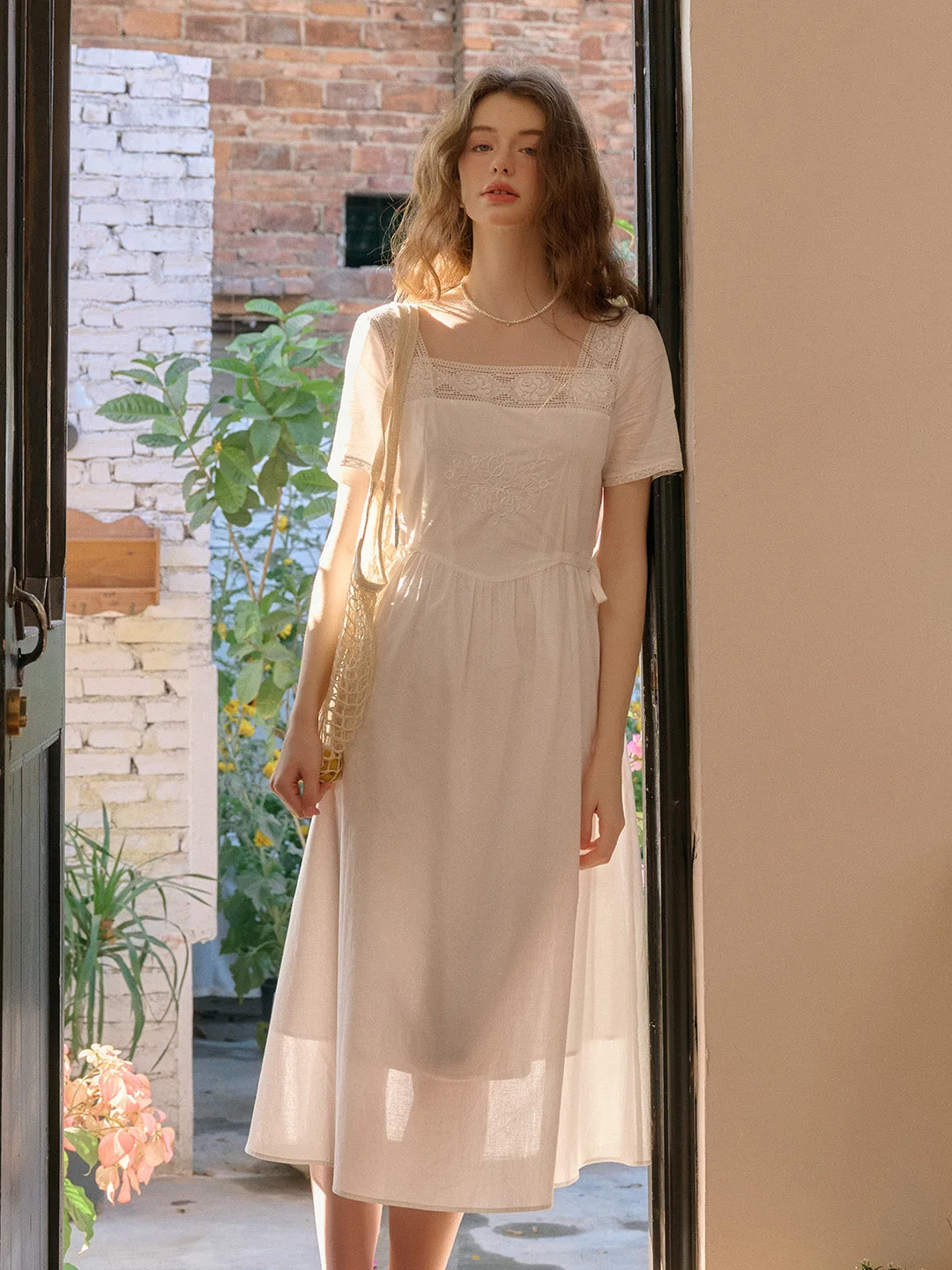
Fabric information can help set expectations, but it is not a forecast of how warm you will feel. For example, the Sia Square Neck Embroidery White Cotton Dress is listed as 100% cotton and non-stretch. That describes the supplied fabric details; it does not establish a specific level of warmth, breathability, or comfort for every wearer. Consider the weather, your time in the car, and whether you can add or remove a layer. Follow the garment’s sewn care label for care rather than assuming all cotton dresses should be handled identically.
Use a five-minute errand rehearsal
Before committing to an outfit, try this simple route check: sit as you would in the car, fasten your seat belt, get up, take a few steps, reach forward, and carry your usual tote for a minute. Then take off any layer you expect to remove indoors and put it back on. These actions can reveal issues that a standing mirror check misses. If something feels fussy, change one variable at a time—shoes, layer, bag, or dress—so you can identify what is causing the inconvenience.
Keep the trade-offs in view. A dress that needs a little hem adjustment when seated may still suit a day with short drives and fewer stops. A sleeve that fits comfortably without a jacket may not work with the outer layer you need at the start of the day. The aim is not to find a hypothetical perfect dress, but to choose an outfit whose compromises fit your actual plans.
Make the final choice from your route
Lay out the dress, shoes, layer, and bag together, then ask three questions: Can I sit and stand without constant adjustment? Can I reach and carry what I need? Can I adapt if the indoor temperature differs from the weather outside? If the answers are mostly yes, the outfit is likely to feel more considered for this particular set of stops. If you are uncertain about measurements or a feature that affects your choice, use the contact page to ask rather than filling in missing details yourself.
For a day with several short errands, practical comfort comes from anticipating the small transitions: car seat to pavement, queue to checkout, tote on and off, cool room to warmer air. Choose the hem and sleeves with those movements in mind, verify the measurements that are actually listed, and plan for storage without presuming pockets. Then you can leave home with an outfit that suits the day you have planned, not just the first stop.
Explore the pieces behind the ideas
Browse our dresses for full product photographs and listed specifications. Ask our team for fit and availability, or visit wholesale partnerships if you’re buying for a boutique.