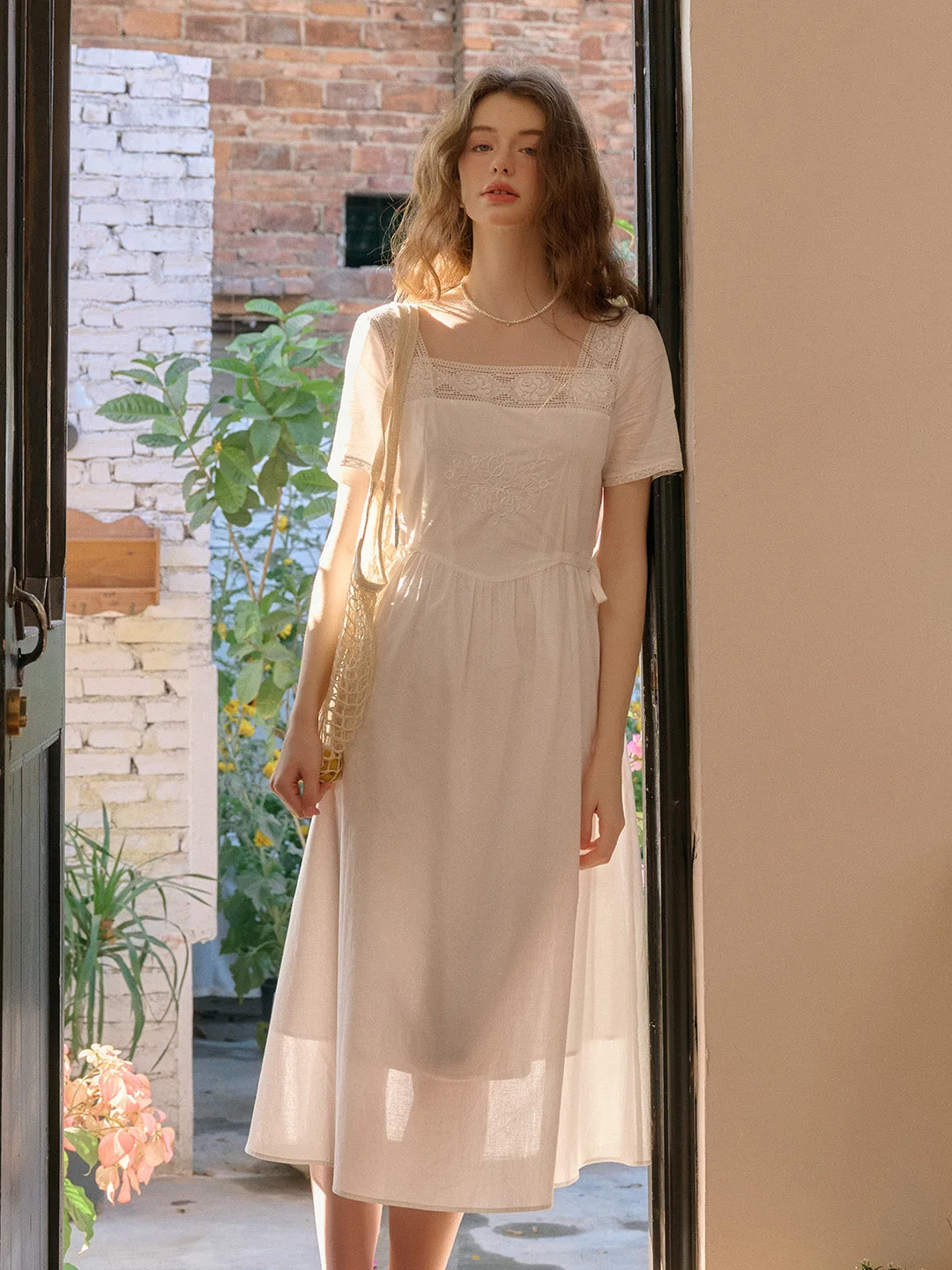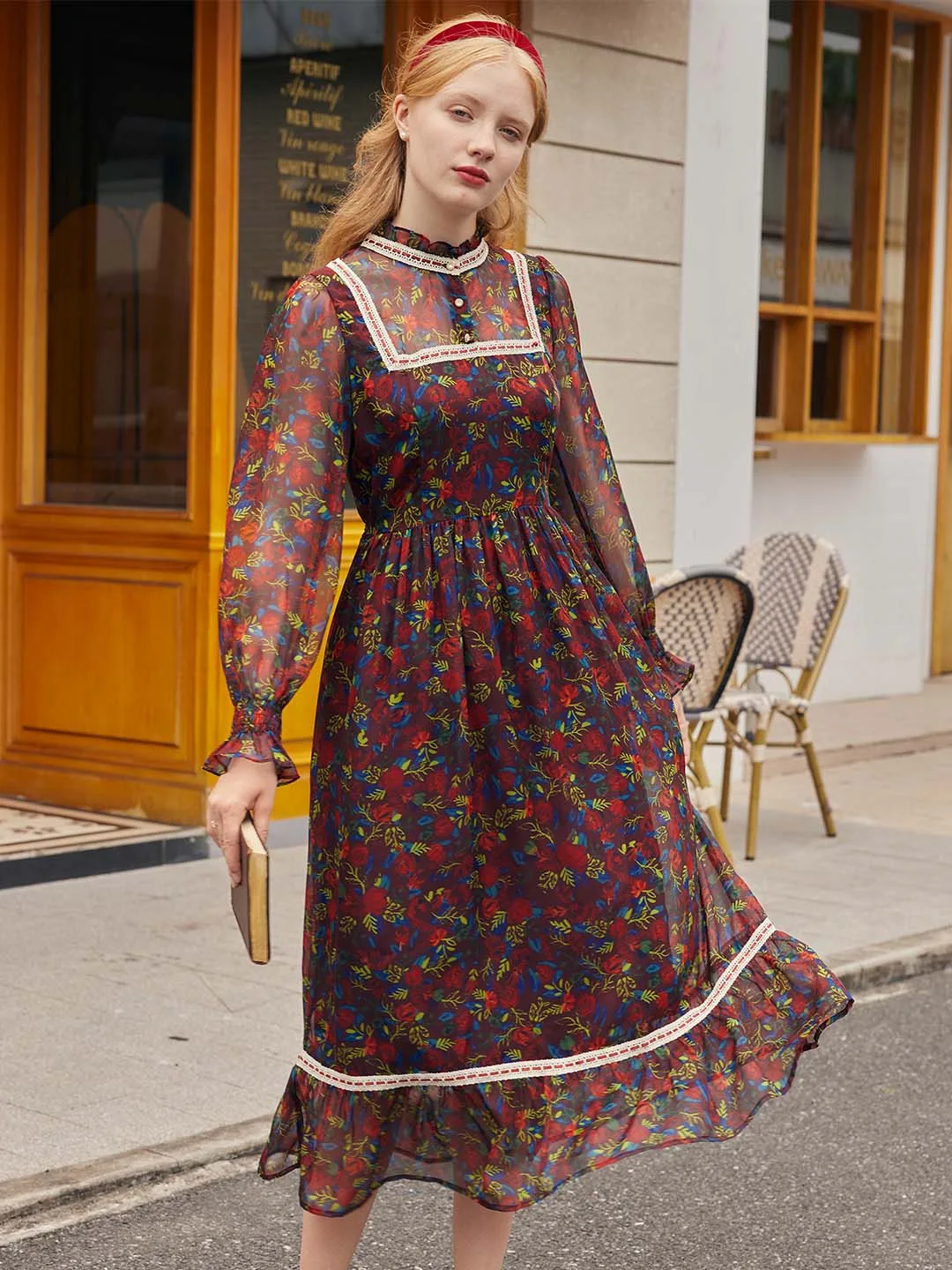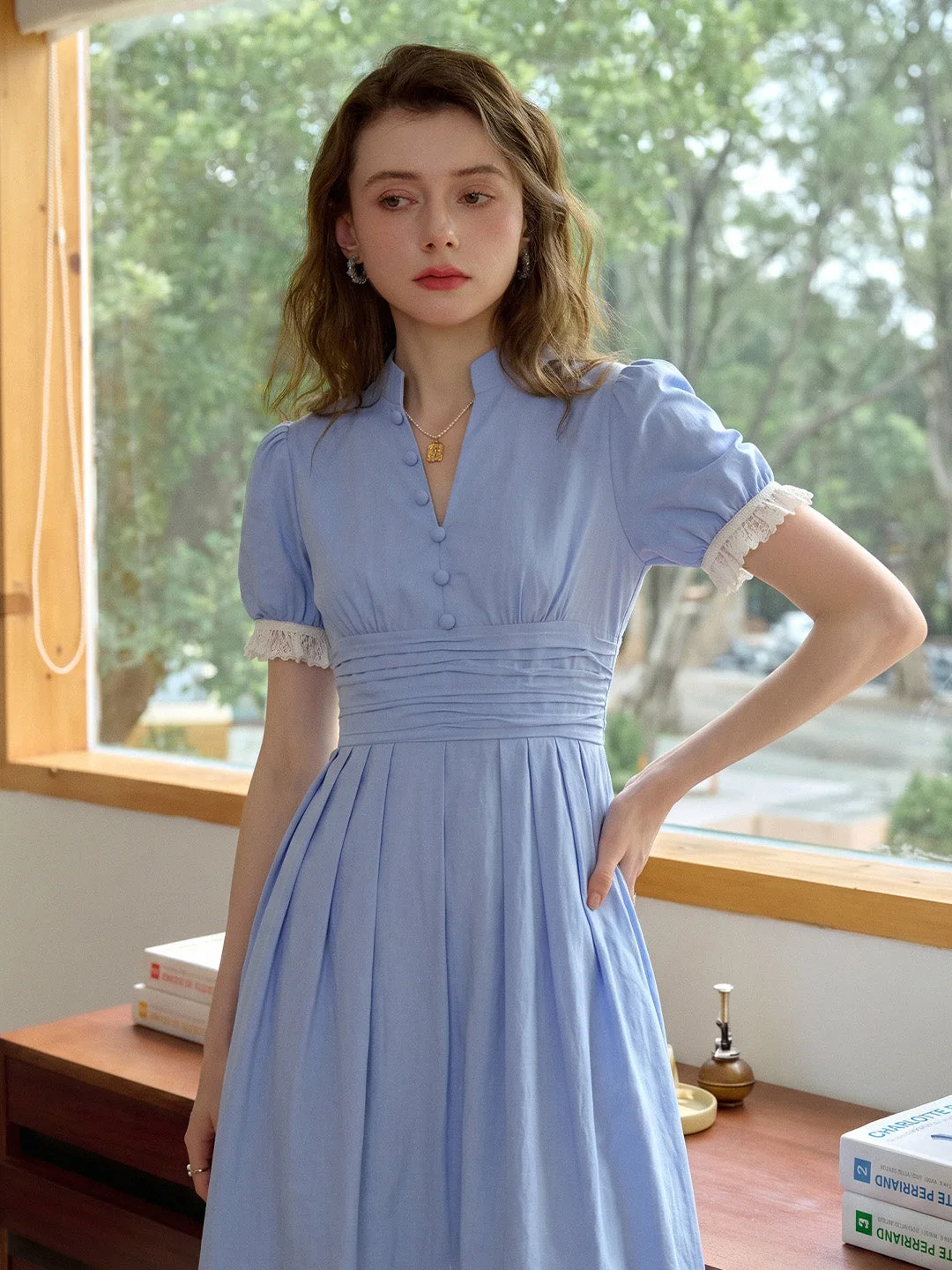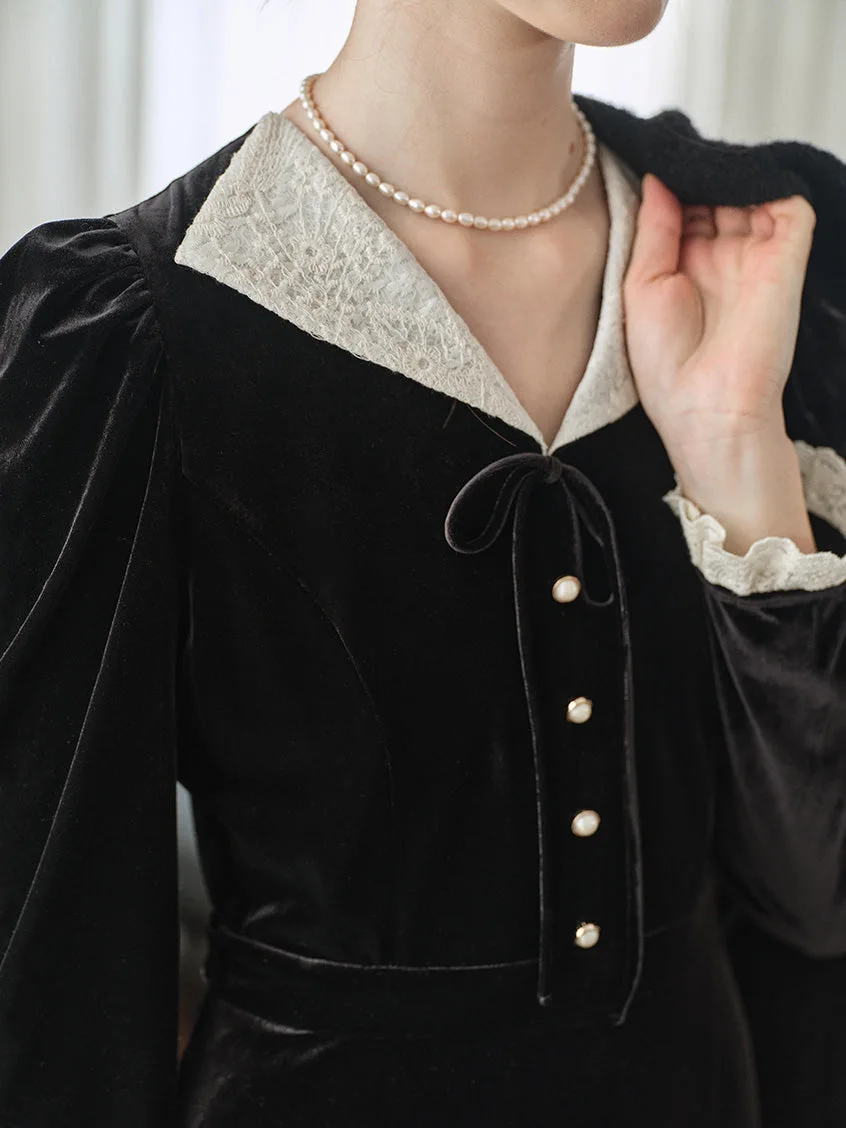
Imagine getting dressed for a day that includes school drop-off, a grocery run, and an hour at your desk. You want the ease of a dress, but you are deciding between wearing a shirt dress as it hangs and shaping it slightly at the waist. The answer may change with the garment’s cut, the way its buttons sit, and what you need to do while wearing it—not with a rule that one silhouette is always more flattering.
Compare the two versions as separate choices: a loose line that moves freely, and a gently defined line created only where the garment’s construction allows it. Neither requires adding a belt. The useful question is how each option behaves through your actual day.
Start with the garment, not the styling idea
Before deciding whether to define the waist, check how the dress is made. Look for a sewn-in tie, belt loops, or another feature intended to secure a belt. If none is present, do not assume that a belt belongs there: tying one around a dress without loops can cause it to slide, gather fabric unevenly, or press the button placket into a shape the garment was not designed to hold.
A dress may instead have a naturally shaped waist, a relaxed straight cut, or enough ease to let the fabric fall away from the body. Those are construction and fit distinctions, not invitations to force a particular outline. If you are comparing options, browse the [dresses collection] and examine each item’s photographs and listed details. For questions about current measurements or material information, contact the shop before making an order request.
Loose for movement and changing tasks
A loose silhouette can be a practical choice when your day involves sitting, reaching, or moving between errands. Without a belt drawing the fabric inward, you have less to adjust when you stand up from a chair or carry a bag. A straight fall can also feel visually quiet: the buttons, collar, print, or other dress details can remain the focus rather than the waist.
The trade-off is that extra fabric does not disappear just because it is comfortable. It may hang away from the body at the sides or collect in folds when you sit. If you are moving around a kitchen counter or reaching for items on a high shelf, check whether the hem or sleeves catch on anything and whether the front shifts. The loose option works best when the fabric falls cleanly enough for your routine, rather than bunching where you need it to move.
For example, if you expect to spend much of the day seated, try the dress unbelted first. Notice whether it stays comfortable at the waist and whether the skirt settles smoothly when you stand. A loose fit is not a shortcut around checking fit: shoulder placement, button spacing, and sleeve length still matter.
Gently defined when the garment supports it
A gently defined silhouette can make a shirt dress feel more composed without needing a tight waist. If the dress includes its own tie or belt loops, use those features as intended and adjust the tie only enough to keep it comfortable. If the waist is shaped through the cut, that definition may already be present without any added accessory.
This option can be useful when you want the dress to read less like a single uninterrupted column—for example, when walking from a casual daytime appointment to a meal. A small amount of shaping can also keep loose fabric from spreading as widely around the middle. But definition has a trade-off: drawing fabric inward may create folds or tension around the buttons, especially when sitting, bending, or reaching.
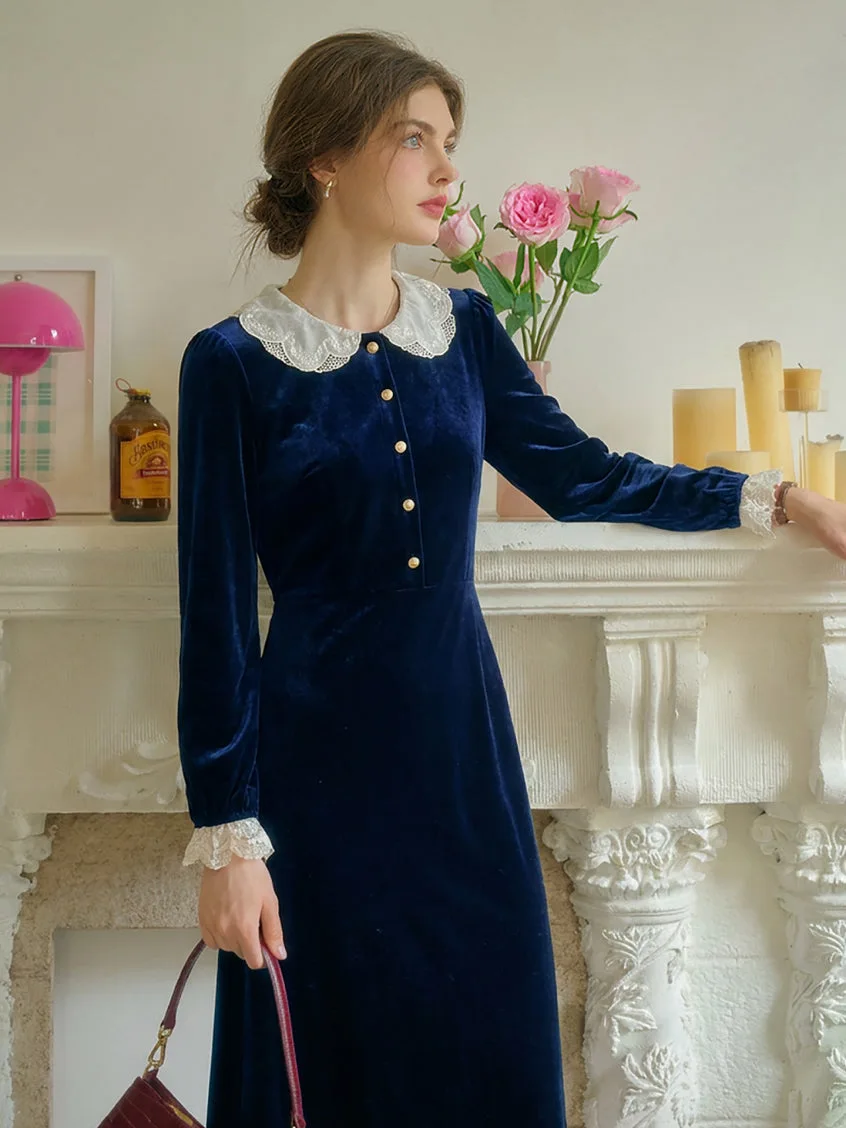
Do not add a belt simply because a photograph or styling suggestion shows one. The Aine Peter-Pan Collar Contrast-Cuff Button-Front Dress, for instance, is described as a button-front dress; its supplied details do not say that it includes belt loops or a tie. Use the listing and full product photographs to assess the details shown, and ask for current construction or fit information if a specific feature will determine your choice.
Watch the placket while you move
The button placket is a useful fit check because it shows what happens when a shirt dress has to accommodate movement. Stand naturally and look down the front: does the fabric lie smoothly between buttons, or do small gaps, pulling, or diagonal creases appear? Then sit, reach forward, and lift your arms as you would during an ordinary task. Check the front again rather than judging fit from a still pose alone.
A loose silhouette may reduce tension across the front, though it cannot fix a placket that pulls because the dress is too small or shaped differently than you need. Gentle definition may make the waist look more intentional, but if tightening the waist makes the buttons gape, the trade-off is not worth it. Loosen the garment’s own tie if it has one, or wear the dress without added shaping. If the placket still pulls, consider another size or style after reviewing the available size information.
For online shopping, use the size guide as a reference and compare any available garment measurements with your own. For a question the listing does not answer, the contact page provides a way to ask before submitting an order request.
Notice where fabric pools
Fabric pooling is not automatically a problem. A soft fold at the waist when seated, or a little fullness at the back after standing, can be part of how a relaxed dress moves. The important distinction is whether the folds settle when you change position or keep gathering in a spot that interferes with walking, sitting, or using your hands.
Try a short sequence: stand, sit, lean forward, then stand again. With the loose version, check whether the skirt hangs evenly after you rise. With a garment-supported waist definition, check whether the fabric gathers under the tie or bunches above it. If the dress has no intended waist feature, a belt might appear to solve pooling in one place while creating more at the front or sides. In that case, wearing it loose may be the cleaner choice—or the dress may simply not suit that particular task.
Fabric weight and drape affect how folds behave, but do not infer those details from a product title alone. Consult the product information or ask the retailer when fabric content or construction is not provided.
Balance sleeves against the rest of the silhouette
Sleeves change how a dress feels in motion and how its outline reads. With a loose body, roomy sleeves can create an overall relaxed shape; that may work well when you want ease, but could feel like more fabric than you want while cooking, writing, or carrying a tote. A more defined waist does not necessarily solve that issue. Check the sleeve opening and length separately, and consider what you will be doing with your arms.
Try reaching across your body and lifting both arms. Do the sleeves pull at the shoulder or ride up enough to distract you? If you are seated at a desk, do the cuffs or sleeve ends get in the way of your hands? These details matter regardless of whether the waist is loose or gently shaped. The Aine dress is described as having contrast cuffs, but that detail alone does not establish sleeve width or fit. Review its product photographs and request current measurements if you need more certainty.
A two-version fitting exercise for your next dress
When trying on a shirt dress at home, make one comparison before deciding. First wear it without a belt or tie adjustment. Walk across the room, sit in your usual chair, reach to a shelf, and look at the placket, hem, and sleeves after each movement. Notice where the fabric settles and whether you keep tugging at it.
Then, only if the dress has a sewn-in tie, belt loops, or another intended waist feature, try a gentle adjustment. Repeat the same movements. Compare which version lets you move without repeated corrections, whether the buttons lie smoothly, and whether the fabric gathers in a way you like. If the dress has no construction for a belt, treat the loose version as the appropriate comparison rather than testing an improvised belt placement.
Choose the version that works for the day you expect to have. Loose can be the easier answer for long periods of sitting or frequent movement; garment-supported definition can suit moments when you want a more shaped outline. If both versions create persistent pulling or pooling, revisit size and cut rather than trying to correct the fit with an accessory.
Explore the pieces behind the ideas
Browse our dresses for full product photographs and listed specifications. Ask our team for fit and availability, or visit wholesale partnerships if you’re buying for a boutique.