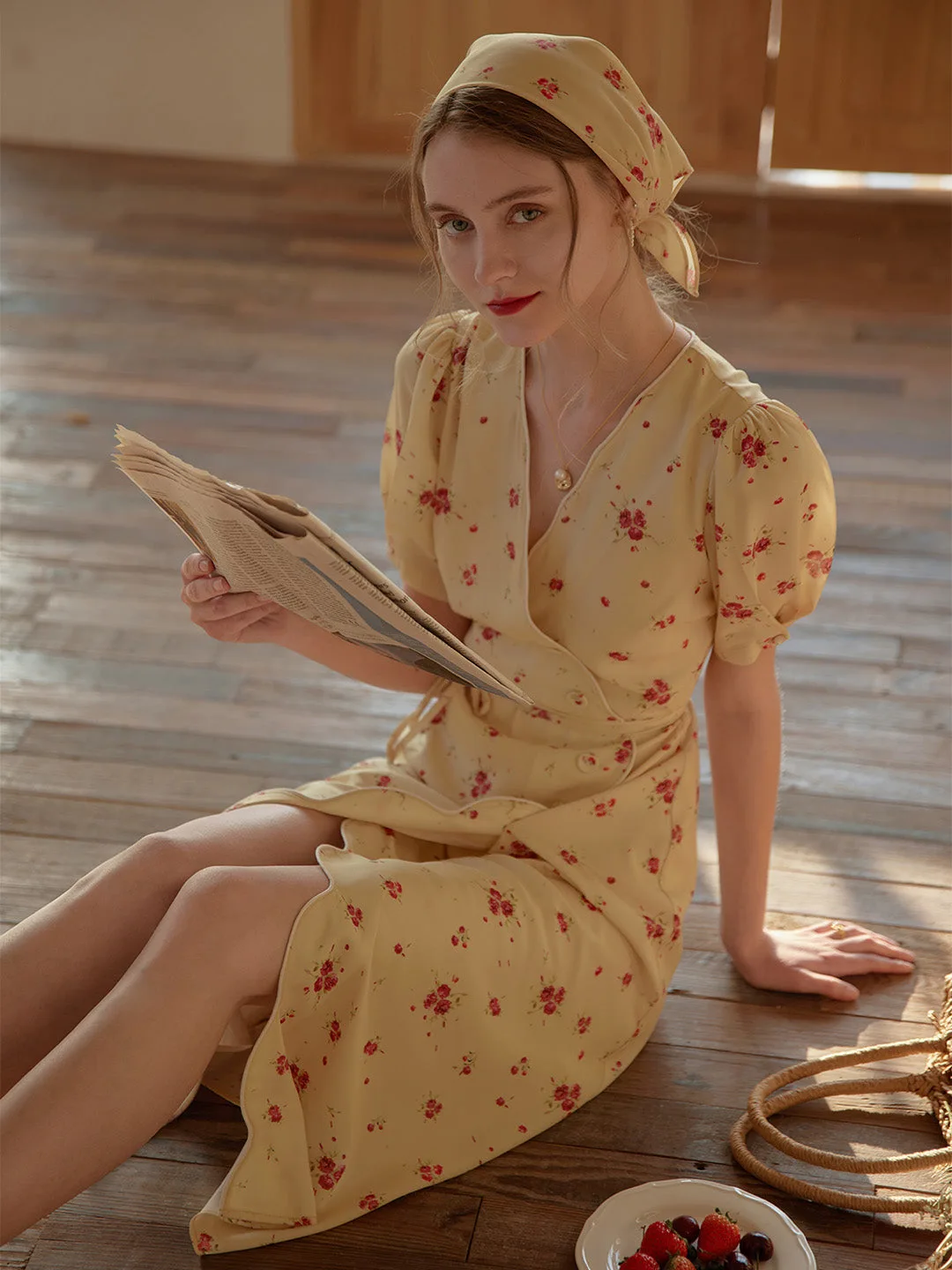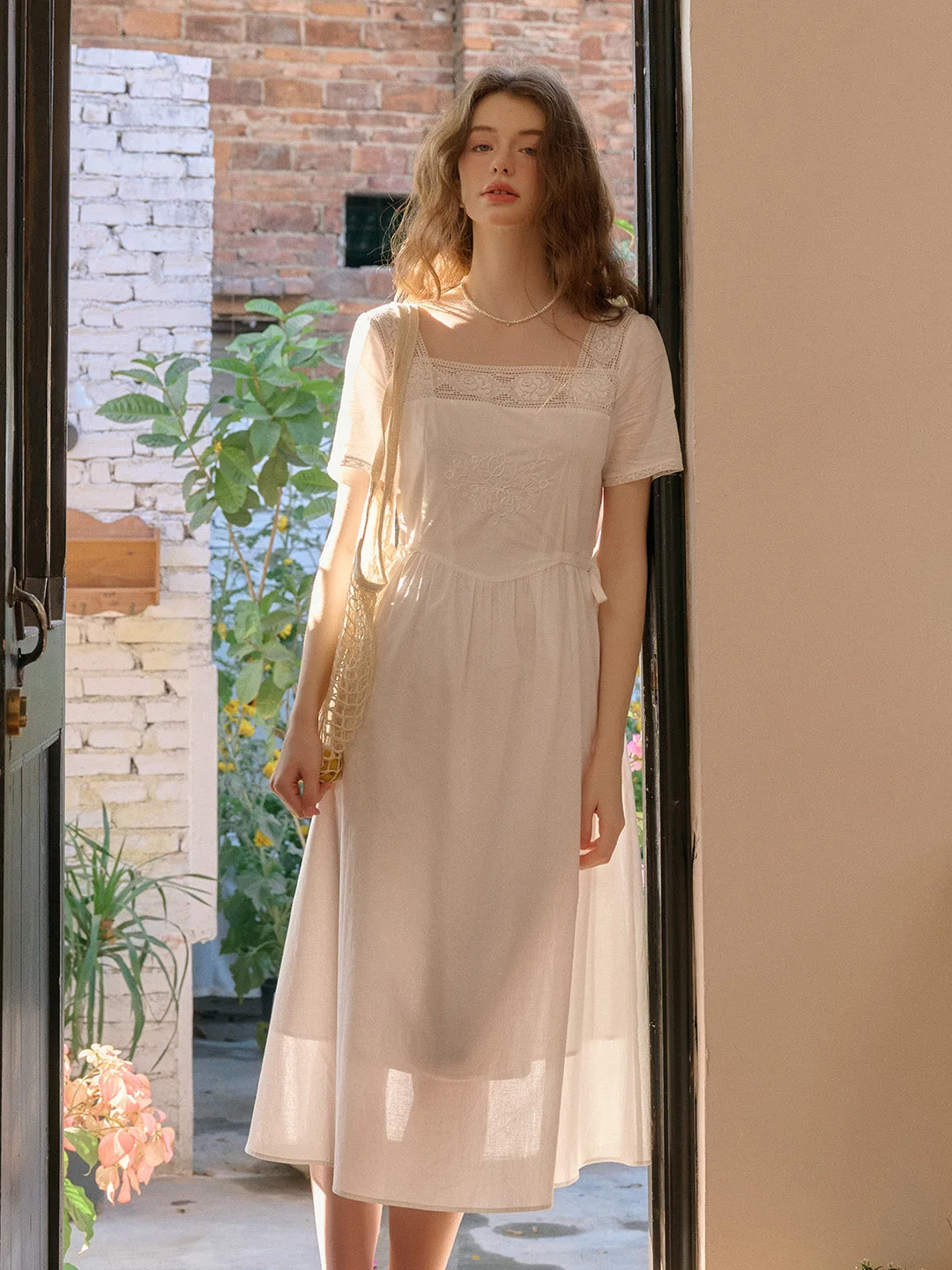
Imagine trying on a vintage-inspired dress that looks just right in front of the mirror. Then you sit down and the skirt pulls across your lap; reaching for a shelf makes the armholes pinch. Those small moments matter if you want to wear the dress through an ordinary day, not just stand still in it.
A useful fit check is not a test of whether a dress looks good in one pose. It is a way to notice where the garment moves with you, where it resists, and what adjustments or compromises you might accept. Try the movements below in a private, safe space, with the shoes and underlayers you would realistically wear. A listing’s photographs can help you examine visible details, but they cannot show every movement or answer every question about fit.
1. Start in your usual standing posture
Before moving, stand naturally rather than pulling your shoulders back or holding your breath. Notice where the shoulder seams sit, whether the neckline stays in place, and how the waist falls in relation to your own waist. If you have to keep tugging the bodice down or drawing the skirt up, note that before deciding whether the silhouette works for you.
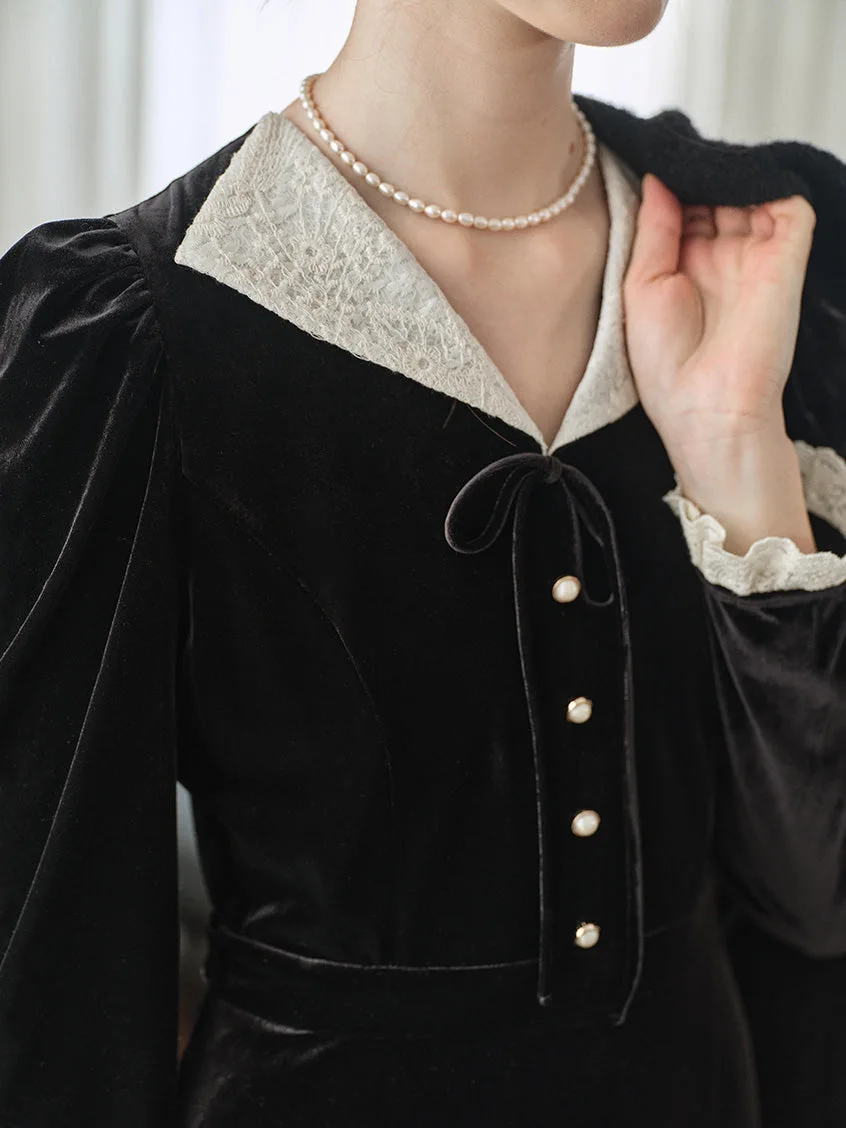
Try turning slightly to each side and looking at the dress from the front, side, and back. A waist seam can look centered from one angle but shift when you turn. If the garment has buttons, check whether the front hangs smoothly while you stand without manually flattening it. A button-front style such as the Aine Peter-Pan Collar Contrast-Cuff Button-Front Dress is one example to inspect for how its front closure sits in the photographs; the images do not establish how it will feel on your body.
2. Raise your arms and check the armholes
Lift both arms forward as if reaching for a cupboard, then raise them overhead only as far as feels comfortable. Watch what happens to the bodice and waist. Some upward movement in a dress can be normal, but if the whole garment rides up substantially, exposes an area you would rather keep covered, or leaves you needing to pull it back into place after every reach, that is useful evidence.
Next, lower your arms and extend them out to the sides. Notice pressure at the underarm, pulling across the upper back, or fabric cutting into the front of the arm. An armhole that feels fine with arms relaxed may become restrictive when you reach forward. Conversely, a little looseness at the underarm while standing may be a comfortable trade-off if the dress lets you move freely. Decide based on your routine: frequent reaching calls for a different balance than a mostly seated occasion.
3. Bend and reach without forcing the garment
Reach toward a low shelf or bend slightly as if picking up a light object. Keep the movement gentle; you are checking ordinary range, not trying to stretch the fabric. Pay attention to whether the neckline shifts, the back waist pulls, or the skirt catches around your thighs. If the dress needs repeated smoothing after a modest bend, consider whether that would become irritating during your usual day.
Try one practical exercise: choose three movements you make often, such as reaching for a bag, leaning over a counter, and turning to look behind you. Repeat each once while watching the garment, then pause and note what moved. This gives you a more useful comparison than an unstructured series of poses. The point is not to demand that a dress stay perfectly still; it is to identify which shifts feel acceptable and which would interrupt wearing it.
4. Sit, then stand again
Sit on a stable chair as you normally would, rather than perching at the edge. Check whether the waist seam remains comfortable, whether the bodice pulls when you lean back, and how much skirt coverage you have in the position. A skirt that looks ample while standing may spread or rise when you sit. That does not automatically make it unsuitable, but it can change how you feel wearing it at a desk, over lunch, or during a long car ride.
Stand up without tugging the dress first. Does the waist settle back where you expect, or does the garment stay twisted or lifted? If you usually wear a slip, tights, or another layer that affects how the skirt moves, include it in the check. The aim is to understand the outfit you would actually wear, rather than judging a dress under conditions you will not repeat.
5. Watch the buttons for stress
On a button-front dress, look closely at the spaces between buttons while standing, reaching, and sitting. Gaping, a button pulling hard against its stitching, or diagonal tension lines may indicate strain in that position. A smooth front at rest does not prove the closure will stay relaxed when you move. If you are shopping online, inspect the available photographs for the closure, but treat them as views of the garment at particular angles—not a substitute for seeing how it behaves in motion.
There is a practical trade-off here. A front that lies neatly while standing may feel tighter when seated, while a less fitted silhouette may offer more ease but look different from the shape you hoped for. Do not assume that changing to another listed size will resolve every concern; fit depends on the garment’s measurements and construction, which may not be clear from a photograph. Check the size guide, and contact the team for current measurements or material details when those would help you decide.
6. Take a few normal steps and check the hem
Walk at your usual pace, turn, and take a slightly longer step. Notice whether the hem swings freely, catches between your legs, or twists around your body. If the dress has a fuller skirt, it may move more visibly than a straighter silhouette; movement is not automatically a flaw. Ask whether the amount of sway suits the places you plan to wear it and whether you can move without constantly managing the fabric.
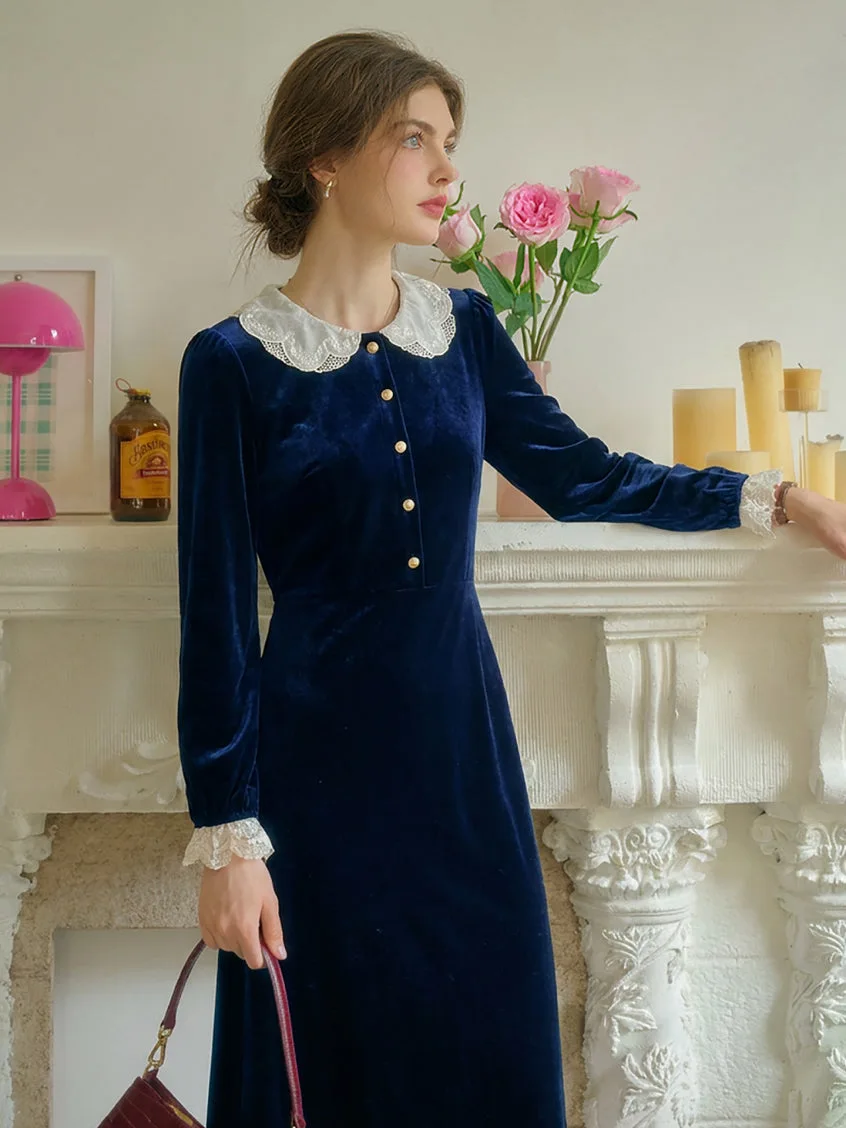
Look at the hem after walking and turning. Does it hang evenly again, or remain angled because the dress has shifted? If a hem brushes your shoes, check it with the footwear you expect to wear. A hem that clears a flat shoe may behave differently with a heel or boot. Product photographs can help you see a dress’s displayed length and outline, but the model’s height, pose, and shoes affect that impression. For another photo reference, the Azucena Lace-Collar Gold-Button Velvet Dress listing shows the garment in its available product photographs; those images do not replace checking your own movement and preferred length.
7. Use a still-photo check for what it can show
When shopping online, look through the complete product photographs rather than relying on one front-facing image. Compare the visible shape from different angles and note details you can actually see, such as the collar, closure, and overall silhouette. A still image may help you decide whether you like the design, but it cannot reveal pressure at an armhole, comfort while seated, or whether the hem swings freely as you walk.
Separate visual questions from fit questions. “Do I like this collar?” is a photo question. “Will the bodice pull when I reach forward?” needs movement information you may not have. If a detail is unclear or important to your decision, send a focused question through the contact page before placing an order. For instance, ask for current measurements or material details rather than assuming a photograph can answer them.
Make your decision from the movements that matter
After the check, write down one comfort point, one fit concern, and one question you still need answered. For example: “Comfortable standing; pulls slightly when seated; need the current waist measurement.” This brief note helps keep a striking detail—like a lace collar or button front—from eclipsing how the dress needs to work in your day.
Then compare those notes with your routine. If you sit for long stretches, prioritize a comfortable seated waist and adequate coverage. If you reach often, give the armholes and shoulder area extra attention. If you walk a lot, focus on stride and hem movement. You can browse the dress collection for styles to consider, then use the same movement checklist for each one. A dress does not need to pass every imagined test; it should meet the movements you actually make, with trade-offs you understand before choosing.
Explore the pieces behind the ideas
Browse our dresses for full product photographs and listed specifications. Ask our team for fit and availability, or visit wholesale partnerships if you’re buying for a boutique.