Imagine you have five minutes before leaving, and the outfit in the mirror is perfectly wearable but feels oddly unfinished. Your blouse, skirt and shoes all make sense; adding another necklace or scarf might only make the look busier. Before shopping your closet for more, try a short editing pass: inspect the hems, adjust the cuffs, repeat one color and choose an accessory you already own. The goal is not to make every outfit elaborate. It is to find the one small adjustment that helps its existing pieces relate to one another.
Start with a still, full-length check
Stand back far enough to see the whole outfit, rather than judging each item close up. Notice where the eye pauses: perhaps at a blouse hem that bunches over a skirt, a sleeve that hides your hands, or several decorative details competing for attention. Do not treat any one of these as automatically wrong. A loose hem can be comfortable, and layered details may be exactly what you enjoy. The question is whether the effect feels intentional for the day ahead.
Try looking once without changing anything, then make only one adjustment and look again. This simple before-and-after check helps you distinguish a useful edit from a reflex to keep adding. If the outfit already suits your plans and feels comfortable, it may be finished. An outfit does not need a visible focal point or an accessory to count as complete.
Give the hem a deliberate decision
A hem can change the visual relationship between a top and a bottom without changing either garment. With a blouse worn over a skirt, smooth the fabric and see whether its current length creates a clear line or gathers in a way that distracts you. You might try a small front tuck, a full tuck, or leaving it loose; each gives a different impression. A tuck can clarify the waist area, while an untucked hem may feel easier and more relaxed.
For a skirt or dress, check that the hem hangs as you intend when you stand and walk. If it shifts or catches, a styling adjustment may not solve the issue, and comfort should take priority over a particular silhouette. Avoid folding or pinning fabric in a way that feels insecure or risks damage. The useful question is not whether a hem follows a rule, but whether its line works with your shoes, movement and plans.
Use cuffs to make a small, visible edit
Sleeves can look more considered when their ends are not hiding beneath your hands or bunching awkwardly at the wrist. If the garment allows it, try turning the cuff once, or gently pushing a sleeve to a comfortable point on your forearm. A neat turn can make the wrist area feel intentional and reveal a bracelet or watch you already wear. It can also bring a little structure to a soft blouse or knit top.
There are good reasons not to roll a sleeve: the fabric may resist staying put, the cuff may be a design feature, or you may want the coverage and warmth. Do not force a fold that distorts the sleeve. Check both arms in a mirror and move around; uneven or slipping cuffs may become a nuisance. The best cuff edit is one that stays comfortable, not one that looks tidy for a moment and needs constant fixing.
Repeat one tone, not every color
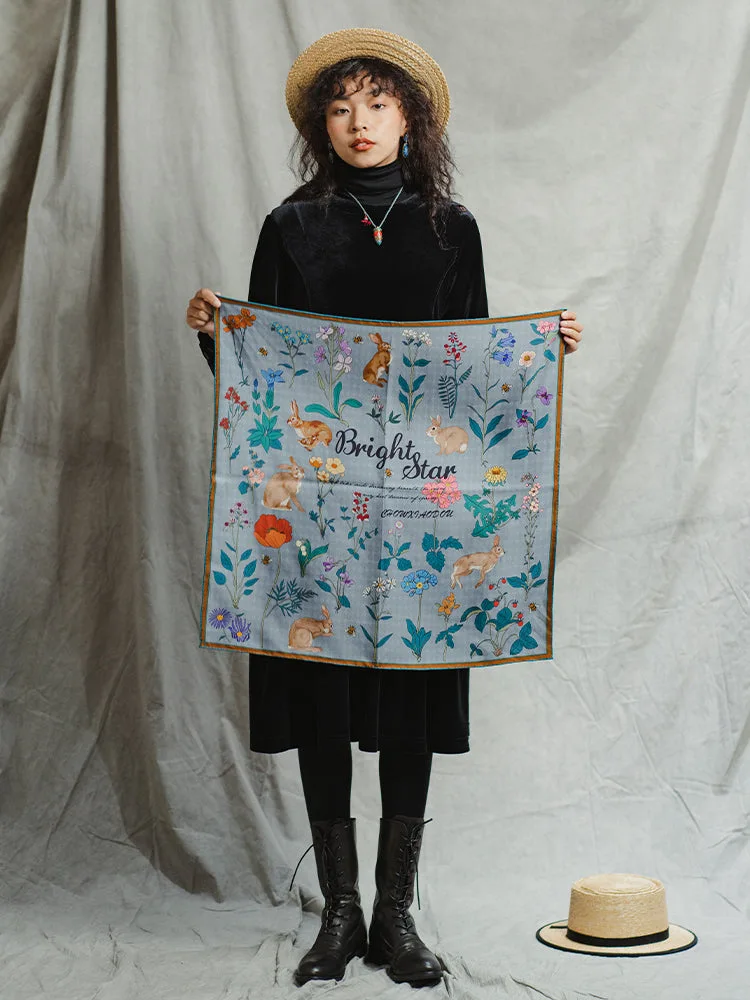
A color repeated in two places can give separate garments a quiet connection. Look at what you already have on: perhaps the dark tone in your shoes could appear again in a belt, hair ribbon or bag, or a soft color in a print could be echoed by a cardigan. The repeated note helps the eye travel through the outfit, which can make a mix of vintage-inspired pieces feel more settled without requiring a matching set.
Keep the test modest. You do not need to match shades exactly, and forcing a color into the outfit can make it feel less natural. If your clothes already have a lively print, a neutral shoe or bag may be enough; repeating another strong color could compete. Step back and ask whether the echo connects the pieces or simply adds one more thing to notice. For other accessory ideas, browse Rustic Cottage accessories as a reference, while starting with the items you own.
Choose one familiar accessory with a job
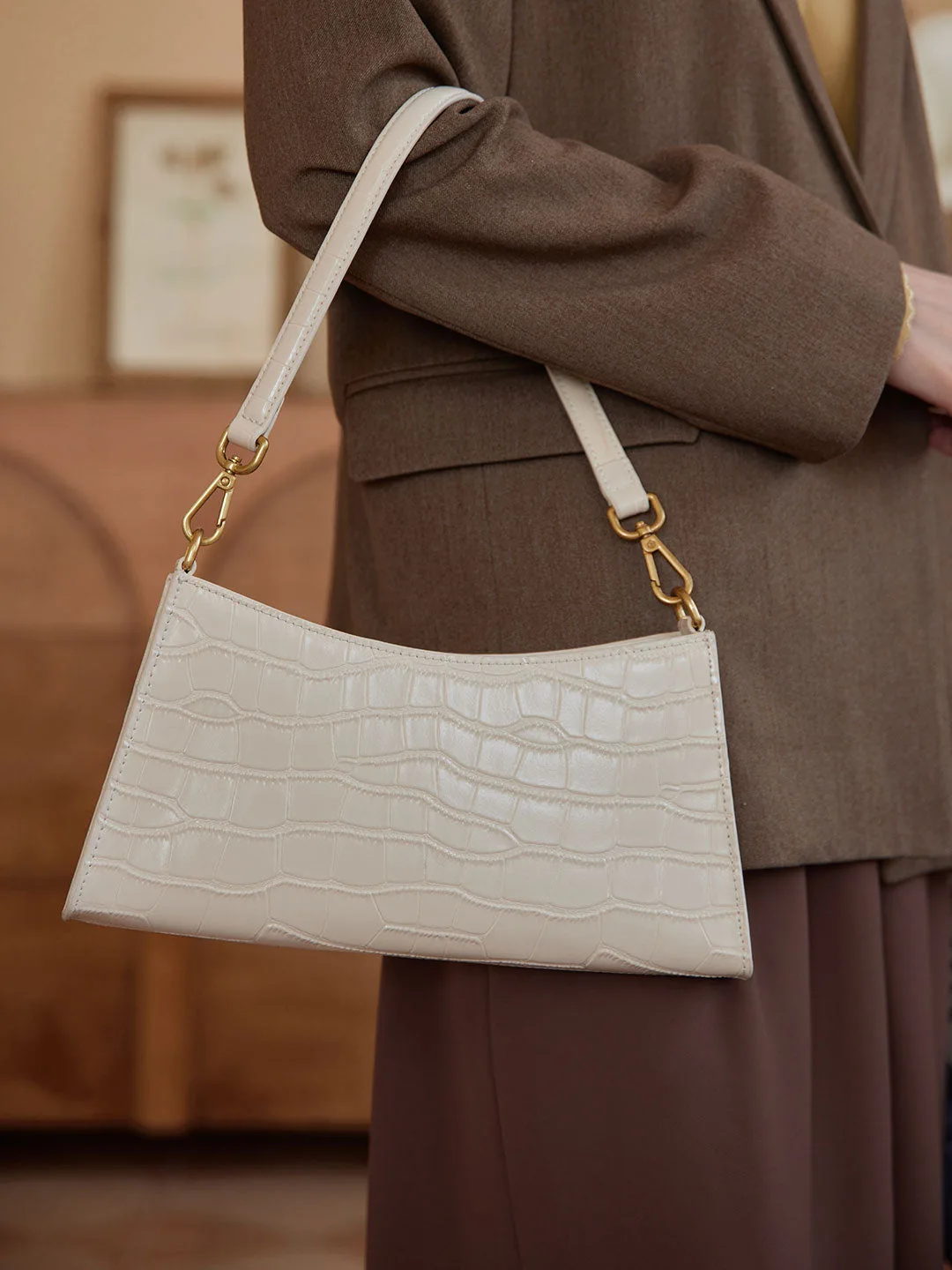
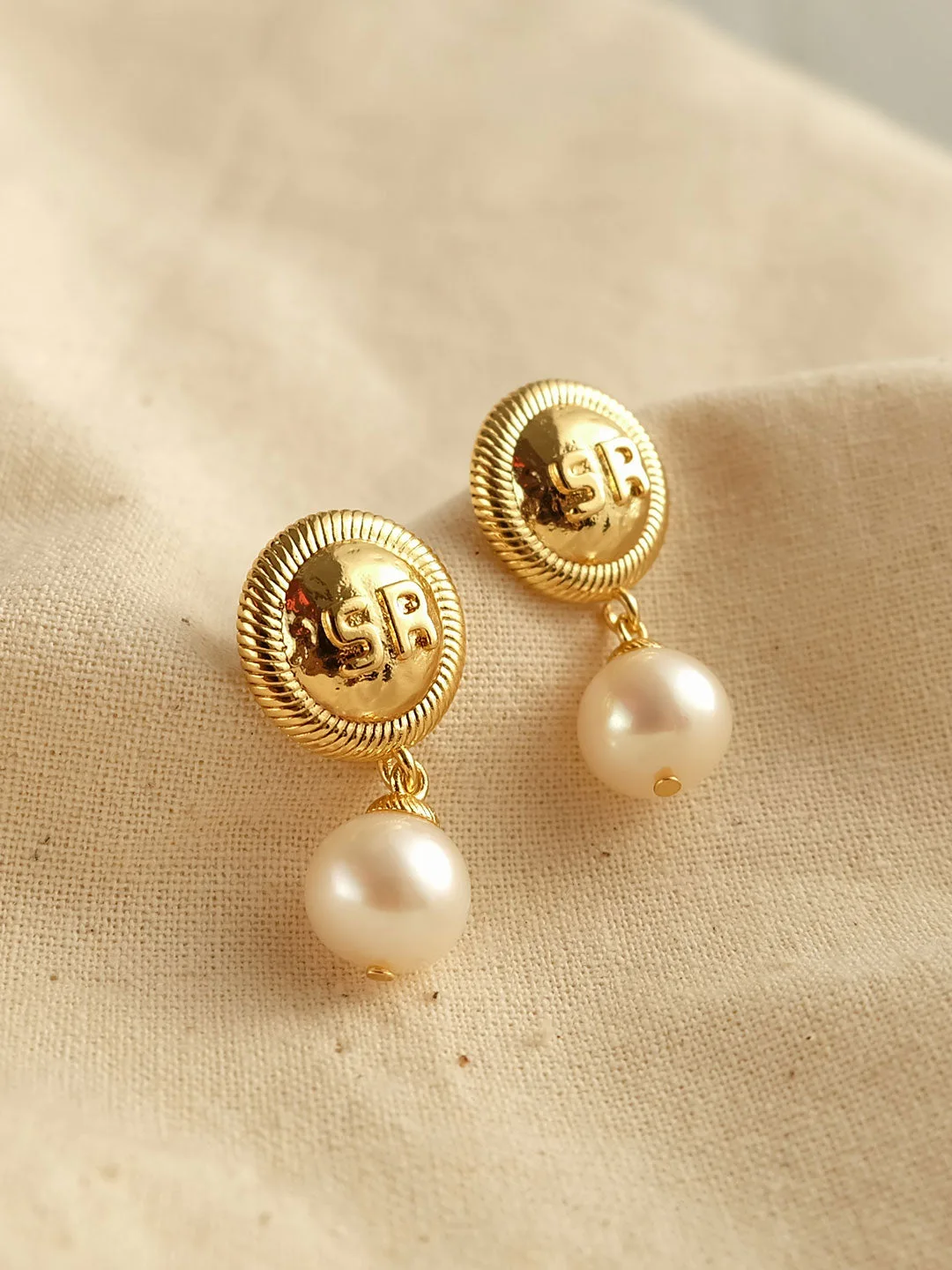
An accessory feels purposeful when it adds a useful point of connection, not just another layer of decoration. A small bag might repeat a color; simple earrings might bring attention to your face when your neckline is plain. Try one option you already own, then remove it once to compare. If the outfit feels clearer without it, trust that result. If it makes the pieces feel connected or suits the occasion, it has earned its place.
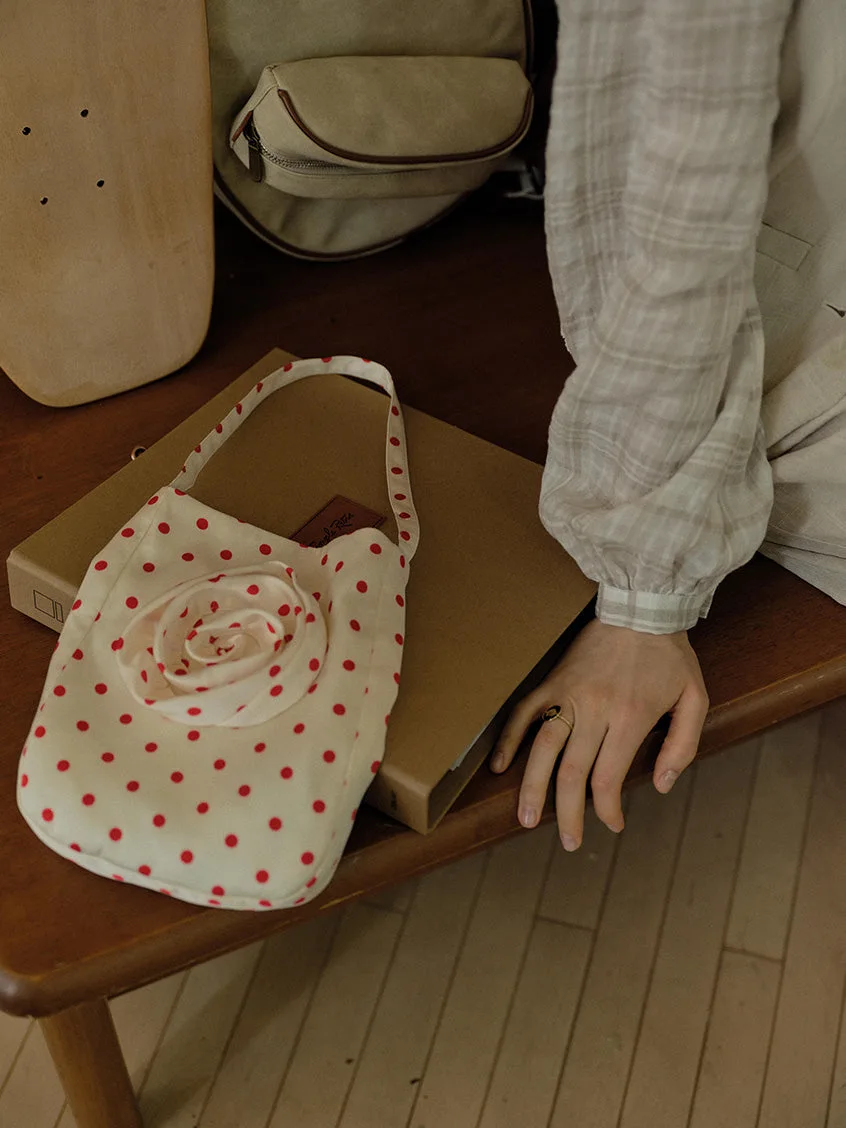
For an example of a bag with listed red, green and white coloring, the Loretta Handbag could be considered when those tones already appear in an outfit. That is a styling possibility, not a requirement or a claim that it will suit every combination. If you are browsing beyond your own accessories, the collections page offers another place to look. A purchase is never necessary to finish a look you already like.
Remove one detail that is competing
Editing is often subtraction. If your blouse has a prominent collar, patterned skirt and decorative shoes, you might set aside a necklace or choose a quieter bag. If a print is the outfit’s main point of interest, a second busy pattern may pull attention in several directions. This does not mean statement details cannot be worn together; it means you can check whether each one contributes something you want.
Try covering or removing one accessory, then look again from a little distance. You might also undo an extra button, take off a scarf, or swap a conspicuous belt for a simpler one already in your wardrobe. Notice whether the outfit becomes easier to read or loses a detail that makes it feel like you. The goal is not minimalism. It is deciding which details deserve space in this particular outfit.
Run a two-minute finishing exercise
For a practical check, take one outfit you plan to wear and pause before changing clothes. First, inspect the hem: leave it, tuck it or adjust it only if the result feels comfortable. Second, check the cuffs and move your arms. Third, identify one tone that could repeat through something already on hand. Fourth, add one familiar accessory, then remove it once and compare. Finally, take away one competing detail if the outfit feels crowded. These are options, not mandatory steps.
Finish by sitting, walking and checking the mirror from a distance. If the hem stays manageable, the cuffs do not need attention, and the outfit feels like you, stop there. Wear the same pieces again whenever they work for you; repetition is not a styling failure. If you want help with a specific item or order question, you can contact Rustic Cottage. Otherwise, let your own wardrobe provide the final answer.
Explore the pieces behind the ideas
Browse our accessories for full product photographs and listed specifications. Ask our team for fit and availability, or visit wholesale partnerships if you’re buying for a boutique.