You have a few minutes before heading out, and your outfit is already settled: perhaps a solid blouse with a skirt, or a printed dress you wear often. A headband seems like an easy finishing touch, but the wrong color or pattern can make a simple look feel busy. The useful question is not whether a headband is “right” for an outfit; it is how much attention you want it to take. Start with what is already visible, then choose a headband that either quietly connects the pieces or deliberately becomes the focal point. A quick mirror check can help you decide without needing a complicated hairstyle or a full outfit change.
Decide what should draw the eye
Look at your outfit before choosing an accessory. If the clothing has a bold print, a ruffle, a contrast collar, or several colors, a plain headband can give the eye a quieter place to land. If your clothes are mostly solid and restrained, a patterned or brighter headband can supply the detail that makes the outfit feel finished. This is a choice about visual emphasis, not a rule about what you can wear.
Try naming the focal point in a few words: “the floral dress,” “the red headband,” or “the whole outfit is quiet.” If you cannot tell what you want noticed, remove one competing detail or switch to a simpler headband. This works especially well when getting dressed quickly because it turns an open-ended styling decision into a small, clear one. It may not help when you want a deliberately layered, expressive look; in that case, several noticeable details can be the point.
Pair plain and patterned pieces with intention
A solid headband is a flexible option beside patterned clothing, but it does not have to match the most obvious color exactly. With a small floral print, for example, you might choose a headband in one of the quieter colors in the pattern. That creates a connection without repeating the print. With a striped top, a solid headband can interrupt the pattern gently, while a second print may make the outfit feel more energetic.
When clothing is plain, a print on the headband can add interest close to the face. Keep the rest of the visible accessories simple if you want the headband to stand out. A headband with several colors may not feel quiet even when the outfit is plain, so consider its contrast and scale as well as its pattern. For ideas on coordinating different kinds of accessories, browse the accessories collection; use the same question there: does this piece support the outfit’s focus, or compete with it?
Choose prominence, not just color
Two headbands in similar colors can have very different visual weight. Width, contrast, pattern density, and shine all affect how noticeable an accessory looks. A narrow band close to your hair color may recede, while a high-contrast print or a wide silhouette may read as the main detail. If you want a low-effort finish, choose one prominent feature rather than several at once: a vivid color with a plain surface, for example, or a print in muted shades.
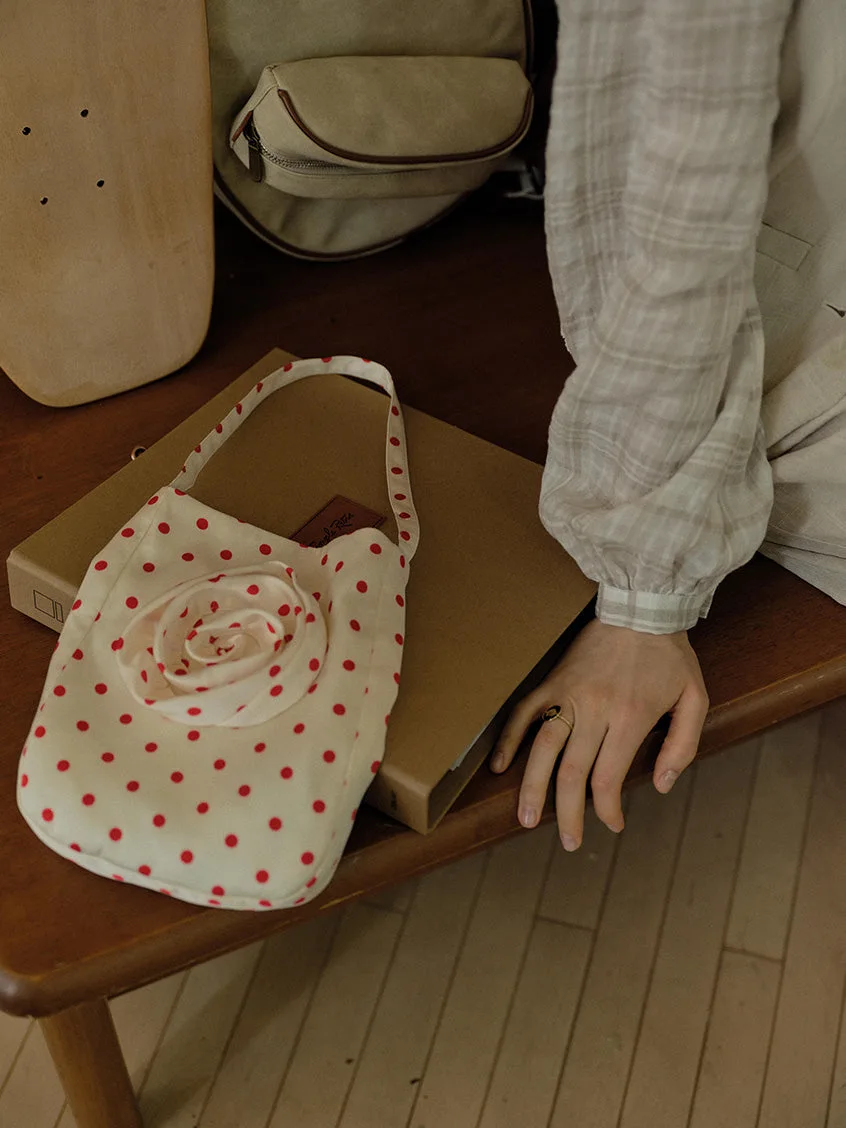
Think about other accessories too. If you are carrying a bag with a striking color or shape, a quieter headband may keep the overall look from feeling crowded. The Anniversary Limited-Edition 3D Rose Bag, for instance, is listed in black or red and has a rose detail; if carrying a similarly noticeable accessory, you might let that piece lead and keep the headband restrained. That is a styling suggestion, not a requirement to match accessories.
Use color as a connection, not a uniform
A headband can link clothing colors without matching them head to toe. With a cream blouse and a navy skirt, a navy band might echo the skirt and make the combination feel connected. A contrasting color can work too, particularly when the rest of the outfit is simple. The trade-off is that a strong contrast will make the headband more noticeable, so it may shift attention away from a garment detail you would rather feature.
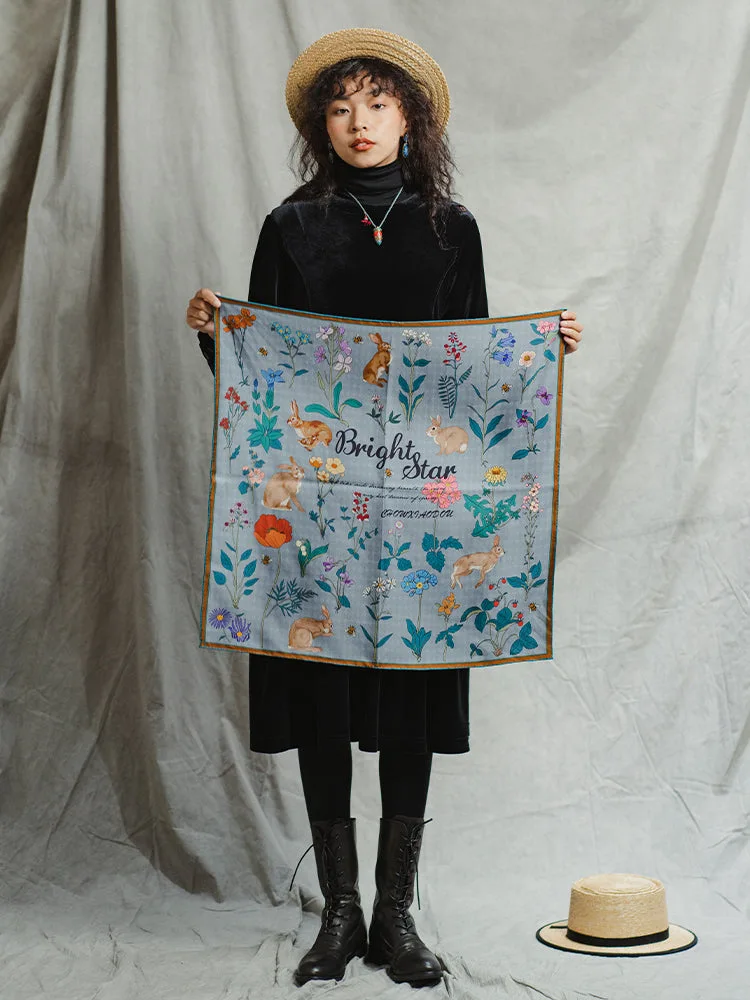
For a patterned outfit, look for a color that appears once in the print rather than trying to reproduce the whole pattern. A gray-blue accessory could sit comfortably beside clothing that includes similar cool shades, while a bright contrasting color would create a more emphatic effect. If you enjoy print but want the headband to remain secondary, a small-scale design or a lower-contrast palette may be easier to combine. The gray-blue square silk scarf is a scarf, not a headband, but its color can serve as a reference when considering cool-toned accessories.
Try placement with a quick mirror exercise
Before leaving, take a minute to compare placement rather than assuming one position will suit every outfit. Put the headband on in your usual way, then look straight ahead and from each side. Move it slightly forward or back and notice whether the result feels balanced with your part, fringe, or the visible details of your clothing. This is a personal preference check, not a hairstyle technique; there is no need to create a particular look or claim expertise with hair.
Next, step back far enough to see your full outfit. Ask three questions: Is the headband the first thing I notice? Is that what I want? Does it repeat a color or add a new one? If it feels too prominent, try a quieter color or remove another accessory. If it disappears more than you like, try a stronger contrast. The exercise is useful because a close-up mirror view can make an accessory seem more dominant than it looks with the whole outfit.
Make a comfort check before committing
Visual styling and comfort are separate decisions. A headband may look right and still feel distracting, so pay attention to how it feels while you move naturally. If it presses, slips, or demands repeated adjustment, choose another option or leave it off. Do not assume a particular material, width, or shape guarantees a comfortable fit; individual preferences and headband construction vary. When shopping, check the item’s own details rather than relying on general styling advice to answer fit questions.
Also consider the day ahead. A headband you enjoy for a short outing may not be the accessory you want to keep on for hours. If you are uncertain, wear it briefly while finishing your routine and reassess before you go. A plain outfit does not need a headband to count as finished, and taking one off is a perfectly useful styling decision. The goal is an outfit that feels like yours, not an accessory you have to tolerate.
A simple final check before you go
Use this quick sequence when you want the outfit done and the decision settled: identify the clothing’s strongest detail, decide whether the headband should blend in or stand out, and check the whole look in a mirror. If the clothes are patterned or already detailed, start with a plain band. If the clothes are quiet, consider a print or a stronger color. Then check whether another accessory is already taking the lead and whether the headband feels acceptable to wear.
Make one change at a time so you can tell what helped. Switch the headband, adjust its placement, or remove a competing accessory—not all three at once. If the outfit looks balanced and the headband is not bothering you, you are ready. If it still feels busy, skip the headband and let the clothes stand on their own. Simple dressing is often less about adding the perfect extra and more about knowing when one small detail is enough.
Explore the pieces behind the ideas
Browse our accessories for full product photographs and listed specifications. Ask our team for fit and availability, or visit wholesale partnerships if you’re buying for a boutique.