Finding a jacket that comfortably fits over your layers — the jacket layering fit — can transform a cold-weather look from cramped and awkward to polished and practical. Whether you shop Rustic Cottage for an everyday corduroy blazer, a plush faux-fur short jacket, or buy wholesale for your independent boutique, the goal is the same: a jacket that accommodates sweaters, shirts with collars, and sometimes multiple layers, without feeling like a tent or a straightjacket.
Measure with the clothes you wear
Start by measuring over the bulk you actually wear. That means putting on the sweaters, long-sleeve shirts or thermal tops you plan to layer under the jacket—don’t measure yourself in a T‑shirt if you’ll be wearing a chunky knit. Use a soft measuring tape and note three numbers: chest/bust, shoulder width (from seam to seam of your garment under the shoulders), and upper arm circumference over the sleeve of the thickest layer. Then add 2–4 inches to the bust measurement for comfortable movement depending on the jacket style; tailored blazers need less ease, boxy work jackets need more.
Understand silhouette versus ease
Silhouette determines how much extra space looks right. A cropped barn jacket or a bolero will naturally have less room through the body and sleeves; a chore coat or padded jacket is meant to be roomier. Trade-offs are aesthetic and practical: a boxier silhouette offers greater mobility and more layering, but can read casual and add visual width. A fitted blazer gives a sleeker line but restricts thick sweaters. Identify which silhouettes in our collections align with your wardrobe — for instance, the Blanche Faux-Leather Button-Front Barn Jacket is inherently structured and cropped, so plan slimmer mid-layers or size up for bulkier knits.
Pay attention to sleeve length and cuff construction
Sleeve length becomes more noticeable once you add layers. Measure sleeve length with your arm slightly bent and the sweater you’ll be wearing. A sleeve that is perfect solo can become too short when layered, exposing sweater cuffs and creating drafts. Look for jackets with adjustable cuffs, button tabs, or ribbed knit cuffs under a shoulder panel—features that make the sleeve functional over thicker garments. If you prefer the look of a cropped sleeve, make sure the sweater cuff and any shirt collar underneath create a deliberate layered line, rather than a sloppy mismatch.
Choose fabrics that compress and recover
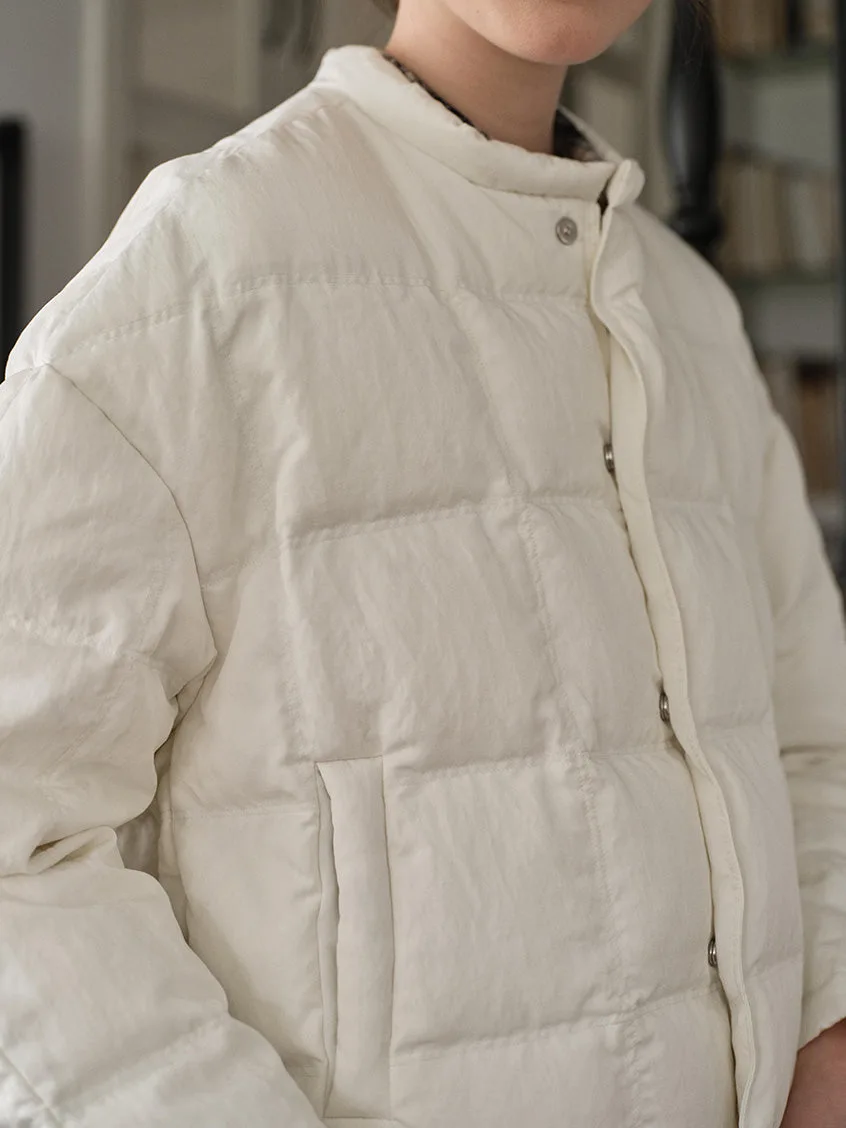
Natural and synthetic fabrics behave differently over layers. Woven cottons and corduroys compress a bit and hold shape; padded or quilted jackets have built-in give and can accommodate thicker knits. Faux-leather and rigid suedes don’t stretch, so they need accurate ease in the pattern or a looser cut. For a plush look that still fits over layers, consider short padded pieces like the Orsina Faux-Fur Collar Padded Jacket, which combines quilting with a soft collar that won’t press uncomfortably into sweater necklines. If you’re buying wholesale for a shop, verify fabric behavior with swatches and ask about lining construction so you can advise customers on fit over layers.
Inspect closure and front overlap
Closures matter. Snap fronts and buttons that sit far apart allow more room; a close‑cut zipper may feel tight across the bust or chest when you add a sweater. A front placket or storm flap adds protection and can visually mask bulk, while a single-breasted jacket with three buttons can be strong but unforgiving. When trying a jacket on over layers, fasten the middle button or pull the zipper up halfway—if it strains or puckers, try a larger size or a different cut. For businesses, documenting the front overlap in product descriptions helps customers set expectations about compatibility with heavier knits.
Check shoulder construction for mobility
The shoulder is the most telling spot for fit. If the shoulder seam sits forward when the jacket is buttoned over a sweater, movement and comfort will suffer. Raglan and dropped‑shoulder constructions give more room through the upper arm and shoulder, making them practical choices for layering. Set-in sleeves with narrow armholes can restrict motion when combined with thick garments. Compare a set-in sleeve like in a tailored blazer to a dropped shoulder corduroy piece — the latter may appear more casual but will allow you to wear bulkier layers underneath without popping seams.
Mind the hem and length relative to layers
Think about how the jacket will sit with your other garments. A cropped jacket creates a deliberate break at the waist that can highlight a bulky sweater below; that can work if you want a shorter silhouette, but it can also make your middle appear wider. Longer coats cover more of the body and are better at keeping cold out, but they can overwhelm petite frames. Balance the hem with the thickness of your layers—light to medium sweaters pair well with cropped and mid-length jackets, while very thick knits are better under longer, roomier outerwear. If you’re styling for a shop window, display examples showing both cropped jackets over fine-knit sweaters and longer jackets over chunkier knits so customers can visualize proportion.
Try movement tests during fitting
A static fit is one thing; movement tells the true story. When you try a jacket on, lift your arms, hug yourself, reach forward and bend. Check if the back pulls up, sleeves ride, or buttons gape. Practical vintage-inspired layering often involves crouching to get into a car, carrying a market bag, or lifting a child—make sure your jacket’s function matches those motions. If a jacket feels restrictive in the shoulder or chest, try a size up or a different silhouette. For wholesale buyers, request fit photos or a brief video of movement tests to evaluate whether a style will satisfy customers who prioritize mobility over a snug silhouette.
Layering examples and styling specifics
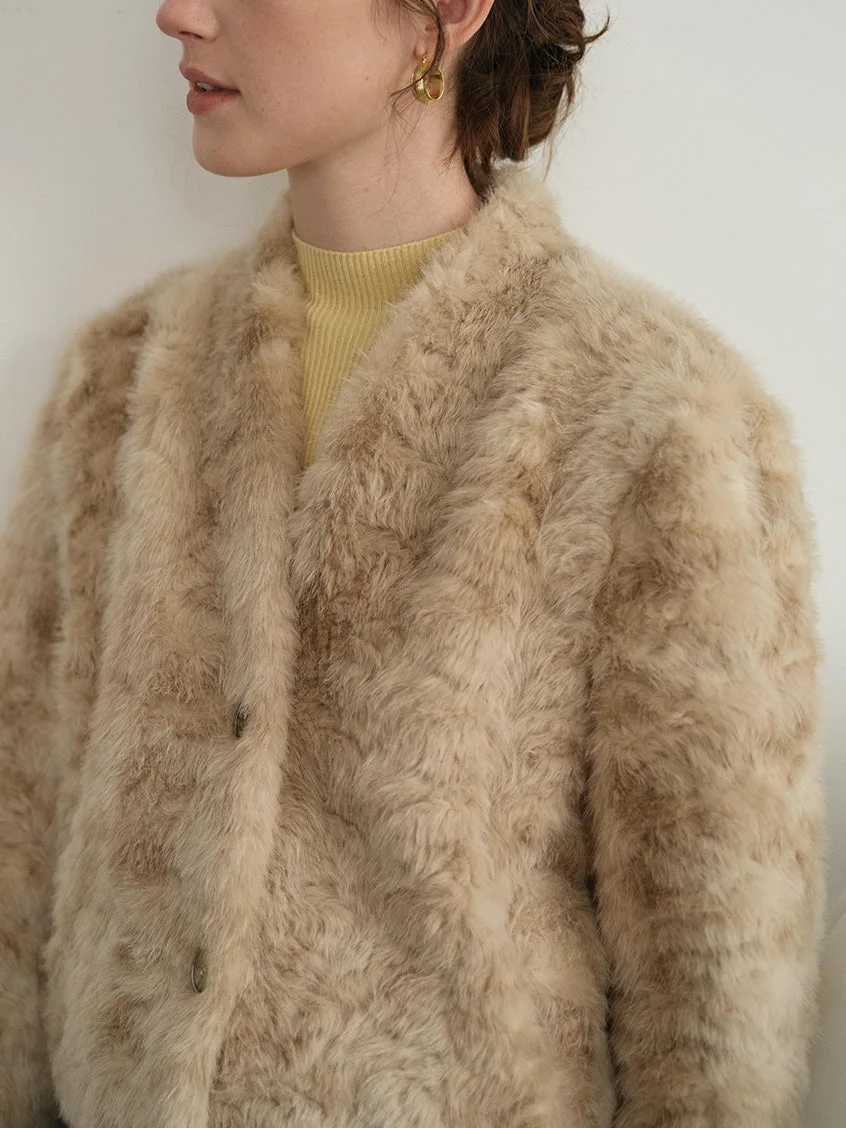
- Casual weekend: A fine-gauge turtleneck, mid-weight cardigan and the Gerda Cropped Plush Faux-Fur Short Jacket. Because the jacket is short and plush, keep lower layers slim to avoid bulk at the hipline; add a high-rise skirt or straight-leg jeans to maintain balance.
- Errands and market haul: Lightweight thermal, button-front flannel, and a boxy chore coat with dropped shoulders. The dropped shoulder accommodates the flannel thickness and allows easier arm movement for lifting bags.
- Office casual: A thin blouse, merino sweater, and a tailored corduroy jacket like the Consuelo 100% Cotton Contrast-Collar Corduroy Jacket. Choose a size with 2 inches of ease over the knit for a neat, professional line without restricting the blazer’s intended shape.
- Layering for retail displays: When merchandising, show one option with a slim base layer and one with a thicker knit under the same jacket to communicate how many layers the jacket can handle without losing its shape.
Buying and care notes for customers and retailers
Always check the sewn care label first; fabric blends and linings can have specific washing or dry-cleaning requirements. Don’t rely on generic washing advice—follow the label or contact us through contact our team for garment-specific guidance if you’re unsure. For website orders, Rustic Cottage handles availability, shipping, and payment terms by email request; confirm sizing and layer suitability in writing before finalizing an order. Wholesale buyers should inquire through wholesale partnerships for minimums, pricing and lead times, and consult our size guide when planning inventory. Browse related styles in our outerwear and collections pages for complementary pieces: outerwear and collections.
Choosing a jacket that fits over your layers is part measurement, part silhouette strategy, and part honest movement testing. Think about how you actually wear clothes—what you’ll layer under the jacket, how you move in it, and the look you want to create. Whether you’re selecting a cropped faux-fur short jacket for holiday markets or stocking a corduroy work jacket for your boutique, the right fit balances comfort and proportion while preserving the garment’s intended aesthetic.
If you’d like hands-on advice, email Rustic Cottage with your measurements and the layers you normally wear; we’ll confirm availability and recommend styles that match your needs. For specific jacket examples mentioned in this guide, see: Orsina Faux-Fur Collar Padded Jacket, Consuelo Corduroy Jacket, Blanche Faux-Leather Barn Jacket, and Gerda Cropped Plush Faux-Fur Short Jacket.
Final tip: carry a thin sweater to try on with any jacket you’re considering in person, or tell us the sweater’s approximate thickness when emailing. That small detail will make the difference between a jacket that looks nice and one you actually live in.
Explore the pieces behind the ideas
Browse our jackets & coats for full product photographs and listed specifications. Ask our team for fit and availability, or visit wholesale partnerships if you’re buying for a boutique.