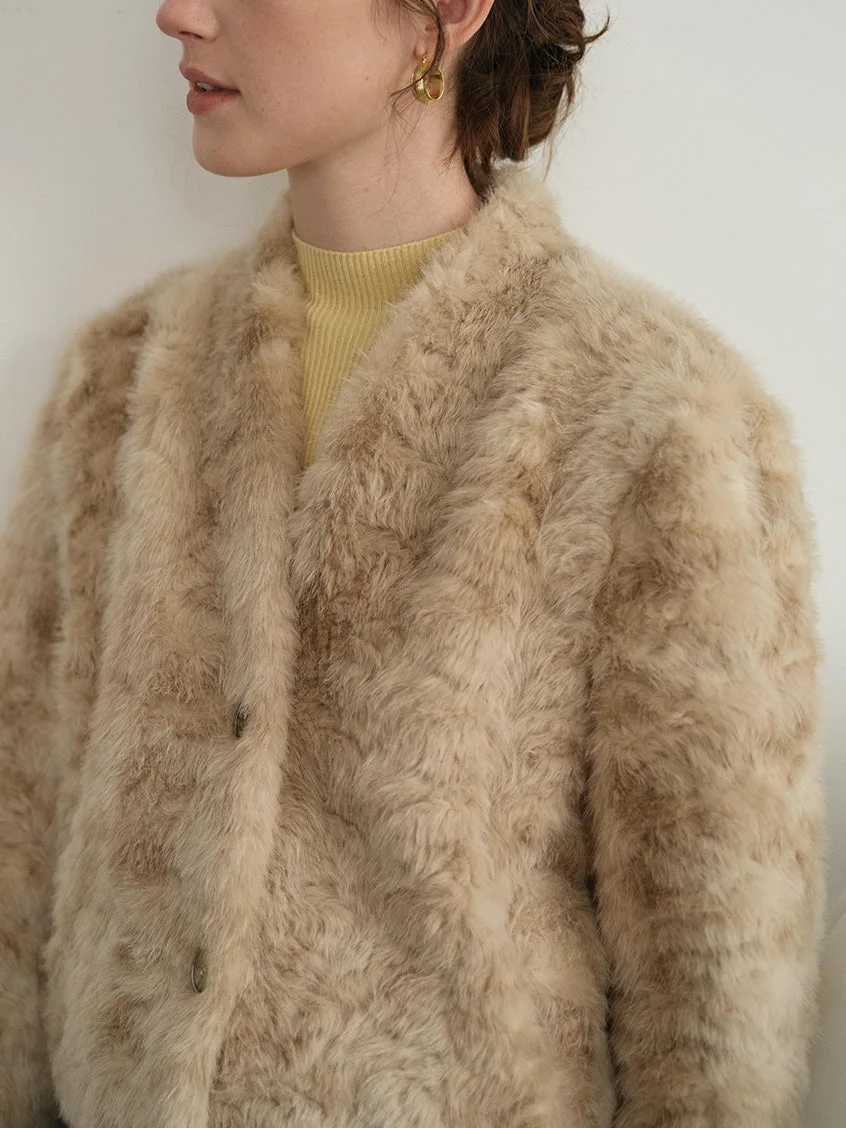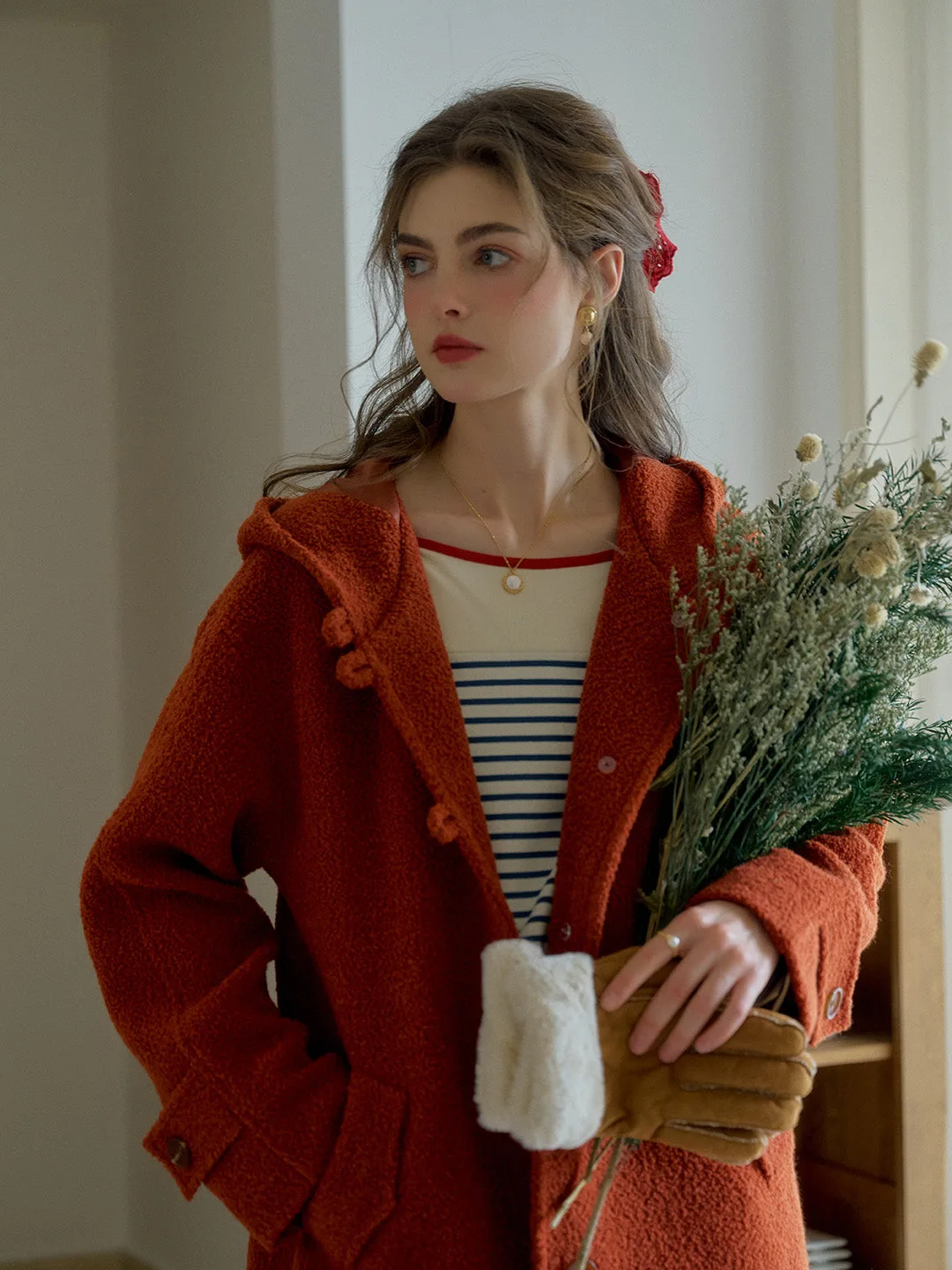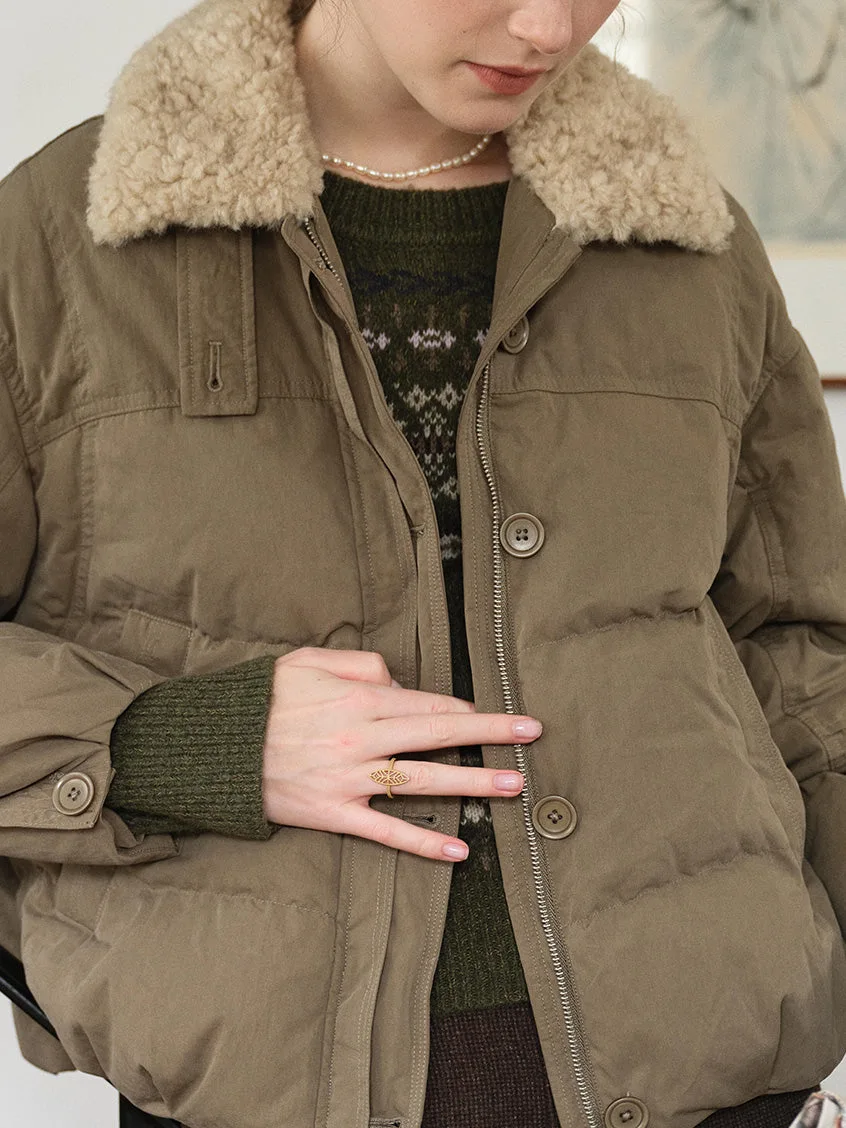
Imagine getting dressed for a cool morning: your favorite button-front shirt is ready, and the jacket you want to wear also has a collar. Layer them, and the neckline suddenly feels busy. Button everything up, and the collars bunch; leave the jacket open, and you may wonder whether the two pieces look unfinished. The fix is not always choosing one collar to hide. It is deciding which one should lead, checking how much fabric gathers at your neck, and choosing a jacket position that lets the layers sit naturally. These small choices can make a vintage-inspired outfit feel considered without requiring a special occasion or a new set of clothes.
Choose a clear collar arrangement
Before changing anything else, look at the two collars together in a mirror. A simple starting point is to let the shirt collar sit inside the jacket collar, with the jacket framing it. This usually works when the jacket’s collar has enough room to rest without pressing the shirt points against your neck. It also keeps the outline neat if you plan to wear the jacket mostly closed.
You can instead let the shirt collar sit slightly outside the jacket, particularly when you want the shirt to read as a visible part of the outfit. Keep the reveal deliberate: arrange both sides evenly rather than letting one point disappear under the jacket. If the jacket collar is especially prominent, exposing the shirt collar may create competing shapes. In that case, tuck the shirt collar inside, or choose a smoother neckline underneath.
Check spacing before you button up
Collar spacing is about more than appearance. If the jacket’s neckline pushes the shirt collar upward, you may feel pressure when you turn your head or move your shoulders. If the shirt points are trapped unevenly, they can also shift as you wear the layers. Try fastening just the top button of the shirt and putting on the jacket, then check whether the collar edges lie flat. Repeat with the shirt open at the neck.
A little visible space between the shirt collar and the jacket neckline can make the pairing feel less crowded. But a wide gap is not automatically better: the shirt may look disconnected if the jacket hangs open and the collars sit far apart. Check from the front and side, and turn your head as you normally would. If you keep adjusting the same point, that arrangement may need a different closure or a less structured-feeling shirt.
Manage bulk at the neckline
Two collars can add layers of fabric right where the jacket closes. That is most noticeable when the shirt collar is wide or stiff, or when the shirt fabric gathers under the jacket. Rather than forcing the top buttons closed, first smooth the shirt across the shoulders and settle the collar. Then fasten the jacket only as far as it closes comfortably. A tidy lower front does not make a neckline successful if the upper edge pulls or bunches.
For a quick comparison, keep the same jacket and shirt but try three versions: shirt collar inside, shirt collar slightly outside, and shirt worn open at the neck. Notice which feels easiest when you sit, reach forward, and look over each shoulder. If none feels comfortable, it may be the combination of those particular layers—not a styling mistake. A shirt with a smaller collar or a jacket with a simpler neckline may be a better match.
Try a smooth knit as an alternative
When the collar-on-collar combination feels crowded, swap the button-front shirt for a smooth knit with a simple neckline. This keeps the outfit layered while removing one set of collar edges from the jacket opening. A crew neckline can create a clean line beneath a jacket; a shallow V can leave a little open space. These are styling options, not rules, so consider how much of the knit will show when the jacket is open.
The trade-off is that a knit gives you less of the crisp shirt-collar detail. If that detail is what drew you to the outfit, keep the shirt and wear the jacket open instead. If you want a quieter neckline, try the knit with a jacket that has its own collar. For a different outerwear neckline to consider, see the Cassandre Stand-Collar Padded Jacket; the title identifies its stand collar, but check the product photographs and listed details for the specific appearance and fit.
Decide whether the jacket stays open or closed
An open jacket gives the shirt collar room to show and makes it easier to adjust the two layers. It can work well with straight-leg trousers, a simple skirt, or jeans when you want the shirt front to remain visible. Check that the jacket’s lapels or collar fall naturally rather than folding over the shirt points. If the layers keep sliding out of place, an open front may not solve the problem; it may simply make the shifting more noticeable.
A closed jacket creates a more contained outline, but it brings the neckline layers together. Try closing it only after you have arranged the shirt collar and smoothed the shirt underneath. For example, a shirt tucked into a skirt with the jacket fastened can feel tidy for a casual lunch. For a less formal look, leave the jacket open over the same shirt and trousers. Browse the outerwear collection for jacket options, then use each item’s photographs and details to judge its neckline rather than assuming every collared jacket will layer the same way.
Build the rest of the outfit around the neckline
Once the collars work, keep the other details in proportion to the neckline’s visual activity. If both collars are visible, consider simple earrings and a plain or lightly textured bottom so the outfit does not have several competing focal points. A corduroy jacket is one possible texture to consider; the Consuelo 100% Cotton Contrast-Collar Corduroy Jacket is explicitly described as cotton corduroy with a contrast collar. Whether it works with your shirt depends on the shapes and colors shown in its photographs and on the shirt you pair with it.
For a quieter outfit, try a single-color shirt under a jacket, with dark jeans or a plain skirt. For more contrast, pair a light shirt with a darker jacket and let just a little of the shirt collar show. If you are considering another collar-forward option, the Orsina Faux-Fur Collar Padded Jacket is described as having a faux-fur collar. It may call for a simpler shirt neckline so the jacket’s collar remains the main detail.
Use a three-move fitting check
Before deciding on an outfit, try this brief check at home. First, put on the shirt and jacket, then test the collar inside and slightly outside. Second, compare the jacket open with it fastened at the position you would actually wear. Third, move around: sit down, reach forward, and turn your head. Look for collar points that flip up, fabric that bunches, or a closure that feels strained. Choose the version that stays comfortable and looks orderly through those ordinary movements—not just the one that looks best while you stand still.
If you are ordering a jacket, compare its listed information with a similar layer you already own; do not assume the collar or neckline will sit exactly like another garment. Consult the size guide, and contact the team if you need current measurements or material details. Rustic Cottage purchases are email order requests, so confirm the details you need before sending one. Then use the collar arrangement that lets you move comfortably and keeps the rest of the outfit feeling like you.
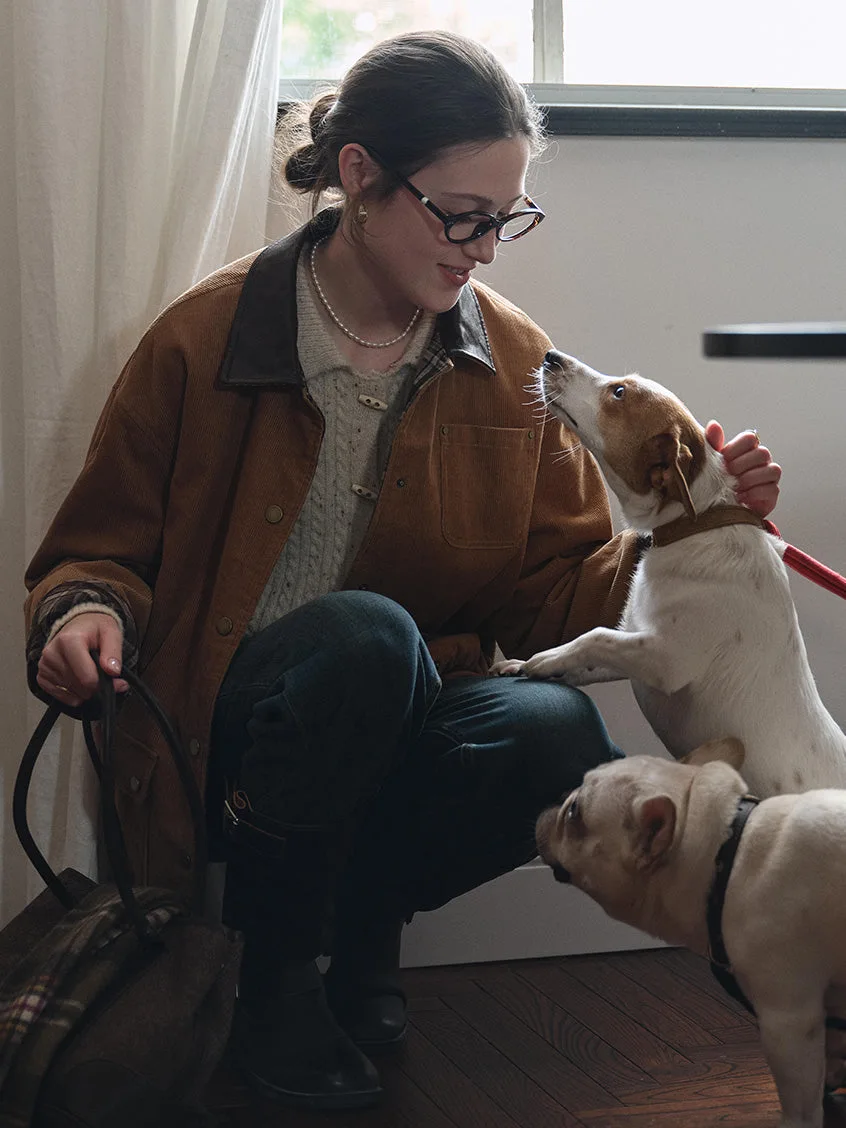
Explore the pieces behind the ideas
Browse our jackets & coats for full product photographs and listed specifications. Ask our team for fit and availability, or visit wholesale partnerships if you’re buying for a boutique.