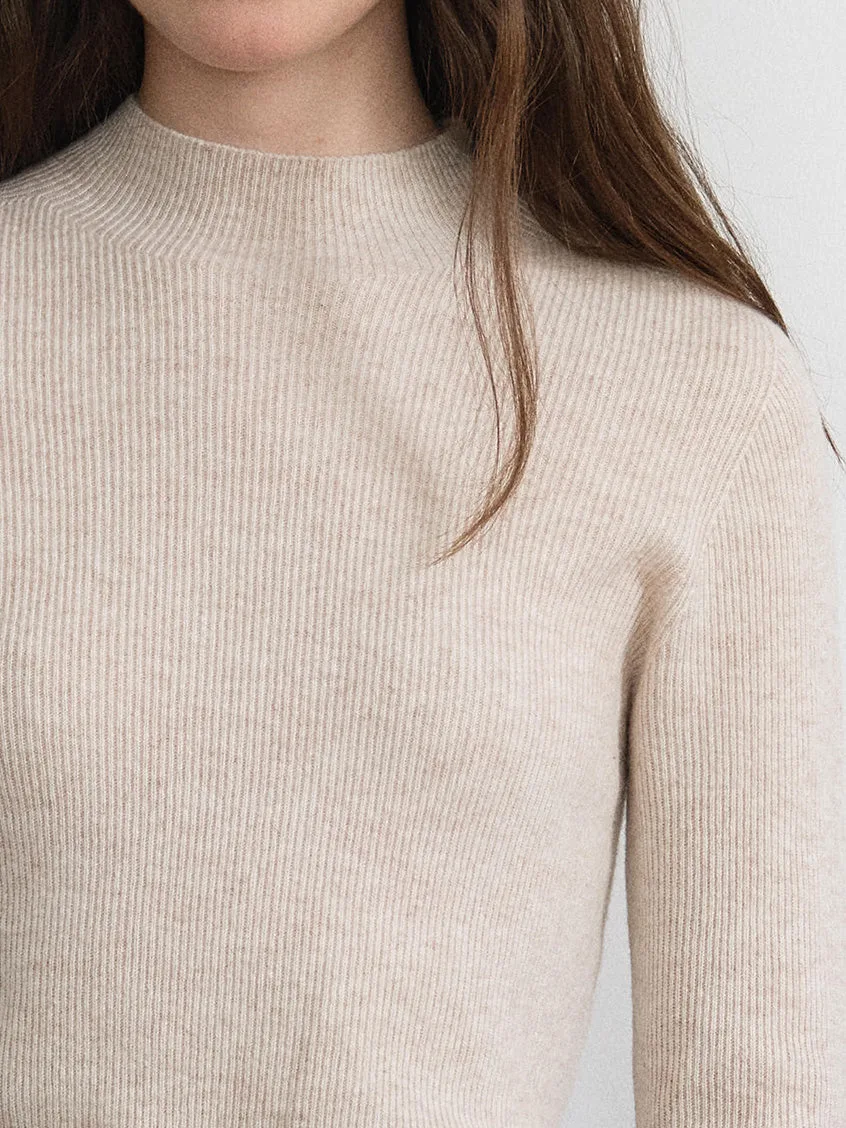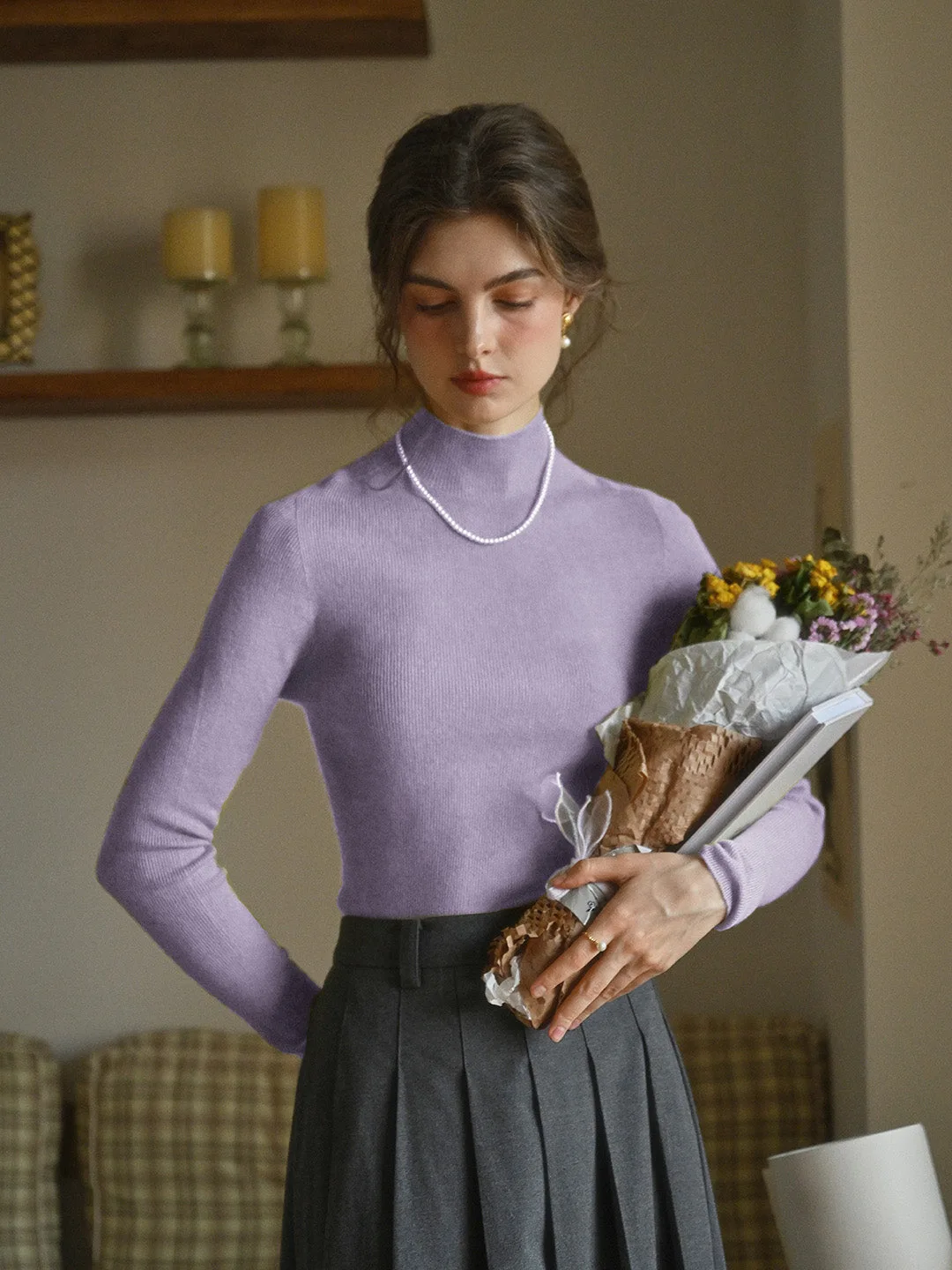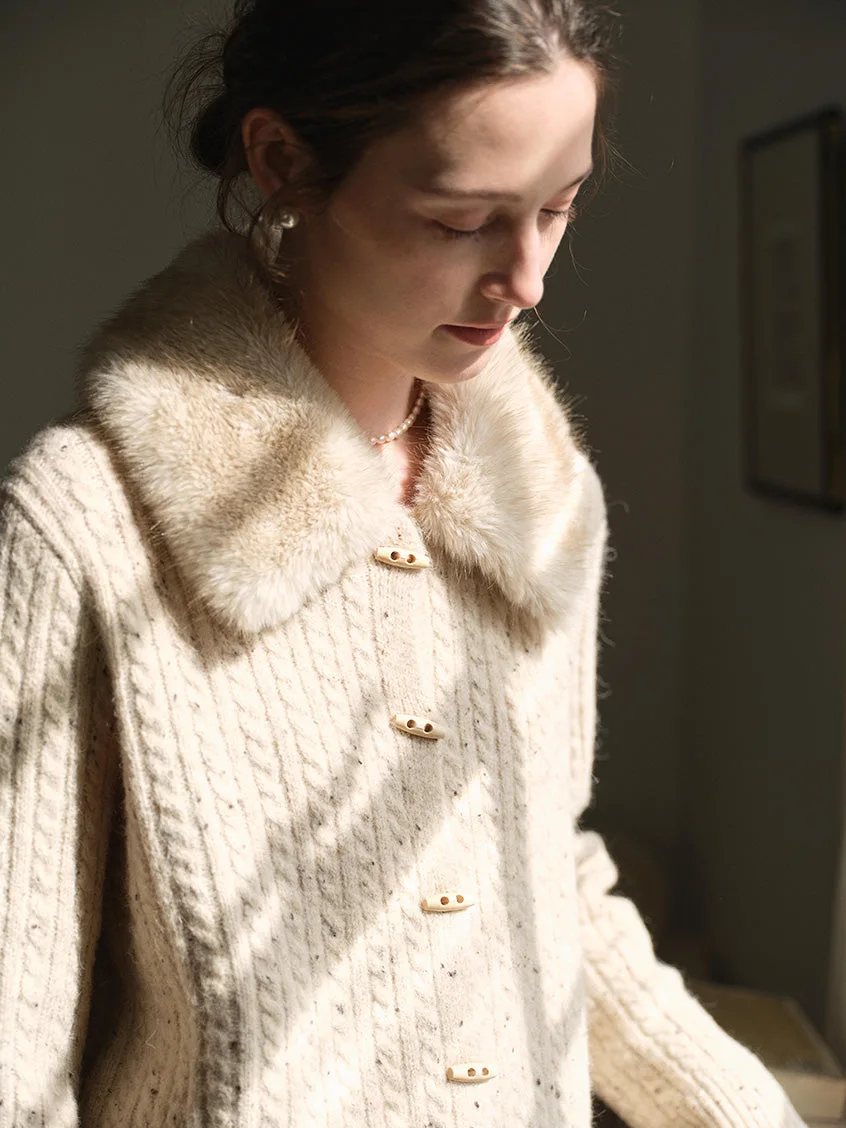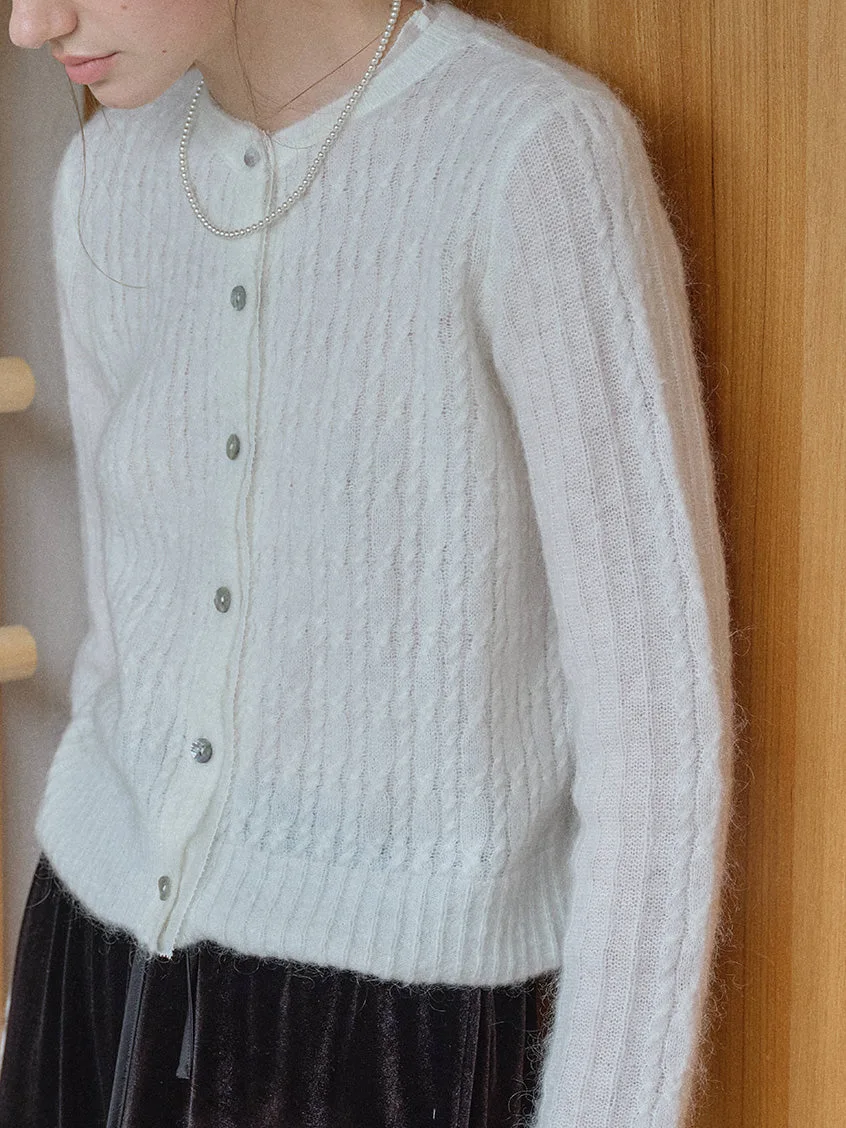
Knitwear has personality: the soft slub of a lambswool cardigan, the neat ribs of a cashmere blend, the relaxed drape of a boutique pullover. Those details—stitch definition, shoulder seams, and the way a sweater returns to its silhouette—are easily lost without the right care. This knitwear care guide focuses on reliable, usable steps for women building a vintage-inspired everyday wardrobe and for independent boutiques handling inventory. Throughout, check the sewn care label first; those instructions take precedence over any general guidance here.
Read the care label and assess fiber content
Not all knits are the same. A wool-cashmere blend needs different treatment than a 100% acrylic raglan. Start every care decision by reading the sewn label: it will usually list fiber percentages and any specific warnings such as "dry clean only" or "hand wash cold." If a sweater is labeled dry clean only, weigh the trade-offs—home laundering risks felting or shrinkage, but many boutiques choose to offer optional in-house spot-cleaning while recommending professional cleaning for sales and returns.
Practical example: a Ottilie Embroidered Rose V-Neck Cable Cardigan should be handled gently because the cashmere component is fragile; follow the label and, if allowed to hand wash, use a mild wool detergent and minimal agitation.
Hand wash vs machine wash: when to pick each
Hand washing is the safest default for delicate fibers. Use cool water, a small amount of wool-specific detergent, and gentle squeezing—never wring. For machine washing, use a mesh laundry bag, choose the machine's wool or gentle cycle, cold water, and avoid spin speeds above what the label permits. The trade-off: hand washing preserves structure better but is time-consuming; machine washing is convenient but increases risk of stretching if you skip protective measures.
Outfit tip: hand wash a delicate cardigan on Sunday night, reshape it, and lay flat to dry so it’s ready for a Monday vintage blouse and pleated skirt pairing. For sturdier knits worn frequently—think everyday cotton blends—machine washing in a bag can be practical if you follow label guidance.
How to dry knits without stretching
Avoid hanging knits to dry; gravity will flatten shoulders and elongate body length. Instead, after washing, press water out gently with your hands, then roll the garment in a clean towel to remove excess moisture. Always reshape knits on a flat surface while damp: straighten seams, flatten sleeves, and coax ribbing back into line. Allow to dry away from direct heat and sunlight. The trade-off is space—laying garments flat requires more surface area than hanging—but it preserves fit.
Business example: boutiques with limited backroom space can use sturdy slatted racks or foldable drying racks for inventory care; avoid stacking wet items to prevent distortion and mildew.
Storing knits so they keep their shape
Fold sweaters and cardigans rather than hanging them long-term. Place heavier or densely knitted items at the bottom of a stack and lighter, airier knits on top. Use acid-free tissue at the fold points for very delicate pieces to prevent creasing. If you must hang a knit for display, use wide, padded hangers and clip the hem to a bottom bar rather than the shoulder seams to avoid shoulder bumps.
Trade-offs: folding saves shape but can create fold lines if stored tightly. Rotate stock in boutiques so folded knits aren't compressed for months. For home wardrobes, store off-season knits in breathable cotton storage bags with cedar balls or lavender sachets—avoid plastic, which can trap moisture and invite mildew.
Dealing with pills, snags and loose threads
Pilling is normal where fibers rub together, like under arms and along sides. Use a battery or manual fabric shaver or a sweater comb to remove pills gently; work across the grain and avoid over-shaving, which can thin the fabric. For snags, don't pull—use a small crochet hook or the point of a sewing needle to pull the snag to the wrong side, then stretch the surrounding fabric to distribute tension. Tie off very long loose threads on the wrong side with a small knot if necessary.
Retail example: train sales staff to demonstrate a quick on-the-spot de-pilling for customers who notice pills during fitting. It’s a small service that can signal care-minded retail standards without implying product defect.
Preventing shoulder sag on display and in wear
Shoulder sag is often caused by hung storage or heavy, wet fabrics. For display, support shoulders with padded hangers and avoid clips that pierce knit. When a garment has stretched at the shoulders, you can often restore shape by steaming lightly and reshaping the shoulder seam while the fiber relaxes. For stubborn stretching, a gentle soak followed by flat drying with shoulder supports—rolled towels tucked into the sleeve cap—can help reform the seam line.
Outfit example: a boxy, vintage-inspired sweater looks best structured over a collared blouse. If your knit has slight sag, press it gently with steam while on a dress form or hanger to smooth the silhouette for styling photos or window displays.
Weight and direction: what affects a knit’s drape
Knits have grain—the direction of stitches—which interacts with weight. Vertical ribs lengthen visually but can also sag over time; tighter gauges hold shape better than loose, open knits. When laundering, avoid stretching a garment while wet: always reshape along the grain. For design and merchandising, store heavier knits folded so their mass doesn’t pull on lighter garments below.
Business note: when buying wholesale, ask suppliers about stitch gauge and recommended care so you can advise customers accurately online and in-store. Wholesale inquiries are handled via wholesale partnerships contact and pricing information is provided on request.
Travel and packing tips to prevent misshaping
To pack knits for travel, roll rather than fold to reduce sharp creases, or lay lighter knits flat between layers of garments. Use packing cubes that fit the knit without compressing it. On business trips or at markets, keep spare storage space for returns and exchanges so customers’ tried-on knitwear can be respread and aired before rehanging.
Retail example: at trunk shows, provide a small folding table with blanketed padding to refold returned knitwear, restoring shape before restocking the rack.
Mend and alter strategically to preserve shape
Small repairs extend the life and silhouette of knitwear. Reinforce weak elbow patches or underarm seams with invisible stitching rather than replacing entire panels. When altering for fit—shortening sleeves or tapering a body—work with someone experienced in stretch fabrics; improper cuts can destabilize the stitch pattern. Keep a simple mending kit in the boutique: matching yarn, darning needle, small scissors, and a crochet hook.
Practical tip: offer a simple in-house alteration or mending service as a customer add-on. It’s a lower-cost way to add value and helps preserve the original shape of well-loved pieces.
Conclusion: small routines protect the silhouette
Knitwear lasts when you treat it like the special garment it is: check the sewn label first, choose hand wash or protected machine wash appropriately, dry flat and reshape, fold for storage, and handle pills and snags gently. For boutiques, communicating these care steps with customers—on swing tags, product pages, and at checkout—reduces returns and builds trust. If you’re browsing new pieces, you can preview how a knit was finished by looking at shoulder seams and rib strength; that detail often predicts how well a piece retains its shape over time.
For product viewing and more knit options, see our knitwear selection at knitwear collection and general boutique offerings at clothing collection. If you’re considering bulk or boutique purchases, contact us via contact our team to request availability, shipping, and payment terms. To compare fits before caring for new arrivals, consult our size guide. Examples mentioned include the Ottilie Embroidered Rose V-Neck Cable Cardigan, the Ottilie Embroidered Rose V-Neck Cable Cardigan, and the Ottilie Embroidered Rose V-Neck Cable Cardigan—pieces that reward attentive care and will hold their shape with the right routine.
Explore the pieces behind the ideas
Browse our knitwear for full product photographs and listed specifications. Ask our team for fit and availability, or visit wholesale partnerships if you’re buying for a boutique.