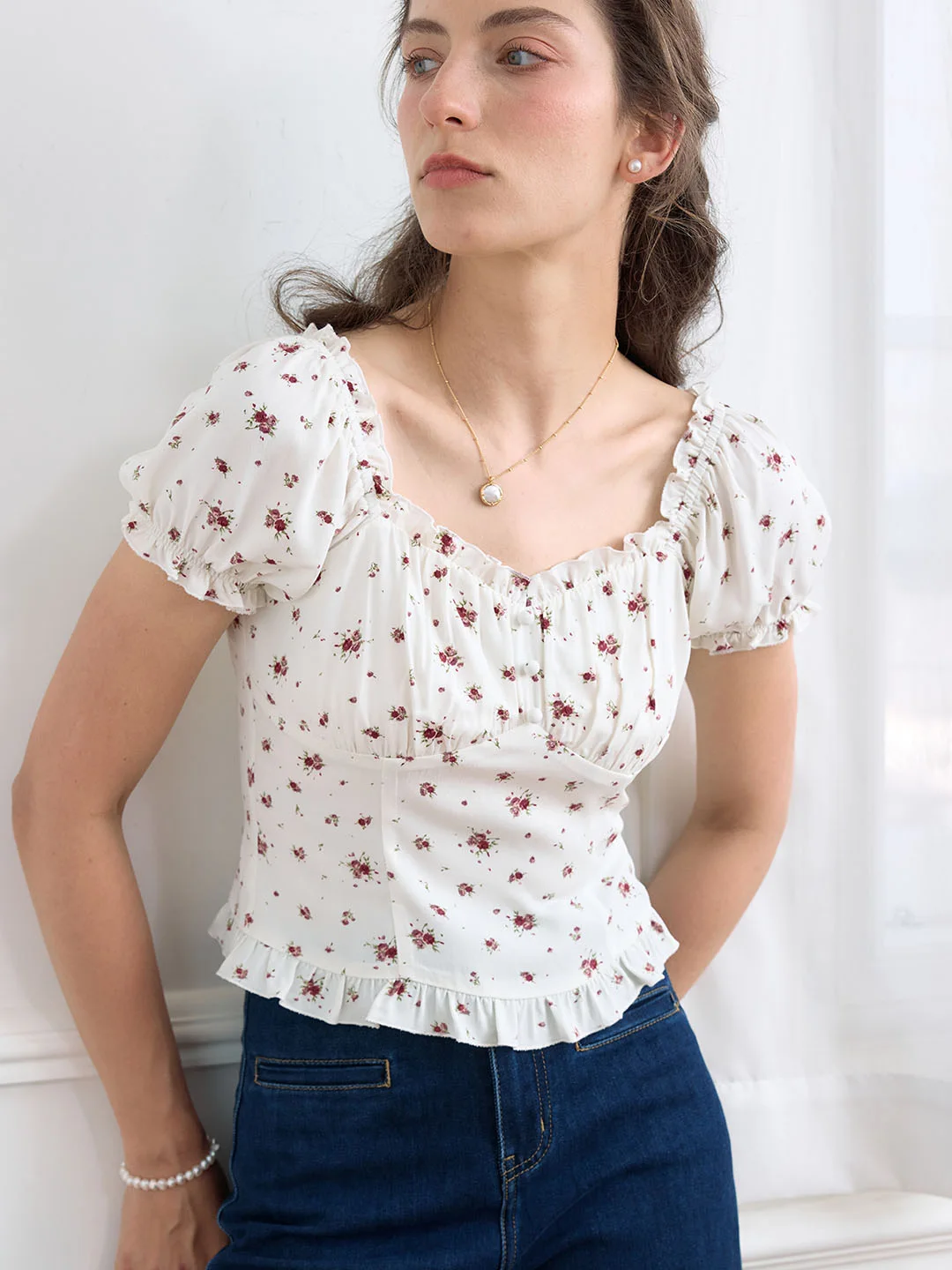
Linen is beloved for its breathable hand, soft drape and lived-in look, but it asks for a little considered care. Whether you buy that slouchy linen dress for everyday wear or stock a handful of styles for your independent boutique, the way you wash, press and store linen changes how the fabric behaves and how long it stays beautiful. Start every garment care decision by checking the sewn care label—manufacturers sometimes blend linen with other fibers, or give specific temperature and solvent instructions that override general advice.
Understand what kind of linen you have
Not all linen garments are identical. Pure 100% linen will behave differently from blends (linen-cotton, linen-viscose) or finishes like prewashed or softened linen. A crisp, heavier Irish linen will hold structure and show creases more than a loose Belgian slub. If the sewn care label indicates a blend, follow those instructions first; for example, a linen-viscose mix may require cooler washing and gentler spin cycles.
Wrinkle strategies: embrace or reduce
Wrinkles are part of linen’s aesthetic, but there are ways to control how pronounced they are. Decide up front whether you want a lived-in rumple or a neater silhouette.
- For a relaxed look: Air-dry on a hanger and remove while still slightly damp. Smooth with your hands to settle creases rather than ironing. This keeps the natural texture but removes sharp fold lines.
- For a neater finish: Iron while damp on the linen setting (or cotton if linen isn’t listed). Use steam liberally, press from the wrong side when possible and protect with a thin cotton press cloth to avoid shine on darker colors.
- Quick fixes: A handheld steamer is effective for tops and dresses and is quicker than an ironing board. For collars and cuffs, a few targeted bursts of steam and gentle reshaping with the fingers do the trick.
Washing: machine vs hand washing trade-offs
Whether to machine-wash or hand-wash depends on garment construction, label instructions and how much time you have.
- Machine wash (gentle): Use a cold or lukewarm cycle, mild detergent and a short, gentle spin to protect seams and trims. Turn garments inside out and wash with like colors. Trade-off: machine washing is convenient and good for sturdier pieces, but aggressive cycles and high heat can weaken fibers and cause more shrinkage.
- Hand wash: Fill a basin with cool water and a small amount of mild detergent, gently agitate, rinse thoroughly and press out water without wringing. Trade-off: hand washing is kinder to delicate lace, trims or softer linens, but it takes more time and care to avoid misshaping.
- Detergent and additives: Use a mild detergent. Avoid bleach and strong optical brighteners; they can degrade natural fibers and alter color. If you need to brighten dingy white linen, a soak with oxygen-based whitener according to the product label is safer than chlorine bleach.
Drying without damage
How you dry linen affects both shrinkage and wrinkle patterns.
- Air-dry best practice: Lay heavier pieces flat on a clean towel or use a padded hanger for shirts and dresses; reshape seams and hems while damp. Air-drying minimizes shrinkage and fabric stress but can leave sharper wrinkles if the garment dries fully in one position.
- Machine-dry cautiously: If the sewn care label allows tumble drying, use a low-heat, short cycle and remove while still slightly damp to finish on a hanger. Trade-off: tumble drying can soften linen and reduce ironing time, but repeated high-heat drying increases shrinkage and wear.
- Sun and color: Drying in direct sun can fade pigments; for colored linen pick shaded or indirect sun drying.
Ironing and steaming techniques
For a polished appearance, ironing linen correctly matters.
- Temperature: Use the hottest iron setting safe for linen listed on the care label; many advise a hot, dry iron with steam for deep creases. If unsure, test on an inside seam.
- Pressing method: Iron on the reverse side when possible. For lightweight blouses, use a press cloth to avoid flattening texture. Press in small sections and avoid sliding the iron aggressively over the same area repeatedly.
- Steam: Use vertical steaming for garments on hangers. This is especially handy for retail floor staff quickly refreshing display stock or for boutique buyers preparing product shots.
Storing linen to prevent yellowing and mildew
Proper storage keeps linen fresh between seasons or while hanging in a boutique.
- Short-term hanging: Hang shirts and dresses on broad, shaped hangers to maintain shoulder shape. Avoid overcrowding; linen benefits from airflow to prevent mildew.
- Long-term folding: For seasonal storage, fold garments loosely with acid-free tissue between layers and store in breathable cotton garment bags or boxes. Avoid plastic-sealed containers which can trap moisture and promote yellowing.
- Preventing yellowing: Make sure garments are fully clean and dry before storing. Body oils and perspiration left in the fabric can oxidize and cause stains over time. Keeping storage cool and dry reduces the risk of mildew and color change.
Spot care and stain removal
Act fast with spills. For a boutique, teaching customers clear spot-care steps reduces returns and preserves product reputation.
- Immediate steps: Blot (don’t rub) liquid spills with a clean cloth. For solids, remove excess with a spoon or the dull edge of a knife.
- Common stains: Oil-based stains may respond to a weak detergent solution or a pre-wash stain remover designed for natural fibers; protein stains (food, blood) often lift with a cold water rinse before washing. Follow the sewn care label and test any treatment in an inconspicuous spot first.
- Professional cleaning: For intricate vintage trims or heavily soiled wholesale lots, consider professional wet-cleaning or a trusted dry cleaner familiar with linen. For boutique buyers, note that cleaning requirements can affect resale instructions and return policies.
Everyday styling and outfit examples to minimize care burden
How you wear linen can reduce the need for frequent laundering and pressing.
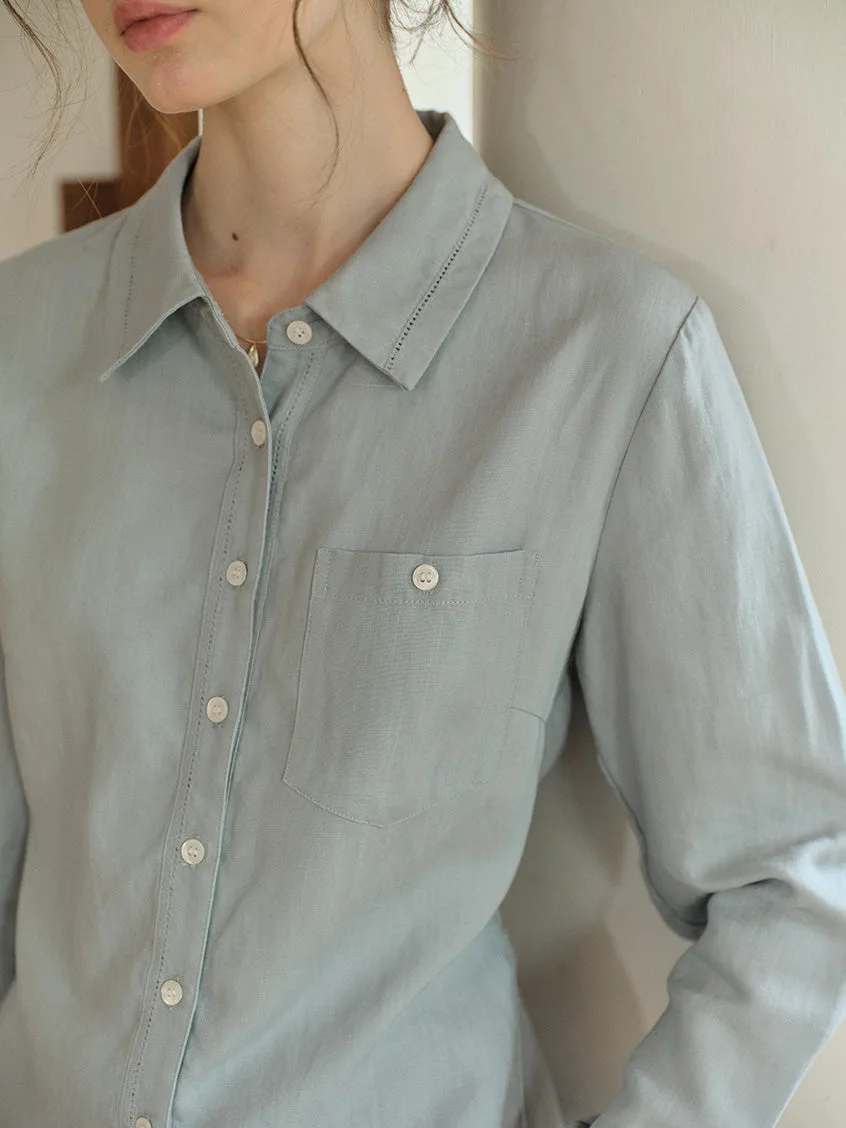
- Layer strategically: Use undershirts or slips to absorb body oils that would otherwise reach the linen outer layer. For example, pair a linen button-down with a lightweight cotton camisole underneath to extend time between washes.
- Rotate garments: Keep a small rotation so each piece has time to air out between wears. A summer linen dress worn only a few hours can often be spot-cleaned and aired instead of fully washed.
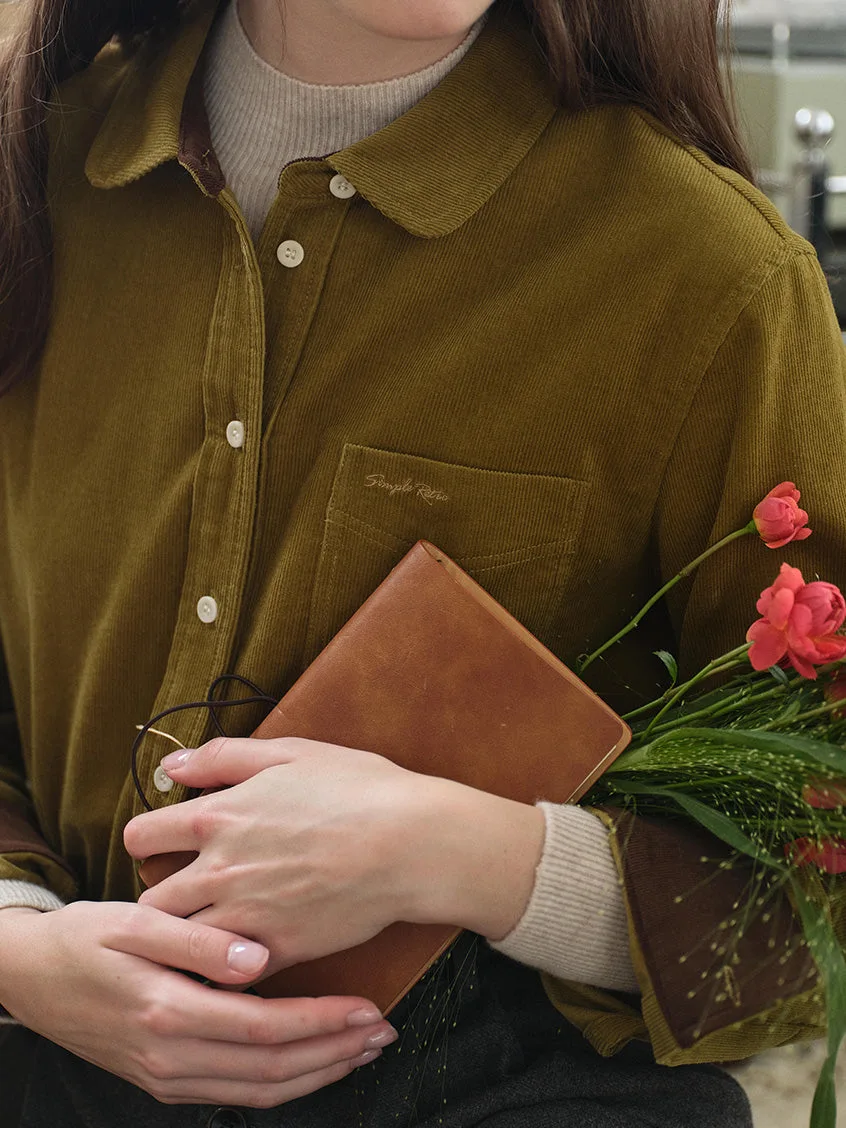
- Outfit example: For a vintage-inspired everyday look, pair a linen skirt with the Carla Lace Collar Linen Shirt (green) for texture contrast; wear a slip and leather flats to protect the linen and keep cleaning to a minimum. If you prefer a pop of color, the retro red version of that velveteen shirt is another pairing option.
- Retail merchandising tip: Display linen pieces with breathable spacing and rotate mannequins’ outfits weekly; light steaming before service keeps the selling floor presentable without over-washing stock.
Wholesale considerations for boutique buyers
If you’re buying linen by the case, care guidance affects customer satisfaction and returns.
- Request care labels: Ask your supplier for sewn care label text so you can print clear instructions on garment tags or inserts. This avoids confusion and aligns buyer expectations with the product’s needs.
- Include care cards: A small printed care card with each garment—covering washing, drying and spot care—reduces customer questions and increases perceived value. For instance, a simple note explaining “wash cool, reshape and hang to dry, iron warm while damp” is helpful when combined with the sewn label.
- Wholesale inquiries: Rustic Cottage handles wholesale pricing, minimums and lead times on inquiry. Website orders are placed via email requests where availability, shipping and payment terms are confirmed in writing; there’s no instant paid checkout. Use the /wholesale/ link to start a conversation and the /contact/ page for direct assistance.
Accessories and garment pairings that reduce wear
Small styling decisions protect linen and keep garments wearable longer.
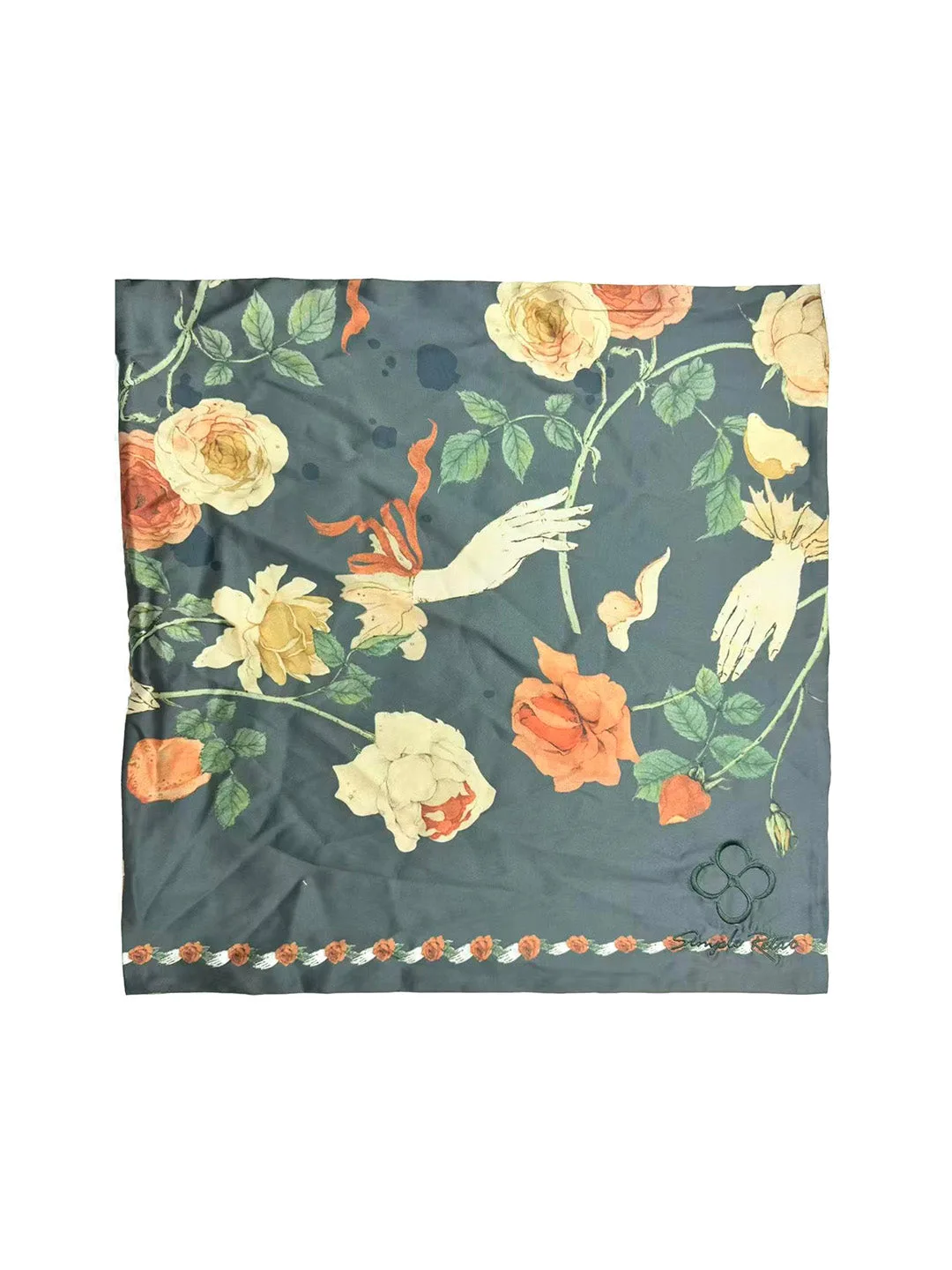
- Use scarves and pins: A neck scarf reduces sweat contact at collars. Decorative brooches or pins can protect a vulnerable front area from constant friction.
- Choose gentler handbags: Avoid heavy, rough-strapped bags that rub against linen sleeves and cause pilling or wear. Light leather totes or crossbodies distribute weight more gently.
- Layer with knitwear: A thin wool or cotton layer over a linen top reduces direct exposure to makeup and deodorant, which can stain over time.
If you’d like more styling inspiration, check our tops collection at blouses and tops or browse our general offerings at clothing collection. For sizing help, see the size guide. For specific product pairings mentioned above, see the Carla Lace Collar Linen Shirt in green and retro red, the Laylah Peter Pan Collar Embroidered Blouse and the Mallory V-Neck Knotted Linen Blouse:
- Carla Lace Collar Linen Shirt (green)
- Carla Lace Collar Linen Shirt (retro red)
- Laylah Peter Pan Collar Embroidered Blouse
- Mallory V-Neck Knotted Linen Blouse
Conclusion: Linen clothing care is about choices. With attention to label instructions, gentle washing, mindful drying and intentional storage, linen can look fresh for years. For everyday wear, accept some degree of natural wrinkling and use steaming or damp pressing for quick refreshes. For boutique buyers, providing clear sewn labels and printed care cards makes reselling easier and reduces returns. If you want wholesale pricing, minimums or lead times, please send an email inquiry via our wholesale partnerships page and confirm availability and terms in writing through contact our team.
Explore the pieces behind the ideas
Browse our blouses & tops for full product photographs and listed specifications. Ask our team for fit and availability, or visit wholesale partnerships if you’re buying for a boutique.