There’s a quiet power to wearing the same small set of outfits again and again. For many US women who favor vintage-inspired, comfortable daily clothing, outfit repetition reduces the time spent fretting over choices while keeping a consistent personal style. For independent boutique buyers, the same principle helps with merchandising, replenishment, and building a dependable wholesale relationship. This outfit repetition guide lays out practical strategies, trade-offs, and concrete examples so you can repeat without feeling like you’re wearing a uniform.
Start with a repeatable outfit formula
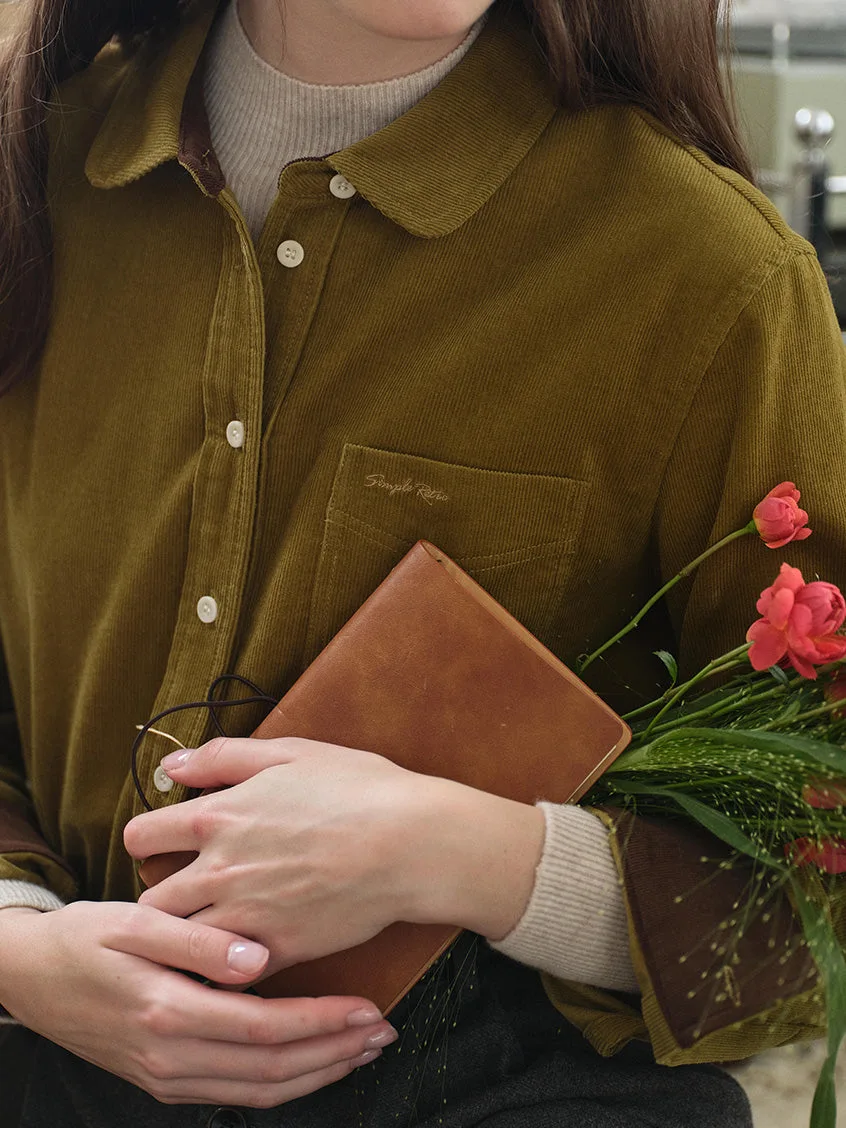
An outfit formula is a short recipe: two tops, one bottom, one outer layer, one accessory. Choose pieces that work together in multiple combinations. For example: a button-up shirt, a lightweight knit, high-waist trousers, a cropped cardigan, and a silk scarf. You can swap the button-up for the Hesper velveteen shirt or the green version to keep the same silhouette with different color energy.
Trade-offs: a strict formula limits experimentation but saves time and shopping energy. If you crave variety, add one wildcard piece per week—like a printed blouse or a statement coat—while keeping the core formula intact.
Choose fabrics and cuts that survive repetition
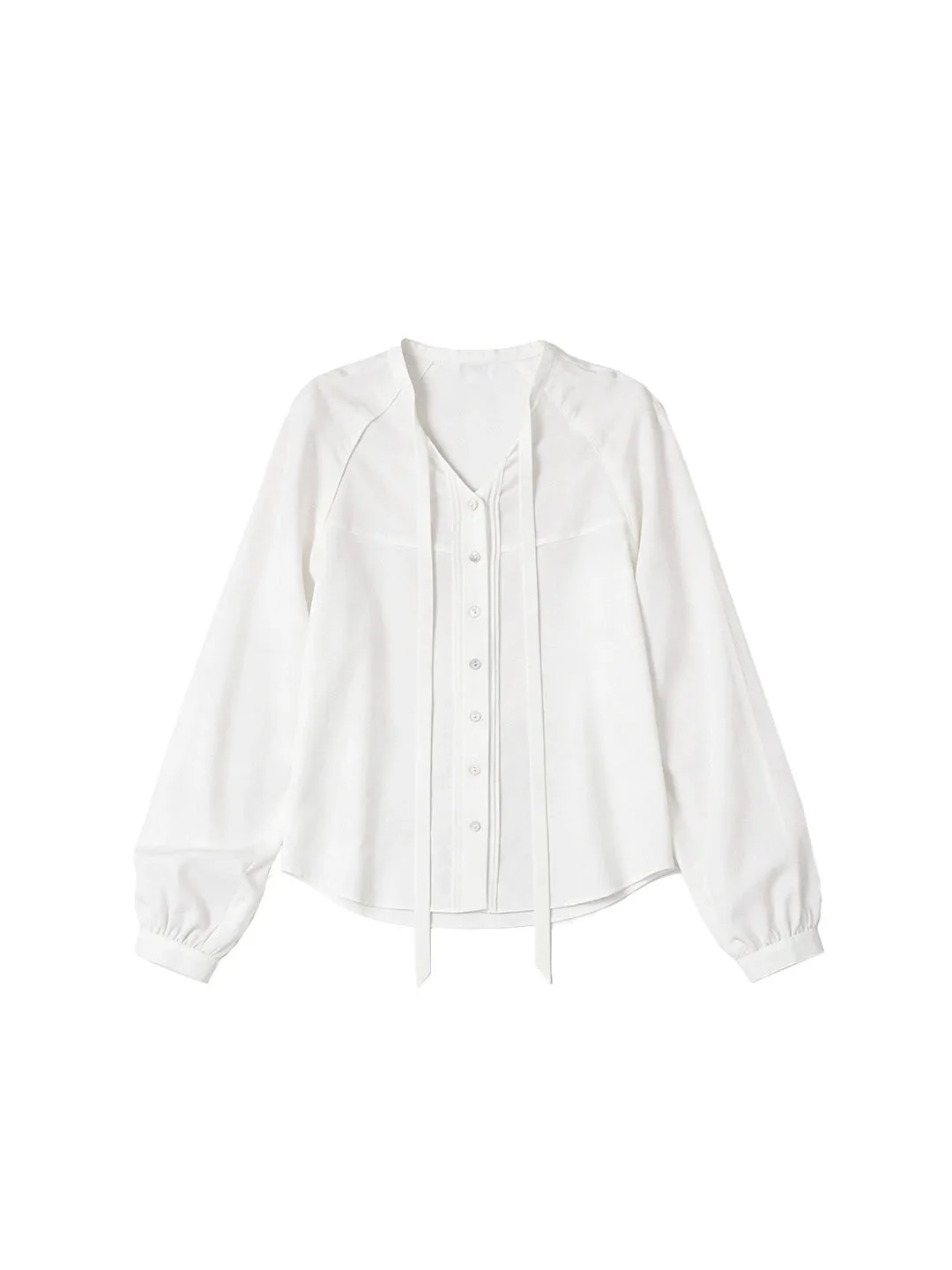
When you plan to repeat outfits, durability and fit matter more than seasonal trends. Opt for well-constructed shirts and tops with solid collars and seams, trousers with reinforced waistbands, and knitwear that resists piling. For women who prefer layered looks, pieces like the Madeleine V-Neck faux layered wool top give the visual complexity of multiple layers with fewer actual garments to launder and maintain.
Trade-offs: higher-quality fabrics often cost more up front, but they mean fewer replacements and a more consistent fit over time. Be mindful of items that require delicate care; check the sewn care label before assuming any washing method.
Limit color palettes to simplify pairing
Pick a base palette of 3–5 colors that complement each other. A classic comfortable palette might include a neutral base (navy, charcoal, cream), a worn-in denim shade, and one or two accent colors like mustard or retro red. With a limited palette, shirts like the Hesper velveteen shirt in green become multipurpose anchors rather than one-off pieces.
Trade-offs: a small palette can feel predictable, but it makes mixing and repeating effortless. If you want seasonal shifts, swap just one accent color every few months instead of overhauling the entire wardrobe.
Build multiples intentionally, not impulsively
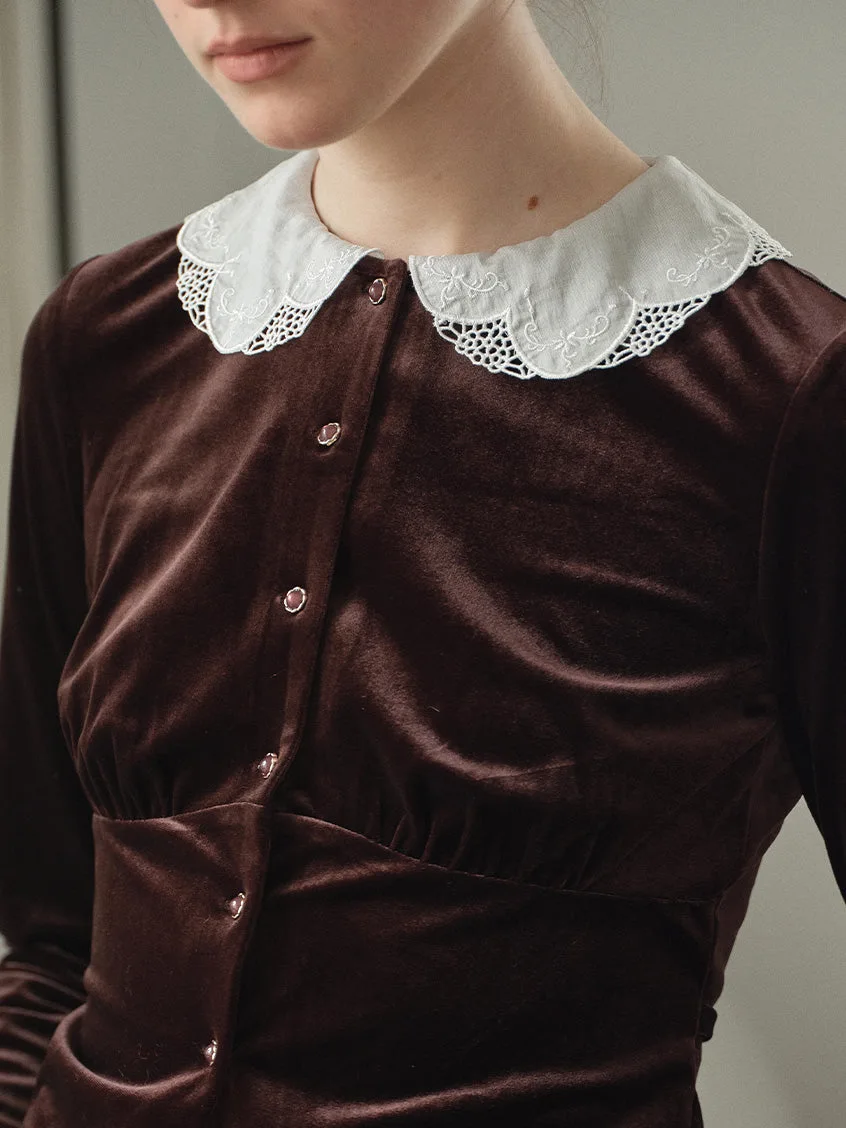
Buying the same item in multiple colors or fabrics is the fastest way to make repetition feel fresh. Choose one reliable silhouette—say a puff-sleeve blouse—and pick two or three repeats in different colors or textures. The Octavia Mock Neck blouse is an example of a distinctive silhouette you can justify repeating in a capsule wardrobe.
Trade-offs: multiples tie up more of your budget and closet space, but they cut decision time drastically. For boutiques, offering 2–4 colorways of best-selling silhouettes increases reorder predictability without saturating display options.
Plan laundering and care around repetition
If you plan to wear similar outfits frequently, laundering cadence becomes crucial. Check the sewn care label first for each garment—there’s no universal wash rule. Machine-washable cotton shirts can be rotated more often; wool or delicate lace pieces like the Octavia blouse may need spot-cleaning or gentle cycles with protective bags.
Practical tips: rotate three copies of a frequently worn top so there’s always a clean one while the others are laundering. For boutique buyers, include care cards with garments and note any special handling on the product page. When customers place website orders, they should email for availability so you can confirm care instructions and shipping details in writing.
Use accessories to vary repeated outfits
Accessories are low-cost ways to refresh repeated looks. Swap belts, scarves, brooches, or shoe options to alter the perception of the same base outfit. A silk scarf tied at the neck or a different handbag can make a repeated skirt-and-blouse combo read as a new outfit.
Trade-offs: accessories can accumulate clutter if not curated. Keep an everyday accessory box with 6–8 pieces that rotate seasonally. Boutiques can sell accessory bundles alongside popular clothing repeats to encourage coordinated purchases without overwhelming customers.
Structure a weekly rotation for decision-free mornings
Create a simple weekly rotation: designate five outfit combinations for weekdays and two for weekends. Prepare outfits the night before. For instance: Monday—velveteen shirt + wide-leg trousers + cardigan; Tuesday—Madeleine top + mid-length skirt + ankle boots; Wednesday—repeat Monday’s look with a scarf; Thursday—Octavia blouse + tailored jeans; Friday—casual knit + trousers. This reduces morning decision fatigue and makes getting dressed an efficient routine.
Trade-offs: sticking to a rotation can feel limiting for social events. Keep one stand-by outfit for special occasions and plan it into the rotation when needed.
Merchandise repeats thoughtfully in a boutique setting
For independent boutique buyers and shop owners, adopting outfit repetition as a merchandising strategy means carrying consistent silhouettes with slight variations. Group repeated pieces in sets—three colorways on a single rack—so customers see the logic in buying multiples. Offer styling cards showing three ways to wear each repeat; include links to related items on /collections/ and specific product pages.
Trade-offs: too many identical items can feel like overstock. Balance repeats with a small rotating edit of novelty pieces to keep the shop interesting. When customers inquire about wholesale, supply pricing, minimums, and lead times upon request through your wholesale contact process, and confirm orders in writing. Website orders should be handled via email so availability, shipping, and payment are confirmed before fulfillment.
Know when repetition becomes stale—and how to refresh
Repetition is useful until it becomes visual monotony. Signs you need a refresh: you avoid wearing certain repeats because they feel boring, you’re buying impulse novelty more frequently, or your store sales dip for previously popular repeats. Refresh by rotating in a single new silhouette, introducing a seasonal color, or switching fabric weights.
Concrete refresh strategies: bring in a textured blouse one season, add a lightweight vest for layering, or offer a limited run of a favorite piece in a new print. For boutiques, announce the refresh with styling tips and link new arrivals to your size guidance at /size-guide/ so customers can confidently buy multiple pieces.
Conclusion: Repeat with purpose, shop and sell smarter
Outfit repetition is not about wearing the same outfit every day; it’s about building a concise set of dependable options so dressing becomes easier and shopping becomes clearer. For women buying for daily vintage-inspired wear, focus on formulas, durable fabrics, and thoughtful color palettes. For boutique buyers, merchandise repeatable silhouettes in limited colorways and manage inventory and customer expectations through clear written communication. Remember to check the sewn care label before laundering, prepare a simple weekly rotation to reduce decisions, and use accessories to keep repeats feeling new. If you want specific outfit pairings, browse tops in our collection at blouses and tops or explore product examples like the Hesper velveteen shirt (green), Hesper velveteen shirt (retro red), the Madeleine V-Neck faux layered wool top, and the Octavia Mock Neck puff sleeve blouse. For wholesale inquiries or to place an order, please reach out via contact our team so availability, pricing, and shipping can be confirmed in writing.
Explore the pieces behind the ideas
Browse our blouses & tops for full product photographs and listed specifications. Ask our team for fit and availability, or visit wholesale partnerships if you’re buying for a boutique.