Imagine arriving at work on a mild morning in a blouse and trousers that feel just right outside. By midmorning, the air near your desk is chilly, and your hands are hovering over your keyboard instead of getting comfortable. A heavy coat would be too much indoors; another thick layer may be too warm on the walk in. The useful fix is usually a desk layer that goes on and off easily, sits comfortably while you work, and does not create a bulky bundle for the trip home.
Think about the whole sequence: walking in, settling into your chair, reaching and typing, carrying the layer to lunch, and stepping back outdoors. An open cardigan, a buttoned layer, and a collar-friendly choice each solve a different part of that routine. The best option depends less on how warm it looks on a hanger than on how it behaves with your chair, blouse, bag, and usual indoor-to-outdoor transitions.
Start with the temperature change, not a winter outfit
For a cool office and mild outdoors, keep the base outfit appropriate for the warmer part of your day. A breathable-feeling blouse or top with trousers or a skirt can stand on its own outside, while a separate knit provides extra coverage at your desk. That approach avoids wearing a heavy sweater from the commute onward just to be comfortable at one workstation.
Before choosing a layer, identify when you feel coldest. Is it during long stretches of sitting, in a meeting room, or whenever you stop moving? If you mainly need warmth while seated, prioritize a layer that is easy to remove and put back on without disrupting your outfit. If you move between a cold office and warmer shared spaces, a flexible opening may matter more than maximum coverage. No single garment solves every temperature difference, so treat the layer as an adjustable part of the outfit.
Choose an open cardigan for quick adjustments
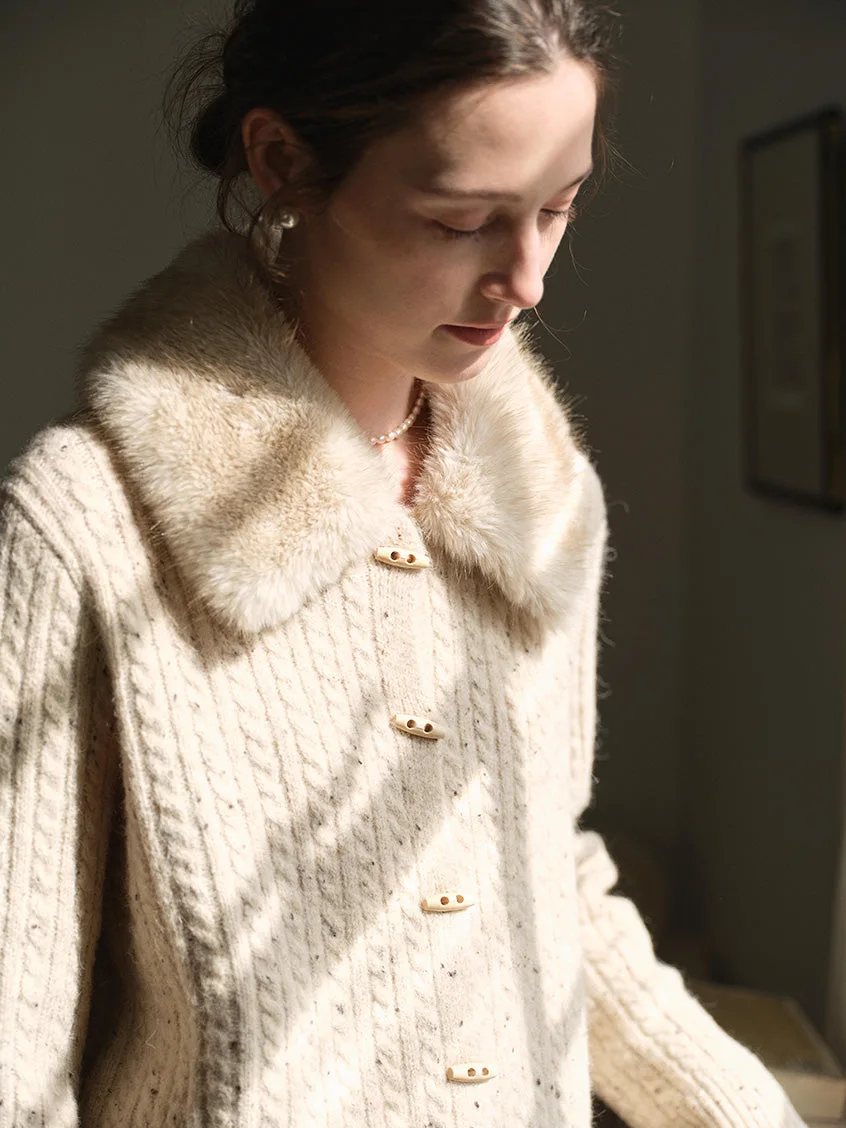
An open cardigan is convenient when you want to add or release warmth without undoing buttons. You can slip it on at your desk, leave it open over a blouse, and take it off for a warmer meeting room. It can also preserve the visible shape of the blouse underneath instead of covering its front completely. A vintage-inspired option such as the Neve Toggle-Front Cable Knit Cardigan is one example to inspect; check its photographs and listed sizes rather than assuming a particular fit or degree of warmth.
The trade-off is that an open front can shift as you reach, lean back, or move around. Front edges may fall toward your keyboard or spread apart when you sit, depending on the garment and how it fits you. Try the cardigan seated as well as standing. If you find yourself repeatedly pulling it back into place, a closing option may be less distracting during a long work session. Also notice whether the sleeves stay where you want them when you type; frequent cuff adjustment can make an otherwise comfortable layer feel fussy.
Use a buttoned layer when you want a steadier front
A buttoned layer can feel more contained when you sit down because you can close it across the front rather than relying on the edges to stay arranged. It may be useful when an open cardigan tends to drift away from your shoulders or when you want a neater-looking layer for a meeting. You can still leave it partly or fully open when the office warms up, if the design allows.
Check the front closure in your actual seated posture. Buttons that seem fine while standing may pull or gape when you lean forward; a close fit through the shoulders or arms may also make reaching uncomfortable. Conversely, a roomy layer can feel bulky against the back of a chair. A knit with a decorative front, including the toggle detail named in the Neve cardigan, may have a different feel and appearance from a plain button-front style, so review the product images and contact the shop for current fit or material details when you need them. Explore the knitwear collection for options, and compare each garment on its own terms rather than assuming all cardigans close or sit alike.
Keep collars and sleeves clear of your work
If your blouse has a collar, check what happens where the two necklines meet. A cardigan neckline that sits high or overlaps the blouse collar can push it upward or create a crowded-looking stack. A more open neckline may leave the collar visible with less interference, but that depends on the exact garments and how they sit on you. If you prefer a smooth neckline, try a simple round-neck top beneath the layer, or choose a layer whose opening leaves enough room for your collar to lie naturally.
Do a collar check before the workday: put on the blouse and layer, sit in your usual chair, then turn your head and look down toward a screen or notebook. See whether the collar stays flat, folds under, or presses at the back of your neck. Repeat with the layer open and closed if it has a closure. This small exercise is more useful than judging the combination in a mirror while standing, because sitting and looking down change how fabric gathers around the neck.
Sleeves deserve the same attention. A sleeve that feels comfortable at your side may bunch at the forearm when your arms rest on a desk. Try typing, reaching for a mug, and bending your elbows. If you roll or push up your sleeves, check that the cuffs remain comfortable and do not keep sliding back down. A slightly lighter-feeling base sleeve can make layering simpler, but do not assume a specific fabric or stretch without checking the garment details.
Test the layer with your chair and bag
Your chair is part of the outfit. Sit back against it and notice whether seams, buttons, or gathered fabric press uncomfortably between your back and the chair. Lean forward as if reading a document, then sit upright again. If the layer rides up or twists, decide whether you would mind resetting it throughout the day. A cardigan that feels lovely while standing may not be the easiest choice for a desk where you remain seated for hours.
Then take the layer off and imagine carrying it. A bulky knit may take up more room than you want in a work tote, while a lighter or more compact option may be easier to tuck away. Do not judge packability by appearance alone: fold the garment as you normally would and check whether it fits beside your lunch, notebook, or other daily essentials. If your bag is already full, keeping the layer at your desk may be more practical than carrying it back and forth, provided you have a place to store it neatly.
Plan for the doorway without dressing for winter
Leaving a cool office for mild weather is where an oversized or very warm layer can become inconvenient. Think about whether you will wear it only between your desk and the building entrance, carry it outdoors, or need it for the entire commute. A removable cardigan works well when you can take it off soon after stepping outside; it may be less useful if you have no comfortable place to carry it and the walk is long enough to feel cold.
Instead of adding more clothing automatically, consider the duration and conditions of the outdoor part of your day. Your desk layer may be enough for a brief transition but not for a windy walk or a much colder evening. Keep actual outdoor needs separate from indoor comfort, and use weather-appropriate outerwear when needed. The goal is not to make one office cardigan perform as a coat. If you are comparing a particular sweater or cardigan, review its listed information and ask the shop for details not provided on the page. For help with a specific question, use the contact page.
Run a five-minute desk-layer fitting check
Before choosing a layer for regular office wear, try it over the top you expect to wear most often. Make a quick sequence of movements: stand, sit back in a chair, type for a minute, reach forward, remove the layer, and put it back on. Notice collar bunching, sleeve movement, pressure against the chair, and how much effort it takes to take the garment off. If you are shopping online, use the size guide alongside the product's listed sizes, and contact Rustic Cottage for current measurements or material details when you need clarification. Fit can vary by garment, so do not rely on a size label alone.
Finally, check your bag. Fold the layer and place it where it would travel, then ask whether you would carry it willingly on an ordinary day. If not, decide whether it can stay at work or whether a less cumbersome option better suits your routine. The practical choice is the one that addresses your actual cold-office moments, stays comfortable when you are seated, and does not make the milder parts of your day harder. That may be an open cardigan for easy temperature changes, a buttoned layer that stays arranged, or a neckline that lets your blouse collar lie flat. Pick the feature that solves your most frequent annoyance first.
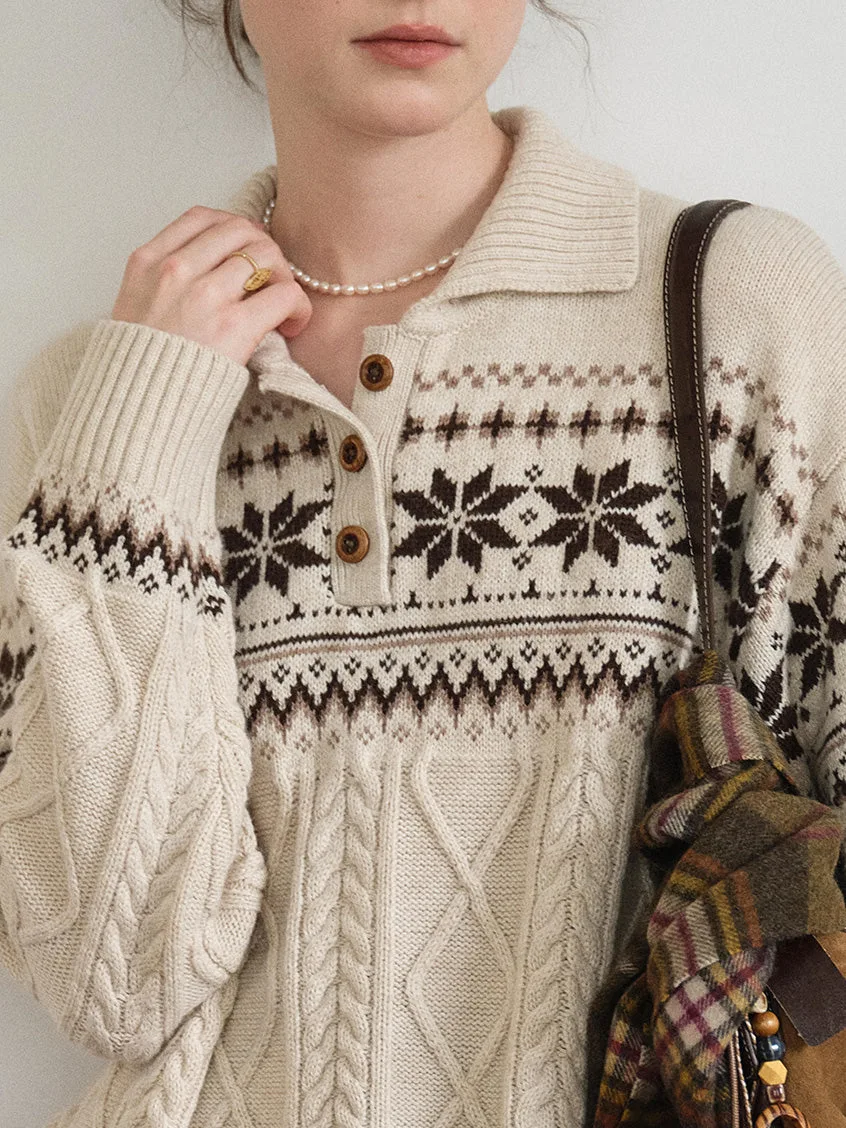
Explore the pieces behind the ideas
Browse our knitwear for full product photographs and listed specifications. Ask our team for fit and availability, or visit wholesale partnerships if you’re buying for a boutique.