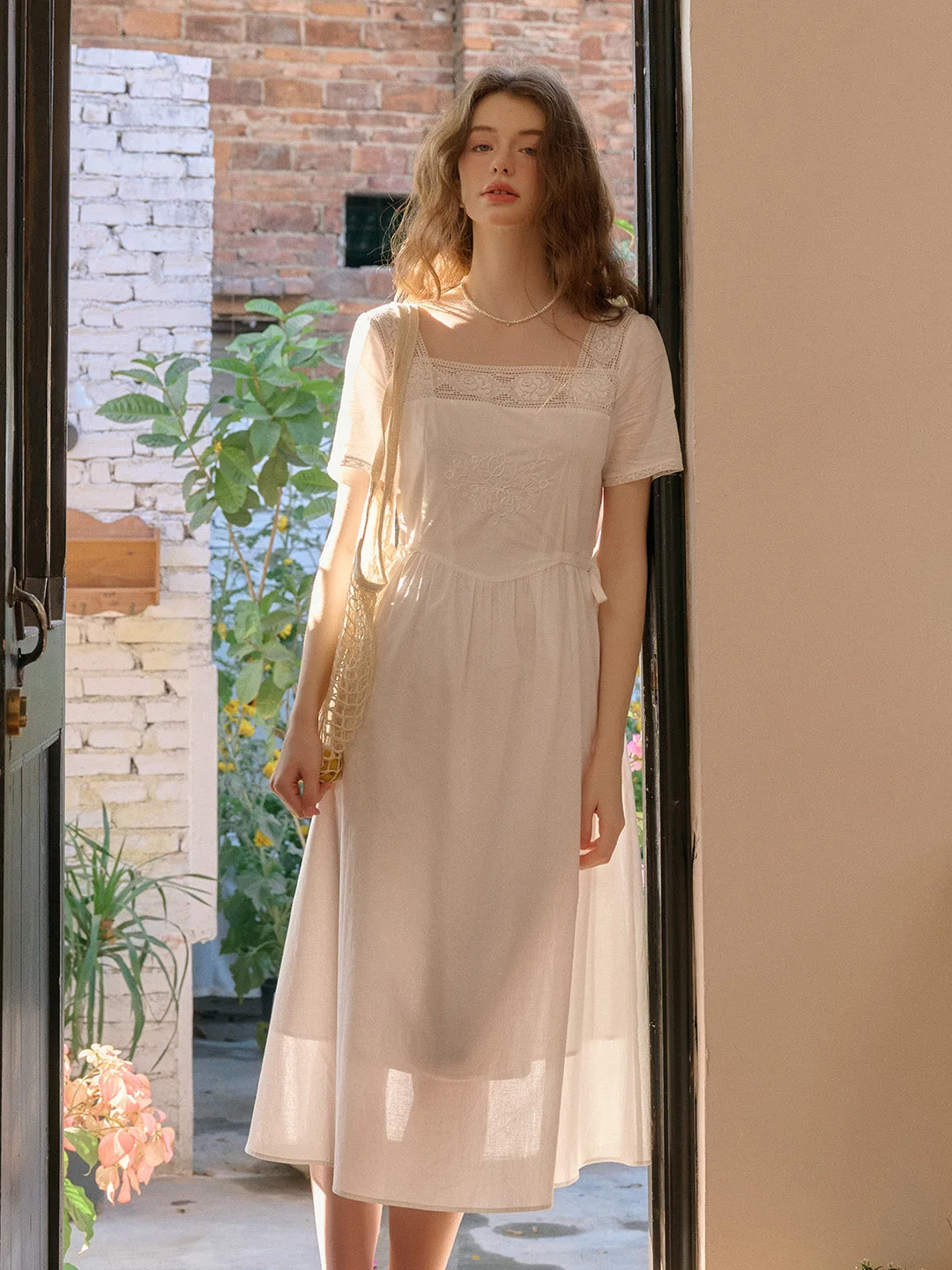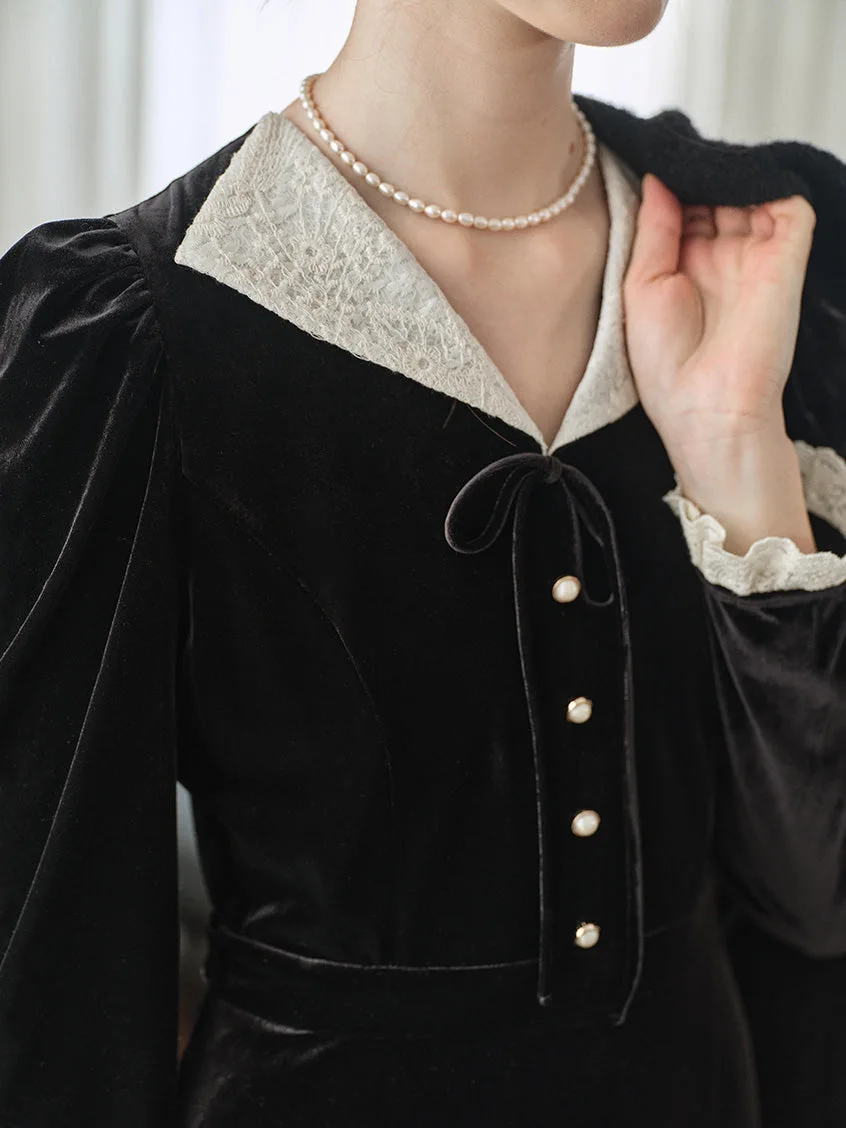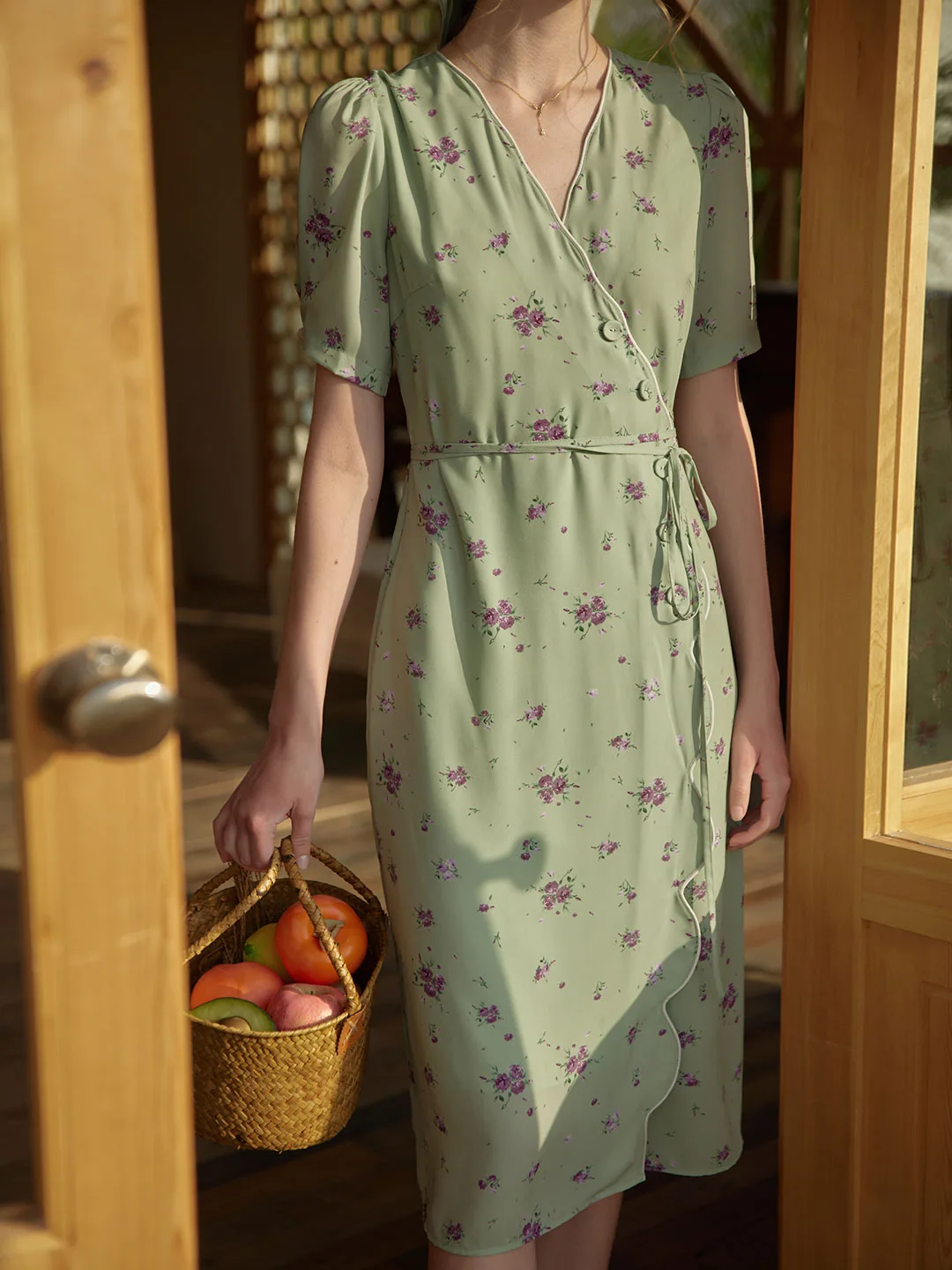
Imagine your family has pictures planned at a leafy park this fall, then another gathering several months later. You already own a floral dress you feel like yourself in, but you do not want every group picture to look like a coordinated uniform—or to buy a special outfit you will rarely wear. A little planning can help that same dress feel at home in both sets of photos, while keeping the rest of the family comfortable and recognizably themselves.
The aim is not to make everyone match or to predict exactly how pictures will look. Instead, use the dress as one useful reference point: notice its colors and print, consider the backgrounds and activities, and choose other clothes people are likely to wear again. Keep the plan flexible enough for real family life.
Start with the dress you genuinely reach for
Choose a dress you enjoy wearing on an ordinary day, not simply one that seems photogenic on a hanger. Think about whether you can sit, walk, bend to help a child, and stay comfortable for the likely length of the gathering. If the neckline, sleeves or hem tend to need adjusting, that matters more than an imagined perfect pose. A photo outfit should not turn every quiet moment into a clothing check.
Make a short note of the dress’s main color, any secondary colors, and whether its print reads as small, medium or bold from across the room. You do not need precise color names. “Muted green with red flowers” or “dark blue with a small cream pattern” is enough to guide other choices. If you are still looking, the dress collection is a place to compare possibilities; check each listing’s details and size information rather than assuming a similar look means the same fit or fabric.
Connect colors quietly instead of matching everyone
Family outfits often feel connected when a few colors recur, even if each person wears a different combination. If your dress has a red detail, another person might wear a subdued red top, while someone else chooses denim or a neutral shade that sits comfortably beside it. The connection can be subtle: one shared color is often easier to manage than dressing every person in the same head-to-toe palette.
First consider the actual clothes people already own. A child’s favorite sweater or a partner’s familiar shirt may be a better starting point than a new color scheme. Then look for overlap with your dress: a color in its print, a calm neutral, or a complementary everyday shade. This works well when the group wants a coordinated feeling without looking identical. It may work less well if a color is difficult to find in the right person’s closet or if someone dislikes wearing it; choose comfort over a forced match.
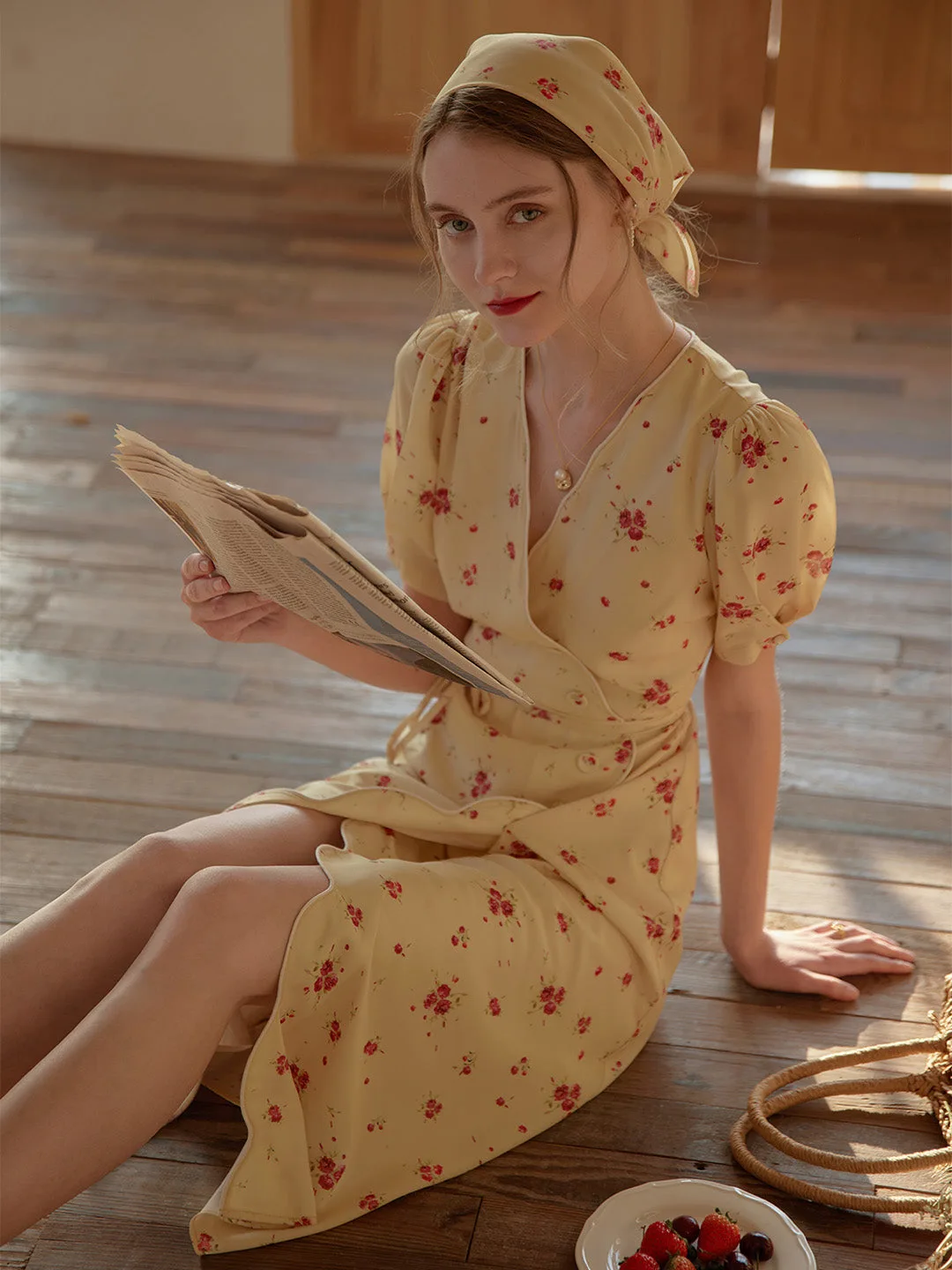
For a floral example, the Kimura Floral-Print Midi Dress is listed in red, yellow and light green, with a 100% rayon composition. Those stated colors could suggest several possible family pairings, such as one quiet green accent and otherwise simple, different shades. That is a styling idea, not a claim about how the dress will look in every setting. Review its listing and size details before deciding whether it suits your plans.
Think about pattern scale across the group
When your dress has a visible print, give the other outfits room to breathe. A solid shirt, a fine stripe, or a small, low-contrast pattern can sit alongside a floral dress without asking every garment to compete for attention. If other family members also enjoy prints, they do not have to be ruled out; try varying the scale. A larger floral beside a tiny check, for instance, creates more distinction than several similarly sized, high-contrast prints placed together.
There is no rule that a group needs one patterned outfit only. The practical question is whether the clothes feel like separate choices or one busy block when laid together. If the prints seem crowded, simplify one outfit or choose a quieter color. If the result feels too plain for your taste, keep the dress’s print as the main visual detail and add personality through individual accessories or textures rather than matching prints.
Account for the background without dressing like it
Consider where the pictures may happen: a green lawn, a pale wall, a dark-wood porch, or a busy room. Clothing that is very close in color to the surroundings can blend into them, while a little contrast can make each outfit easier to distinguish. This is a practical styling consideration, not a promise about a camera result. You do not need to avoid every color found in the location; just notice when the dress and background may be nearly the same shade.
A leafy setting does not require the whole family to wear contrasting brights. Your dress might stand apart through a lighter or deeper tone, while the other outfits use a mix of calm colors. For a pale indoor wall, a group dressed entirely in very light shades may feel less distinct to you, so a deeper accent could be worth trying. If the location is not settled, choose clothes that work across more than one plausible setting rather than building the plan around a single imagined backdrop.
Check movement, layers and repeat wear
Think beyond standing together. Will you be walking on grass, sitting on a blanket, carrying a bag, or moving between indoors and outside? Shoes should suit those activities, and any layer should work with the dress without making movement awkward. A cardigan or jacket can be useful if you already wear it comfortably, but a new layer is not necessary just because pictures are planned. Also consider whether the dress shifts, catches or needs frequent smoothing when you move; a simple alternative may be less distracting for you.
Now name two occasions after the photos when you could wear the dress again: a weekend meal, a family visit, or an ordinary day out. Picture the shoes and layer you would use for each. If you cannot think of a realistic repeat, pause before buying something only for the photo date. A special occasion can justify a special choice, but it is helpful to be honest about that trade-off. Browse all clothing with your actual calendar in mind, and use the size guide when checking a specific garment’s measurements.
Try the outfit as a small at-home exercise
Lay the dress beside the clothes your family might wear, using actual garments rather than relying on memory. Step back several paces and ask three questions: Do the colors connect without matching exactly? Is there a print or shade that draws more attention than you want? Can everyone move in these clothes without fuss? Then try on your dress and do a brief everyday check—sit, stand, reach and walk around. This is not a photography test; it is a way to spot an uncomfortable hem, a layer that bunches, or a color combination that feels unlike your family.
If you are planning for two photo occasions, make two versions of the arrangement. Keep the dress constant and change one or two supporting choices: perhaps a different layer, a different color accent, or a less formal shoe. That small change can give the second group of outfits its own character while keeping the overall plan manageable. Take a quick note of what you chose so you do not have to reconstruct it later.
Make a plan you can adjust on the day
Set aside the dress and the most useful outfit options, but do not insist that every person wear a particular item if plans change. Weather, comfort and individual preferences can all shift the choices. Keep one simple backup—such as a solid top in a compatible shade—rather than packing several competing outfits. Follow the care label on each garment when preparing it; care instructions vary, so do not assume every fabric should be washed the same way.
Before you finish, check that the dress still has a place in your regular wardrobe, the family colors feel connected rather than uniform, and the group can move comfortably. If one piece is causing stress, remove it from the plan. A familiar dress, a few thoughtful color links and room for individual preferences are enough to make a repeat feel intentional without turning family photos into a shopping project.
Explore the pieces behind the ideas
Browse our dresses for full product photographs and listed specifications. Ask our team for fit and availability, or visit wholesale partnerships if you’re buying for a boutique.