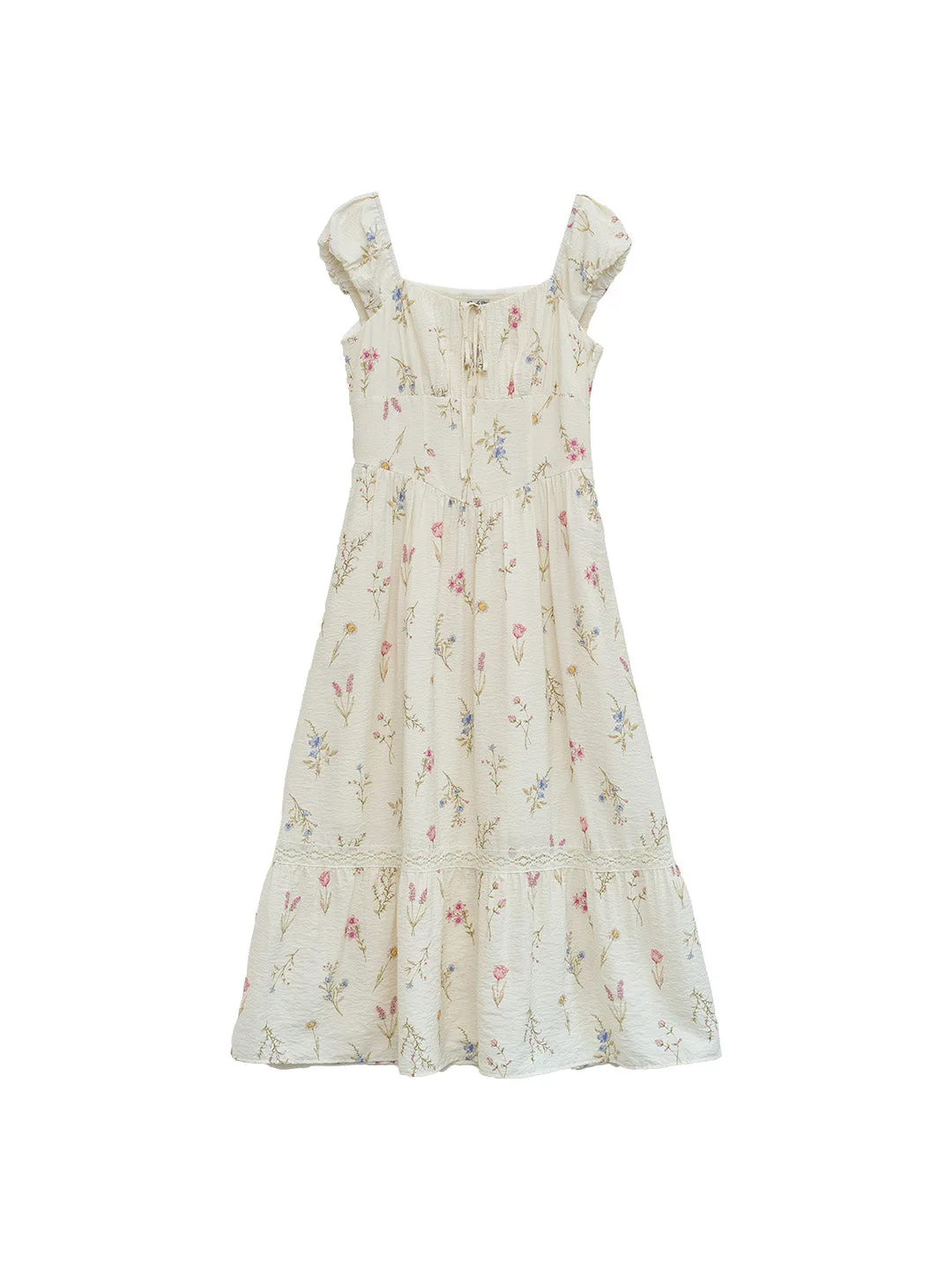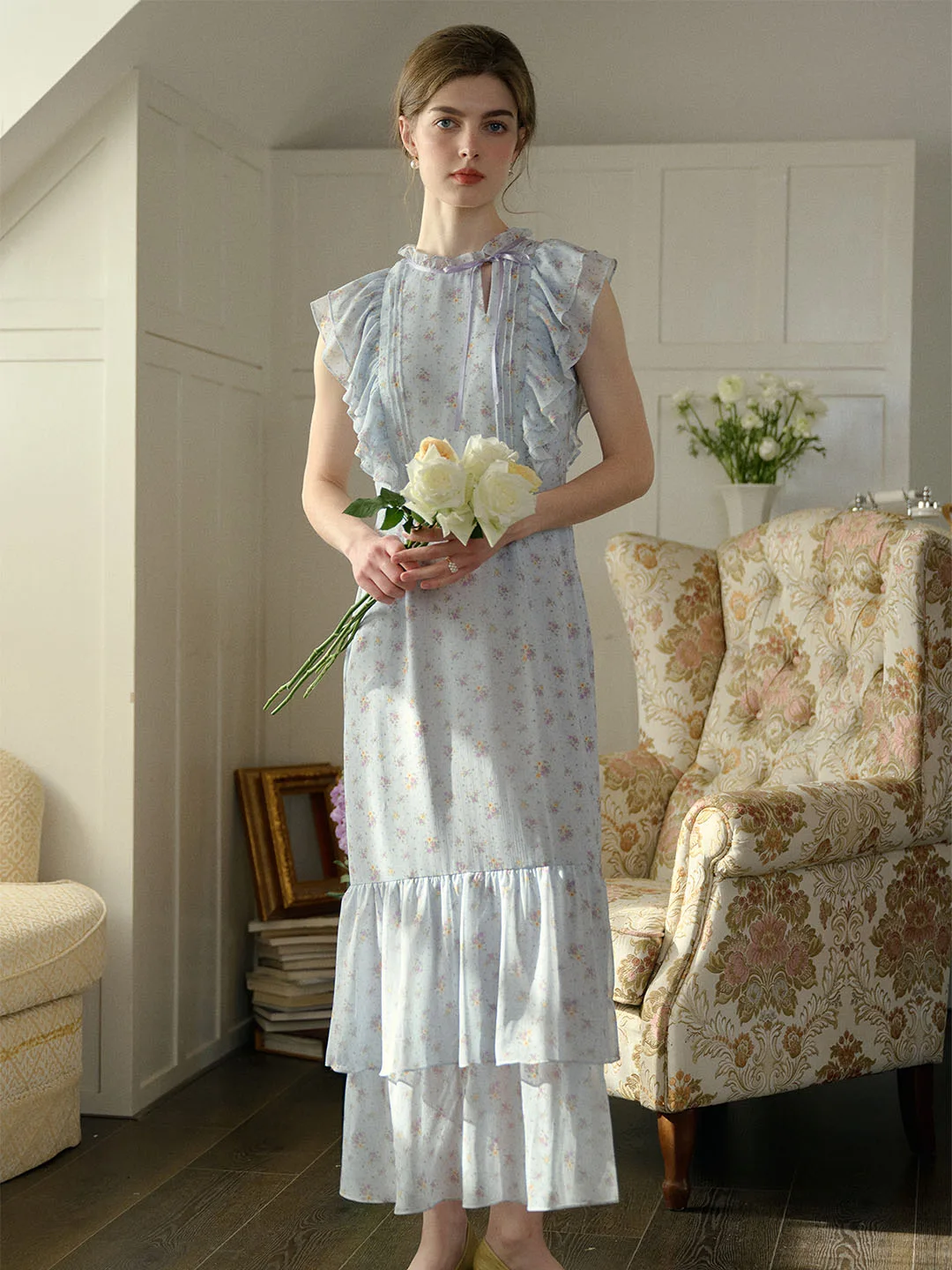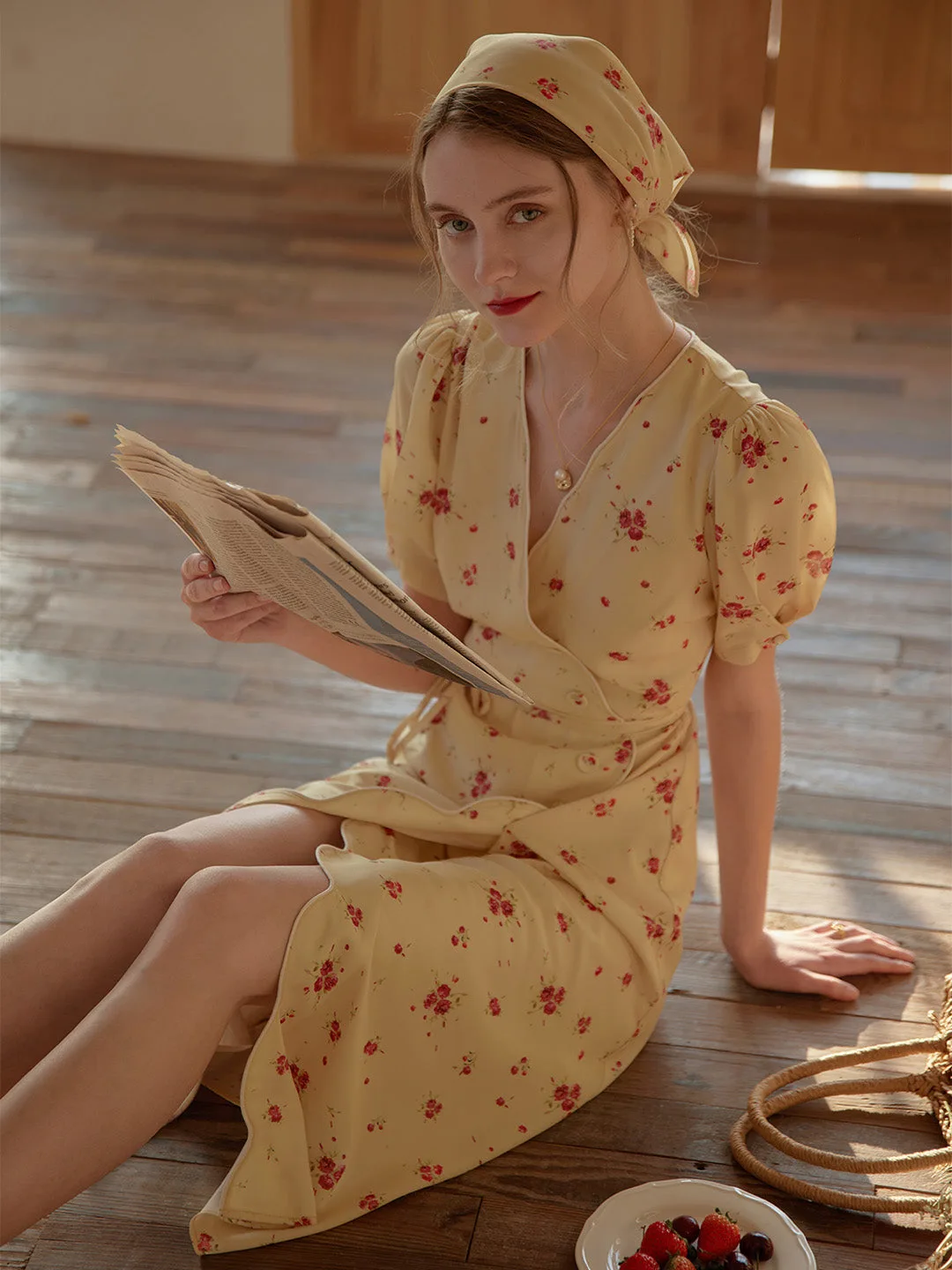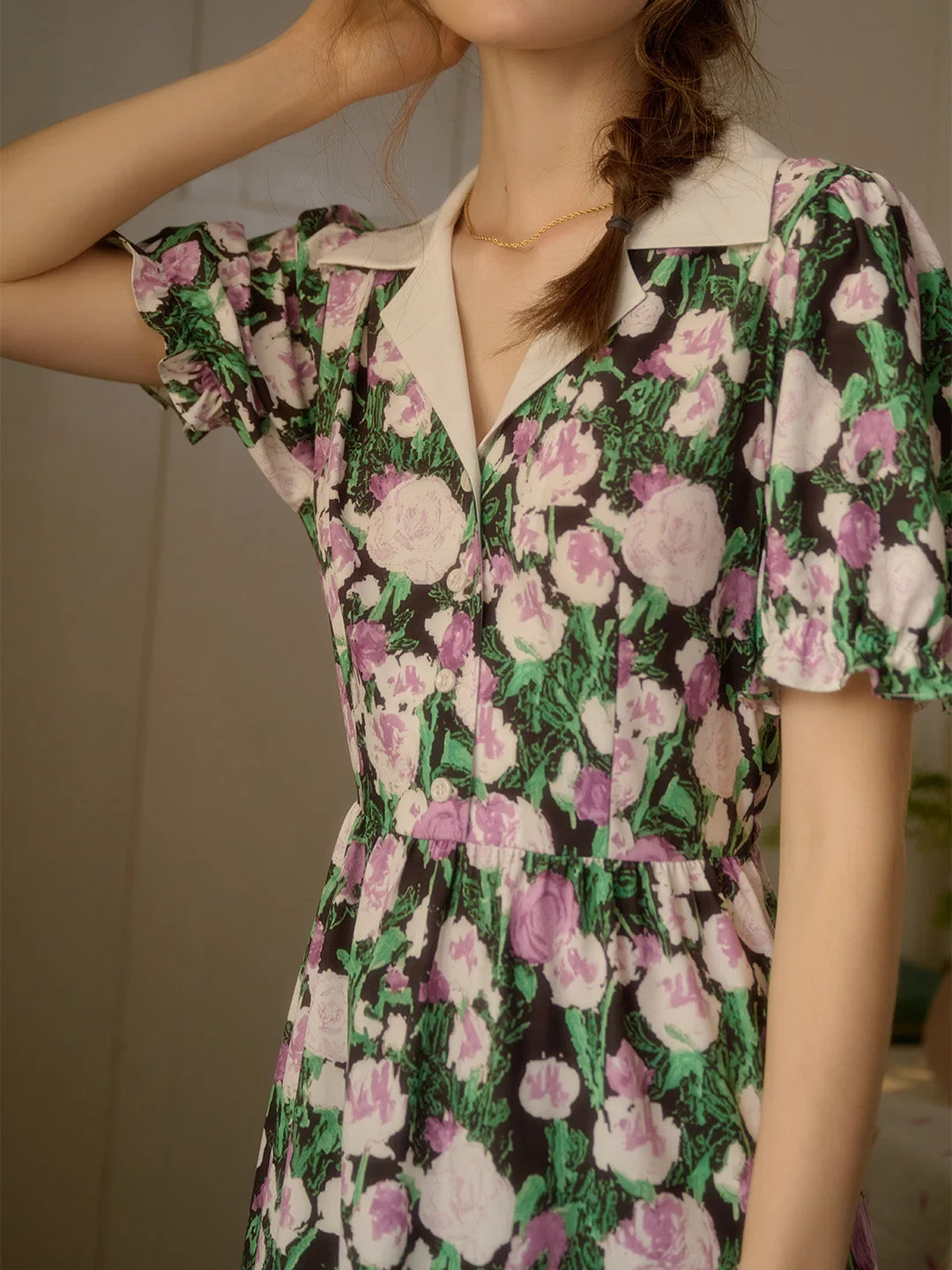
When planning a seasonal boutique clothing edit for Rustic Cottage, the goal is to offer a small, coherent selection of pieces that feel useful, characterful and easy for customers to shop. For a store that specializes in practical, vintage-inspired everyday clothing, a seasonal edit should balance signature silhouettes with a few fresh arrivals that prompt return visits. Below you'll find actionable steps, outfit pairings, merchandising trade-offs and how to handle wholesale inquiries so the edit works for both retail customers and independent buyers.
Define the season’s customer story
Start by writing a one-paragraph customer story: who are they, where will they wear the pieces, and what problem are you solving? For Rustic Cottage, a typical customer might want reliable dresses and knit layers that look lived-in but remain polished enough for errands, work-from-home video calls and coffee dates. This clarity helps you avoid bringing in pieces that are too trend-driven or too formal for everyday wardrobes.
Trade-offs: a narrowly defined story reduces variety but increases clarity for shoppers. If you try to serve both formal event shoppers and casual customers equally, you’ll dilute the visual merchandising and may increase returns or slow-moving stock.
Choose 12–20 SKU focal points
For a small seasonal edit, aim for 12–20 SKUs rather than hundreds. That number lets you show range without overwhelming presentation and keeps reorders manageable. Include three types of core items: dresses, tops, and outer layers, plus two accessories or footwear options to complete outfits.
Concrete example: select six dress SKUs (mix of shirtdresses, slip styles and structured velvet pieces), five tops (blouses, lightweight knits), three outer layers (shackets, cropped cardigans), and two accessories (leather belts, mid-heel boots). You can feature multiples of a single popular silhouette in new colours.
Prioritize silhouettes that mix and match
Vintage-inspired dressing often succeeds through repeatable combos. Pick pieces that pair with at least three other items in the edit. A square-neck pinafore pairs with blouses, a lightweight turtleneck, or a short-sleeve blouse layered underneath. This approach increases perceived outfit possibilities for customers.
Outfit example: the Kristen Elegant V-Neck Contrasting Lace Velvet Dress (available in green and red) works as a stand-alone piece with tights and boots, or layered over a crisp white blouse. Link it in your shop: Kristen - green and Kristen - red.
Select one standout seasonal fabric and two neutrals
Pick one seasonal fabric to be the hero — for cooler months it might be velvet or wool blends — and pair it with neutral cottons and linens for layering pieces. This gives the edit visual cohesion while still answering practical needs. Velvet dresses with lace collars create a clear seasonal mood; carry them in two complementary colourways to test demand.
Concrete product example: include the Melania Pearl-Button Contrast-Lace Collar Velvet Dress and Azucena Lace-Collar Gold-Button Velvet Dress as hero items to anchor displays: Melania and Azucena. Use cotton poplin blouses and mid-weight knits to layer under or over these dresses.
Build outfits with clear styling directions
Every product should have at least one photographed outfit suggestion and one in-store styling vignette. Customers who prefer vintage-inspired daily wear respond well to concrete looks: what shoes, what hosiery, what outerwear, and which accessories complete the outfit.
Example outfit cards: for the Melania dress suggest a cropped cardigan, opaque tights, a simple leather ankle boot and a slim belt. For a more casual route, show it with a denim jacket and lace-trim socks peeking above brogues. Print small outfit tags to pin to racks or place next to garments.
Plan stock levels and simple reorders
Because the edit is intentionally small, plan reorders in increments that keep sell-through fast but don't create excess. Start with a modest initial buy in core sizes and colours, and keep reorders flexible. Track which colourways and sizes sell through in the first two weeks after launch and communicate that data in follow-up orders.
Trade-offs: lean initial buys reduce markdown risk but can cause temporary stockouts on a best-selling item. To mitigate lost sales, keep a backorder process visible in-store and online: website orders should be treated as email requests with availability, shipping and payment terms confirmed in writing rather than an instant paid checkout. For wholesale buyers, direct them to Wholesale to request pricing and minimums; wholesale prices and lead times are supplied on inquiry.
Display for discovery, not just for fashion photos
In a small shop, each fixture must sell. Arrange displays so that outfits are completed on mannequins and table stacks show head-to-toe looks. Use one focal mannequin with a velvet dress and two nearby racks holding the blouses and cardigans that pair with it. Make sure mirrors are accessible and seating nearby so customers can try on shoes or adjust layers.
Trade-offs: elaborate photo-style displays look great online but can slow in-store conversions if pieces are inaccessible. Keep a few “photo” outfits but ensure plenty of stock is easily reachable for try-ons.
Pricing strategy and markdown plan
Set initial prices with a target margin but plan a simple markdown pathway: one small markdown after four weeks, and a final clearance for end-of-season. Price anchors help—display a higher-priced outfit combination alongside the single pieces so shoppers understand how components build a full look.
Example: price the Azucena lace-collar velvet dress as your premium hero piece and list coordinating blouses at accessible price points so customers can purchase the dress and at least one lower-cost top to complete the look. Be explicit in pricing tags about bundle savings (for example, "Buy dress + blouse, save 10%"), and make sure returns and exchange policies are clear on receipts and online contact points.
Care instructions, tagging and customer education
When describing garment care on swing tags or product pages, avoid one-size-fits-all washing advice. Always instruct customers to check the sewn care label first; then provide suggested care steps learned from the supplier's label and your own handling notes. For delicate finishes like lace-trim velvet, recommend professional cleaning as an option and offer simple at-home measures like spot-cleaning guidance.
Inside the store, offer a short printed card about general fabric care categories (e.g., linens, cottons, knits, delicate finishes) that suggests how to treat each category while reminding customers to check the sewn label. This reduces post-purchase confusion and potential returns.
Simplify online and wholesale communications
For customers browsing online, keep product pages clear and honest. If the item is available, invite shoppers to request a purchase via email with availability, shipping cost and payment terms confirmed in writing. Make that process seamless by linking to your contact page and providing an easy email subject template on the product page.
If you work with independent boutique buyers, include a clear wholesale pathway: direct them to wholesale partnerships to request pricing, minimums and lead times. Do not publish wholesale minimums or exact pricing in the seasonal edit materials; supply them on a case-by-case inquiry so you can tailor offerings to the buyer’s needs.
Measure success and iterate
Decide on three core metrics before the season launch: sell-through rate for hero items, units per transaction, and average basket value. Check these weekly during the first month. If sell-through on a hero velvet dress is slower than expected while blouses are moving quickly, consider bundling or creating a limited-time cross-sell discount to shift inventory balance.
Concrete iteration: if the Melania Pearl-Button Contrast-Lace Collar Velvet Dress sells best in one colour and not the other, reorder the popular colour and reduce production or purchasing of the slow colour for the next small season run. Keep the edit size consistent and swap only two or three SKUs between seasons so customers always see both continuity and novelty.
Conclusion: small edit, strong identity
A small seasonal boutique clothing edit for Rustic Cottage should feel purposeful and easy to shop. Choose a clear customer story, limit SKUs to 12–20 focal pieces, prioritize mix-and-match silhouettes, and anchor the season with one standout fabric plus neutral layering pieces. Display complete outfits, provide realistic care guidance, and keep online/wholesale communications straightforward—website orders handled via email confirmation, and wholesale details shared on inquiry. With this approach you preserve the vintage-inspired, practical spirit your customers seek while keeping operations manageable and responsive to what actually sells.
Related collections and items: explore dresses at dress collection, browse the broader range at clothing collection, and view the velvet hero pieces: Melania, Azucena, and the Kristen dresses in red. For wholesale interest, please visit wholesale partnerships or contact us via contact our team.
Explore the pieces behind the ideas
Browse our dresses for full product photographs and listed specifications. Ask our team for fit and availability, or visit wholesale partnerships if you’re buying for a boutique.