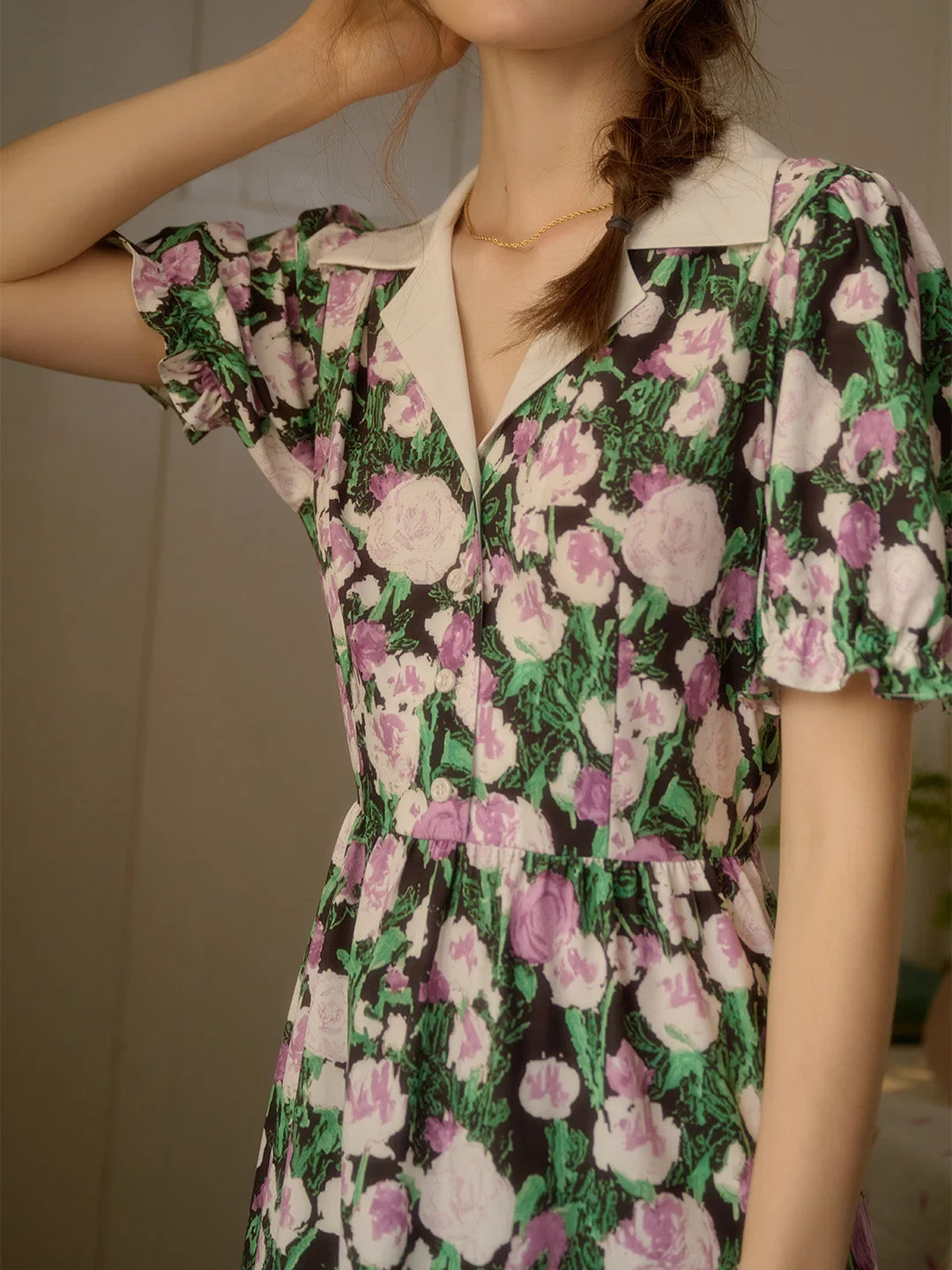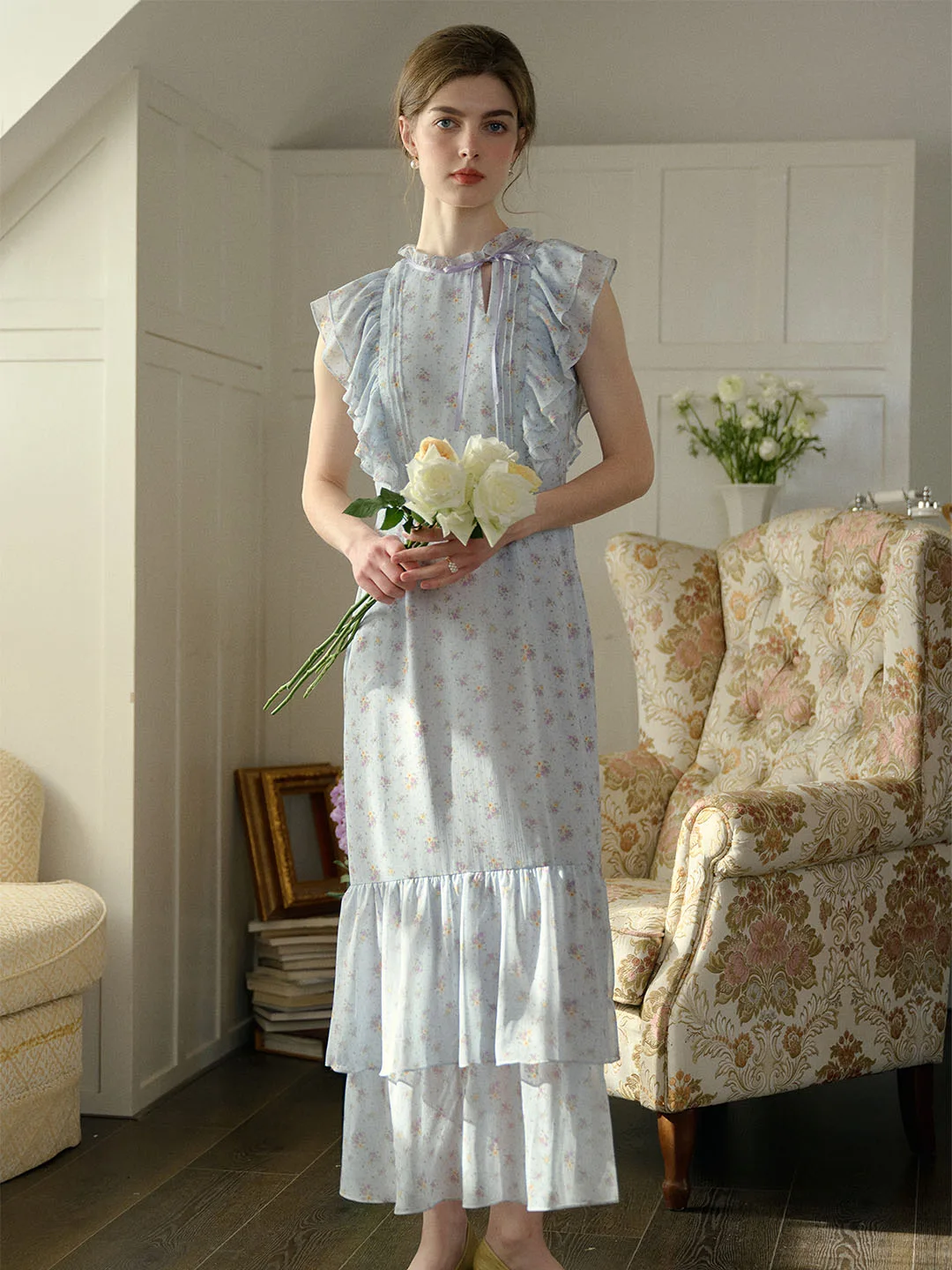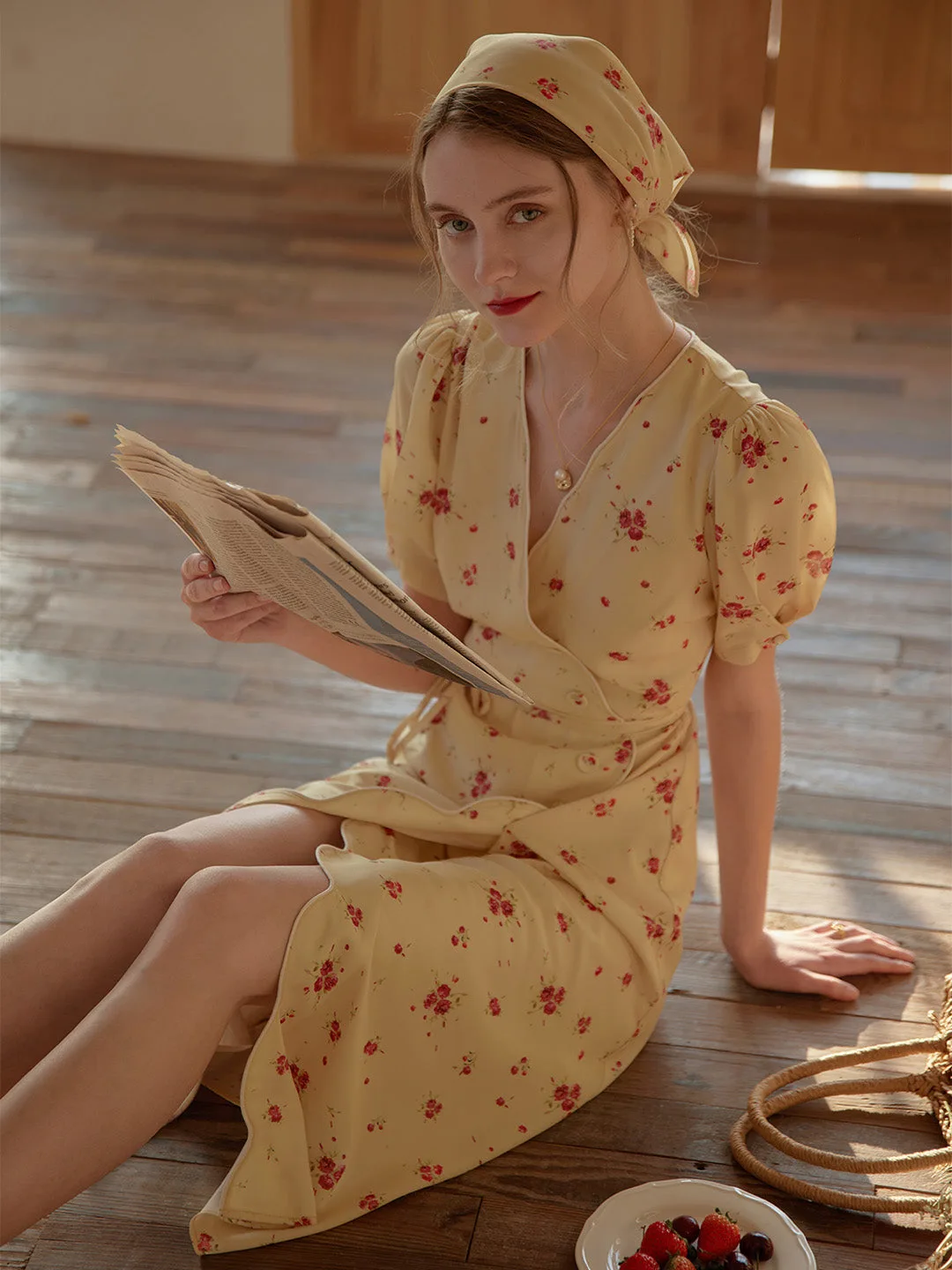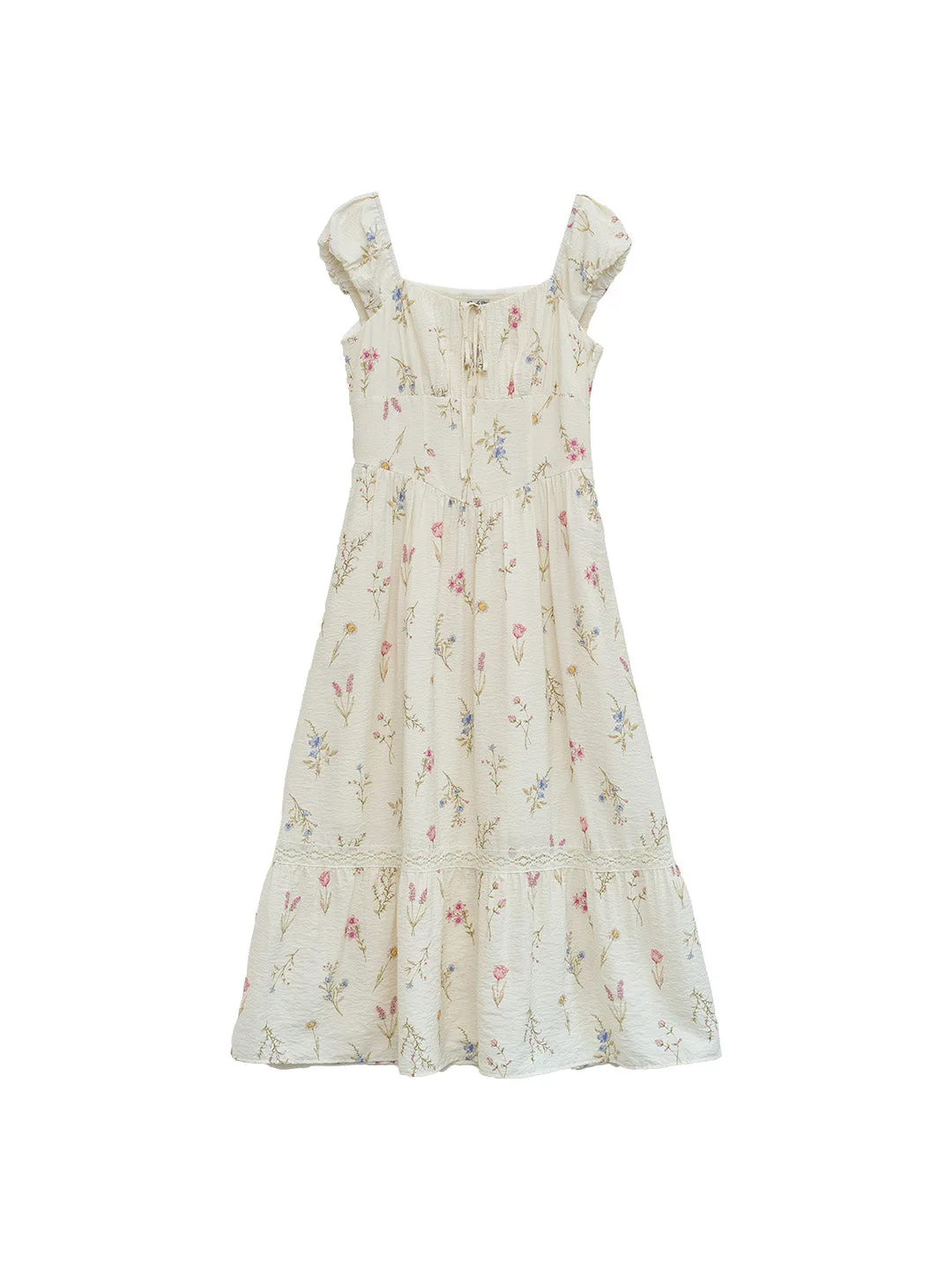
Imagine a small boutique receives a shipment with three floral dresses and no coordinating separates. The owner has a familiar choice: present every dress as a standalone new arrival, or help shoppers picture where each might fit into an ordinary week. The second approach can be more useful, provided the outfit suggestions stay grounded in what is actually on hand—and what is not.
This hypothetical case study uses three catalog examples to show a simple process. It does not represent a Rustic Cottage shipment or confirm current availability. Treat the product links as references, check live listings before sharing them, and build outfit stories around a shopper’s real options rather than a promise that a complete look is in stock.
Start with a delivery list, not a sales story
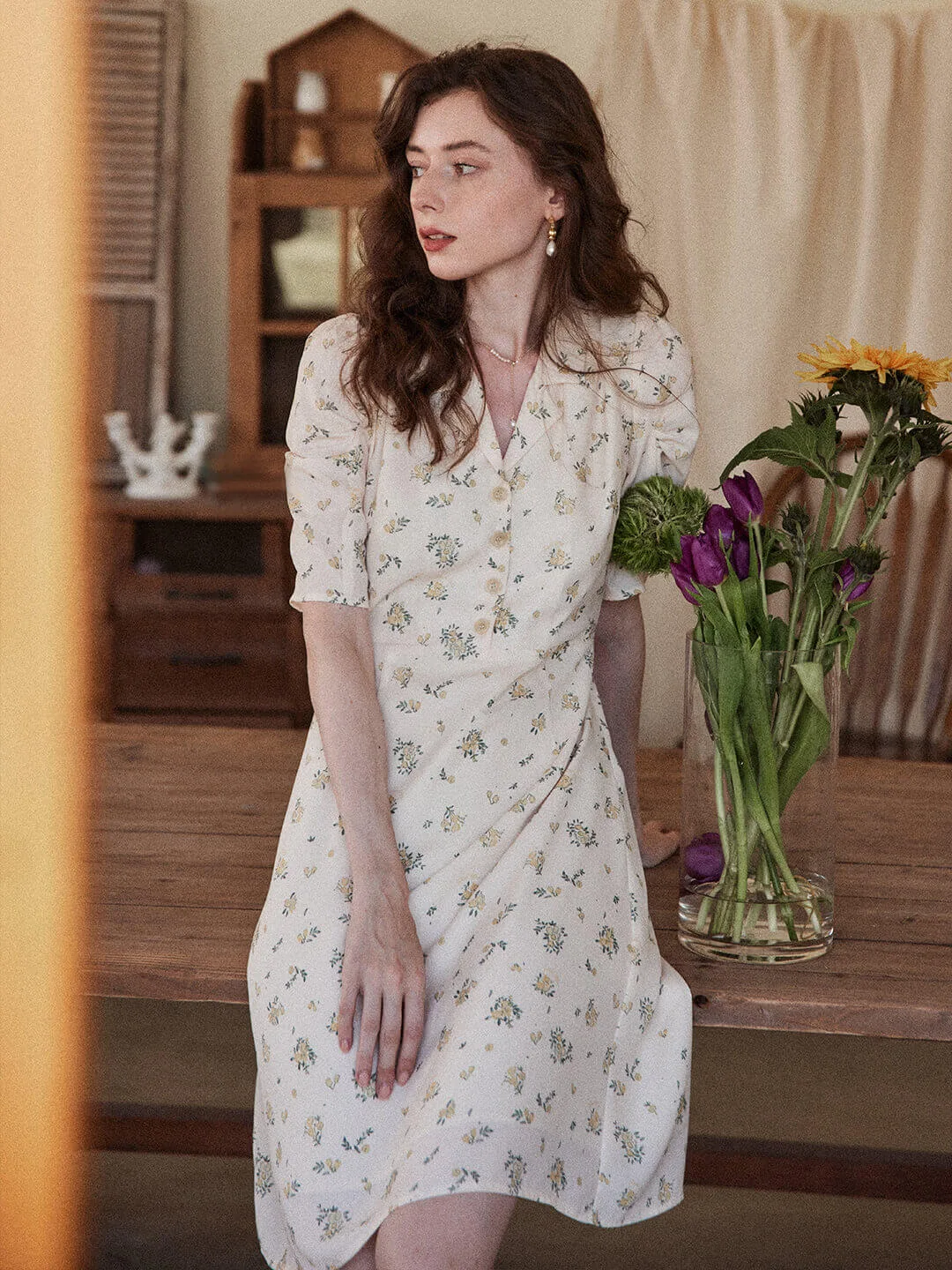
Before writing display cards or posts, make a plain list of the pieces received, their available colors and sizes, and any confirmed restock information. Separate verified facts from styling ideas. For instance, the Fannie Printed Floral Tea Dress is described as available in yellow, apricot, and green, with a V-neck, suit collar, lace-up detail, lining, and 100% polyester composition. Those are product details, not proof that every color or size is currently available.
Use a separate column for unknowns. If the delivery count or size breakdown has not been checked, do not fill the gap with language such as “plenty to go around.” A quick count before publishing helps keep outfit storytelling inviting without making shoppers guess about stock.
Give each piece a distinct use case
Sort the dresses by the situations a shopper might be dressing for, rather than assigning each one a grand label. The Fannie dress could be presented as one option to consider for a daytime plan; its V-neck and collar give shoppers details to assess for themselves. The Victoria Sweetheart Neck Floral Dress is described as white with a floral detail and a composition of 86% viscose and 14% polyamide. A boutique might frame it as a dress to compare for a lighter-feeling outfit, without claiming how it feels on the body.
Use-case language is most helpful when it leaves room for individual preference: “Consider this for a lunch date” is a suggestion, not a dress code. Avoid implying that a particular print or neckline suits everyone, or that a piece works for a setting without knowing the shopper’s needs.
Build outfit stories with honest pairings
If the shipment contains dresses but no shoes, bags, or layers, show a dress as the anchor and suggest a type of item the shopper may already own. For example: “Try the Fannie with your own neutral flats, if you have a pair.” That is more transparent than photographing it with a boutique accessory and leaving viewers to assume the accessory is included.
For a second story, the purple, sleeveless, mid-length Jacqueline Floral Print Off-The-Shoulder Contrast Bow Slip Dress could be paired in copy with a shopper’s own light layer, if that combination suits her preferences. Its description specifies non-stretch 100% polyester fabric and a lining. Do not claim that an imagined cardigan is available, or that the dress will fit over or under a particular garment without checking sizing and construction.
Make stock information part of the story
An outfit suggestion answers “What might I wear with this?” Stock notes answer the equally practical “Can I still order it?” Keep those details separate and current. If a color or size is confirmed unavailable, say so plainly and update related outfit content rather than leaving an outdated complete-look impression. If availability has not been confirmed, direct shoppers to check the product listing or ask before making a decision.
For online orders, explain the actual process clearly: purchases are email order requests rather than instant paid checkout. A useful note can point shoppers to the contact page for questions, without implying a guaranteed hold, delivery date, or immediate confirmation. This may add a step, but it lets the shopper understand what happens next before sending an inquiry.
Use a fitting-and-pairing check before publishing
Try this five-minute desk exercise with each proposed outfit story. Write down the garment, the suggested companion, and who supplies that companion: boutique, shopper, or unknown. Then ask what a shopper needs to verify—perhaps size availability, the fit description, or whether a layer is sold separately. Remove any statement you cannot support from the listing or a current stock check.
Next, read the outfit aloud as if you were deciding whether to order. Does it clearly identify the dress? Does it make the suggested shoes or layer sound included? Would you know where to check the item’s details? For fit questions, link to the size guide where appropriate, but do not turn general measurements into a fit guarantee. If the product information leaves an important question unanswered, say that rather than guessing.
Choose a useful presentation, not a popularity claim
A small assortment does not need invented rankings to feel organized. Arrange the pieces by practical prompt—daytime plan, neckline preference, or whether the shopper wants sleeves—then describe the available choices. The Jacqueline is described as sleeveless, while the Victoria listing identifies a sweetheart neckline. These facts help someone narrow a browse; they do not establish that either dress is a best seller or the right choice for a particular body or event.
Keep display language proportional to what you know. “Three floral dress options in this edit” is suitable only if three options are currently included. “Customer favorite” or “selling fast” requires reliable supporting data and a timely stock check. When that information is not available, let specific product details and clear outfit suggestions do the work.
Finish with a publish-and-check routine
Before a display, email, or social post goes live, compare every linked item with the current listing and the stock record. Confirm that any color named is actually orderable, that suggested companions are labeled as styling ideas, and that product details match their descriptions. If the assortment changes, revise the outfit story or mark it as an example rather than leaving it to imply that every component remains available.
For a small boutique, the practical goal is not to make three dresses sound like a complete wardrobe. It is to make the choices easier to understand: what each item is, one plausible way to wear it, what a shopper would need to supply herself, and how to check availability. That modest promise gives shoppers a clearer next step—and gives the boutique a repeatable way to merchandise the next small delivery without claiming more than it knows.
Explore the pieces behind the ideas
Browse our dresses for full product photographs and listed specifications. Ask our team for fit and availability, or visit wholesale partnerships if you’re buying for a boutique.