Simple outfits—white tee and jeans, a slip dress, a linen shirt with trousers—are the backbone of many wardrobes because they’re reliable and easy. But a completely flat, single-surface look can feel unfinished. Introducing texture into a simple outfit doesn’t require extra fuss: it’s about selecting pieces with tactile interest, balancing surfaces, and making small, intentional choices that read as lived-in and thoughtfully composed. Below are practical ways to weave texture into everyday looks, with concrete outfit examples and the trade-offs to consider when styling or buying for a boutique.
Start with one textured anchor piece
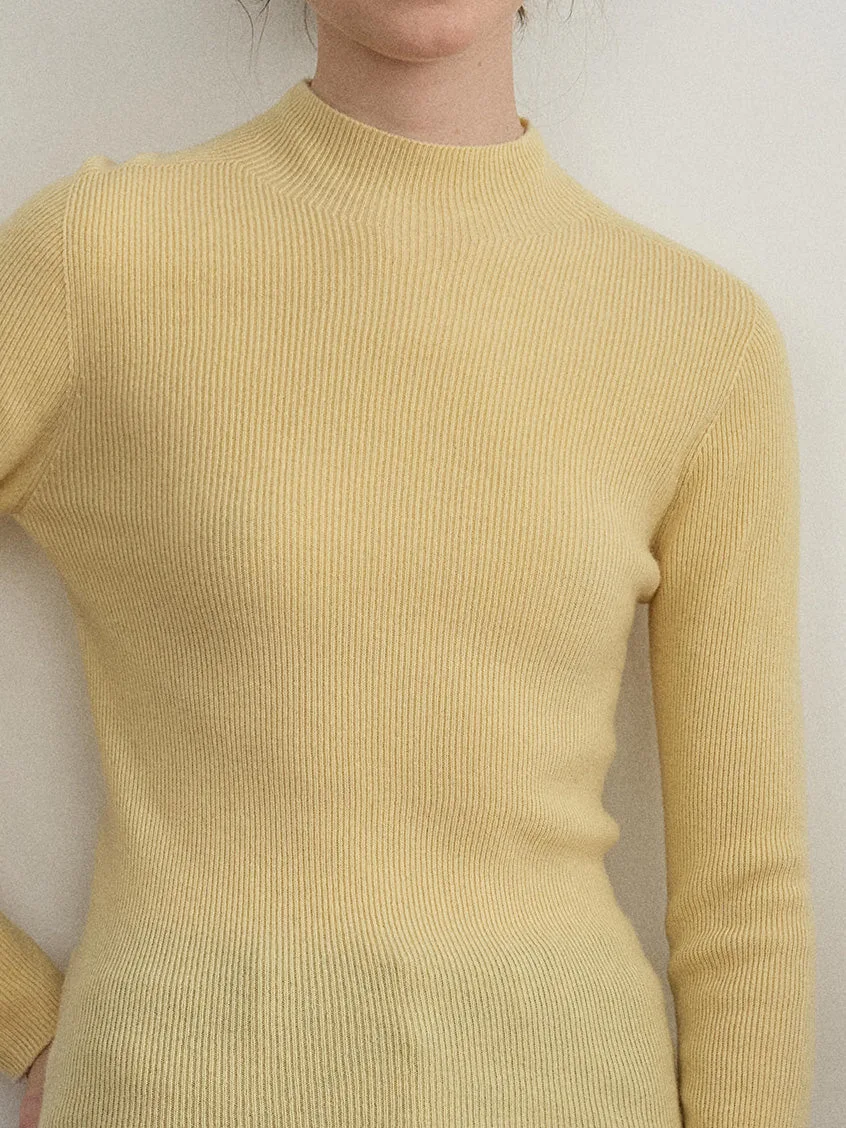
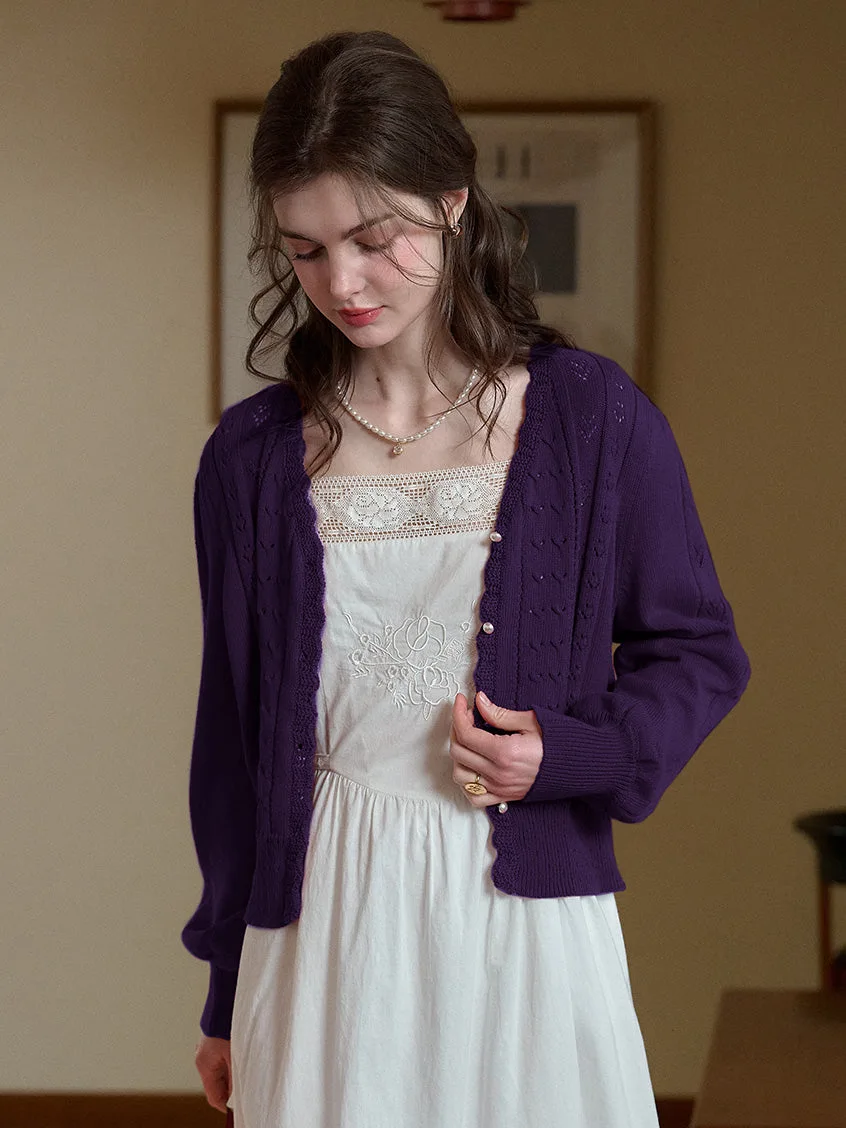
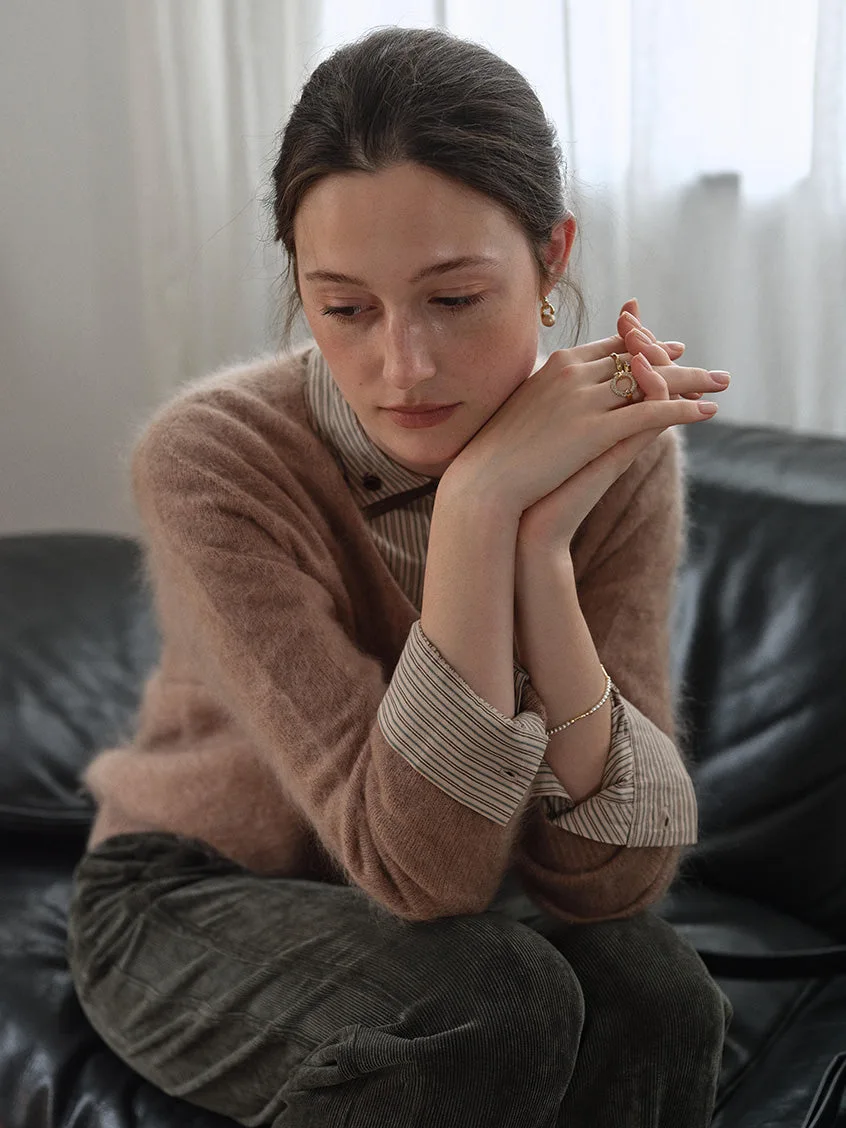
Choose a single textured item to be the visual focus of the outfit. A chunky knit, a boucle jacket, or a suede skirt will immediately add depth without clutter. For a casual weekend look, pair a simple cotton tee with the Sabra Ribbed Wool-Cashmere Sweater and straight-leg denim. The sweater’s ribbed surface creates shadow and interest against the smooth tee and jean. For a slightly dressier vintage-inflected outfit, wear a drapey slip dress under an open fuzzy cardigan like the Aumick Lambswool Fuzzy Round Neck Cardigan. Trade-off: one textured anchor keeps the outfit coherent, but relying on a single piece can make the rest of the look feel utilitarian—so choose accessories or footwear with subtle interest if you want a fuller effect.
Mix fine and chunky knits for contrast
Combining a fine knit with a chunkier one layers texture without overwhelming the silhouette. Try a lightweight ribbed cotton tee under a thicker wool sweater—with the tee’s collar and hem peeking out—or pair a lightweight turtleneck beneath the Sabra Ribbed Wool-Cashmere Sweater. For summer-weight texture, a slub-knit tee under a linen vest gives a quiet contrast. Trade-off: different knit weights affect drape and bulk; thinner knits sit smoothly against the body while chunky knits add volume. If your frame or the fit of your trousers is slim, keep the bulk to the torso rather than stacking thick knits over a fitted bottom to avoid distorting proportions.
Use tactile fabrics in small doses
You don’t need many textured pieces to make a statement. Small touches—an embroidered collar, a corduroy belt, or a suede clutch—can make an outfit feel purposeful. For example, a simple button-front dress with plain leather flats can be transformed by swapping the belt for a narrow corduroy or braided leather version. In a boutique stocking model, offer small accessories in multiple textures to allow customers to tweak looks without committing to heavy outerwear. Trade-off: small textured accents are easy to wear and low-risk, but they can disappear against busy patterns or dark colorways. Choose scales and contrast thoughtfully.
Pair matte with shine to emphasize surface
Texture is also about how fabrics reflect light. Combine matte linens, wool or suede with glossy silk, patent leather or polished metal to make surfaces read more distinctly. A linen skirt with a silk camisole will feel richer than linen alone; add a leather loafer with a slight sheen for a neat finish. For wholesale buyers, consider ordering small runs of mixed finishes—matte denim alongside coated denim, or slub cotton tees with silk-blend scarves—to encourage cross-selling. Trade-off: shiny elements draw the eye and can make an outfit feel dressier; use them sparingly if you want to keep the look everyday and understated.
Layer lengths and edges for tactile rhythm
Texture can be suggested through silhouette and layering, not just fabric. Mixing hems—crop over long dress, tunic over culottes, an oversized cardigan over a fitted skirt—creates a visual rhythm that mimics texture. Example: a lightweight ribbed tank tucked into a midi skirt with a raw-edge hem, topped with a boxy boucle jacket. The alternating edges give tactile cues even if the fabrics themselves are smooth. Trade-off: complex layering can add warmth and visual interest but may complicate dressing for variable climates; offer tips for removing layers or choosing breathable underlayers when selling to customers in warmer regions.
Introduce textured prints and embroideries
Print can read like texture—crepe surfaces with slub yarns, jacquard weaves, or raised embroidery add complexity without bulk. A simple A-line dress in a small-scale broderie anglaise reads textured up close and light from afar. For merchandising, mix a plain blouse with a jacquard skirt in the same color family for a subdued textured look that’s easy for customers to adapt. Trade-off: printed textures can date faster than neutral weaves, and intricate embroidery requires delicate care—always advise checking the sewn care label for washing and repair instructions rather than giving universal laundering rules.
Use footwear and bags as texture anchors
Accessories often carry more wear and can be practical places to introduce texture. A suede ankle boot, a hammered-leather tote, or a woven straw bag can completely change the feel of a simple outfit. For a downtown-meets-country vibe, pair a cotton poplin shirt and cropped trousers with a pair of weathered leather boots and a woven leather belt. For boutiques, keep an accessory rotation that includes several textures in neutral colors—customers looking for texture simple outfits will often experiment with a touch rather than a full wardrobe overhaul. Trade-off: accessories add texture but also wear differently; leather and suede can show scuffs, and woven materials collect dust or loose threads, so supply clear care guidance and repair options via customer service.
Mind scale and proportion of texture
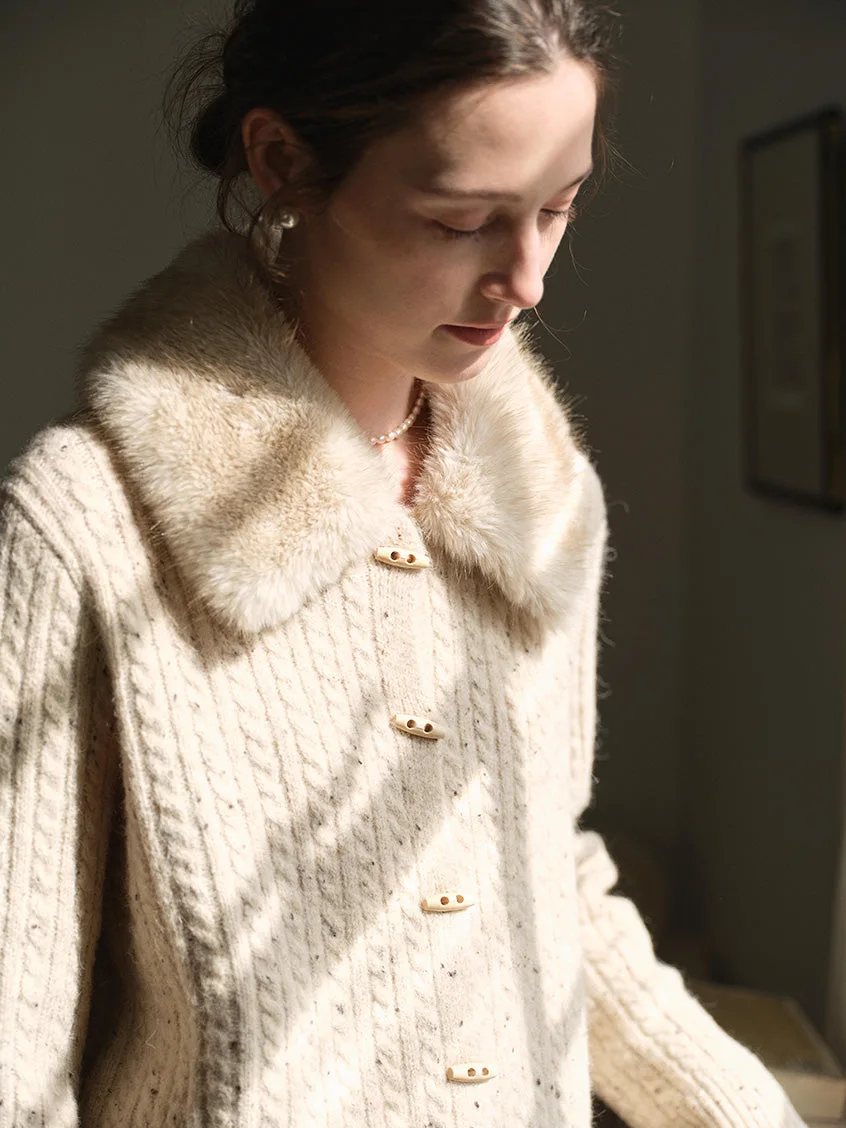
Scale matters. Large-scale textures like big cable knits or oversized boucle can overpower petite frames or small silhouettes; conversely, very fine textures can disappear on larger shapes. For styling a retail display, group texture by scale so shoppers can see proportion: delicate lace tops beside finely ribbed tees, heavier textured coats with wide-leg pants. Outfit example: a midi skirt in fine pleated chiffon paired with a cropped, bulky tweed jacket balances weight across the body. Trade-off: stocking multiple scales increases SKU complexity for boutiques, but it increases fit and wearability across your customer base. Wholesale buyers should inquire about available sizes and how textures behave at different measurements before placing orders.
Practical care and selling notes
Texture is often tied to fabric constructions that need careful handling. For customer-facing advice, always direct people to check the sewn care label first for washing and drying instructions. Recommend spot-cleaning for delicate embroideries, cool-water hand washes for loose knits when the label permits, and professional cleaning for some wool or suede items. On the wholesale side, make clear that website orders are initiated by email inquiries and that availability, shipping, and payment terms are confirmed in writing—don’t present instant checkout as the default. Provide size reference resources like a size guide and invite buyers to view knitwear options on your knitwear page at knitwear collection. Keep wholesale details and pricing private until customers contact your team through contact our team or the wholesale partnerships inquiry form.
Putting it together: three concrete outfit ideas
- Morning errands: A white ribbed tee tucked into straight-leg denim, layered with the Sabra Ribbed Wool-Cashmere Sweater in bright color for contrast, suede ankle boots, and a woven leather crossbody. Texture comes from the ribbing, the suede, and the woven bag—each is distinct but modest in scale.
- Office-friendly vintage touch: A silk blouse under a cropped boucle jacket, tailored wool trousers, and polished loafers. Add a slim corduroy belt to bring in a subtle tactile note. The trade-off is that boucle needs careful handling and can fuzz; include care notes when selling.
- Weekend dress-up: A slip dress with a fuzzy lambswool cardigan (see the Aumick Lambswool Fuzzy Round Neck Cardigan) and a patent leather mule. The mix of soft fuzz, smooth silk-like slip, and shiny leather creates a layered texture story that feels vintage-inspired and wearable.
Texture doesn’t require complexity—choose one or two tactile elements, think about scale and surface reflection, and let small accessories pull the look together. Whether you’re dressing yourself each morning or selecting lines for a boutique, being deliberate about texture adds personality to straightforward outfits without sacrificing practicality. For product options and to explore knitwear textures, visit /collections/ and our knitwear selection at /collections/knitwear/. To place a wholesale inquiry, contact us through /wholesale/ or get in touch via /contact/ to confirm availability, shipping, and payment terms in writing.
Explore the pieces behind the ideas
Browse our knitwear for full product photographs and listed specifications. Ask our team for fit and availability, or visit wholesale partnerships if you’re buying for a boutique.