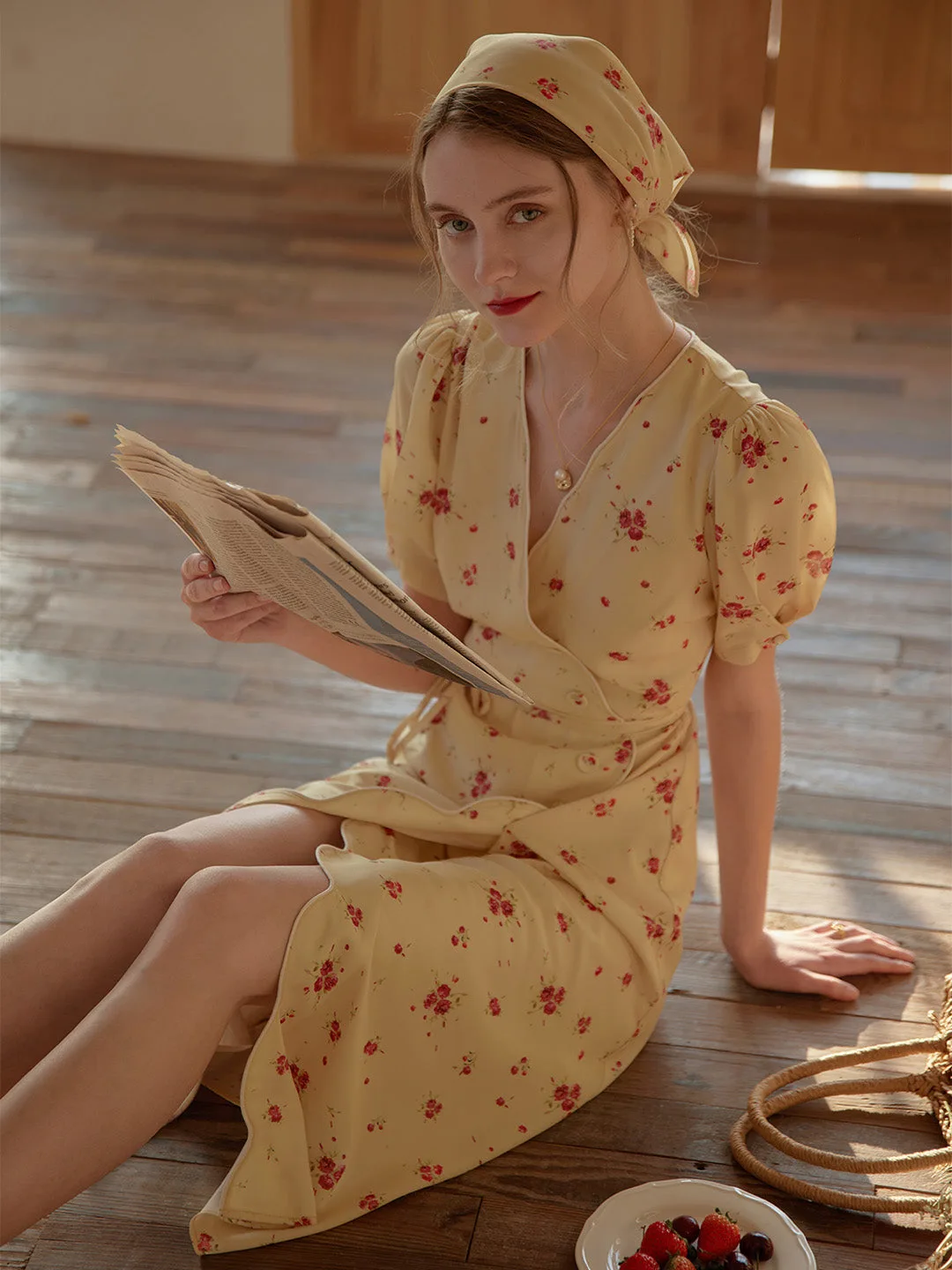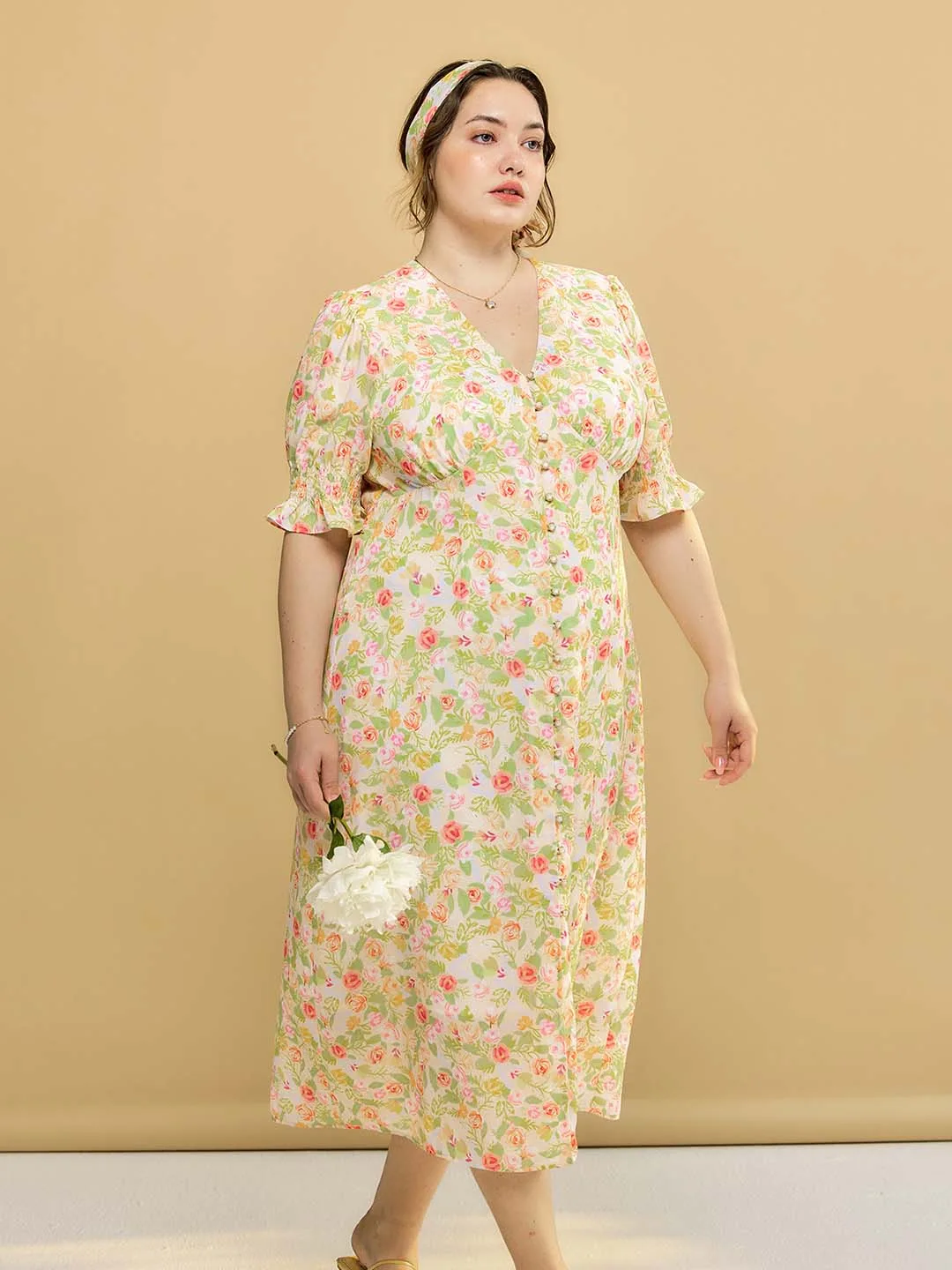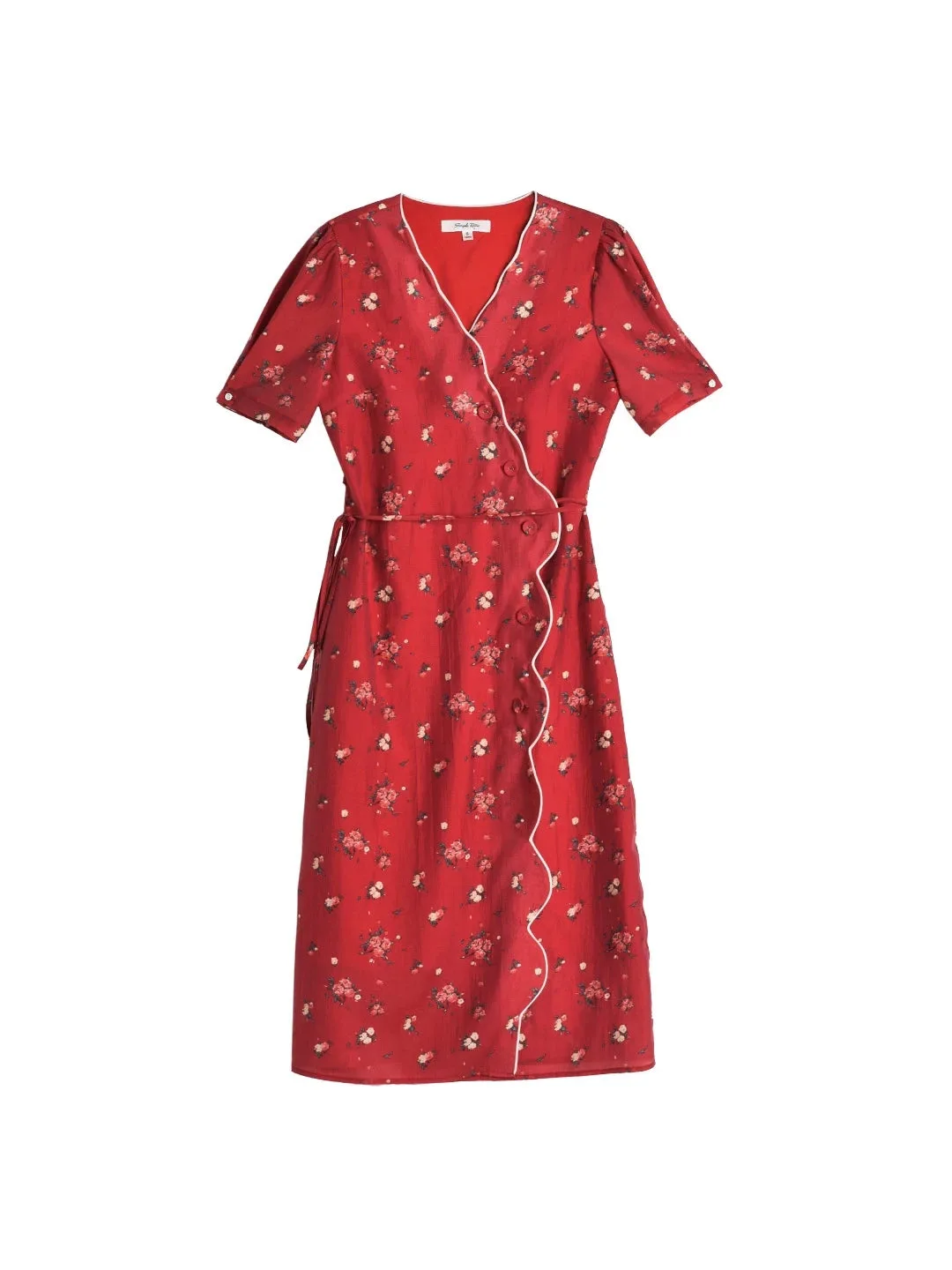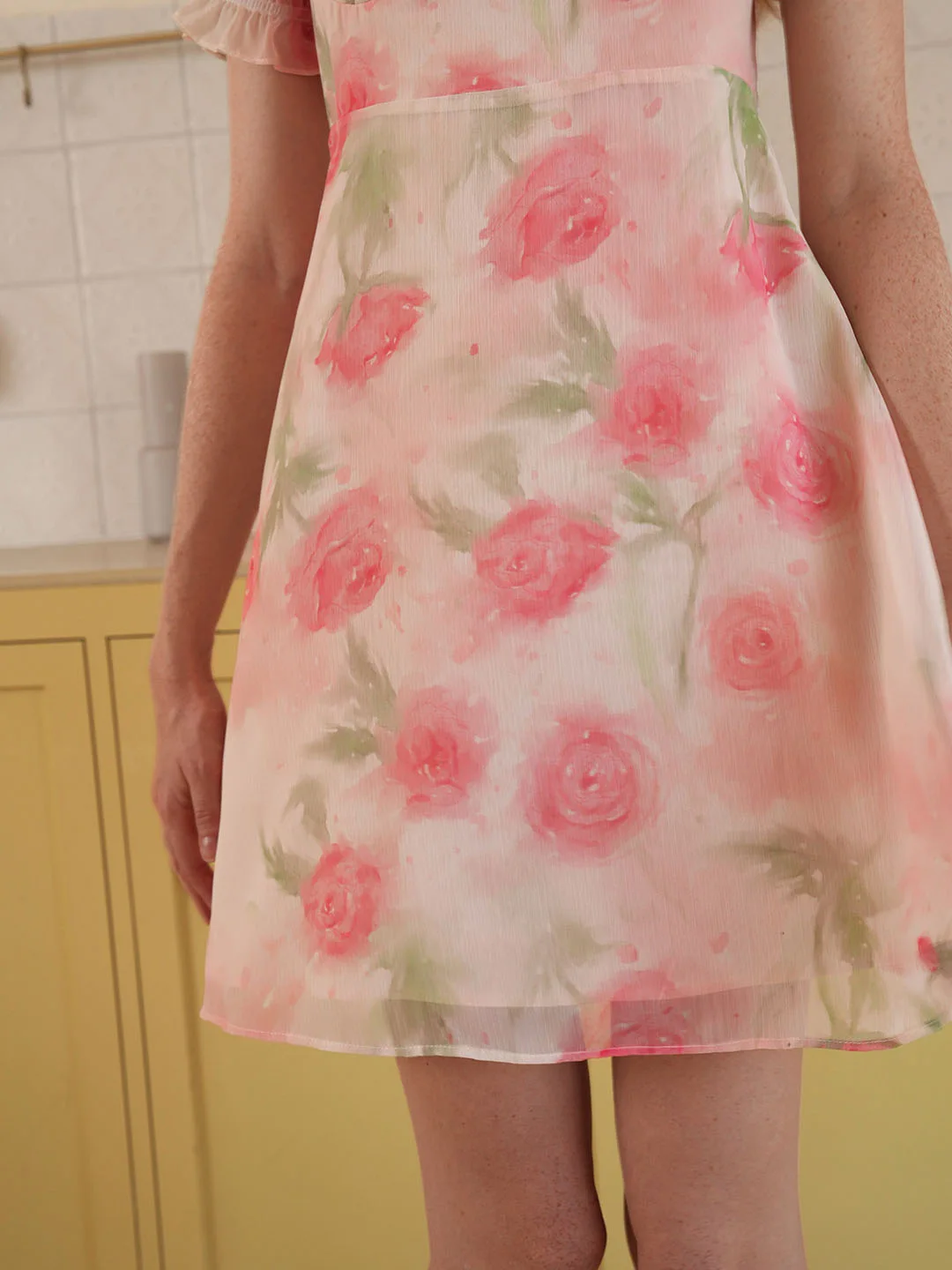
When you are shopping for a dress — whether you are a woman building a small, vintage-inspired wardrobe or a boutique buyer picking inventory — understanding dress drape is one of the most useful skills you can develop. Drape is how a fabric falls, hangs, and moves on the body. It affects silhouette, comfort, layering, and how a garment photographs or behaves in daily life. Below, we break down practical guidance and concrete trade-offs so you can choose dresses that suit your lifestyle and aesthetic.
What drape actually means and why it matters
Drape describes weight, stiffness, and fluidity. A fabric that clings and flows — think rayon voile or silk — is described as having a soft, fluid drape. A stiffer fabric like heavy cotton poplin or brocade has a structured drape. These qualities change how seams, pleats, and design details read on a body. For example, a gathered waistline on a fluid fabric will produce soft folds and a relaxed look; the same gathering on a stiff fabric will create more architectural volume.
Recognizing drape from product photos and descriptions
Photos and listings often give clues about drape. Look for words such as "flowy," "structured," "lined," or "unlined." Close-up shots of the fabric held in a hand are helpful. Also examine how the model moves: ripples as she walks indicate fluid drape; crisp, angular shapes suggest more structure. If a listing mentions a lining, that can alter drape significantly — a lightweight shell becomes heavier with a lining, which can reduce cling and increase smoothness.
How fiber content influences drape
Fiber type is a primary driver of drape. Natural fibers like silk, linen, and wool each behave differently: silk and well-woven rayon tend to be fluid; linen is breathable but often crisp unless blended or washed soft; wool varies from structured suiting to soft flannel. Synthetics such as polyester can mimic many drapes, from silky chiffon to stiff taffeta, and often add resilience and easier care. When a listing names fiber content, imagine how those fibers typically hang. If fiber content is missing, ask the seller or request a swatch.
How weight and finish change a dress on the body
Two fabrics with identical fiber content can drape differently because of weight and finish. A lightweight chiffon will float and create a romantic silhouette, whereas a heavier crepe with similar composition will fall straight, hiding body contours. Finishes — such as mercerization on cotton, brushing on flannel, or glittery coatings — also change surface friction, which alters whether the dress skims or clings to layers beneath.
Choosing drape for personal style and occasion
Think about when and where you’ll wear the dress. For everyday vintage-inspired looks, fluid drape fabrics like rayon challis, lightweight crepe, or silk blends can provide motion and a soft vintage silhouette without being fussy. If you prefer a structured, 1950s tea dress shape with defined waist and fuller skirt, select fabrics with more body — cotton sateen, taffeta, or medium-weight linen blends. Consider trade-offs: soft drape provides ease of movement and forgiving fronts; structured drape offers pronounced shape and a more formal appearance but can feel less breathable and may highlight underlayers or sharp lines.
Layering, undergarments, and how drape reacts
Drape is affected by what you wear under and over a dress. A clingy, fluid dress will show the outline of undergarments unless you opt for smoothing pieces. Stiffer fabrics conceal undergarment lines but may create bulk if layered. For instance, a thin slip under the Melania Pearl-Button Contrast-Lace Collar Velvet Dress will smooth the surface without altering the velvet’s plush fall, whereas a heavy petticoat under the same dress would change its intended drape and make it heavier. When styling for cooler weather, try lightweight wool tights or a fitted camisole rather than bulky layers that distort drape.
Visual examples: styling with drape in mind
- Soft, fluid drape for everyday romance: Pair a rayon challis midi with low-heel loafers and a cropped cardigan. The dress’s soft drape creates motion when you walk and pairs well with relaxed shoe shapes.
- Moderate structure for day-to-night versatility: Choose a crepe or ponte knit dress with defined seams. It holds its shape for daytime meetings and smooths the silhouette under a blazer for evening drinks.
- Structured velvet for special outings: Velvet typically has moderate drape; why it’s beloved for vintage silhouettes. Dresses like the Azucena Lace-Collar Gold-Button Velvet Dress or the Kristen Elegant V-Neck Contrasting Lace Velvet Dress in red will feel plush and maintain a neat shape — consider fitted hosiery and point-toe shoes to complement the velvet’s body without overpowering it.
Practical buying guidance for boutique owners
When selecting inventory, think about the lifestyle of your customers. If your clientele seeks easy-care, daily vintage-inspired pieces, prioritize fabrics with a forgiving, fluid drape that can be washed or steamed without losing form. Reserve stiffer, statement fabrics for fewer, more occasion-driven pieces. Ask suppliers for drape samples or to see how a finished garment moves on hangers and on mannequins. If you list dresses online, include several photos showing the garment in motion and note whether a dress is lined or unlined, as lining alters drape as much as fabric choice.
Trade-offs: care, longevity, and climate considerations
There are always trade-offs. Fluid fabrics often require gentler handling: hand-wash or delicate cycles and careful steaming can keep flowy silks and rayons looking their best. Stiffer fabrics can be more durable and resist wrinkling but may show wear at seams sooner if they’re too rigid. Climate matters: in hot, humid regions, lightweight, breathable fabrics that drape away from the body are more comfortable; in cooler climates, structured, lined dresses provide warmth and a sleeker silhouette. Always recommend customers check the sewn care label first rather than assuming machine wash instructions.
How to test drape in-store or at trunk shows
If you have the garment in hand, do a few simple checks. Hold a corner of the skirt between two fingers and let it fall naturally — note whether it flows smoothly or snaps into shape. Pinch a small amount of fabric between your fingers and let it drop; the speed and manner of fall reveal fluidity. Have someone put the dress on and walk a few steps to observe movement around the hem and waist. For velvet pieces like the Kristen Elegant V-Neck Contrasting Lace Velvet Dress, assess how the nap catches light and whether seams compress with movement.
Communicating drape clearly in product descriptions
When you write product copy, be specific. Describe whether a dress is "soft drape, unlined" or "medium body, fully lined." Include styling notes about undergarments and layering. If you sell wholesale, list whether samples or swatches are available and state that website orders are processed via email requests with availability, shipping and payment terms confirmed in writing. Wholesale prices, minimums and lead times are provided on inquiry — avoid implying instant online checkout or automatic pricing for bulk orders.
Care reminders and avoiding common mistakes
Fabric care varies widely: always follow the sewn care label first. Avoid universal washing instructions. If a care label is unclear, ask the supplier before washing. For delicate drape fabrics, test a hidden seam or small swatch if you must launder at home, or prefer professional cleaning. Store garments on appropriate hangers to maintain drape — padded or shaped hangers for soft shoulders, sturdy hangers to support heavier fabrics. For velvet, hang rather than fold to avoid crush marks; for crisp cottons, a light steam can restore shape without over-handling.
Where to learn more and ask specific questions
If you want to see dresses organized by silhouette and fabric, visit our dress collection at dress collection or browse everything at clothing collection. Buyers interested in wholesale can request pricing and terms via wholesale partnerships. For sizing guidance that impacts how drape reads on the body, see our size guide. If you have a particular dress you’d like to discuss — availability, swatches, or how a fabric will drape on your customer base — contact us at contact our team or inquire by email to confirm availability and shipping details in writing.
Understanding dress drape is a practical tool that empowers better shopping and buying choices. Consider fiber, weight, finish, and lining; test movement when possible; and always communicate care requirements clearly. Whether you’re styling a fluid rayon midi for everyday wear or selecting velvet pieces for special occasions, thinking about drape will help you choose dresses that feel as good as they look.
Explore the pieces behind the ideas
Browse our dresses for full product photographs and listed specifications. Ask our team for fit and availability, or visit wholesale partnerships if you’re buying for a boutique.