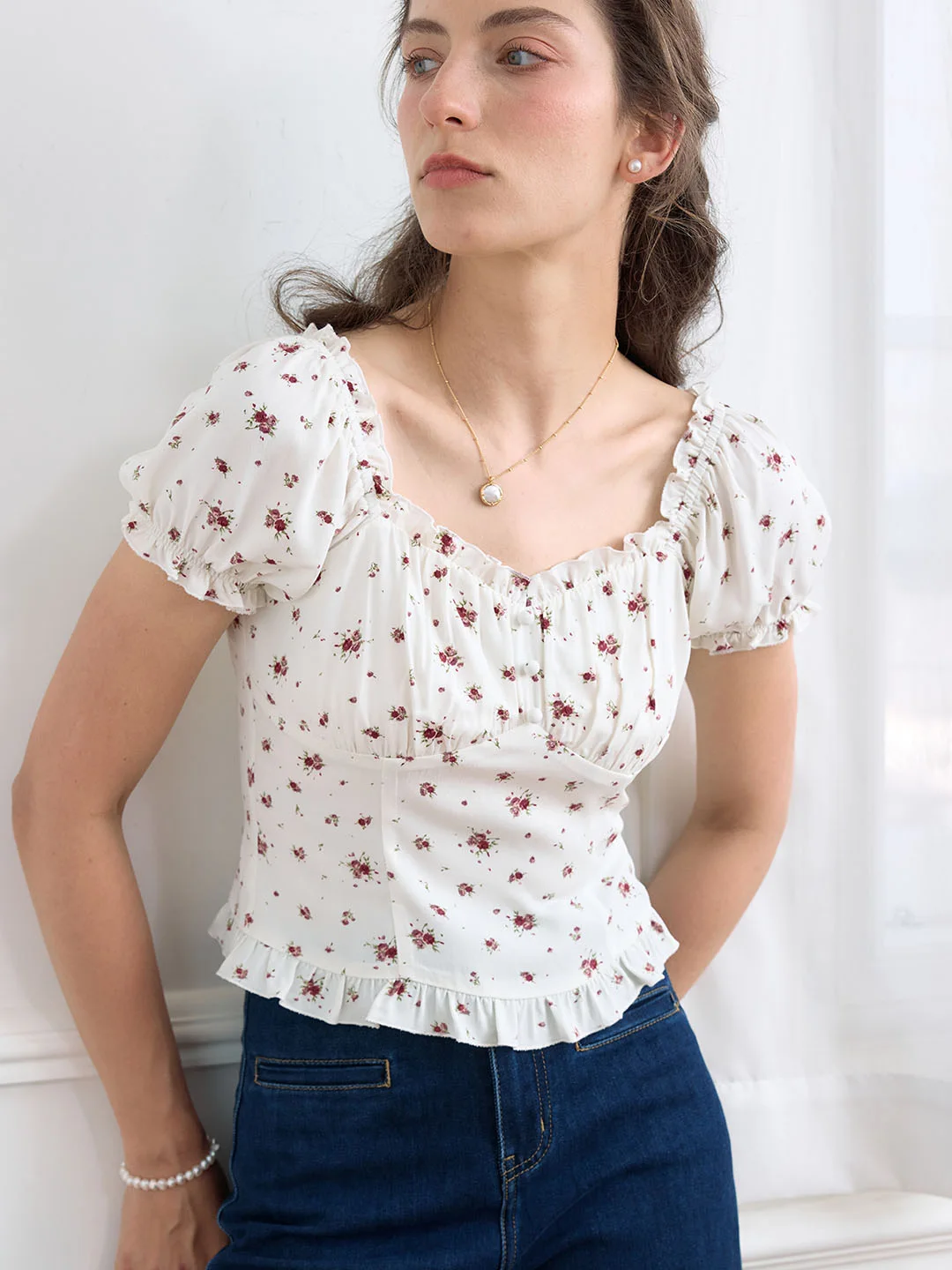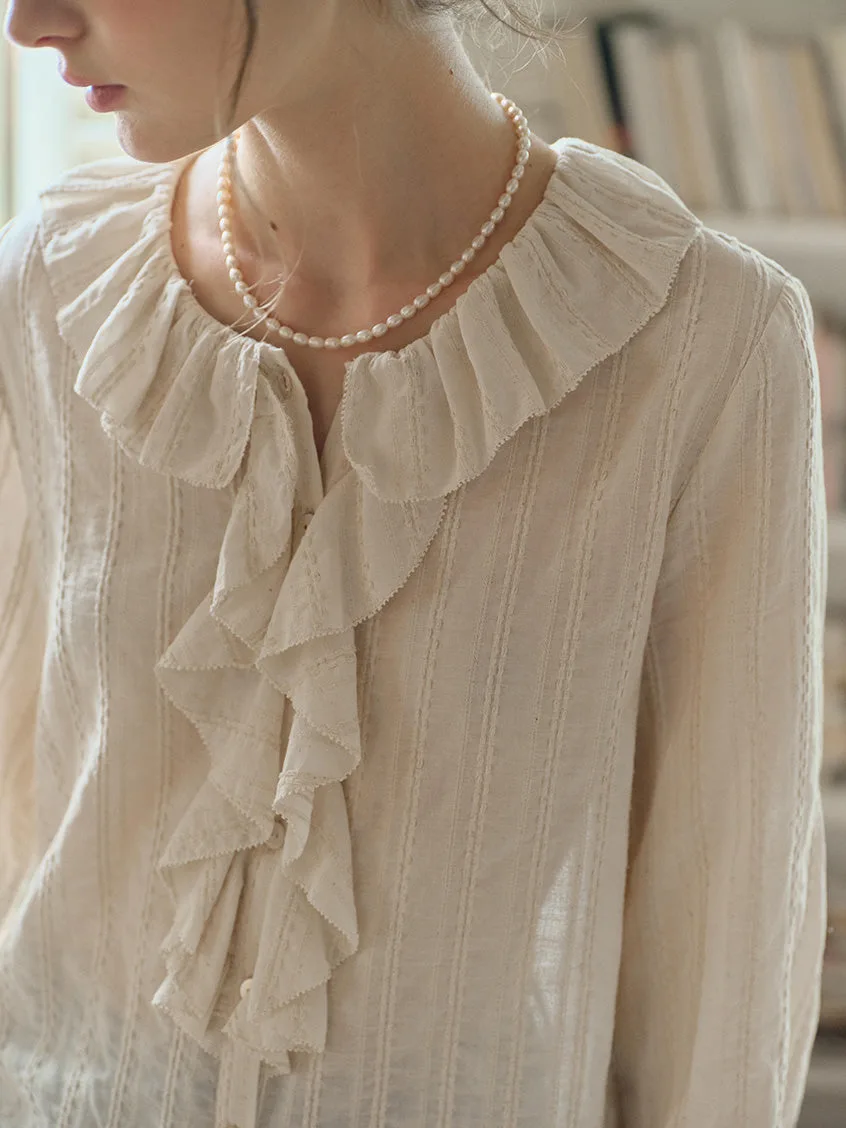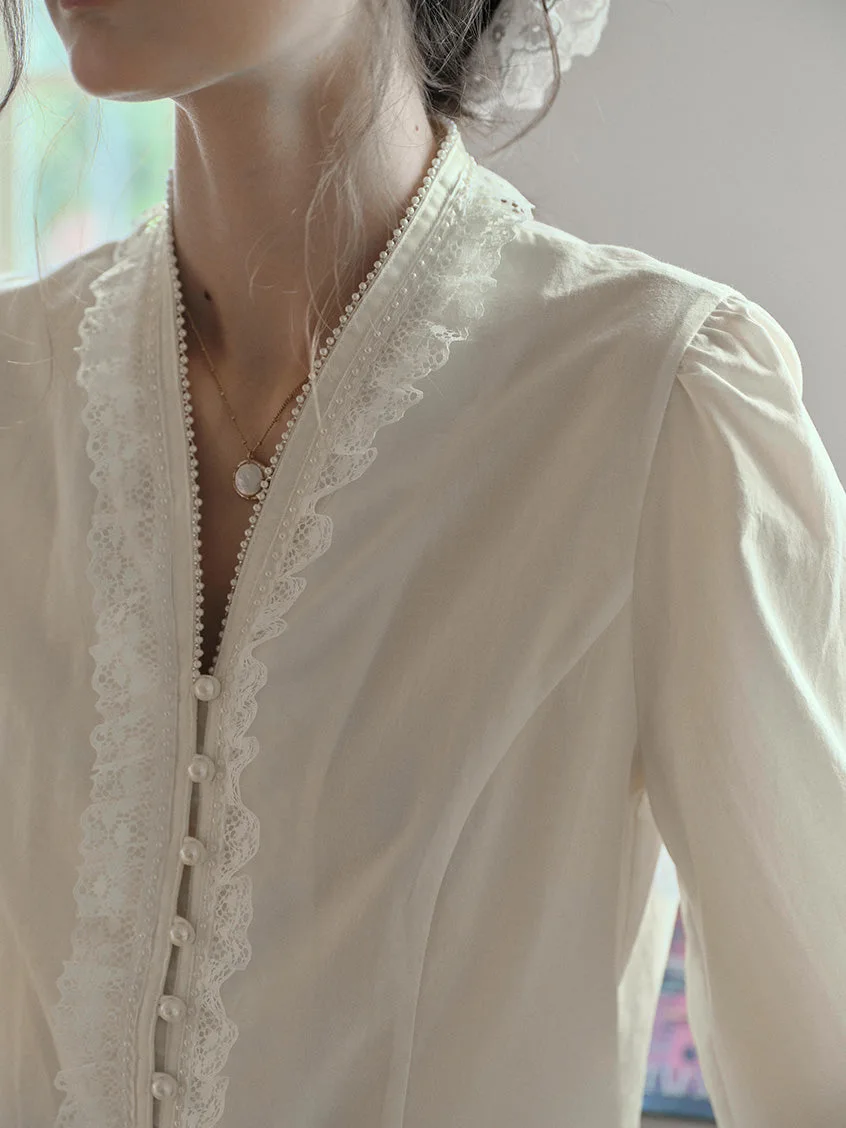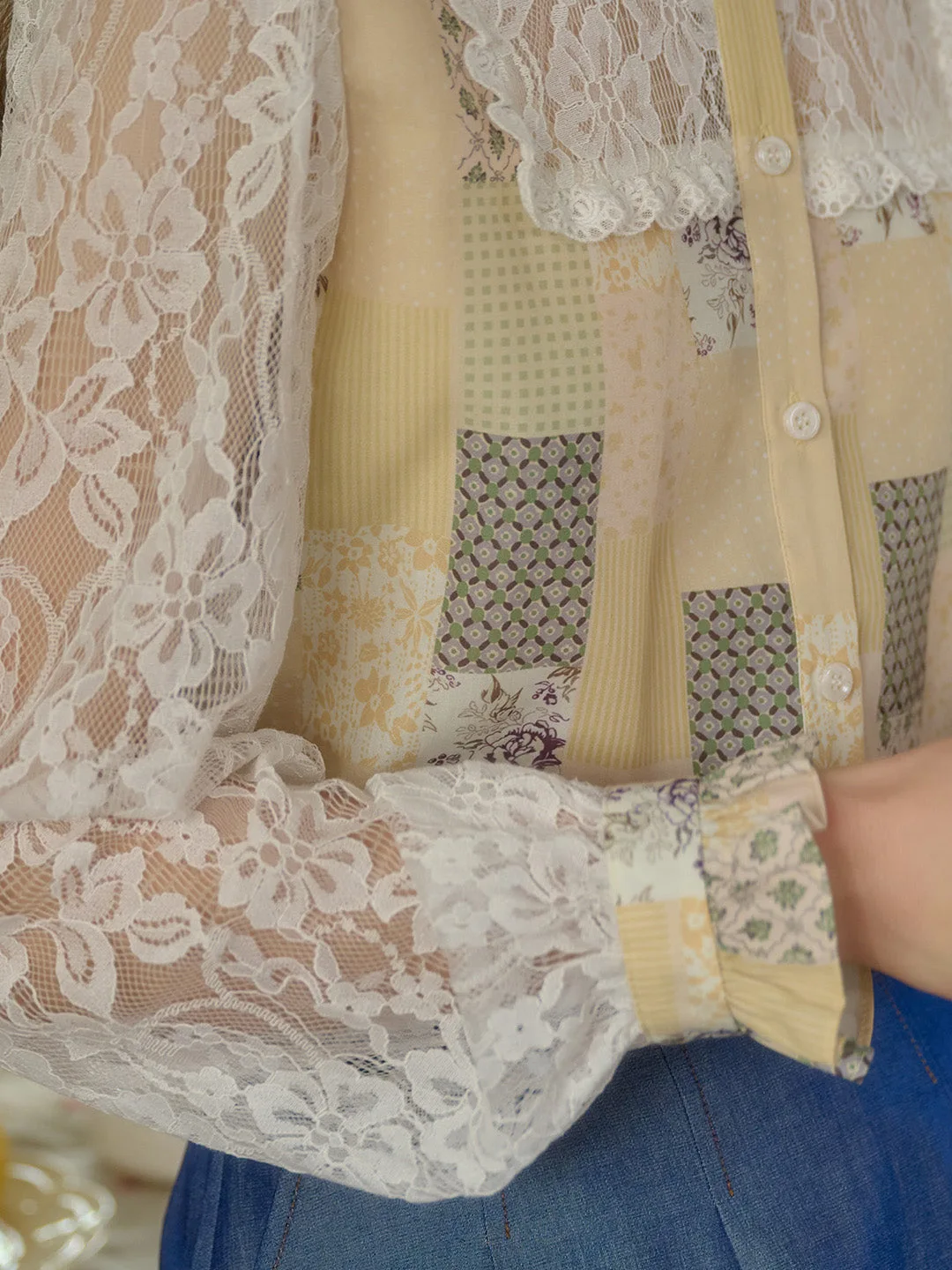
Running or buying for a small boutique means every wholesale order counts. A well-structured wholesale apparel inquiry checklist keeps your inbox from becoming a tangle of ambiguous terms and helps you place orders that arrive on time and sell through. This guide walks through practical questions to ask, trade-offs to consider, and how to turn vendor replies into clear, actionable purchase decisions—especially for shops focused on practical vintage-inspired everyday clothing.
Start with the basics: availability, minimums, and pricing
Ask for the supplier's full wholesale terms in writing. Those should include item-level wholesale prices, minimum order quantities (MOQs), and whether pricing is tiered. Do not rely on approximate figures you discuss over the phone—request an emailed or PDF price list that shows the SKU, color options, and unit cost.
Trade-offs: a lower MOQ can let you test a new silhouette without heavy commitment, but per-unit costs will almost always be higher. If the seller offers tiered pricing, calculate the break-even point where reduced unit cost offsets carrying more inventory. Example: if a puff-sleeve blouse discounts 15% at 24 units versus 10% at 12 units, estimate realistic sell-through time and cash flow before choosing the larger tier.
Confirm lead times, restock policy, and ordering cadence
Get explicit lead times for initial production and for restocks. Some lines ship small quantities quickly from stock; others produce to order and will list longer lead times. Ask what lead time applies to each SKU and whether the supplier runs seasonal windows. Request a written statement of restock policy—will the item be reproduced every season, or is it a one-time run?
Trade-offs: longer lead times often accompany more unique or handmade pieces, which can set your shop apart but require stronger forecasting. Short lead times lower inventory risk but can mean more mainstream silhouettes. For a vintage-inspired everyday top—like the Hesper 100% Cotton Contrast-Cuff Velveteen Shirt—knowing production rhythm helps you plan when to promote fall layering collections versus spring staples.
Request samples and inspect construction details
Ask for one or two samples of key styles before committing to a larger order. When the sample arrives, examine the seams, hems, button stitching, and label placement. Check how closures function and whether trims (like lace panels or puff-sleeve gathers) are securely sewn.
Trade-offs: samples cost money and time, but they reduce costly surprises. If budget limits the number of samples, prioritize pieces with unique construction you plan to feature—such as a mock-neck lace blouse like the Octavia Mock Neck Hollow Lace Patchwork Puff Sleeve Blouse. Document measurements and take photos for your buyers' notes so you can compare the factory sample to production units later.
Clarify sizing, fit notes, and size runs
Wholesale inquiries must include the exact size chart used for production, not just generic letters (S/M/L). Request flat garment measurements for each size: bust, waist, hip, sleeve length, and garment length. Ask whether the brand uses vanity sizing or full-cut measurements and whether they provide fit notes—for example, “designed for a relaxed fit” or “form-fitting through the waist.”
Trade-offs: vintage-inspired pieces often play with proportion—high-waist trousers or cropped blouses may require more customer education and altered size assortments. If most of your customers prefer looser fits, skew your order toward one or two sizes up or ask about offering the Madeleine V-Neck Faux Layered Wool Top in both regular and long lengths if available. Always request a written size guide to post on your product pages and to include in staff training.
Ask about fabric, care, and labeling details—then check the sewn care label
Request the fabric content listed exactly as it appears on the sewn label (for example, “100% cotton velveteen” or “faux layered wool blend”). Ask whether trims contain different fibers. When you receive product, verify the sewn care label before giving washing or care instructions to customers. Do not assume machine-washability—some vintage-inspired fabrics may require gentle cycles or hand washing.
Trade-offs: higher-quality natural fibers can command higher retail prices and longer perceived value, but they may require more careful care instructions that customers need to follow. For example, a 100% cotton velveteen shirt like the Hesper Velveteen Shirt may have different care than a faux-wool layering piece—the sewn label will say which. If a supplier cannot or will not provide exact sewn label wording, treat that as a red flag.
Understand shipping, insurance, and returns for wholesale orders
Wholesale orders should include clear shipping terms: who pays freight, whether shipments are FOB (freight on board), and which carrier is used. Ask if shipments are insured and what the claims process is for lost or damaged goods. Confirm whether the vendor accepts returns on defective units and how they handle exchanges or short-ship situations.
Trade-offs: suppliers that require you to cover freight may offer lower unit prices; calculate landed cost (unit + freight + duties) to compare offers fairly. If you’re ordering several bulky knits or multiple colorways, ask the vendor to supply a pallet or carton breakdown so you can estimate receiving labor and storage needs in your backroom.
Payment terms, invoicing, and order confirmation practices
Get the vendor’s payment terms in writing: deposit required, balance before ship, net terms (if any), and acceptable payment methods. Since website orders are treated as inquiry requests, insist that availability, shipping, and payment terms be confirmed in writing before you make a transfer. For first-time vendors, avoid paying the full amount before shipment unless you have a long-standing relationship.
Trade-offs: net terms (like net 30) improve cash flow but may not be available to new buyers. If a supplier requires a non-refundable deposit, negotiate sample approval first. Always ask for an itemized invoice and a packing list that matches the PI (proforma invoice) so you can reconcile upon receipt.
Plan merchandising: colorways, assortments, and suggested retail
Ask the supplier for available colorways and whether they recommend build packs or assortments. Some suppliers will sell color assortments that simplify ordering (for example, 6 units: 2 black, 2 cream, 2 olive), while others let you pick exact quantities by color. Request any suggested retail price (SRP) to understand margin potential.
Trade-offs: assortments can speed inventory decisions and often reduce per-unit cost, but they may leave you with colors that don't fit your local customer base. For a store that sells practical vintage-inspired clothing, select a mix that supports outfit pairing: neutrals for wardrobe foundations and one or two accent colors for seasonal storytelling. Use pieces like the Hesper shirts or the Madeleine top as anchor SKUs to build outfits for window displays and lookbooks.
Communication, marketing assets, and exclusivity options
Ask if the vendor provides photography, lifestyle shots, and product descriptions you may use on your site. Confirm brand usage guidelines and whether the vendor offers regional exclusivity or limited releases. If you require exclusivity for a season, request that in writing and understand any volume requirements tied to that promise.
Trade-offs: exclusive pieces can create local scarcity and strong demand but usually require higher minimums or prepayment. If exclusivity isn’t feasible, negotiate promotional support—co-branded content, social media assets, or early access to new deliveries. Having quality lookbook images saves your team time and keeps product pages consistent.
Conclusion: turn responses into a clear purchase decision
A robust wholesale apparel inquiry checklist protects your time and cash flow. Compile the vendor's written replies into a single document that lists price per SKU, MOQ, lead time, sample notes, size measurements, fabric content, shipping terms, and payment schedule. Review this with your buyer or store manager, compare landed costs across vendors, and test-critical pieces with a small initial run before scaling.
Practical example: if you love a mock-neck lace blouse, request a sample, check the sewn care label on arrival, confirm sizes and flat measurements, and ask for a two-color trial run of 12 units to test in-store sales. If the supplier offers a photography kit, use it for product pages and your newsletter. That step-by-step approach reduces surprises and gives your customers consistent, saleable vintage-inspired outfits that perform on your shop floor.
For related product options and further buying details, browse boots-on-the-ground inventory such as our tops collection at blouses and tops, view overall ranges at clothing collection, or learn about ordering from our wholesale program at wholesale partnerships. Check sizing references at size guide and reach out directly via contact our team when you're ready to request availability and written terms. Consider these individual pieces for your assortment planning: Hesper 100% Cotton Contrast-Cuff Velveteen Shirt, Hesper 100% Cotton Contrast-Cuff Velveteen Shirt, Madeleine V-Neck Faux Layered Wool Top, and Octavia Mock Neck Hollow Lace Patchwork Puff Sleeve Blouse.
Use this checklist as your standard wholesale inquiry email template: request written prices, MOQs, lead times, size measurements, sewn label fabric content and care, sample availability, shipping terms, payment terms, and any marketing assets. When all of that arrives in writing, you can compare offers with confidence and place orders that fit your boutique's aesthetic, floor space, and cash flow.
Explore the pieces behind the ideas
Browse our blouses & tops for full product photographs and listed specifications. Ask our team for fit and availability, or visit wholesale partnerships if you’re buying for a boutique.