Transitional weather—the stretch between warm and cool days—asks for dressing that is both deliberate and flexible. For women who favor vintage-inspired everyday clothing and for independent boutique buyers sourcing seasonally versatile pieces, designing transitional weather outfits means balancing warmth, proportion, and ease of movement without sacrificing the style details that make a look feel personal. Below you'll find a practical guide with specific outfit ideas, trade-offs to consider, fabric-care reminders, and wholesale buying pointers that respect small-batch retail realities.
Start with a plan: choose a small set of go-to combos
Rather than investing in a dozen single-use garments, assemble three to five core combinations you can adapt. For example: a cropped jacket + mid-rise straight jeans + knit tee; a corduroy jacket + button-front dress + ankle boots; a long cardigan + midi skirt + loafers. These combos multiply your options with one or two additional layers like a thin sweater or a lightweight scarf.
- Trade-off: Fewer items means less wardrobe clutter but requires thoughtful fabric and color choices so the pieces mix well.
- Practical tip: Pick neutral core colors (navy, caramel, olive, cream) and one accent color or print to keep outfits cohesive without feeling matchy.
Layer smart: prioritize shape and breathability
In transitional weather, layering is less about piling on warmth and more about managing changing conditions. Start with a breathable base (cotton or lightweight merino), add a mid layer for insulation (a thin wool sweater, a structured vest, or a button-front blouse), and finish with a light outer layer that blocks wind but is easy to remove.
- Shape matters: If your outerwear is boxy—like a barn jacket—you’ll want a slimmer mid layer to avoid bulk. Conversely, a cropped outer jacket pairs well with a slightly fuller mid or base layer so proportions remain balanced.
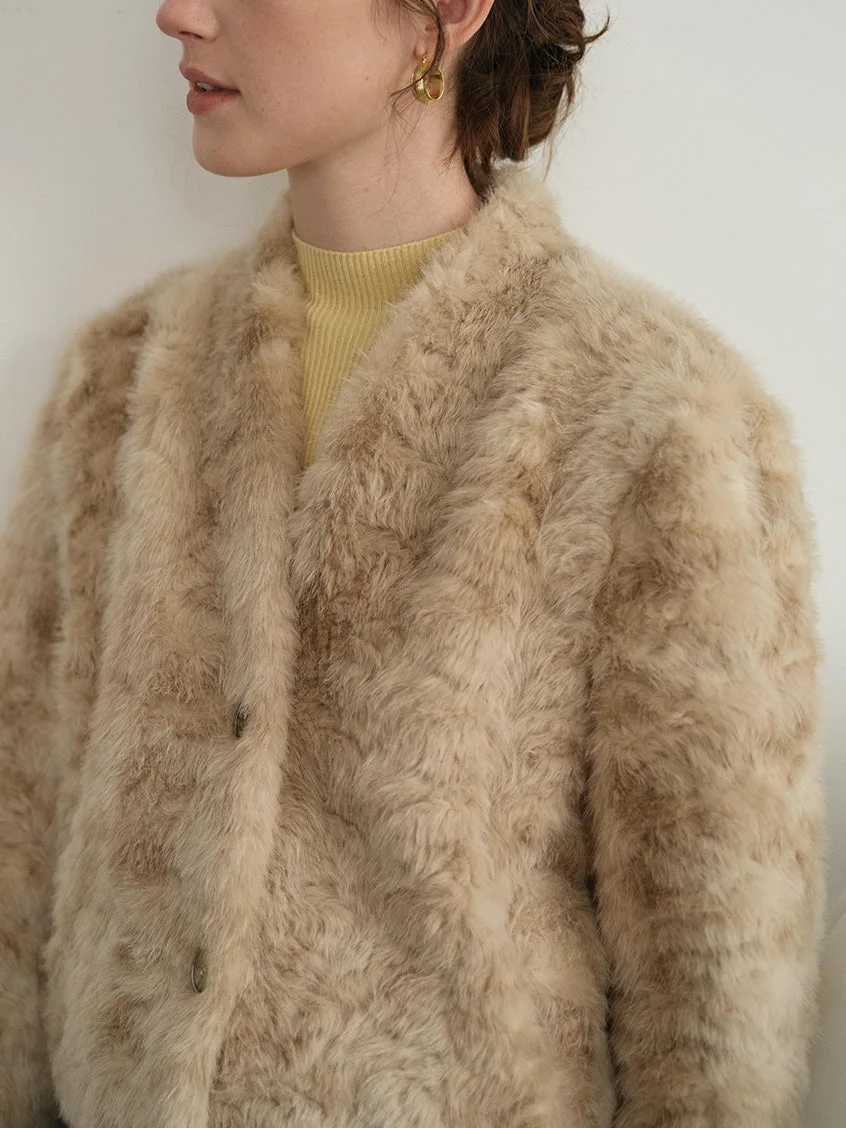
- Example outfit: A slim cotton tee, a lightweight ribbed sweater tucked into a high-waist skirt, and the Gerda Cropped Plush Faux-Fur Short Jacket for a cozy, vintage silhouette that’s easy to shed if it warms up.
Pick outerwear that transitions with you
Outerwear is the easiest way to change an outfit for sudden temperature shifts. Choose pieces that work layered over both dresses and pants, and offer at least one option that can be stowed away easily.
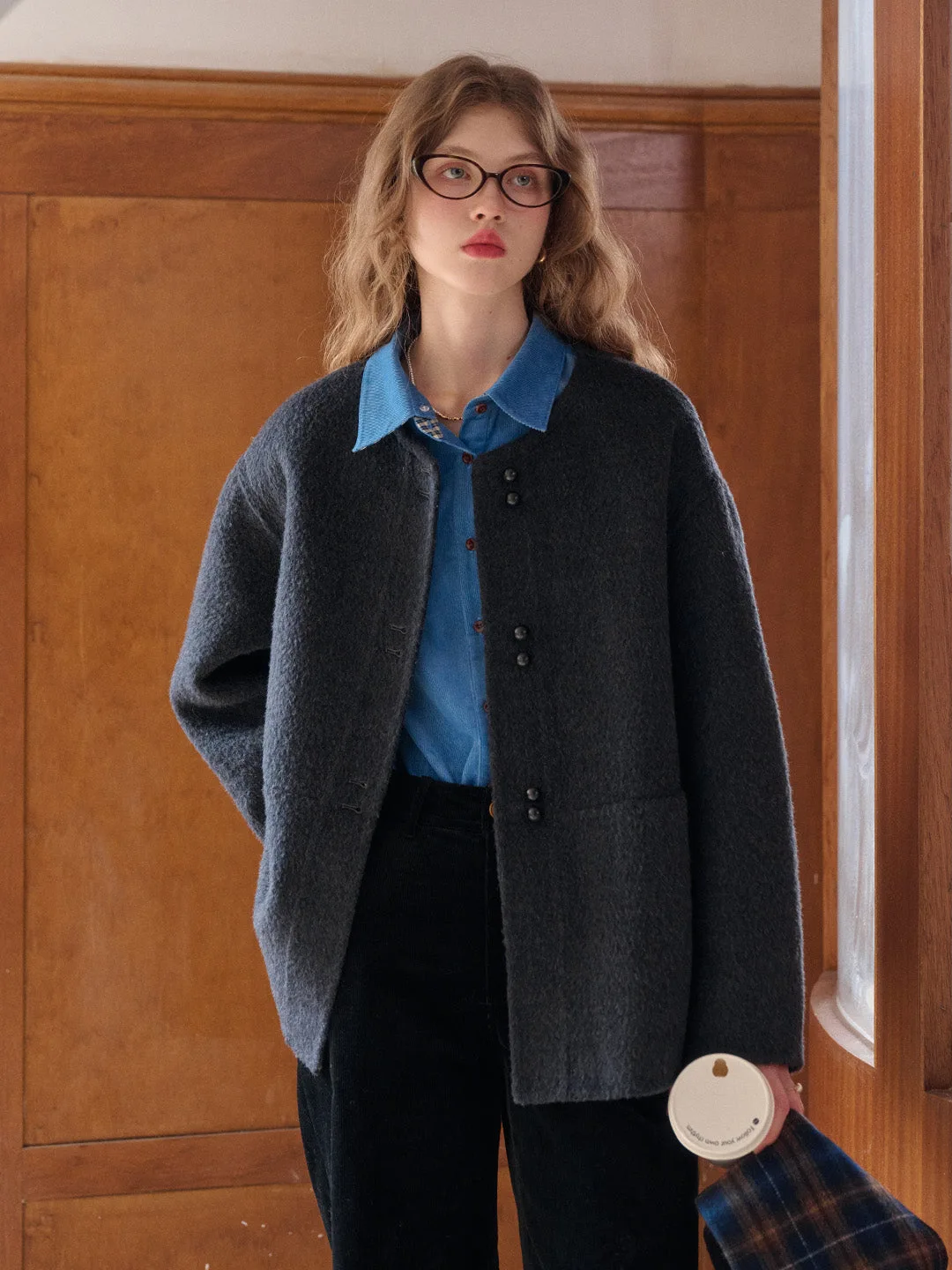
- Consuelo 100% Cotton Contrast-Collar Corduroy Jacket is a great example: corduroy gives warmth and texture without heavy insulation, and its contrast collar reads vintage without feeling costume-y.
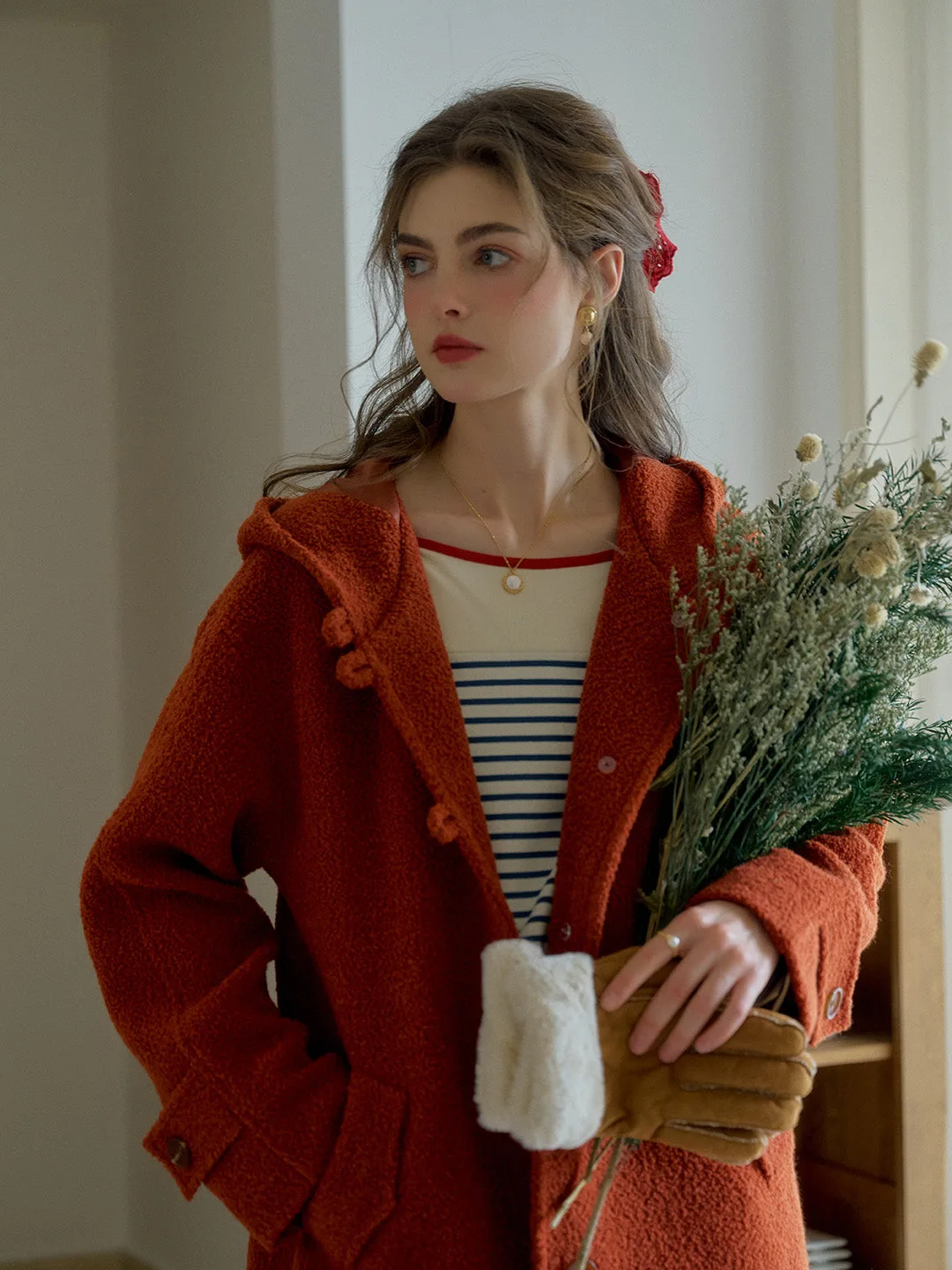
- Blanche Faux-Leather Button-Front Barn Jacket pairs with both floral dresses and denim and acts as a wind barrier on blustery mornings.
- Trade-off: Heavier outerwear holds warmth longer but is less packable; lighter outerwear is versatile but may require adding insulating layers on cold mornings.
Choose fabrics by feel and function, then check the care label
Fabric choice drives comfort for the wearer and practicality for the buyer. Natural fibers like cotton and wool breathe and usually feel softer against the skin, while synthetic blends can resist wrinkles or shed water. Always check the sewn care label first before giving any general washing guidance.
- For shoppers: If you live in a variable climate, prioritize garments with natural fibers in contact with the skin and weather-resistant finishes on outerwear.
- For buyers: Ask suppliers about fabric hand, expected durability in everyday wear, and whether trims or dyes need special care instructions to be printed on the garment tag.
- Trade-off: Natural fibers may require more careful laundering; synthetics might be lower-maintenance but can sacrifice breathability.
Use footwear to adapt temperature and terrain
Shoes change how practical an outfit feels. Loafers and ballet flats are light and office-friendly, while ankle boots create a protective barrier against damp streets. For transitional weather outfits, select shoes that handle morning chill yet won’t overheat midday.
- Outfit example: A long-sleeve cotton dress, knee socks, and low-heeled ankle boots for a look that reads vintage and keeps toes warm on cool mornings.
- Trade-off: Closed shoes can feel too warm in sudden heat; include a lighter shoe option in your bag or switch to socks that wick moisture.
Add accessories with purpose, not just decoration
Accessories should be functional in transitional seasons. Think scarves for layering, belts to change silhouettes, and hats for sun or wind protection. A lightweight scarf can act as a neck barrier without adding bulk, while a leather belt can define a loose dress when temperatures rise and you want to go hands-free.
- Practical styling: Tie a small silk scarf at the neck for flair and a touch of warmth; keep a larger woven wrap in your bag for unexpected chilly evenings.
- Trade-off: Bulky accessories increase bag weight; choose compact pieces unless you’re comfortable carrying extras.
Mix prints and solids with vintage proportions
Vintage-inspired dressing often emphasizes proportion—high waists, fuller skirts, cropped jackets. Use prints sparingly as focal points: a small floral dress under a solid corduroy jacket, or striped blouse with a neutral skirt. If everything in an outfit is patterned, the look risks feeling busy rather than intentional.
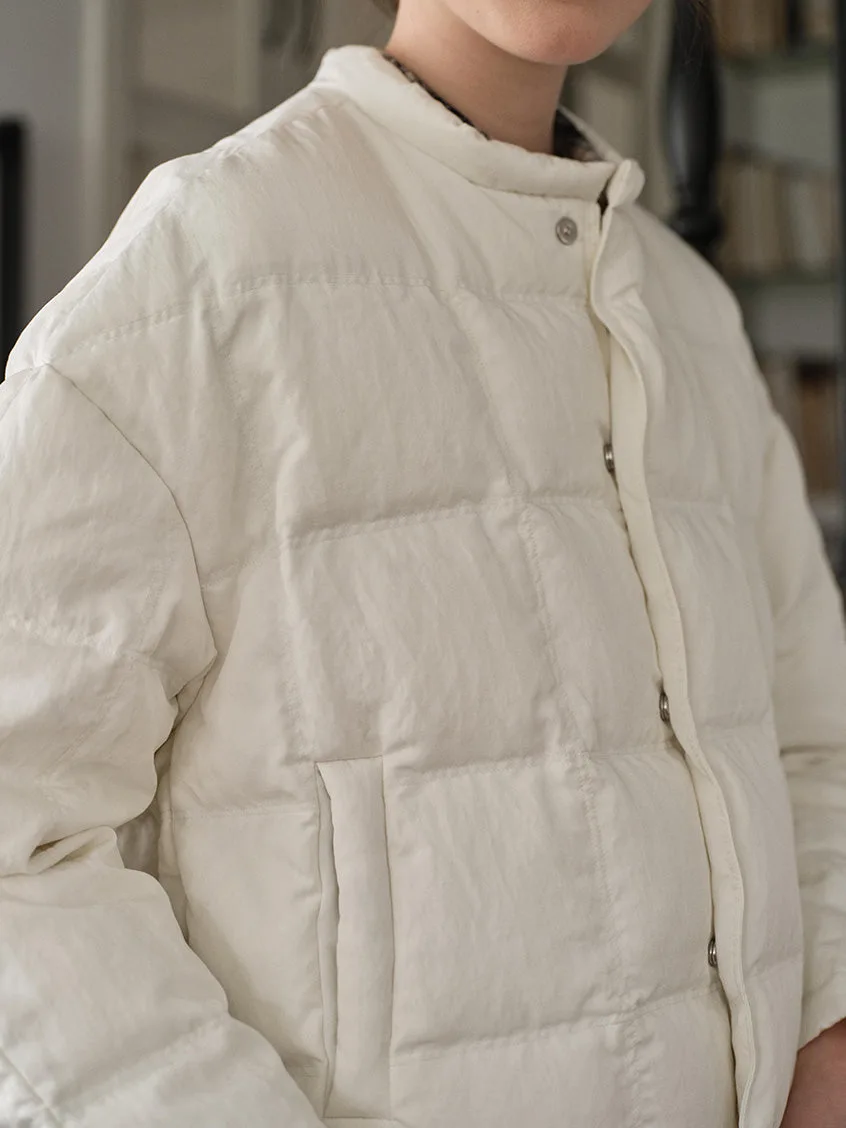
- Outfit example: A ditsy floral midi dress under a solid-structured jacket like the Orsina Faux-Fur Collar Padded Jacket for added interest and a practical pocketed layer.
- Trade-off: Prints can conceal stains and wear but may limit re-wearability across seasons; solids are more flexible for mixing.
Packability and weight: think like a traveler
Transitional weather often demands mobility—commuting, markets, pop-ups. Choose pieces that compress or layer into one another. Lightweight padded jackets or faux-leather barn jackets can be folded into a tote; cropped faux-fur options can be worn casually or for evening events.
- Blanche Faux-Leather Button-Front Barn Jacket is a practical outer layer for, say, a morning market trip followed by a later meet-up. It shields against wind but tucks neatly under arm or into a larger bag.
- Gerda Cropped Plush Faux-Fur Short Jacket offers warmth and a short silhouette that won’t swamp a high-waist skirt when you’re on the go.
- Trade-off: Packable items may use lighter insulation and therefore be less warm when temperatures drop unexpectedly.
Wholesale and boutique considerations for seasonal stock
If you buy for a shop, plan transitional weather offerings around modular pieces that cross over seasons. Offer a range of lightweight outerwear, mid-layer knits, and dresses with sleeve options. When sourcing, highlight items that photograph well on racks and can be merchandised in multiple displays: folded with trousers, on a mannequin over a slip, or hung as a complete outfit.
- Ordering process: Website orders should be confirmed by email with availability, shipping and payment terms spelled out rather than instant paid checkout. Wholesale prices, minimums, and lead times are provided on inquiry—be explicit about reorder points so you aren’t left short in a weather swing.
- Visual merchandising: Pair a cropped jacket with both jeans and a midi skirt to show buyers how one piece services several customer needs.
- Trade-off: Carrying versatile pieces reduces SKUs but might flatten the visual variety shoppers expect; use accessories and display changes to keep pages and windows fresh.
Final thought: test combos in real life before committing
Before you buy or build a capsule, try your prospective transitional weather outfits in real conditions. Wear an outfit on a misty morning walk or a warm-pulse afternoon to see whether the layers actually function. For boutiques, create a small in-store rack or a staff try-on shoot to imagine how pieces will translate to customers’ daily lives.
- Care reminder: Always check the sewn care label for laundering and maintenance guidance before suggesting how to clean or store a garment.
- Contact and support: For product questions or to place an inquiry about wholesale availability, pricing and lead times, reach out through our contact page. For browsing outerwear options, start with our outerwear collection or view the full catalog at collections. If you are a buyer, visit wholesale and consult our size guide to match customer expectations.
Transitional weather outfits are an exercise in options and restraint: give yourself pieces that layer well, prioritize fabrics that match your lifestyle, and plan a small range of combinations that can be adjusted without fuss. Thoughtful selection, clear care instructions from sewn labels, and transparent wholesale processes will make the season smoother for customers and retailers alike.
Explore the pieces behind the ideas
Browse our jackets & coats for full product photographs and listed specifications. Ask our team for fit and availability, or visit wholesale partnerships if you’re buying for a boutique.